 Send
Send Share
Share
 Details

 Download
 Similars
 Diaporama
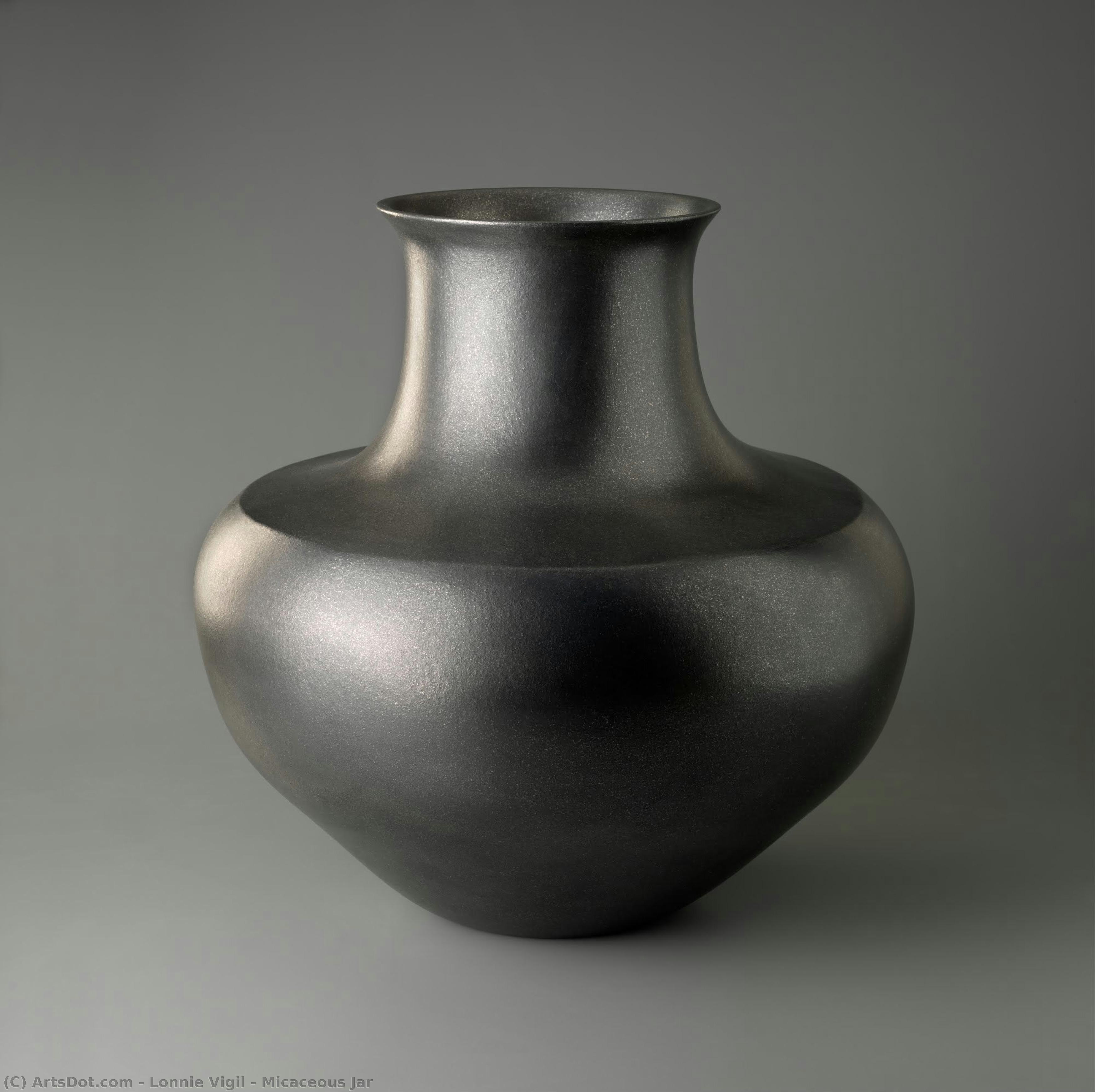
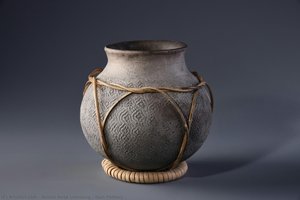
Micaceous Jar
 Other-None
- Minimalist Ceramic Tradition
 2007
2007- Contemporary
 50.0 x 49.0 cm
 Nelson-Atkins Museum of Art
 Read More
Hand Made Oil Reproduction
Hand-painted oil on canvas in your size and frame, made to order by our artists. ( Buy Print Buy Image)




































Pick from our preset sizes that match the artwork's original proportions.

You may enter your own dimensions to fit a specific frame or space. If your selected size does not match the original image's proportions, we will either crop the artwork or extend the painting with additional hand-painted elements. A digital mockup will be sent for your approval before production begins.
Please note that the on-screen preview does not reflect the actual cropping or extension. Only the mockup will accurately show the final composition.
While custom sizes are available, we recommend selecting a dimension from the predefined list to preserve the original proportions.
After order, ArtsDot.com team will email client for instructions and provide a mockup preview
Worldwide Delivery () in 3/4 weeks instead of standard 5 weeks. (18 August). No compromise on quality.

Free Worldwide Express Shipping

High-Quality Linen Canvas

Full Shipping Insurance

Customs Tax Refund Guarantee

True Color Matching Guarantee

60-Day Return Policy (Defects Only)

100% Money-Back Guarantee

Bulk Discount Offer
 Glass option is only available in size under 110 CM

Micaceous Jar
Reproduction Medium
Reproduction Size
-


Total Price
$ 263
Artwork Description
A Testament to Ancestral Echoes: Lonnie Vigil’s “Micaceous Jar”
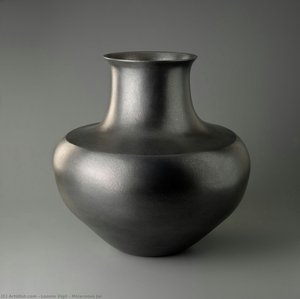
Lonnie Vigil's "Micaceous Jar" isn’t merely a ceramic vessel; it’s a profound dialogue between the past and present, a tangible link to centuries of Pueblo artistry. Crafted in 2007 from micaceous clay – a remarkably rich material infused with shimmering mica flakes – this monumental jar embodies a revival of traditional techniques while simultaneously pushing their boundaries into contemporary expression. Vigil, deeply rooted in the Nambe Pueblo’s heritage, masterfully blends ancestral knowledge with an intuitive understanding of form and texture, creating a piece that resonates with both quiet reverence and vibrant energy.
The jar's genesis lies within the unique properties of micaceous clay itself. Unlike conventional pottery clays, micaceous clay doesn’t require tempering – the addition of materials like sand to prevent cracking during drying – due to the inherent stability provided by its high mica content. These tiny gold flecks, meticulously incorporated into the clay body, create a captivating surface effect: a subtle, almost ethereal glow that shifts and dances with the light. This visual shimmer isn’t simply aesthetic; it's a direct reflection of the earth’s essence, mirroring the geological forces that shaped the material itself.
Form and Function: A Return to Pueblo Roots
Vigil’s approach is deeply informed by the traditions of his ancestors. The jar’s cylindrical form, reminiscent of ancient cooking pots and storage vessels used by the northern New Mexico Pueblos, speaks to a lineage of utilitarian artistry. However, Vigil doesn't simply replicate these forms; he subtly reimagines them, introducing gentle curves and a slightly tapered neck that lend an air of elegance and sophistication. The hand-built construction process – a deliberate rejection of industrial methods – further emphasizes the artist’s intimate connection with his materials and the inherent imperfections that celebrate the human touch.
Crucially, Vigil eschews glaze, allowing the natural color and texture of the micaceous clay to take center stage. This minimalist approach highlights the jar's raw beauty, emphasizing its tactile quality and the subtle variations in tone created by the mica flakes. The absence of a glossy finish lends an earthy, timeless feel, anchoring the piece firmly within its historical context.
Symbolism and Emotional Resonance
More than just a functional object, “Micaceous Jar” carries profound symbolic weight. For Vigil, pottery is not merely a craft; it’s a spiritual practice, a conduit for connecting with his ancestors and the spirit of the land. Each pot represents an encounter with Earth Mother, a reciprocal exchange between the artist, the clay, and the ancestral spirits who have shaped Nambe Pueblo's artistic traditions for generations. The jar’s simplicity and understated beauty evoke a sense of tranquility and timelessness – a reminder of the enduring power of tradition and the importance of honoring one’s heritage.
The subtle asymmetry in the form, a deliberate departure from strict Pueblo conventions, suggests a willingness to innovate while remaining true to his roots. It's a testament to Vigil’s artistic vision: a harmonious blend of reverence for the past and an embrace of contemporary expression. “Micaceous Jar” is not just a beautiful object; it’s a powerful statement about identity, connection, and the enduring legacy of Native American artistry.
Technical Details & Dimensions
Size: 50 x 49 cm (approximately 19 ¾ x 19 ½ inches)
Date: 2007
Material: Micaceous Clay – a clay rich in mica, resulting in a naturally shimmering surface.
Technique: Hand-built, fired without glaze to showcase the natural beauty of the clay and mica.
Further Exploration
Related Artworks
Artist Biography
Lonnie Vigil: Weaver of Earth and Ancestry
Born in 1949 in Nambe Pueblo, New Mexico, Lonnie Vigil’s artistic journey is a testament to the enduring power of tradition intertwined with individual vision. Raised within the heart of a community that has thrived for over seven centuries, he carries within him the spirit and knowledge of generations past. Unlike many artists who seek inspiration from distant sources, Vigil's roots are firmly planted in the rich soil of his Pueblo heritage, informing every curve, texture, and color of his distinctive micaceous pottery.
Vigil’s early life was marked by a fascinating duality. He initially pursued a career as a financial consultant in Washington D.C., seeking fulfillment outside the confines of his ancestral home. However, a transformative experience – attending “Night of the First Americans” at the Kennedy Center in 1982 – reignited a deep-seated longing to reconnect with his cultural roots and the ancient craft that flowed through his family’s veins. This pivotal moment marked a deliberate shift, leading him back to Nambe Pueblo where he embarked on a path dedicated solely to reviving and redefining micaceous pottery.
The Language of Clay: Micaceous Pottery and its Revival
Micaceous pottery is more than just a craft for Lonnie Vigil; it’s a profound dialogue with the earth, his ancestors, and the spiritual realm. This unique style of pottery, characterized by its distinctive sparkling mica flecks – a result of incorporating sand into the clay – was once a dominant form in Puebloan culture. However, by the mid-20th century, it had largely fallen out of practice. Vigil recognized the profound significance of this lost tradition and dedicated himself to its meticulous revival.
He meticulously studied the techniques passed down through generations, learning from his great-grandmother, Perfilia Anaya Pena, and other skilled potters within his community. Vigil’s approach is deeply rooted in respect for the past, yet he isn't simply replicating traditional forms. Instead, he skillfully blends established methods with a contemporary sensibility, pushing the boundaries of the medium while honoring its heritage. His work is defined by an almost meditative process – gathering the clay directly from the earth, hand-building each piece, and employing traditional outdoor firing techniques that harness the power of natural elements.
A Process Rooted in Connection
Vigil’s creative process is deeply spiritual and collaborative. He describes it as a “conversation” with the clay itself, allowing the material to guide his hand. “There is collaboration between the clay and myself,” he explains, “the clay tells me what direction to take.” This intuitive approach results in forms that are both strikingly beautiful and imbued with a palpable sense of history and connection. The asymmetrical shapes, often reminiscent of ancient cooking vessels and storage jars, speak to a continuity with Puebloan traditions while simultaneously asserting Vigil’s individual artistic voice.
He emphasizes the importance of recognizing the “continuity in the identity of family and community” embedded within each pot. Each creation is not merely an object but a conduit for connecting with ancestral spirits and acknowledging the enduring legacy of his people. The act of making, he believes, is a sacred undertaking – a reaffirmation of his place within the larger tapestry of Nambe Pueblo’s history.
Recognition and Legacy
Lonnie Vigil's dedication to preserving and revitalizing micaceous pottery has garnered him significant recognition within the art world. He was awarded the Ronald and Susan Dublin Fellowship in 1994, a prestigious honor recognizing his contributions to Native American arts. In 2010, he received the Native Treasures Living Treasure Award, acknowledging his profound impact on contemporary Southwestern art. His work is held in prominent collections including the Peabody Essex Museum and the Nelson-Atkins Museum of Art, ensuring that his artistic legacy will continue to inspire and educate for generations to come.
Vigil’s story stands as a powerful example of how deeply personal artistic expression can simultaneously honor cultural heritage and forge new paths. Through his soulful ceramic art, Lonnie Vigil has not only revived a lost tradition but also offered a profound meditation on the interconnectedness between humanity, nature, and the spirits of our ancestors.
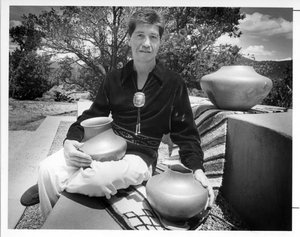
lonnie vigil
1949 - , United States of America
Quick Facts
- Artistic Movement Or Style: Micaceous pottery
- Artists Or Movements Influenced By This Artist: ['Native American crafts']
- Artists Who Influenced This Artist:
- Great-grandmother
- Ancestral potters
- Date Of Birth: 1949
- Full Name: Lonnie Vigil
- Nationality: American
- Notable Artworks:
- Micaceous jars
- Traditional forms
- Place Of Birth: Nambe Pueblo, USA
Related Articles

Grant Wood & American Regionalism: Identity, Myth & the Rural Landscape
Explore the world of Grant Wood & American Regionalism with ArtsDot. Discover the symbolism behind 'American Gothic', recurring themes, and the movement's lasting impact on art history. High-quality reproductions available.
American Realism's Defining Works: 10 Masterpieces for Your Home
Explore 10 defining American Realism masterpieces – Hopper, Homer & more. Discover the stories behind these iconic paintings and bring timeless art to your home with ArtsDot's museum-quality reproductions. Explore the full collection online.

James Otto Lewis: Navigating American Modernism Through Regional Identity & Stylistic Innovation
Explore the captivating portraits of James Otto Lewis, a pivotal figure bridging 19th-century realism & American Modernism. Discover his groundbreaking work documenting Native American culture and regional identity.

Henry Farny: Romantic Visions of the American West & Indigenous Life
Explore the evocative paintings of Henry Farny, renowned for his romantic realism & depictions of Native American life in the 19th-century West. Discover his legacy and key artworks at ArtsDot.

American Regionalism: A Crucible of Identity – Exploring Themes of Place, Labor & Social Commentary
Explore American Regionalism's powerful depiction of the American heartland during the Great Depression. Discover Grant Wood, Thomas Hart Benton & more. Expert analysis & high-quality art reproductions at ArtsDot.