 Send
Send Share
Share
 Details

 Download
 Similars
 Diaporama
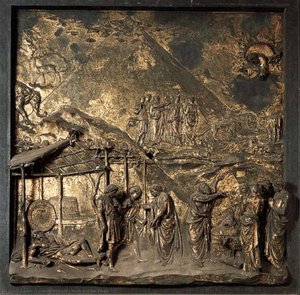
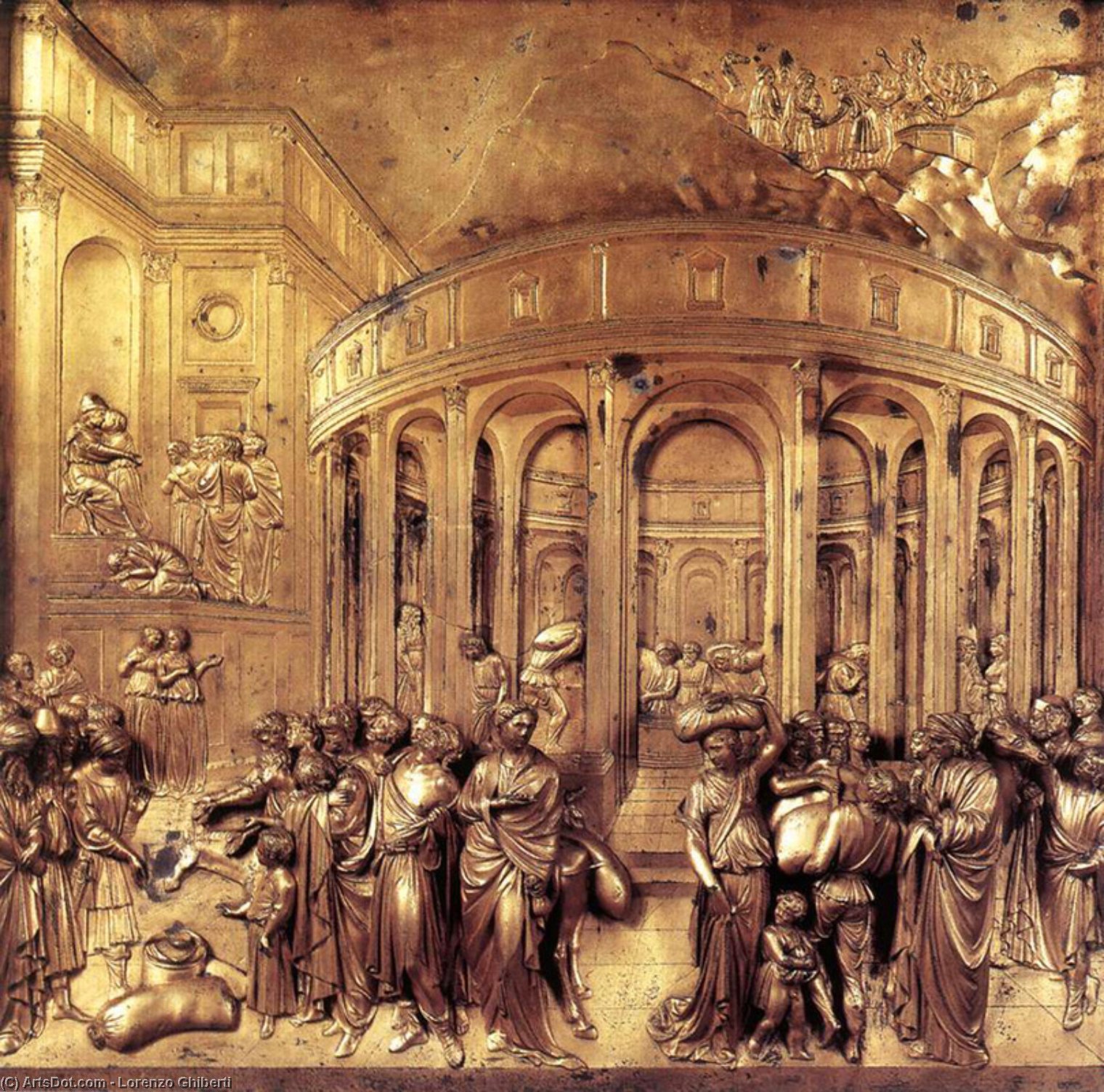
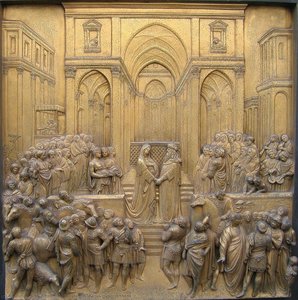
Discovery of the Golden Cup
 Bronze
- Sculpture
- Early Renaissance
 1425
1425 80.0 x 79.0 cm
 Baptistry
 Read More
Giclée / Art Print
Museum-quality giclée or canvas print with fast production and flexible finish options. ( Buy Hand Made Painting Buy Image)




































Pick from our preset sizes that match the artwork's original proportions.

You may enter your own dimensions to fit a specific frame or space. If your selected size does not match the original image's proportions, we will either crop the artwork or extend the image with a mirrored or solid-fill edge. A digital mockup will be sent for your approval before production begins.
Please note that the on-screen preview does not reflect the actual cropping or extension. Only the mockup will accurately show the final composition.
While custom sizes are available, we recommend selecting a dimension from the predefined list to preserve the original proportions.
Worldwide Delivery () in 2 weeks instead of standard 4/5 weeks. (25 August)

Free Worldwide Express Shipping

High-Quality Linen Canvas

Full Shipping Insurance

Customs Tax Refund Guarantee

True Color Matching Guarantee

60-Day Return Policy (Defects Only)

100% Money-Back Guarantee

Bulk Discount Offer
 Glass option is only available in size under 110 CM

Discovery of the Golden Cup
Giclée / Art Print
Reproduction Size
-


Total Price
$ 63
Collectible Description
A Renaissance Revelation: Unveiling Ghiberti’s “Discovery of the Golden Cup”
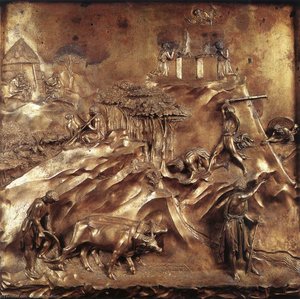
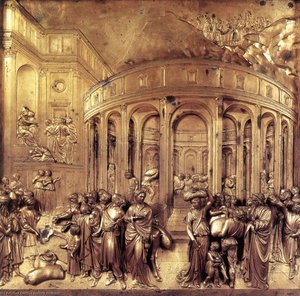
Lorenzo Ghiberti's "Discovery of the Golden Cup," crafted in 1425, isn’t merely a depiction of a biblical scene; it’s a vibrant testament to the burgeoning spirit of the Early Renaissance. This exquisite relief sculpture, housed within ArtsDot’s meticulously rendered reproductions, transports us back to Florence and offers a profound glimpse into the artistic ideals that defined an era. The work centers on the pivotal moment from the Book of Genesis when Joseph presents his father Jacob with a golden cup, a gift bestowed upon him by Pharaoh – an event laden with symbolism and representing divine favor.
The composition immediately commands attention through its masterful use of perspective and light. Ghiberti, drawing heavily on classical Roman architectural principles, constructs a grand, circular colonnade that anchors the scene, creating a sense of both stability and boundless space. The figures – Joseph, Mary, Jacob, and the attendant angels – are arranged with an almost sculptural precision, their poses conveying a carefully orchestrated narrative. Notice how Ghiberti subtly flattens the perspective, a technique common in relief sculpture, yet skillfully employs overlapping forms and receding lines to generate a convincing illusion of depth. The dominant golden-brown palette, rich in warm hues, imbues the scene with an atmosphere of reverence and solemnity, mirroring the sacred nature of the event.
The Language of Bronze: Technique and Artistic Innovation
Crafted from bronze – a material highly valued for its durability and ability to capture intricate detail – “Discovery of the Golden Cup” exemplifies Ghiberti’s unparalleled mastery of technique. The artist's skill is immediately apparent in the meticulous rendering of drapery, facial features, and ornamentation. Each fold of fabric, each expression on a face, is sculpted with astonishing precision, revealing an intimate understanding of human anatomy and emotion. The use of shading creates a remarkable sense of three-dimensionality, mimicking the effect of polished wood or stone – a testament to Ghiberti’s ability to translate classical forms into a new artistic language.
Furthermore, Ghiberti's approach demonstrates an innovative understanding of perspective and composition. The figures are not simply arranged; they are strategically positioned to guide the viewer’s eye through the scene, emphasizing key elements and creating a dynamic flow. The influence of classical Roman art is undeniable in the architectural setting – the arches, columns, and portico evoke the grandeur of ancient temples, while simultaneously reflecting the humanist ideals that were gaining prominence during the Renaissance. This careful balance between tradition and innovation solidified Ghiberti’s reputation as one of Florence's most gifted sculptors.
Symbolism and Spiritual Resonance
Beyond its technical brilliance, “Discovery of the Golden Cup” is rich in symbolic meaning. The golden cup itself represents divine favor and blessing, while the presentation scene underscores themes of faith, obedience, and familial love. The inclusion of angels above elevates the narrative to a spiritual realm, reinforcing the sacredness of the event. Even the clothing worn by the figures – classical Roman attire – subtly connects the biblical story to the cultural heritage of Florence, highlighting the city’s role as a center of artistic and intellectual innovation.
Ultimately, Ghiberti's masterpiece transcends its historical context, offering a timeless meditation on faith, family, and the enduring power of human creativity. ArtsDot’s hand-painted reproductions capture not only the visual splendor of this remarkable sculpture but also the profound emotional resonance that continues to captivate viewers centuries later. Whether adorning a grand salon or a private study, this artwork serves as a powerful reminder of the beauty and intellectual depth of the Renaissance.
Related Artworks

Artist Biography
A Florentine Renaissance Forged in Bronze: The Life and Legacy of Lorenzo Ghiberti
Born in 1378 near Florence, Italy, Lorenzo di Bartolo – a name that would become synonymous with artistic innovation as Lorenzo Ghiberti – embarked on a journey that would redefine the possibilities of sculpture. His early life was steeped in the practical artistry of goldsmithing, nurtured under the tutelage of his stepfather, Bartolo di Michele. This foundational training instilled within him an unparalleled mastery of metalwork, a skill he would later elevate to breathtaking heights. However, Ghiberti’s ambitions extended beyond the confines of the workshop; formal painting lessons from Gherardo Starnina broadened his artistic horizons, laying the groundwork for a multifaceted talent that would soon captivate Florence. A period spent in Rimini, assisting Carlo I Malatesta with frescoes during the outbreak of plague in 1400, further honed his sensibilities and exposed him to diverse artistic currents. Little did he know, these formative experiences were preparing him for a competition that would launch his career into immortality.The Baptistery Doors: A Triumph of Skill and Vision
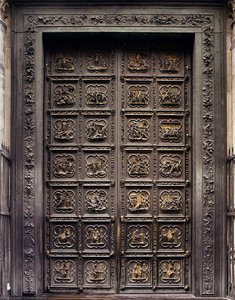
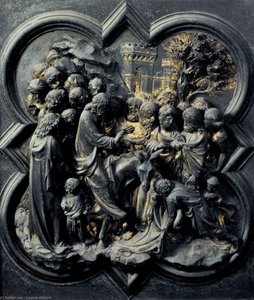
In 1401, Florence held a contest to select an artist to create new bronze doors for the city’s Baptistery – a commission considered the most prestigious in the region. Ghiberti entered this arena alongside some of the era's brightest minds, including the formidable Filippo Brunelleschi. The challenge: to depict the *Sacrifice of Isaac* in relief. Ghiberti’s panel was not merely a demonstration of technical skill; it was a revelation. His innovative approach, characterized by graceful figures and a sophisticated understanding of perspective, secured his victory. This triumph wasn't simply about winning a commission; it was a declaration of a new artistic sensibility. He began work on the North Doors, a project that would consume over two decades and transform the Baptistery into a showcase of Renaissance artistry. Ghiberti’s workshop became a vibrant hub for emerging talent, nurturing future masters like Donatello, Masolino, and Paolo Uccello – a testament to his generosity and influence as a mentor.The “Gates of Paradise”: A Masterpiece Unveiled
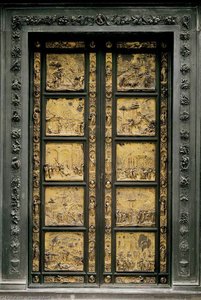
Following the resounding success of the North Doors, Ghiberti was entrusted with an even more ambitious undertaking: the creation of a second set for the Baptistery’s east entrance. These doors, completed in 1452, would become his magnum opus – and earn him a nickname bestowed by none other than Michelangelo himself: the “Gates of Paradise.” Each panel depicts scenes from the Old Testament with an unprecedented level of realism, detail, and emotional depth. Ghiberti’s mastery of bronze casting and relief sculpture reached its zenith in these works. The panels aren't merely representations of biblical stories; they are immersive narratives brought to life through meticulous attention to anatomy, drapery, and spatial relationships. He pioneered the use of perspective to create a sense of depth and realism that was revolutionary for his time.Style, Influences, and Lasting Impact
Ghiberti’s artistic style represents a beautiful synthesis of Gothic elegance and the burgeoning principles of Renaissance humanism. While rooted in the traditions of medieval craftsmanship, he embraced classical antiquity, incorporating elements of Roman art and sculpture into his work. This fusion created a unique aesthetic that was both refined and emotionally resonant. He wasn't simply imitating the past; he was reinterpreting it through a distinctly Renaissance lens. Beyond his artistic achievements, Ghiberti left behind a valuable intellectual legacy in the form of *Commentarii*, an autobiographical treatise on art history, theory, and technique – one of the earliest examples of its kind by an artist. He died in Florence in 1455, leaving behind a body of work that profoundly influenced subsequent generations of artists. His innovations paved the way for masters like Leonardo da Vinci and Michelangelo, solidifying his place as a pivotal figure in Western art history. Ghiberti’s contributions were instrumental in establishing Florence as a leading artistic center during the Renaissance, and the “Gates of Paradise” remain an enduring symbol of Florentine civic pride and artistic achievement.A Legacy Cast in Bronze
The historical significance of Lorenzo Ghiberti extends far beyond his technical brilliance. He embodied the spirit of the Early Renaissance – a period marked by intellectual curiosity, artistic innovation, and a renewed appreciation for classical learning. His work not only transformed the aesthetic landscape of Florence but also helped to define the humanist ideals that would shape Western culture for centuries to come. Ghiberti’s meticulous attention to detail, his mastery of perspective, and his ability to imbue his sculptures with emotional depth set a new standard for artistic excellence. His legacy continues to inspire artists and art lovers alike, reminding us of the power of human creativity and the enduring beauty of Renaissance artistry.- Major Works: North Doors & East Doors (Gates of Paradise) – Florence Baptistery, Bronze Statues for Orsanmichele.
- Key Influences: Gothic Art, Classical Antiquity, Renaissance Humanism.
- Artistic Style: Blending Gothic elegance with emerging Renaissance principles; naturalistic depictions, innovative use of perspective.
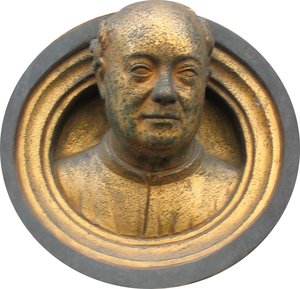
Lorenzo Ghiberti
1378 - 1455 , Italy
Quick Facts
- Artistic Movement Or Style: Early Renaissance
- Artists Or Movements Influenced By This Artist:
- Donatello
- Masolino
- Paolo Uccello
- Michelangelo
- Artists Who Influenced This Artist:
- Gherardo Starnina
- Bartolo di Michele
- Date Of Birth: 1378
- Date Of Death: 1455
- Full Name: Lorenzo Ghiberti
- Nationality: Italian
- Notable Artworks:
- Gates of Paradise
- Sacrifice of Isaac
- Discovery of the Golden Cup
- The Baptism of Christ
- Place Of Birth: Florence, Italy
Related Articles

Bronze Sculptures That Defined Art History | ArtsDot
Journey through art history with our Top 10 bronze sculptures! Explore masterpieces by Rodin, Michelangelo & more. Discover stories behind iconic statues and find museum-quality reproductions for your home decor at ArtsDot.com.

The Enduring Form: Exploring Themes & Techniques in Sculpture Across Historical Periods
Explore the rich history of sculpture from ancient masterpieces to contemporary innovations. Discover key techniques, influential artists & investment potential for discerning art collectors.

Bronze Age to Modern Masters: 10 Sculptures That Redefined Art | ArtsDot
Journey through art history with 10 legendary bronze sculptures – from Michelangelo's David to Rodin’s Thinker. Explore the stories, techniques & timeless beauty of these masterpieces. Find museum-quality reproductions & elevate your home decor on ArtsDot.com.
The Enduring Form: Sculpture Across History, Technique & Emotional Resonance
Explore the rich history of sculpture with ArtsDot. Discover key techniques, influential artists & investment potential for discerning collectors. Expert insights into valuing and collecting timeless masterpieces.

The Enduring Legacy of Bronze Sculpture: A Collector's Guide to Form & Cultural Significance
Explore the rich history & enduring appeal of bronze sculpture with expert insights for collectors at ArtsDot. Learn about casting techniques, iconic artists, and collecting tips to build a discerning art collection.