Preview
 Send
Send Share
Share
 Details

 Download
 Similars
 X-Ray
X-Ray Diaporama
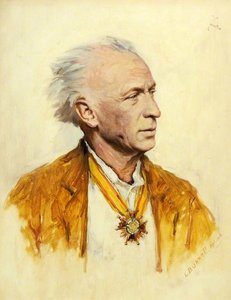
Charles Lummis (1859–1928), Los Angeles
 1919
1919 42.0 x 33.0 cm
 Read More
Giclée / Art Print
Museum-quality giclée or canvas print with fast production and flexible finish options. ( Buy Hand Made Painting Buy Image)




































Pick from our preset sizes that match the artwork's original proportions.

You may enter your own dimensions to fit a specific frame or space. If your selected size does not match the original image's proportions, we will either crop the artwork or extend the image with a mirrored or solid-fill edge. A digital mockup will be sent for your approval before production begins.
Please note that the on-screen preview does not reflect the actual cropping or extension. Only the mockup will accurately show the final composition.
While custom sizes are available, we recommend selecting a dimension from the predefined list to preserve the original proportions.
Worldwide Delivery () in 2 weeks instead of standard 4/5 weeks. (28 August)

Free Worldwide Express Shipping

High-Quality Linen Canvas

Full Shipping Insurance

Customs Tax Refund Guarantee

True Color Matching Guarantee

60-Day Return Policy (Defects Only)

100% Money-Back Guarantee

Bulk Discount Offer
 Glass option is only available in size under 110 CM

Charles Lummis (1859–1928), Los Angeles
Giclée / Art Print
Reproduction Size
-


Total Price
$ 63
Related Artworks
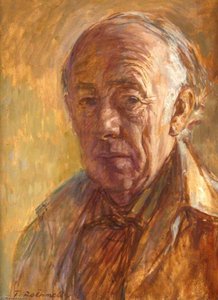
Artist Biography
A Miniature Master’s Journey Through Art and Life
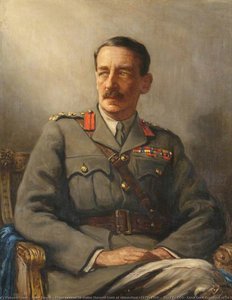
Louisa Harriet “Louie” Burrell, born in 1873, stands as a remarkable figure in British art history, celebrated primarily for her exquisite miniature portraits—a genre she perfected with unparalleled sensitivity and skill. Born into an artistic lineage, the daughter of sculptor William Luker and painter Ada Margetts, Burrell’s very existence was steeped in the language of visual expression. This formative upbringing instilled within her a profound appreciation for the nuances of light and form from her earliest years. However, her path to mastery was not without resistance; her parents initially sought to divert her from the easel, sending her away to teach art in a local school. Yet, this early obstacle only served to fuel a fierce determination, transforming a childhood passion into an independent professional pursuit that would eventually span continents and decades.
Her formal training at the South Kensington Art School provided the technical foundation upon which she built her career, but it was her scholarship to the Bushey School of\nArt that proved truly pivotal. Under the tutelage of the celebrated landscape painter and portraitist Hubert von Herkomer, Burrell’s artistic vision began to coalesce. Herkomer’s profound emphasis on meticulous observation and tonal harmony left an indelible mark on her technique, a characteristic that would permeate her entire oeuvre. During this formative period, she gained significant recognition within the prestigious halls of the Royal Academy of Arts, where her miniature paintings were displayed alongside established masters, marking her emergence as a rising star in the British art scene.
Resilience Amidst Transformation
The trajectory of Burrell’s life was marked by both daring adventure and profound personal tragedy. Seeking greater artistic freedom beyond the constraints of London, she embarked on a transformative relocation to Cape Town, South Africa. It was here that she married Philip Burrell, a union that brought brief moments of joy before being met with devastating loss. Tragically, Philip succumbed to a heart attack during a transatlantic voyage, leaving Burrell to navigate a world of sudden hardship and heartbreak. Rather than allowing grief to extinguish her creative flame, Burrell demonstrated an extraordinary resilience, persevering through the most difficult chapters of her life to maintain her standing in the art world.
Following her time in South Africa, her journey took her across much of the globe, including experiences in Canada and the United States. This nomadic existence enriched her perspective, allowing her to bring a diverse range of influences back to her studio. Upon returning to London, she established a studio in Knightsbridge, dedicating herself once more to the delicate art of portraiture. Her ability to capture the essence of her subjects through the intimate medium of miniatures allowed her to connect with a wide array of clientele, from the upper echelons of British society to figures encountered during her travels.
Legacy and Artistic Significance
The historical significance of Louie Burrell lies not only in the technical perfection of her miniatures but in her role as a woman artist who navigated the complexities of her era with grace and autonomy. Her work remains a testament to the enduring power of the miniature genre, capturing fleeting moments of human emotion with a precision that larger canvases often struggle to achieve. Her life’s work serves as a bridge between the traditional academic training of the 19th century and the evolving sensibilities of the early 20th century.
Reflecting on her contributions, several key elements define her artistic identity:
- Technical Mastery: Her ability to utilize tonal harmony and delicate brushwork to create lifelike depth in a miniature format.
- Artistic Lineage: A career deeply rooted in the traditions of her sculptor and painter parents, yet defined by her own independent voice.
- Global Perspective: An oeuvre shaped by her travels through South Africa, North America, and beyond, bringing a cosmopolitan touch to British portraiture.
- Enduring Spirit: A legacy characterized by the triumph of creative passion over personal adversity and societal expectations.
Quick Facts
- Artistic Movement Or Style: Miniaturist
- Artists Or Movements Influenced By This Artist: ['Royal Miniature Society']
- Artists Who Influenced This Artist: ['Hubert von Herkomer']
- Date Of Death: 1971
- Full Name: Louisa Harriet "Louie" Burrell
- Nationality: British
- Notable Artworks:
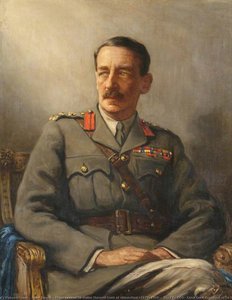
- Major General Sir Walter Maxwell Scott of Abbotsford
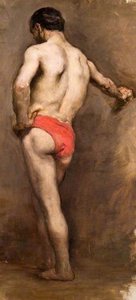
- Man in Red Trunks
- Place Of Birth: London, England