 Preview
 Send
Send Share
Share
 Details

 Download
 Similars
 X-Ray
X-Ray Diaporama
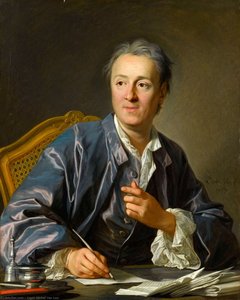
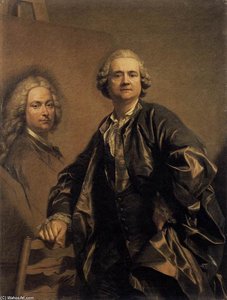
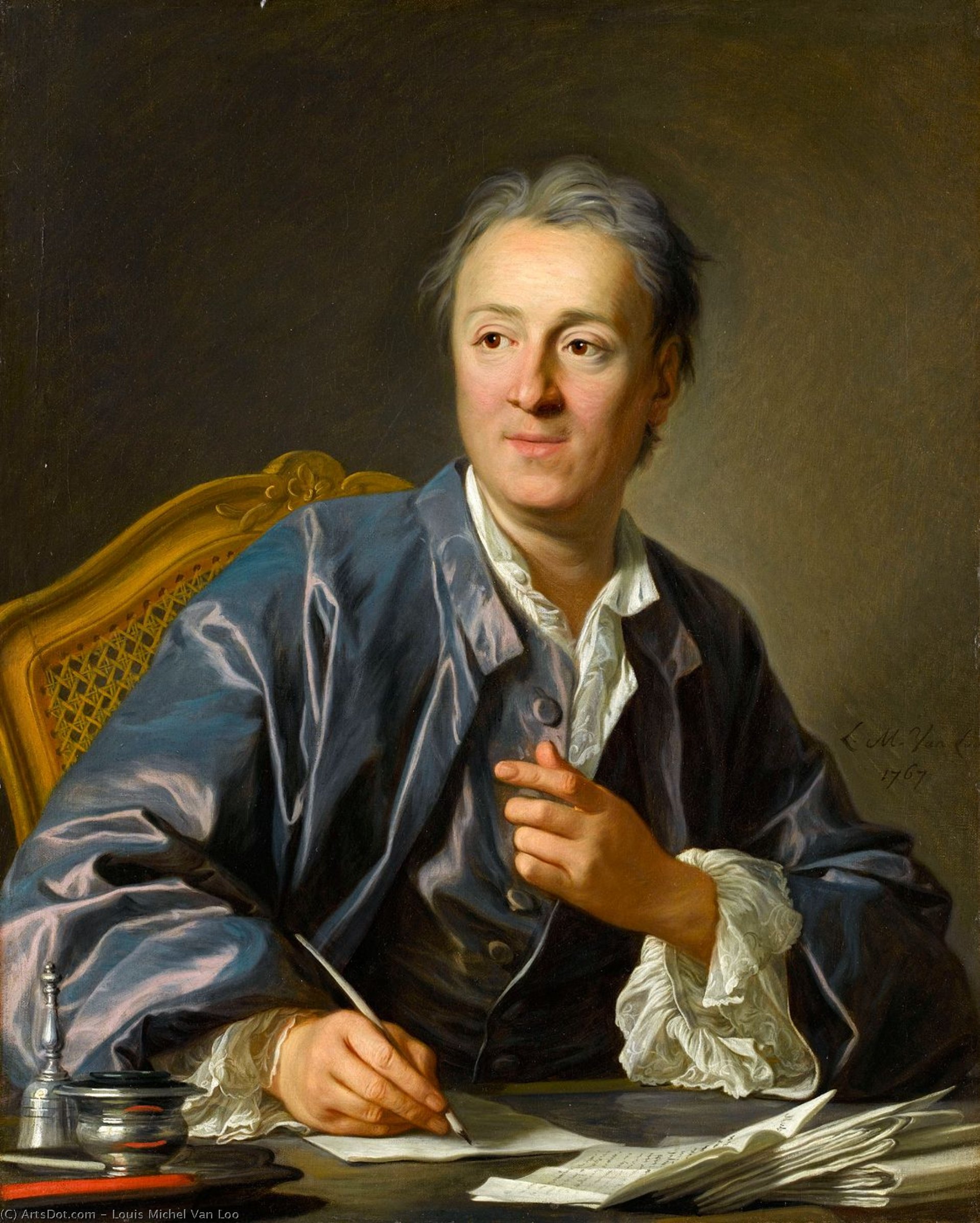
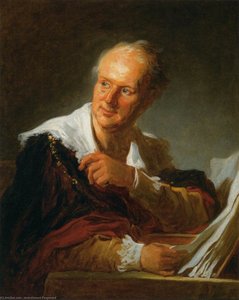
Portrait of Denis Diderot
 Acrylic On Canvas
- WallArt
- Rococo Portraiture
 1767
1767 81.0 x 65.0 cm
 The Louvre
 Read More
Hand Made Oil Reproduction
Hand-painted oil on canvas in your size and frame, made to order by our artists. ( Buy Print Buy Image)




P118B $10

P118H $10

P118W $10

P438Z $10

P508JH $12

P508YH $12

P805H $10

P805Z $10

P919BZ $10

P919G $10

P919XJ $10

P959ZH $10

P968JZ $12

W106C $8

W218G $10

W218JH $8

W218Y $10

W307PJ $10

W316G $10

W316PJ $8

W316Y $10

W398PJ $8

W4111J $10

W500HY $15

W500JH $15

W692G $12

W849H $8

W940BG $15

W953PJ $8




Pick from our preset sizes that match the artwork's original proportions.

You may enter your own dimensions to fit a specific frame or space. If your selected size does not match the original image's proportions, we will either crop the artwork or extend the painting with additional hand-painted elements. A digital mockup will be sent for your approval before production begins.
Please note that the on-screen preview does not reflect the actual cropping or extension. Only the mockup will accurately show the final composition.
While custom sizes are available, we recommend selecting a dimension from the predefined list to preserve the original proportions.
After order, ArtsDot.com team will email client for instructions and provide a mockup preview
Worldwide Delivery () in 3/4 weeks instead of standard 5 weeks. (17 August). No compromise on quality.

Free Worldwide Express Shipping

High-Quality Linen Canvas

Full Shipping Insurance

Customs Tax Refund Guarantee

True Color Matching Guarantee

60-Day Return Policy (Defects Only)

100% Money-Back Guarantee

Bulk Discount Offer
 Glass option is only available in size under 110 CM

Portrait of Denis Diderot
Reproduction Medium
Reproduction Size
-


Total Price
$ 263
Artwork Description
A Portrait of Enlightenment: Denis Diderot in Van Loo’s Refined World
Louis Michel van Loo's "Portrait of Denis Diderot," painted in 1767, is more than just a likeness; it’s a carefully constructed tableau vivant—a snapshot of the intellectual fervor and artistic currents defining late 18th-century France. This captivating work offers a glimpse into the life of one of history's most influential thinkers, Denis Diderot, as he navigated the complex world of philosophical debate and artistic patronage. Van Loo, already established as a royal court painter known for his elegant and meticulously detailed portraits, masterfully captures Diderot’s intellectual intensity within a setting that speaks volumes about his character and the era in which he lived.
The painting immediately draws the eye to Diderot himself. He is depicted seated at a substantial desk, surrounded by an array of books and papers—evidence of his tireless pursuit of knowledge and his role as chief editor of the Encyclopédie. His posture, alert and engaged, suggests a man deeply immersed in thought, while his mustache – a fashionable accessory of the time, meticulously rendered by Van Loo – adds to his air of learned authority. The subtle tilt of his head, combined with the direct gaze towards the viewer, creates an intimate connection, inviting us into his world of ideas.
The Language of Rococo: Style and Technique
Van Loo’s style is quintessential Rococo—characterized by its graceful lines, delicate colors, and emphasis on luxurious detail. The composition is meticulously balanced, with the ornate chair providing a grounding element while Diderot's figure occupies the central space. Notice the use of light; it’s diffused and flattering, illuminating Diderot’s face and highlighting the textures of his clothing and the books surrounding him. Van Loo employs a technique known as “clair-obscur,” skillfully manipulating light and shadow to create depth and volume, lending a dramatic quality to the scene.
The artist's attention to detail is remarkable. The fabrics of Diderot’s jacket are rendered with incredible realism, showcasing the intricate weave and subtle folds. Similarly, the books on his desk—a collection of philosophical treatises and literary works—are depicted with a level of precision that suggests Van Loo’s deep understanding of their subject matter. The inclusion of a cup and quill further reinforces Diderot's role as a writer and intellectual.
Symbolism and Context: A Man of the Age
Beyond the portrait itself, the setting provides crucial context for understanding Diderot’s life and work. The presence of multiple chairs—one occupied by Diderot, another further back—suggests a space dedicated to intellectual exchange and debate. The books themselves are symbolic of the Enlightenment's emphasis on reason, knowledge, and critical inquiry. Wigs were also an important part of 18th-century portraits, and their presence here speaks to the formality and social conventions of the time.
Diderot’s association with the Encyclopédie is central to interpreting this portrait. The project aimed to compile all human knowledge into a single accessible volume, challenging established authorities and promoting intellectual freedom. Van Loo's depiction subtly celebrates Diderot's role as a champion of these ideals, presenting him not merely as a philosopher but as a figure of progressive thought.
A Legacy of Influence: Reproduction Possibilities
This exquisite portrait by Louis Michel van Loo offers a remarkable window into the world of 18th-century intellectual life. ArtsDot is proud to offer meticulously crafted, hand-painted reproductions that faithfully capture the artistry and nuance of this iconic work. Whether you are an art collector, interior designer seeking to infuse your space with historical elegance, or simply an admirer of fine art, a reproduction of “Portrait of Denis Diderot” provides a tangible connection to one of history’s most influential figures. Explore our high-quality reproductions and bring this captivating image into your home today.
Related Artworks
Artist Biography
A Legacy of Royal Portraits: The Life and Art of Louis-Michel van Loo
Born in Toulon, France, on March 2nd, 1707, Louis-Michel van Loo emerged from a distinguished lineage of artists. His father, Jean-Baptiste van Loo, served as his initial mentor, laying the foundation for a career that would see him become one of the most sought-after portraitists of the 18th century. This early training was supplemented by studies in Turin and Rome, cities brimming with artistic innovation and historical grandeur, where he absorbed the prevailing aesthetic currents. Even at this nascent stage, van Loo demonstrated exceptional talent, earning a prize from the prestigious Académie Royale de Peinture et de Sculpture in Paris in 1725 – a testament to his burgeoning skill and promise. This recognition propelled him onto a path that would lead to royal courts and enduring artistic acclaim.From Rome to Madrid: Establishing a Royal Reputation
Van Loo’s artistic journey took a significant turn with travels alongside his uncle, Charles-André van Loo, to Rome in 1727. This period of immersion in the Roman art scene further refined his vision and technique. However, it was his appointment as court painter to King Philip V of Spain in Madrid in 1736 that truly cemented his position within the European artistic hierarchy. This wasn’t merely a professional opportunity; it was an entry into a world of power, prestige, and patronage. He quickly became instrumental in shaping the visual representation of the Spanish monarchy, crafting portraits designed to project authority and embody the splendor of the court. His skill didn't go unnoticed within the Spanish art community either, as he became a founding member of the Royal Academy of Fine Arts of San Fernando in Madrid in 1752, solidifying his influence and legacy within Spain’s artistic landscape. He skillfully navigated the demands of royal portraiture, balancing adherence to convention with an emerging personal style that emphasized both likeness and social standing.Return to Paris and the Zenith of Rococo Portraiture
In 1753, van Loo returned to Paris, a city now eager to embrace his talents. He found himself in high demand among the French aristocracy, receiving commissions for portraits of King Louis XV and numerous other prominent figures. This period marked the full flowering of his artistic maturity. His style evolved into a refined expression of the Rococo aesthetic – characterized by elegance, grace, and meticulous attention to detail. Van Loo possessed an exceptional ability to capture not only the physical likeness of his sitters but also their social status and personality. He masterfully rendered textures—the shimmering silk of gowns, the sparkle of jewels, the delicate flush of skin—creating portraits that were both realistic and idealized. In 1765, he further ascended within the French art world by succeeding his uncle Charles-André as director of the École Royale des Élèves Protégés, a prestigious school dedicated to nurturing promising young artists. This appointment underscored his commitment to artistic education and his position as a leading figure in the French Academy.Later Years and Enduring Influence
Van Loo continued to receive significant commissions throughout the latter part of his life. In 1766, he painted a striking portrait of Sebastião de Melo, Marquis of Pombal, the influential Portuguese statesman – a work that showcased his ability to capture both power and intellect. His family’s artistic legacy was further enriched by the accomplishments of his brothers, François van Loo and Charles-Amédée-Philippe van Loo, all contributing to a dynasty of talented painters. Louis-Michel van Loo passed away in Paris on March 20th, 1771, leaving behind a body of work that epitomized the height of Rococo portraiture. His paintings remain celebrated for their technical brilliance, artistic sensitivity, and ability to capture the opulence and sophistication of 18th-century European courts. His influence can be seen in the works of subsequent generations of portrait artists, who admired his skill in conveying both physical resemblance and social standing.Artistic Style and Historical Significance
Van Loo’s artistic style is defined by its elegant compositions, refined brushwork, and flattering depictions of his subjects. He was a master of capturing the nuances of texture and light, creating portraits that possessed both realism and an air of aristocratic refinement. Influenced by artists like Hyacinthe Rigaud, he developed a distinctive approach to portraiture that emphasized not only likeness but also the projection of power and social status. His portraits frequently depict his subjects within elaborate settings, surrounded by symbols of their wealth and influence – reinforcing their position within the social hierarchy. Van Loo’s work played a crucial role in shaping the visual image of European royalty during the 18th century. These portraits weren't simply artistic representations; they were powerful tools for projecting authority, prestige, and legitimacy. He remains an important figure in the history of portraiture, celebrated for his technical skill, artistic sensitivity, and enduring ability to capture the essence of his subjects – a legacy that continues to resonate with art enthusiasts today.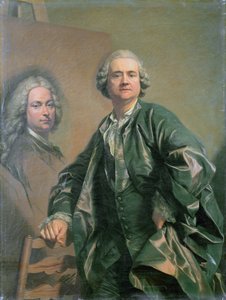
Louis Michel van Loo
1707 - 1771 , France
Quick Facts
- Artistic Movement Or Style: Rococo
- Artists Who Influenced This Artist: ['Hyacinthe Rigaud']
- Date Of Birth: March 2, 1707
- Date Of Death: March 20, 1771
- Full Name: Louis-Michel van Loo
- Nationality: French
- Notable Artworks:
- Portrait of Denis Diderot
- Princess Ekaterina Golitsyna
- Comte de Maurepas
- Louise Élisabeth of France
- Place Of Birth: Toulon, France
Related Articles
Van Gogh's Masterpieces: Explore 25 Iconic Paintings & Art for Your Home
Journey through Vincent van Gogh's 25 most iconic paintings! Explore 'Starry Night', 'Sunflowers,' and more—discover the stories, techniques & emotions behind these Post-Impressionist masterpieces. Find museum-quality art reproductions for your home at ArtsDot.com.
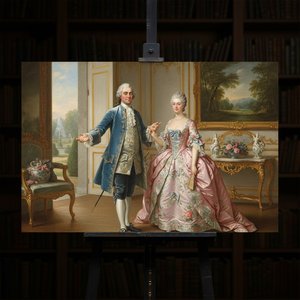
Charles-André van Loo: A Study in Rococo Portraiture & the French Court's Artistic Dynamics
Explore the elegant world of Charles-André van Loo, a master of Rococo portraiture at the French court. Discover his life, techniques, and enduring influence on 18th-century art. Hand-painted reproductions available.

Rembrandt's Masterpieces: Explore 25 Iconic Paintings & Prints | ArtsDot
Journey through Rembrandt van Rijn's 25 most iconic paintings & etchings. Explore Dutch Golden Age masterpieces, dramatic chiaroscuro, and timeless portraits. Find museum-quality art reproductions to elevate your home decor on ArtsDot.com.

Rococo's Radiant Legacy: 10 Masterpieces for Your Home |
Indulge in the elegance of Rococo! Explore 10 masterpieces by Fragonard, Boucher & Watteau. Discover the stories behind these iconic paintings and bring timeless art to your home with museum-quality reproductions from .
Early Netherlandish Masters: 10 Paintings That Revolutionized Art & Decor
Journey into the world of Early Netherlandish painting! Explore 10 masterpieces by Jan van Eyck, Rogier van der Weyden & more. Discover stunning detail, symbolism & Renaissance art for your home decor. Find museum-quality reproductions on ArtsDot.com