

 Preview
 Send
Send Share
Share
 Details

 Download
 Similars
 X-Ray
X-Ray Diaporama
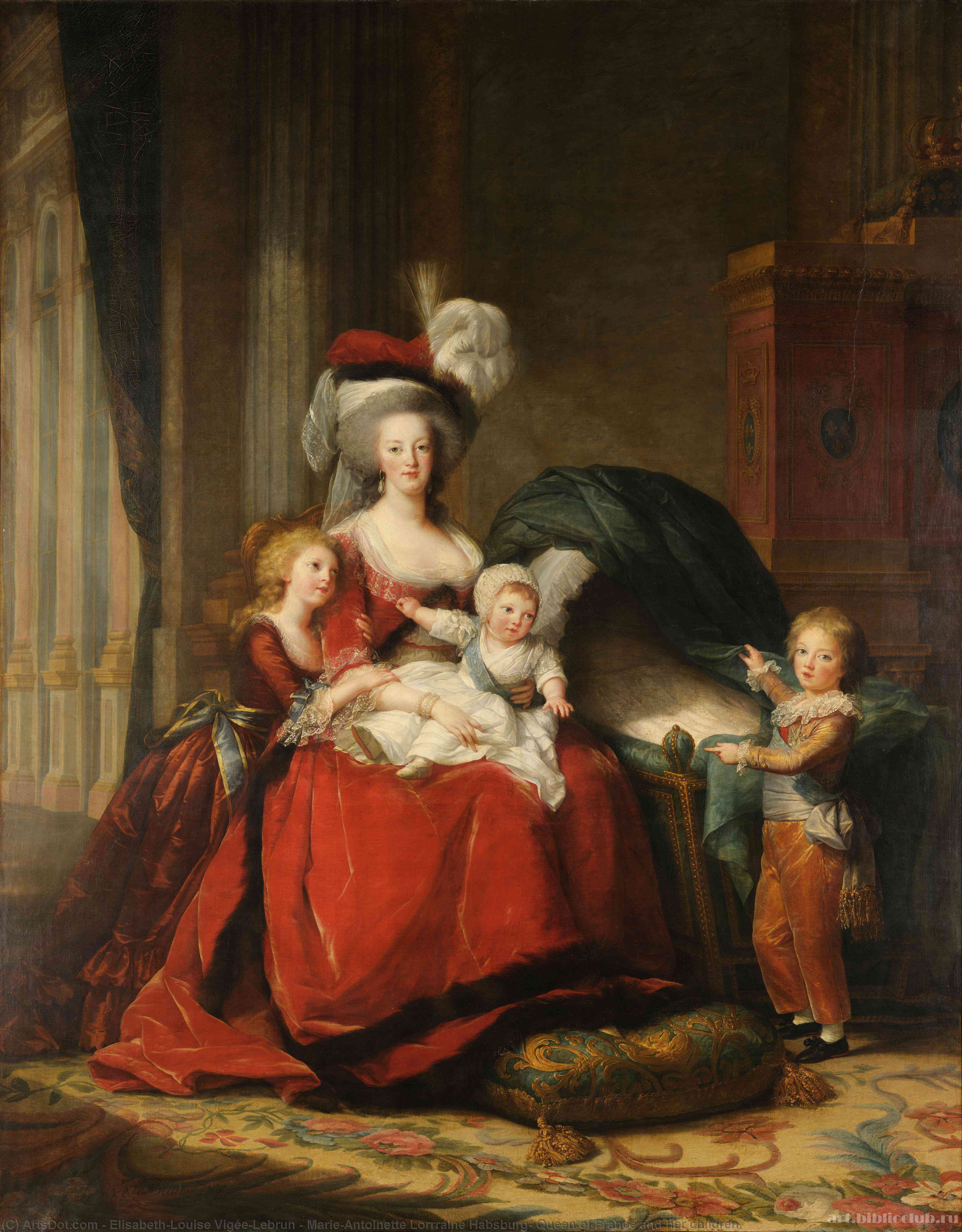
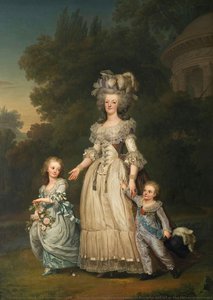
Marie-Antoinette Lorrraine Habsburg, Queen of France and her children.


 Read More
Purchase a high-resolution, enhanced digital image, far superior to the online preview.
Each file is meticulously prepared by our in-house specialists using advanced tools and expert manual retouching. We ensure every image has exceptional clarity, precise color accuracy, and fine detail.
The final file is delivered via email within 72 hours, optimized for immediate use in professional, editorial, and print environments. This is the same quality trusted by top-tier design studios, publishers, and galleries.
Digital Image
Download a high-resolution file for personal display, printing, and creative projects. ( Buy Print Buy Hand Made Painting)
Included in Every Digital Image Order
Expert Digital Delivery, Guaranteed
When you choose ArtsDot.com, you're not just getting an image - you're receiving a professionally enhanced digital artwork, crafted with precision and backed by a satisfaction guarantee. Here's everything that comes with your order, automatically:

Fast Email Delivery
Your high-resolution digital image file will be emailed to you within 72 hours of ordering - ready for immediate use.

AI-Enhanced Digital File
Your artwork is professionally optimized using advanced AI tools and manual editing, ensuring maximum detail, clarity, and color accuracy.

Free Lifetime Re-Delivery
Accidentally deleted or lost your file? No worries - we'll resend it to you anytime, free of charge.

No Import Fees - Ever
Enjoy your artwork instantly with zero customs, duties, or delivery fees - digital downloads are always tax-free.

Color Accuracy Guarantee
We ensure your digital image reflects the original colors as closely as possible using professional tools and color management.

60-Day Satisfaction Guarantee
If you're not satisfied with your digital image, we'll revise it or refund 100% within 60 days - no questions asked.

100% Money-Back Guarantee
Not satisfied? Get a full refund within 60 days of receiving your digital file - no questions asked.

Bulk Order Discounts
Buy 3 images, save 10% - Buy 5, save 15% - Buy 10+, save 20%. Great for creative projects, galleries, and agencies.
Collectible Description
A Royal Portrait of Tenderness and Grace
In the grand tapestry of 18th-century French portraiture, few images resonate with as much warmth and maternal dignity as Louise Élisabeth Vigée Le Brun’s masterpiece, Marie-Antoinette Lorraine Habsburg, Queen of France and her children. This exquisite oil on canvas serves as more than a mere historical record; it is an intimate window into the heart of the Bourbon monarchy. The painting captures the Queen not as a distant, untouchable icon of power, but as a nurturing mother, cradling her infants with a profound sense of devotion. Clad in a striking red dress that commands the viewer's attention, Marie Antoinette sits poised yet accessible, surrounded by the soft presence of her royal progeny. The composition is masterfully balanced, utilizing the subtle depth of a classically appointed room—complete with the soft suggestion of a couch in the background—to create an atmosphere of domestic tranquility amidst the complexities of court life.
The artistry of Vigée Le Brun shines through her command of the Neoclassical style. Moving away from the overly ornate and frothy excesses of the Rococo period, this work embraces the clarity, symmetry, and refined simplicity that defined the late 18th century. Every brushstroke is deliberate, contributing to a sense of structural harmony and natural beauty. The artist employs clean lines and a sophisticated play of light to accentuate the textures of silk and skin, lending a lifelike vitality to the subjects. For the discerning collector or interior designer, this painting offers a perfect blend of classical prestige and emotional accessibility, making it an ideal centerpiece for spaces that demand both elegance and a soulful, human connection.
Beyond its technical brilliance, the painting carries immense historical weight and symbolic depth. As one of the most celebrated female painters of her era, Vigée Le Brun held a unique position in the Royal Academy, enjoying the direct patronage of the very Queen she immortalized. This portrait captures a fleeting moment of familial unity before the tumultuous tides of the French Revolution forever altered the course of history. The symbolism of the maternal bond, paired with the regal splendor of the attire, creates an emotional resonance that transcends time. To possess a high-quality reproduction of this work is to invite a piece of history into one's home—a tribute to the enduring power of grace, the legacy of French Neoclassicism, and the timeless beauty of the human spirit.
Related Artworks
Artist Biography
A Life Painted in Elegance: The World of Louise Élisabeth Vigée Le Brun
Louise Élisabeth Vigée Le Brun, a name synonymous with the grace and refinement of 18th-century French portraiture, was more than just a painter; she was a chronicler of an era, a master of capturing not merely likeness but also the very essence of her sitters. Born in Paris in 1755, her artistic journey began within a family already steeped in the world of art. Her father, Louis Vigée, a successful pastel portraitist, recognized and nurtured her talent from a remarkably young age, providing early instruction that would lay the foundation for a dazzling career. This familial encouragement was crucial, especially after his untimely death when she was just twelve, prompting her mother to seek further training for Louise with established artists like Blaise Bocquet, Pierre Davesne, and Gabriel Briard. These formative years instilled in her not only technical skill but also an appreciation for the nuances of light, color, and composition that would become hallmarks of her style. Even as a young woman, Vigée Le Brun was already earning a living through her art, demonstrating a precocious talent and unwavering dedication to her craft.
Royal Favor and Artistic Flourishing
The turning point in Vigée Le Brun’s career arrived with her commission to paint Marie Antoinette in 1778. This wasn't simply an artistic opportunity; it was an entry into the very heart of French society, a world of opulent courts and discerning patrons. The Queen, initially hesitant about sitting for a portrait, quickly warmed to Vigée Le Brun’s ability to portray her with both dignity and approachability – a delicate balance that few artists could achieve. This commission led to a cascade of further royal portraits, establishing Vigée Le Brun as the official portraitist to Marie Antoinette and solidifying her position within the French aristocracy. Her studio became a hub for the elite, attracting members of high society eager to be immortalized on canvas. She possessed an extraordinary gift for capturing not only physical resemblance but also the personality and social standing of her subjects. This talent, combined with her innate charm and diplomatic skills, allowed her to navigate the complex world of courtly patronage with remarkable success. Her style during this period blended elements of Rococo’s playful elegance with a growing Neoclassical sensibility, resulting in portraits that were both fashionable and timeless.
A Style Defined by Grace and Naturalism
Vigée Le Brun's artistic approach was characterized by a remarkable ability to infuse her portraits with life and emotion. She moved away from the stiff formality of earlier portraiture, opting instead for more natural poses and expressions. Her brushwork was fluid and delicate, creating a sense of softness and luminosity in her paintings. She paid meticulous attention to detail, particularly in the rendering of fabrics, jewelry, and hairstyles – elements that conveyed status and refinement. While influenced by Rococo’s emphasis on pastel shades and decorative flourishes, she also embraced Neoclassical principles of clarity and balance, resulting in a unique style that was both elegant and sophisticated. Notable works like *Self-Portrait with Her Daughter, Julie*, demonstrate her mastery of capturing intimate moments and conveying maternal affection. The numerous portraits of Marie Antoinette, including the iconic depiction of the Queen holding a rose, showcase her ability to portray royalty with both grandeur and humanity. Beyond portraiture, Vigée Le Brun also explored landscape and genre scenes, demonstrating her versatility as an artist.
Exile, Resilience, and Lasting Legacy
The French Revolution irrevocably altered the course of Vigée Le Brun’s life. As a close associate of the royal family, she faced increasing scrutiny and ultimately fled France in 1789 to avoid persecution. This marked the beginning of a period of exile that would take her across Europe – to Russia, Italy, England, Switzerland, and beyond. Despite the upheaval, she continued to paint, finding patronage among European aristocrats and establishing herself as an internationally renowned artist. Her travels broadened her artistic horizons, exposing her to different styles and techniques. Upon returning to France in 1809, she resumed her career, though the political climate had changed dramatically. She published her memoirs, *Souvenirs*, offering a fascinating glimpse into the art world of her time and providing invaluable insights into her life and experiences. Vigée Le Brun’s legacy extends far beyond her technical skill; she was a pioneer for women in the arts, achieving remarkable success in a field dominated by men. Her paintings remain celebrated for their beauty, elegance, and historical significance, offering a captivating window into the world of 18th-century France and solidifying her place as one of history’s most accomplished portraitists. Her ability to capture not just appearances but also the inner lives of her sitters ensures that her work continues to resonate with audiences today.
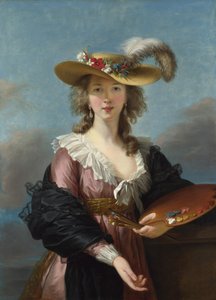
Louise Élisabeth Vigée Le Brun
1755 - 1842 , France
Quick Facts
- Artistic Movement Or Style: Rococo & Neoclassical
- Artists Who Influenced This Artist:
- Rubens
- Van Dyke
- Rembrandt
- Date Of Birth: April 16, 1755
- Date Of Death: 1842
- Full Name: Louise Élisabeth Vigée Le Brun
- Nationality: French
- Notable Artworks:
- Self-Portrait with Julie
- Portraits of Marie Antoinette
- Queen in Rose Dress
- Place Of Birth: Paris, France

