 Preview
 Send
Send Share
Share
 Details

 Download
 Similars
 X-Ray
X-Ray Diaporama
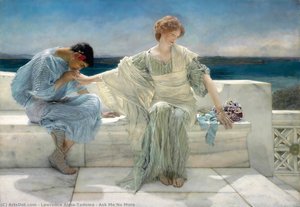
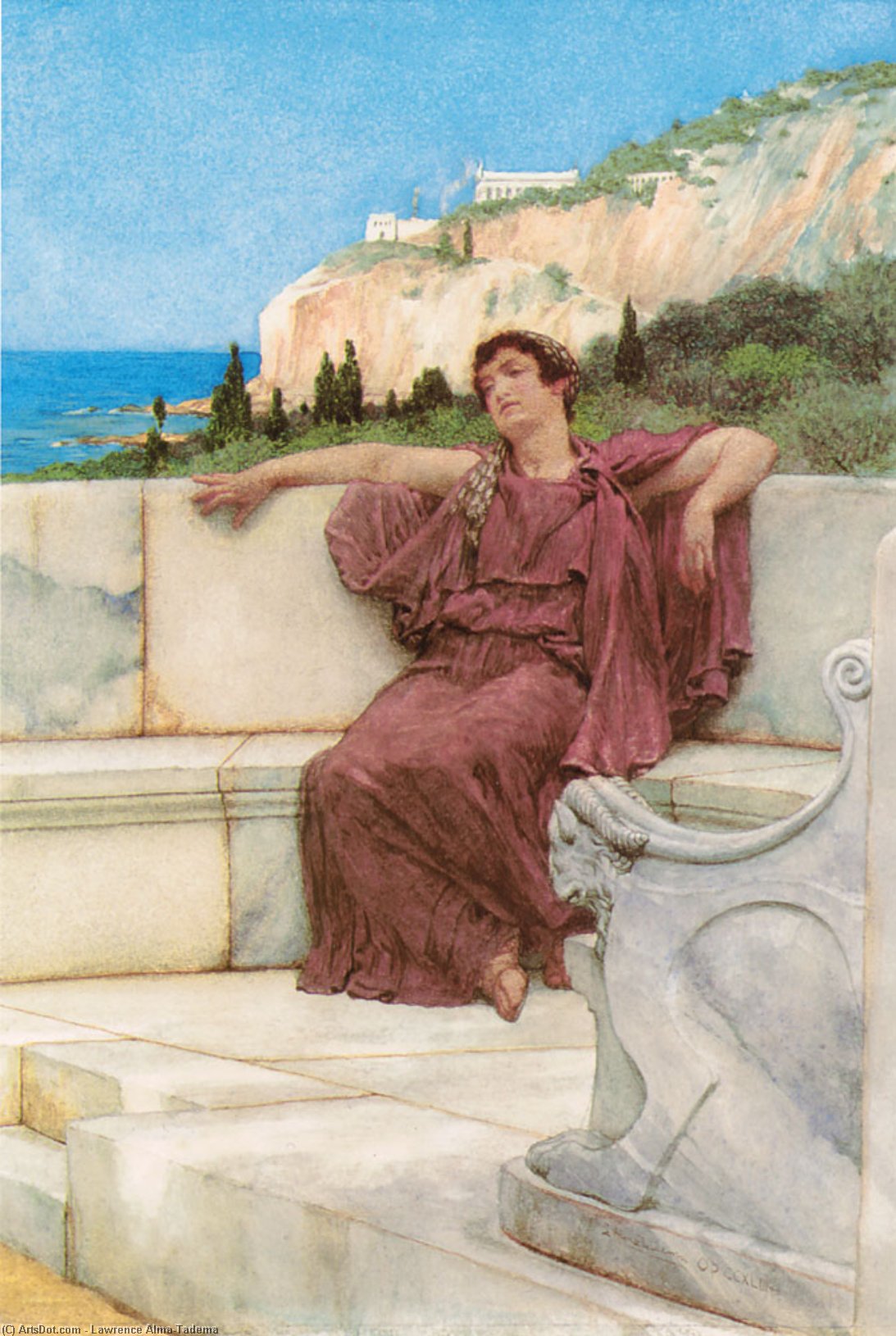
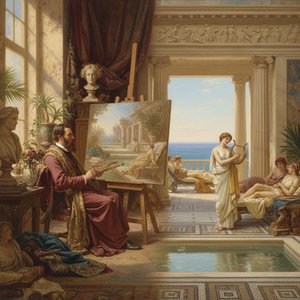
A Female Figure Resting (also known as Dolce far Niente)


 Read More
Hand Made Oil Reproduction
Hand-painted oil on canvas in your size and frame, made to order by our artists. ( Buy Print Buy Image)




P118B $10

P118H $10

P118W $10

P438Z $10

P508JH $12

P508YH $12

P805H $10

P805Z $10

P919BZ $10

P919G $10

P919XJ $10

P959ZH $10

P968JZ $12

W106C $8

W218G $10

W218JH $8

W218Y $10

W307PJ $10

W316G $10

W316PJ $8

W316Y $10

W398PJ $8

W4111J $10

W500HY $15

W500JH $15

W692G $12

W849H $8

W940BG $15

W953PJ $8




Pick from our preset sizes that match the artwork's original proportions.

You may enter your own dimensions to fit a specific frame or space. If your selected size does not match the original image's proportions, we will either crop the artwork or extend the painting with additional hand-painted elements. A digital mockup will be sent for your approval before production begins.
Please note that the on-screen preview does not reflect the actual cropping or extension. Only the mockup will accurately show the final composition.
While custom sizes are available, we recommend selecting a dimension from the predefined list to preserve the original proportions.
After order, ArtsDot.com team will email client for instructions and provide a mockup preview
Worldwide Delivery () in 3/4 weeks instead of standard 5 weeks. (16 August). No compromise on quality.

Free Worldwide Express Shipping

High-Quality Linen Canvas

Full Shipping Insurance

Customs Tax Refund Guarantee

True Color Matching Guarantee

60-Day Return Policy (Defects Only)

100% Money-Back Guarantee

Bulk Discount Offer
 Glass option is only available in size under 110 CM

A Female Figure Resting (also known as Dolce far Niente)
Reproduction Medium
Reproduction Size
-


Total Price
$ 263
Artwork Description
The Allure of Leisure: Capturing Serenity in Alma-Tadema's Vision
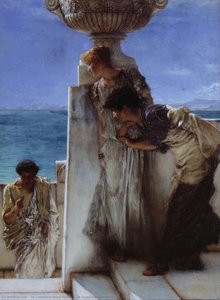
To gaze upon A Female Figure Resting is to step across the threshold into a moment suspended in amber—a perfect tableau of repose. Sir Lawrence Alma-Tadema, with his masterful brush, has gifted us more than just a painting; he has offered an invitation to tranquility itself. The scene unfolds where the cultivated grace of human life meets the eternal rhythm of nature. A woman is depicted settled upon a sturdy stone wall, positioned intimately close to the vast expanse of the ocean. This setting immediately establishes a dialogue between permanence—the enduring stone and the ceaseless tide—and fleeting beauty, embodied by the figure herself.
A Study in Neo-Classical Grace and Detail
Alma-Tadema’s signature style shines through with breathtaking clarity. His work is renowned for its meticulous attention to detail, a hallmark of the Neo-Classical movement that prized idealized forms and historical settings. Here, the lush greenery and carefully placed potted plants do not merely decorate; they participate in the narrative, framing the central subject. The interplay between the vibrant foliage, the cool grey tones of the stone, and the soft blues reflecting from the water speaks to a sophisticated understanding of composition. It is an environment where every leaf seems deliberately placed to enhance the overall sense of peacefulness.
Technique and the Warm Embrace of Light
The technical brilliance evident in this oil on panel piece cannot be overstated. Alma-Tadema employed warm colors and soft, diffused lighting that seem to emanate from within the scene itself. This masterful handling of light bathes the figure and the surrounding landscape in a gentle glow, enhancing the feeling of calm. The technique allows the viewer’s eye to wander effortlessly, first drawn to the relaxed posture of the woman, then following the visual path along the wall, past the verdant life, and finally out toward the horizon. It is an exercise in pictorial harmony.
Symbolism of Dolce Far Niente
The title itself, often associated with Dolce far Niente—the sweet nothingness—encapsulates the painting's emotional core. Symbolically, the artwork speaks to the profound value of unhurried time. The woman’s repose suggests a temporary escape from the demands of modern life, an idealized moment where existence is reduced to simple sensory pleasure: the sound of the waves, the scent of salt and blossoms, and the comfort of stillness. For the contemporary collector or designer, this piece offers not just decoration, but a potent visual antidote to haste.
Bringing Serenity Home
Owning a reproduction of A Female Figure Resting is acquiring a piece of enduring artistry that promises to elevate any interior space. Whether placed in a sunlit drawing-room or a tranquil study, the painting’s inherent serenity acts as a visual balm. It invites contemplation and slows the hurried pace of daily life. To reproduce this masterpiece is to capture Alma-Tadema's ability to transform mere scenery into an emotional sanctuary.
Related Artworks
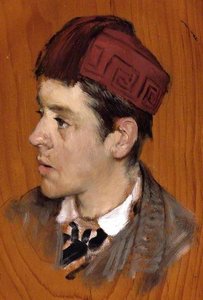
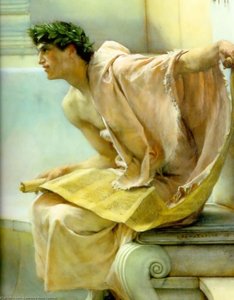
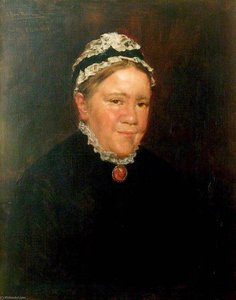
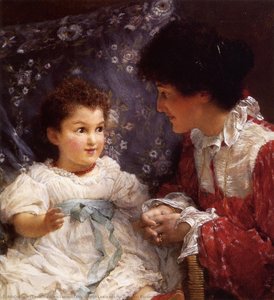
Artist Biography
Early Life and Artistic Training
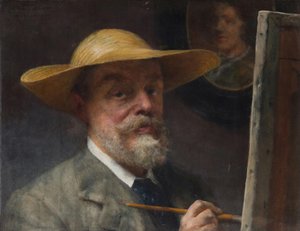
Lourens Alma Tadema, later Lawrence Alma Tadema, was born in Dronryp, Friesland, Netherlands, on January 8, 1836. His father, Pieter Jiltes Tadema, a village notary, had three sons by his first marriage, and his mother, Hinke Dirks Brouwer, was the half sister of Pieter’s first wife. The Tadema family moved to Leeuwarden in 1838 where Pieter's position as a notary would be more lucrative. His father died when Laurens was four, leaving his mother with five children: Laurens, his sister, and three boys from his father’s first marriage. Hinke Brouwer had artistic leanings, and decided that drawing lessons should be incorporated into the children’s education. He received his first art training with a local drawing master hired to teach his older half-brothers. It was intended that Laurens would become a lawyer; but in 1851 he suffered a physical and mental breakdown. Diagnosed as consumptive; given only a short time to live, he was allowed to spend his remaining days at his leisure, drawing and painting. Left to his own devices he regained his health and decided to pursue a career as an artist. In 1852 he entered The Royal Academy of Antwerp where he studied early Dutch and Flemish masters, alongside absorbing the meticulous detail demanded by historical accuracy. During Laurens’ four years as a registered student at the Academy, he won several respectable awards. Before leaving school, towards the end of 1855, he became assistant to the painter Louis Jan de Taeye, whose courses in history and historical costume he had greatly enjoyed at the Academy. De Taeye introduced him to books that influenced his desire to portray Merovingian subjects early in his career. He was encouraged to depict historic accuracy in his paintings, a trait for which the artist became known. Laurens Tadema took this criticism very seriously, and it led him to improve his technique and to become the world’s foremost painter of marble and variegated granite.Exploring Antiquity: Merovingian Mysteries and Egyptian Visions
Laurens Alma Tadema's artistic trajectory began with explorations of Merovingian themes—the Frankish dynasty that ruled after the fall of the Western Roman Empire. These early works, though demonstrating his burgeoning talent for historical detail and narrative composition, didn’t achieve the widespread acclaim he would later find. It is perhaps in this series that Laurens Tadema moved by the deepest feeling and the strongest spirit of romance. He was encouraged to depict historic accuracy in his paintings, a trait for which the artist became known. However Merovingian subjects did not have a wide international appeal, so he switched to themes of life in ancient Egypt, then to the classical world of Greece and Rome. This transition wasn't arbitrary; it reflected a growing public appetite for romanticized visions of antiquity, fueled by archaeological discoveries and a Victorian fascination with moral lessons drawn from the past. He settled in London in 1870, quickly becoming a fixture in the British art scene.The Architect of Atmosphere: Detail and Light
What truly set Alma Tadema apart was his unparalleled ability to create atmosphere. He wasn't just painting objects; he was capturing the very *feeling* of sunlight on marble, the coolness of mosaic floors underfoot, the gentle murmur of fountains in a Roman atrium. This mastery stemmed from an obsessive attention to detail and a deep understanding of materials. He meticulously researched ancient architecture, furniture, and clothing, ensuring that every element within his compositions was historically plausible. But beyond accuracy, he possessed a remarkable talent for rendering light and texture. His marble gleamed with a lifelike luminosity, his fabrics flowed with graceful realism, and his water shimmered with captivating clarity. This dedication to verisimilitude wasn’t merely about technical skill; it was about creating an illusion of reality so convincing that viewers felt transported to another time and place. He even went as far as to build miniature models of the settings he intended to paint, ensuring perfect perspective and architectural accuracy.Victorian Fame and Legacy
Alma Tadema enjoyed immense popularity during his lifetime, becoming a household name and receiving numerous accolades, including knighthood in 1899. However, following his death in 1912, his work fell into relative obscurity. The changing tastes of the early 20th century favored more modernist styles, and Alma Tadema’s meticulous realism seemed out of step with the prevailing artistic trends. It wasn't until the 1960s that a renewed appreciation for his art began to emerge. Scholars and collectors rediscovered the beauty and technical brilliance of his paintings, recognizing him as a master of Victorian art and a significant figure in the history of classical representation. Today, his works are highly sought after by museums and private collectors worldwide, and his influence can be seen in contemporary artists who strive for similar levels of detail and atmospheric realism.Influence Beyond Canvas
Alma Tadema's depictions of Roman life profoundly influenced popular perceptions of antiquity, shaping how generations imagined the world of emperors, gladiators, and philosophers. His meticulous attention to detail inspired costume designers for film and theater.Architects drew inspiration from his renderings of classical buildings.Writers incorporated his imagery into their descriptions of ancient Rome. He wasn’t just an artist; he was a cultural phenomenon, creating a visual language that continues to resonate today.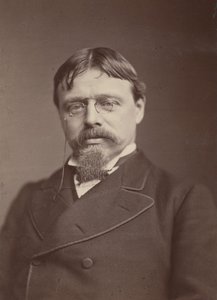
lourens alma tadema
1836 - 1912 , Netherlands
Quick Facts
- Artistic Movement Or Style: Victorian Painting
- Artists Or Movements Influenced By This Artist: ['Romanticism']
- Artists Who Influenced This Artist: ['Louis Jan de Taeye']
- Date Of Birth: January 8, 1836
- Date Of Death: June 25, 1912
- Full Name: Lourens Alma Tadema
- Nationality: Dutch
- Notable Artworks:
- A Kiss
- Ask Me No More
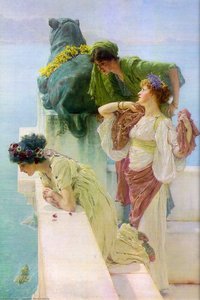
- A Coign of Vantage
- Place Of Birth: Dronryp, Netherlands
Related Articles
Sir Lawrence Alma-Tadema: A Study in Victorian Aestheticism & Classical Antiquity
Explore the captivating world of Sir Lawrence Alma-Tadema, a master of Victorian Aestheticism. Discover his stunning depictions of ancient Rome, artistic techniques, and enduring legacy with ArtsDot.

The Enduring Legacy of Oil on Canvas: Technique, History & Aesthetic Impact
Explore the rich history & techniques of oil painting – from Renaissance masters to Impressionism. Discover pigments, layering methods, and why this timeless medium endures. Expert insights for artists & art enthusiasts.

Oil on Canvas: A Historical & Technical Exploration of a Timeless Artistic Medium
Explore the rich history & enduring techniques of oil painting on canvas. Discover the science behind its longevity, conservation practices, and contemporary relevance. Expert insights for art enthusiasts.

The Enduring Power of Painting: A Historical & Contemporary Exploration of Form and Emotion
Explore the rich history & enduring techniques of oil painting with ArtsDot. Discover masterpieces, learn about art collecting, and find authentic handmade reproductions crafted by skilled artists.

The Enduring Legacy of Oil on Canvas: Technique, History & Contemporary Practice
Explore the rich history & enduring techniques of oil painting on canvas. Discover the science behind its longevity, conservation practices, and contemporary relevance. Expert insights for art enthusiasts.