

 Preview
 Send
Send Share
Share
 Details

 Download
 Similars
 X-Ray
X-Ray Diaporama
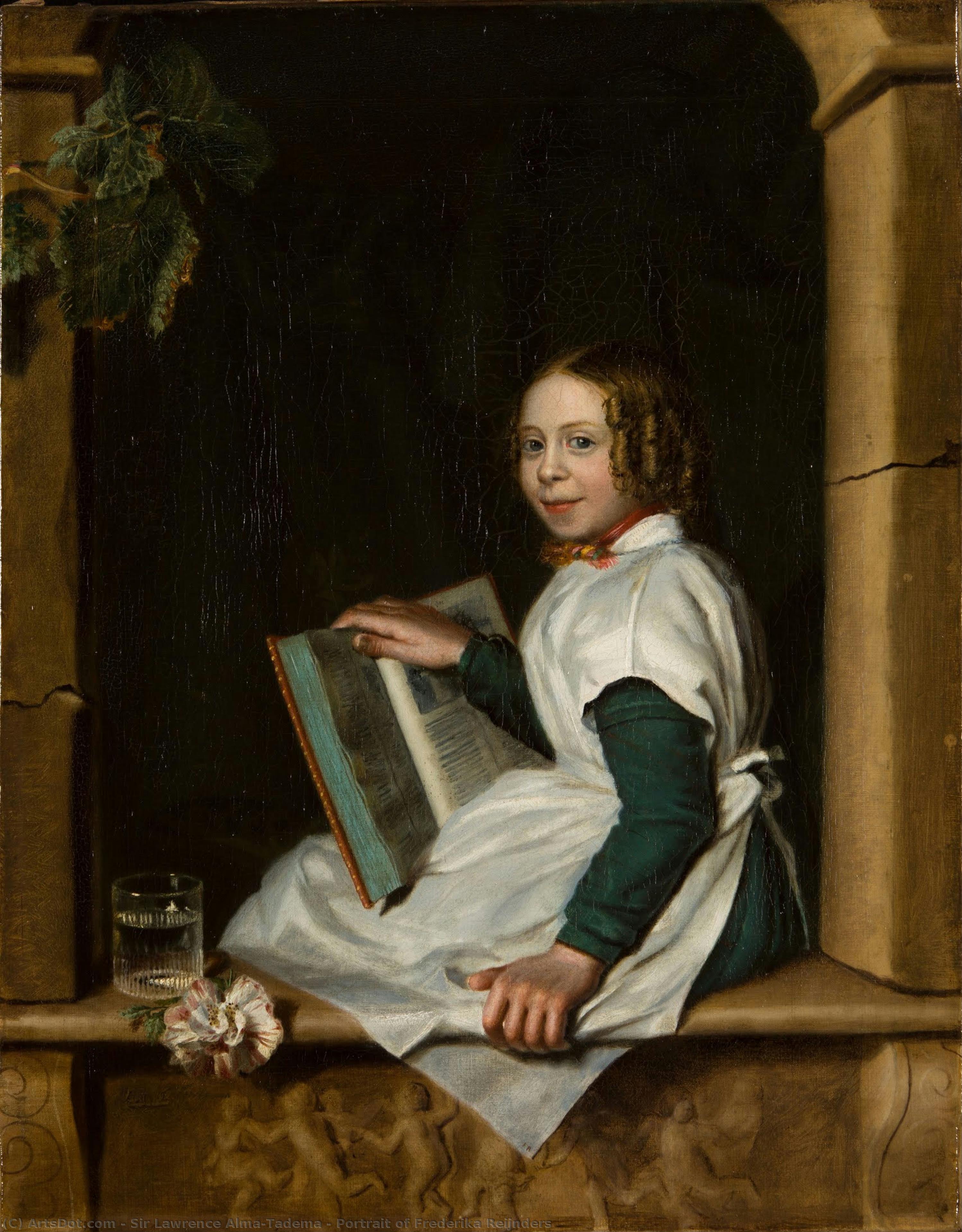
Portrait of Frederika Reijnders
 Oil On Canvas
- WallArt
- Academic Realism
 1800
1800- 19th Century
 57.0 x 44.0 cm
 Read More
Purchase a high-resolution, enhanced digital image, far superior to the online preview.
Each file is meticulously prepared by our in-house specialists using advanced tools and expert manual retouching. We ensure every image has exceptional clarity, precise color accuracy, and fine detail.
The final file is delivered via email within 72 hours, optimized for immediate use in professional, editorial, and print environments. This is the same quality trusted by top-tier design studios, publishers, and galleries.
Digital Image
Download a high-resolution file for personal display, printing, and creative projects. ( Buy Print Buy Hand Made Painting)
Included in Every Digital Image Order
Expert Digital Delivery, Guaranteed
When you choose ArtsDot.com, you're not just getting an image - you're receiving a professionally enhanced digital artwork, crafted with precision and backed by a satisfaction guarantee. Here's everything that comes with your order, automatically:

Fast Email Delivery
Your high-resolution digital image file will be emailed to you within 72 hours of ordering - ready for immediate use.

AI-Enhanced Digital File
Your artwork is professionally optimized using advanced AI tools and manual editing, ensuring maximum detail, clarity, and color accuracy.

Free Lifetime Re-Delivery
Accidentally deleted or lost your file? No worries - we'll resend it to you anytime, free of charge.

No Import Fees - Ever
Enjoy your artwork instantly with zero customs, duties, or delivery fees - digital downloads are always tax-free.

Color Accuracy Guarantee
We ensure your digital image reflects the original colors as closely as possible using professional tools and color management.

60-Day Satisfaction Guarantee
If you're not satisfied with your digital image, we'll revise it or refund 100% within 60 days - no questions asked.

100% Money-Back Guarantee
Not satisfied? Get a full refund within 60 days of receiving your digital file - no questions asked.

Bulk Order Discounts
Buy 3 images, save 10% - Buy 5, save 15% - Buy 10+, save 20%. Great for creative projects, galleries, and agencies.
A Moment of Quiet Contemplation: Portrait of Frederika Reijnders by Lawrence Alma-Tadema
Lawrence Alma-Tadema’s “Portrait of Frederika Reijinders,” painted in 1800, offers a remarkably intimate glimpse into the domestic life of early 19th-century Holland. This captivating work, measuring 57 x 44 cm, depicts a young girl – likely around ten years old – lost in the world of literature. The scene unfolds with a quiet grace, capturing a fleeting moment of focused concentration that speaks volumes about the burgeoning importance of education and leisure within Dutch society at the time.
- Subject & Composition: The central figure, Frederika Reijinders, is positioned on a stone ledge, her posture relaxed yet alert. Her attention is entirely absorbed by the book she holds open in her hands. The inclusion of two secondary figures – one on either side – subtly suggests a familial or domestic setting, adding depth and narrative complexity to the portrait.
- Technical Brilliance: Tadema’s mastery of realism is immediately apparent. His meticulous attention to detail—the texture of the book's pages, the delicate folds of Frederika’s white apron, and the subtle play of light on her features—is characteristic of his style. He employs a smooth, almost porcelain-like finish, achieved through layering thin glazes of oil paint, a technique perfected over years of observation and experimentation.
The Painter's Palette: Style and Technique
Tadema’s artistic approach was profoundly influenced by the Neoclassical tradition, particularly its emphasis on idealized beauty and precise representation. However, he quickly developed his own distinctive style, characterized by a remarkable ability to render fabrics with unparalleled realism. This is most evident in the depiction of Frederika's clothing – the soft drape of her apron, the sheen of her dress—all achieved through painstaking brushwork and an astute understanding of light and shadow. The use of muted colors – predominantly creams, browns, and blues – contributes to the painting’s serene atmosphere, further emphasizing the subject’s contemplative mood.
- Color Theory: Tadema was a pioneer in utilizing color theory to create atmospheric effects. He skillfully employed complementary colors to enhance the sense of depth and volume within the composition.
- Brushwork: His brushstrokes are generally delicate and controlled, contributing to the overall smoothness and polished appearance of the painting.
Historical Context & Symbolism
Painted in 1800, “Portrait of Frederika Reijinders” reflects a period of significant social change in Holland. The rise of the middle class brought with it increased wealth and an emphasis on education, particularly for young women. Reading was becoming increasingly valued as a means of self-improvement and intellectual development. The inclusion of the book itself is therefore laden with symbolic meaning – representing knowledge, aspiration, and the potential for personal growth. The vine-covered archway in the background adds to this sense of idyllic beauty and reinforces the painting’s theme of tranquility and contemplation.
- Social Commentary: The portrait offers a subtle commentary on the evolving role of women in Dutch society, suggesting that education was becoming increasingly important for young girls.
- Domestic Ideal: The scene embodies the idealized vision of domestic life prevalent during the early 19th century – a world of quiet contemplation, intellectual pursuits, and familial harmony.
Emotional Impact & Legacy
“Portrait of Frederika Reijinders” transcends a simple likeness; it evokes a powerful sense of nostalgia and serenity. The young girl’s focused gaze invites the viewer to share in her moment of quiet contemplation, prompting reflection on themes of knowledge, innocence, and the enduring appeal of literature. Alma-Tadema's meticulous technique and evocative composition have ensured that this painting remains a timeless masterpiece, admired for its beauty, realism, and profound emotional impact. This reproduction offers an exceptional opportunity to own a piece of art history, bringing this captivating scene into your home or office.
Related Artworks
Artist Biography
Early Life and Artistic Training
Lourens Alma Tadema, later Lawrence Alma Tadema, was born in Dronryp, Friesland, Netherlands, on January 8, 1836. His father, Pieter Jiltes Tadema, a village notary, had three sons by his first marriage, and his mother, Hinke Dirks Brouwer, was the half sister of Pieter’s first wife. The Tadema family moved to Leeuwarden in 1838 where Pieter's position as a notary would be more lucrative. His father died when Laurens was four, leaving his mother with five children: Laurens, his sister, and three boys from his father’s first marriage. Hinke Brouwer had artistic leanings, and decided that drawing lessons should be incorporated into the children’s education. He received his first art training with a local drawing master hired to teach his older half-brothers. It was intended that Laurens would become a lawyer; but in 1851 he suffered a physical and mental breakdown. Diagnosed as consumptive; given only a short time to live, he was allowed to spend his remaining days at his leisure, drawing and painting. Left to his own devices he regained his health and decided to pursue a career as an artist. In 1852 he entered The Royal Academy of Antwerp where he studied early Dutch and Flemish masters, alongside absorbing the meticulous detail demanded by historical accuracy. During Laurens’ four years as a registered student at the Academy, he won several respectable awards. Before leaving school, towards the end of 1855, he became assistant to the painter Louis Jan de Taeye, whose courses in history and historical costume he had greatly enjoyed at the Academy. De Taeye introduced him to books that influenced his desire to portray Merovingian subjects early in his career. He was encouraged to depict historic accuracy in his paintings, a trait for which the artist became known. Laurens Tadema took this criticism very seriously, and it led him to improve his technique and to become the world’s foremost painter of marble and variegated granite.Exploring Antiquity: Merovingian Mysteries and Egyptian Visions
Laurens Alma Tadema's artistic trajectory began with explorations of Merovingian themes—the Frankish dynasty that ruled after the fall of the Western Roman Empire. These early works, though demonstrating his burgeoning talent for historical detail and narrative composition, didn’t achieve the widespread acclaim he would later find. It is perhaps in this series that Laurens Tadema moved by the deepest feeling and the strongest spirit of romance. He was encouraged to depict historic accuracy in his paintings, a trait for which the artist became known. However Merovingian subjects did not have a wide international appeal, so he switched to themes of life in ancient Egypt, then to the classical world of Greece and Rome. This transition wasn't arbitrary; it reflected a growing public appetite for romanticized visions of antiquity, fueled by archaeological discoveries and a Victorian fascination with moral lessons drawn from the past. He settled in London in 1870, quickly becoming a fixture in the British art scene.The Architect of Atmosphere: Detail and Light
What truly set Alma Tadema apart was his unparalleled ability to create atmosphere. He wasn't just painting objects; he was capturing the very *feeling* of sunlight on marble, the coolness of mosaic floors underfoot, the gentle murmur of fountains in a Roman atrium. This mastery stemmed from an obsessive attention to detail and a deep understanding of materials. He meticulously researched ancient architecture, furniture, and clothing, ensuring that every element within his compositions was historically plausible. But beyond accuracy, he possessed a remarkable talent for rendering light and texture. His marble gleamed with a lifelike luminosity, his fabrics flowed with graceful realism, and his water shimmered with captivating clarity. This dedication to verisimilitude wasn’t merely about technical skill; it was about creating an illusion of reality so convincing that viewers felt transported to another time and place. He even went as far as to build miniature models of the settings he intended to paint, ensuring perfect perspective and architectural accuracy.Victorian Fame and Legacy
Alma Tadema enjoyed immense popularity during his lifetime, becoming a household name and receiving numerous accolades, including knighthood in 1899. However, following his death in 1912, his work fell into relative obscurity. The changing tastes of the early 20th century favored more modernist styles, and Alma Tadema’s meticulous realism seemed out of step with the prevailing artistic trends. It wasn't until the 1960s that a renewed appreciation for his art began to emerge. Scholars and collectors rediscovered the beauty and technical brilliance of his paintings, recognizing him as a master of Victorian art and a significant figure in the history of classical representation. Today, his works are highly sought after by museums and private collectors worldwide, and his influence can be seen in contemporary artists who strive for similar levels of detail and atmospheric realism.Influence Beyond Canvas
Alma Tadema's depictions of Roman life profoundly influenced popular perceptions of antiquity, shaping how generations imagined the world of emperors, gladiators, and philosophers. His meticulous attention to detail inspired costume designers for film and theater.Architects drew inspiration from his renderings of classical buildings.Writers incorporated his imagery into their descriptions of ancient Rome. He wasn’t just an artist; he was a cultural phenomenon, creating a visual language that continues to resonate today.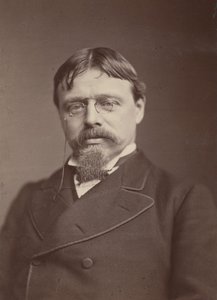
lourens alma tadema
1836 - 1912 , Netherlands
Quick Facts
- Artistic Movement Or Style: Victorian Painting
- Artists Or Movements Influenced By This Artist: ['Romanticism']
- Artists Who Influenced This Artist: ['Louis Jan de Taeye']
- Date Of Birth: January 8, 1836
- Date Of Death: June 25, 1912
- Full Name: Lourens Alma Tadema
- Nationality: Dutch
- Notable Artworks:
- A Kiss
- Ask Me No More
- A Coign of Vantage
- Place Of Birth: Dronryp, Netherlands

