

 Preview
 Send
Send Share
Share
 Details

 Download
 Similars
 X-Ray
X-Ray Diaporama
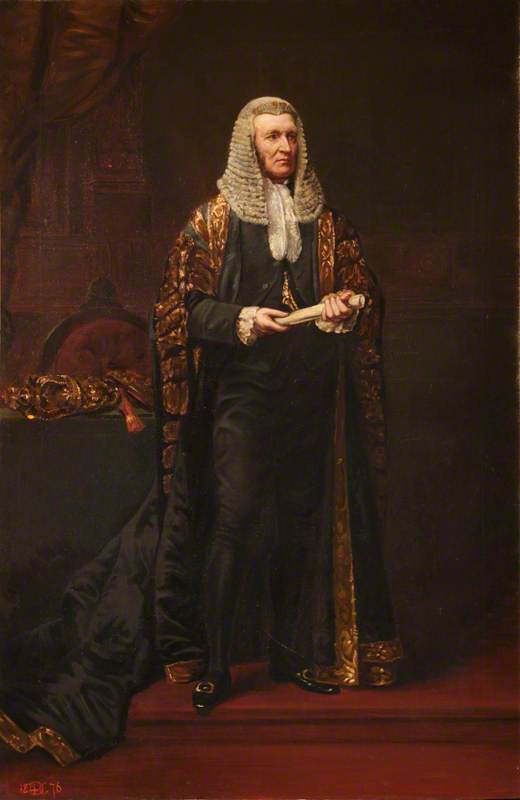
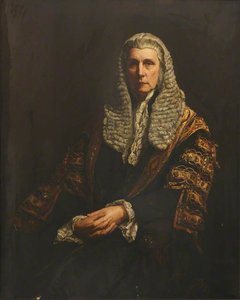
The Right Honourable Hugh McCalmont Cairns (1819–1885) , 1st Earl Cairns, PC, QC, DCL
 Acrylic On Canvas
- WallArt
- Victorian Portraiture
 1876
1876 153.0 x 122.0 cm
 Національний траст
 Read More
Purchase a high-resolution, enhanced digital image, far superior to the online preview.
Each file is meticulously prepared by our in-house specialists using advanced tools and expert manual retouching. We ensure every image has exceptional clarity, precise color accuracy, and fine detail.
The final file is delivered via email within 72 hours, optimized for immediate use in professional, editorial, and print environments. This is the same quality trusted by top-tier design studios, publishers, and galleries.
Digital Image
Download a high-resolution file for personal display, printing, and creative projects. ( Buy Print Buy Hand Made Painting)
Included in Every Digital Image Order
Expert Digital Delivery, Guaranteed
When you choose ArtsDot.com, you're not just getting an image - you're receiving a professionally enhanced digital artwork, crafted with precision and backed by a satisfaction guarantee. Here's everything that comes with your order, automatically:

Fast Email Delivery
Your high-resolution digital image file will be emailed to you within 72 hours of ordering - ready for immediate use.

AI-Enhanced Digital File
Your artwork is professionally optimized using advanced AI tools and manual editing, ensuring maximum detail, clarity, and color accuracy.

Free Lifetime Re-Delivery
Accidentally deleted or lost your file? No worries - we'll resend it to you anytime, free of charge.

No Import Fees - Ever
Enjoy your artwork instantly with zero customs, duties, or delivery fees - digital downloads are always tax-free.

Color Accuracy Guarantee
We ensure your digital image reflects the original colors as closely as possible using professional tools and color management.

60-Day Satisfaction Guarantee
If you're not satisfied with your digital image, we'll revise it or refund 100% within 60 days - no questions asked.

100% Money-Back Guarantee
Not satisfied? Get a full refund within 60 days of receiving your digital file - no questions asked.

Bulk Order Discounts
Buy 3 images, save 10% - Buy 5, save 15% - Buy 10+, save 20%. Great for creative projects, galleries, and agencies.
Collectible Description
A Portrait of Power and Dignity: Hugh McCalmont Cairns by Lowes Cato Dickinson
Lowes Cato Dickinson’s 1876 portrait of the Right Honourable Hugh McCalmont Cairns, 1st Earl Cairns, offers a captivating glimpse into Victorian society's appreciation for legal authority and aristocratic bearing. More than simply a likeness, this painting is a carefully constructed tableau of status, intellect, and quiet confidence – a testament to Dickinson’s skill in capturing not just physical appearance but also the very essence of his subject. The image, rendered in oil on canvas, measures 153 x 122 cm and resides within the National Trust's collection at Hughenden Manor, offering a tangible connection to a pivotal period in British political history.
Dickinson’s style leans towards a refined realism, characteristic of his era. He avoids overly dramatic lighting or exaggerated gestures, instead favoring a subtle palette dominated by deep browns, rich reds, and the muted tones of velvet and silk. The composition is meticulously balanced; Cairns stands with an air of dignified composure on a red carpet, immediately establishing a sense of importance and formality. His posture – straight back, hands clasped gently around a book – speaks volumes about his character: a man of learning, deliberation, and perhaps even judicial restraint.
The Language of Status: Dress, Setting, and Symbolism
Cairns’ attire is crucial to understanding the portrait's message. The elaborate wig, a hallmark of the period for men in positions of authority, immediately signals his elevated social standing. The robe, adorned with a long beard – a deliberate choice by Dickinson – further emphasizes this status, evoking images of ancient scholars and legal practitioners. The inclusion of the book suggests a learned man, likely a barrister or judge, deeply engaged in intellectual pursuits. Notably, the red carpet beneath him is a potent symbol of honor and privilege, underscoring his position within the social hierarchy.
Beyond the individual elements, the background contributes significantly to the overall impression. The two chairs, one positioned near the left side and another on the right, create a sense of contained space – a private chamber or perhaps a waiting room. The clock hanging above Cairns’ head subtly reinforces the theme of time and authority; it serves as a reminder of his responsibilities and the weight of his position. The overall setting is deliberately restrained, focusing attention squarely on the subject and reinforcing his importance.
Contextualizing a Victorian Statesman
To fully appreciate this portrait, one must consider the historical context in which it was created. Hugh McCalmont Cairns (1819-1885) served as Lord High Chancellor of Great Britain during the early years of Benjamin Disraeli’s Conservative governments. His career spanned decades and involved significant roles in legal and political affairs, solidifying his place as a prominent figure in Victorian society. Dickinson's decision to capture Cairns at this particular moment – a man of considerable influence and experience – reflects the Victorian fascination with documenting the lives of those who shaped the nation.
Lowes Cato Dickinson himself was a significant artist during this period, known for his portraits of prominent figures from various walks of life. His connection to Pre-Raphaelite circles—having taught drawing to John Ruskin and Dante Gabriel Rossetti—influenced his approach to detail and realism. This portrait exemplifies his ability to translate social status and personal character into a compelling visual narrative. The painting’s enduring appeal lies not only in its technical skill but also in its evocative portrayal of a man at the height of his power, embodying the values and aspirations of Victorian England.
A Reproduction for Today's Collector
ArtsDot offers meticulously crafted hand-painted reproductions of this remarkable portrait. Each reproduction is created by skilled artists who replicate Dickinson’s techniques and attention to detail with exceptional accuracy. Whether you are an art enthusiast, a collector seeking to expand your collection, or an interior designer looking for a statement piece, this reproduction provides a beautiful and authentic representation of a significant work of Victorian art. The high-quality materials and craftsmanship ensure that the artwork will retain its beauty and value for years to come. Explore our options for commissioning a custom reproduction or selecting one from our extensive collection – bringing the dignity and power of Hugh McCalmont Cairns into your home or office.
Related Artworks
Artist Biography
A Life Etched in Portraits: The World of Lowes Cato Dickinson
Lowes Cato Dickinson, born in Kilburn, London, in 1819, was a figure deeply embedded within the artistic and social currents of Victorian England. Coming from a family intimately connected to the art world—his father, Joseph Dickinson, being a respected lithographer and publisher on Bond Street—Dickinson’s path seemed preordained. Yet, his journey wasn't merely one of inheritance but of active engagement with the evolving aesthetic sensibilities and progressive social movements of his time. One of eleven siblings, he received his early education at Topsham School and Dr Lord's School in Tooting, grounding him in a solid foundation before fully immersing himself within the family business following his father’s death in 1849. He then joined forces with his brothers, Gilbert Bell Dickinson and William Robert Dickinson, to continue the legacy of Dickinson Brothers on Bond Street, a firm that quickly became synonymous with quality art publishing and photography. This early exposure wasn't simply about commerce; it was an apprenticeship in visual culture, shaping his eye for detail and composition—qualities that would define his later work as a portraitist.The Pre-Raphaelite Circle and the Call of Social Reform
Dickinson’s artistic development took a significant turn with a three-year sojourn in Italy around 1850. This period proved formative, exposing him to the masterpieces of the Renaissance and influencing his evolving style. Upon his return to England, he found himself drawn into the orbit of the Pre-Raphaelite Brotherhood. Though not a formal member, Dickinson engaged in correspondence and collaboration with key figures like Dante Gabriel Rossetti and John Ruskin, absorbing their emphasis on truth to nature and emotional intensity. He even lectured alongside them, solidifying his position within this influential artistic milieu. This association wasn’t purely aesthetic; it was intertwined with a burgeoning sense of social responsibility. Dickinson became deeply involved in the Christian socialist movement, a group advocating for social justice through the lens of faith. His commitment manifested most concretely in 1854 with the co-founding of the Working Men's College in London. This institution, dedicated to providing accessible education to working-class individuals, was a testament to his belief in the transformative power of knowledge and a reflection of his desire to bridge social divides. The presence of Ford Madox Brown, who worked for Dickinson Brothers, further underscores his connection to this vibrant artistic and intellectual network.A Portraitist of Victorian Society
Lowes Cato Dickinson carved out a niche as a highly sought-after portrait painter during the Victorian era. His skill lay not in grand historical narratives or dramatic allegories but in capturing the essence of his sitters—the prominent figures who shaped British society. He painted Queen Victoria herself, members of Parliament, leading scientists like Arthur Cayley and James Clerk Maxwell, and fervent Christian socialists such as Charles Kingsley and Thomas Hughes. He developed a remarkable technique, often focusing solely on rendering the faces of his subjects with meticulous detail, leaving the depiction of clothing and accessories to other artists. This collaborative approach allowed him to concentrate on conveying personality and character through nuanced facial expressions and subtle shading. Perhaps one of his most celebrated achievements was the 1868 cabinet portrait of Mr. Gladstone, captured within the iconic Cabinet Room of 10 Downing Street—a work that offers a fascinating glimpse into the inner workings of British politics. He also became renowned for his unique ability to create posthumous portraits, skillfully reconstructing likenesses from photographs or descriptions, ensuring that memory endured beyond physical presence.Legacy and Enduring Influence
The impact of Lowes Cato Dickinson extends far beyond the canvases he filled with faces. His works are prominently displayed in the National Portrait Gallery in London, a testament to his significant contribution to British portraiture. The Working Men's College continues to honor his memory through the annual Lowes Dickinson Award, an art prize recognizing student excellence. Furthermore, his children established a travel award in his name, fostering opportunities for artistic exploration and growth. His papers, meticulously preserved at Princeton, Oxford, and Cambridge Universities, serve as invaluable resources for scholars studying Victorian art, social history, and the intersection of faith and reform. Dickinson’s life embodies a fascinating confluence of artistic talent, social conscience, and intellectual curiosity. He wasn't merely a painter of portraits; he was a chronicler of his time—a visual historian who captured the spirit of an era defined by both progress and profound societal challenges. His legacy endures not only in the images he created but also in the institutions he helped build, continuing to inspire generations with their commitment to education, social justice, and the power of art.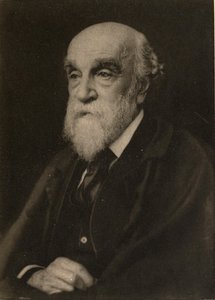
Lowes Cato Dickinson
1819 - 1908 , United Kingdom
Quick Facts
- Artistic Movement Or Style: Pre-Raphaelite, Realism
- Artists Or Movements Influenced By This Artist: ['Christian Socialism']
- Artists Who Influenced This Artist:
- John Ruskin
- Dante Gabriel Rossetti
- Date Of Birth: November 27, 1819
- Date Of Death: 1908
- Full Name: Lowes Cato Dickinson
- Nationality: British
- Notable Artworks:
- Gladstone's Cabinet (1868)
- Goldsworthy Lowes Dickinson
- Place Of Birth: Kilburn, United Kingdom

