 Preview
 Send
Send Share
Share
 Details

 Download
 Similars
 X-Ray
X-Ray Diaporama
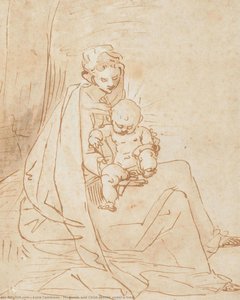
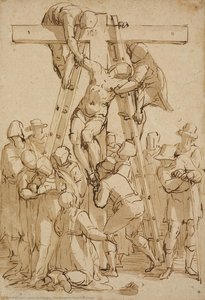
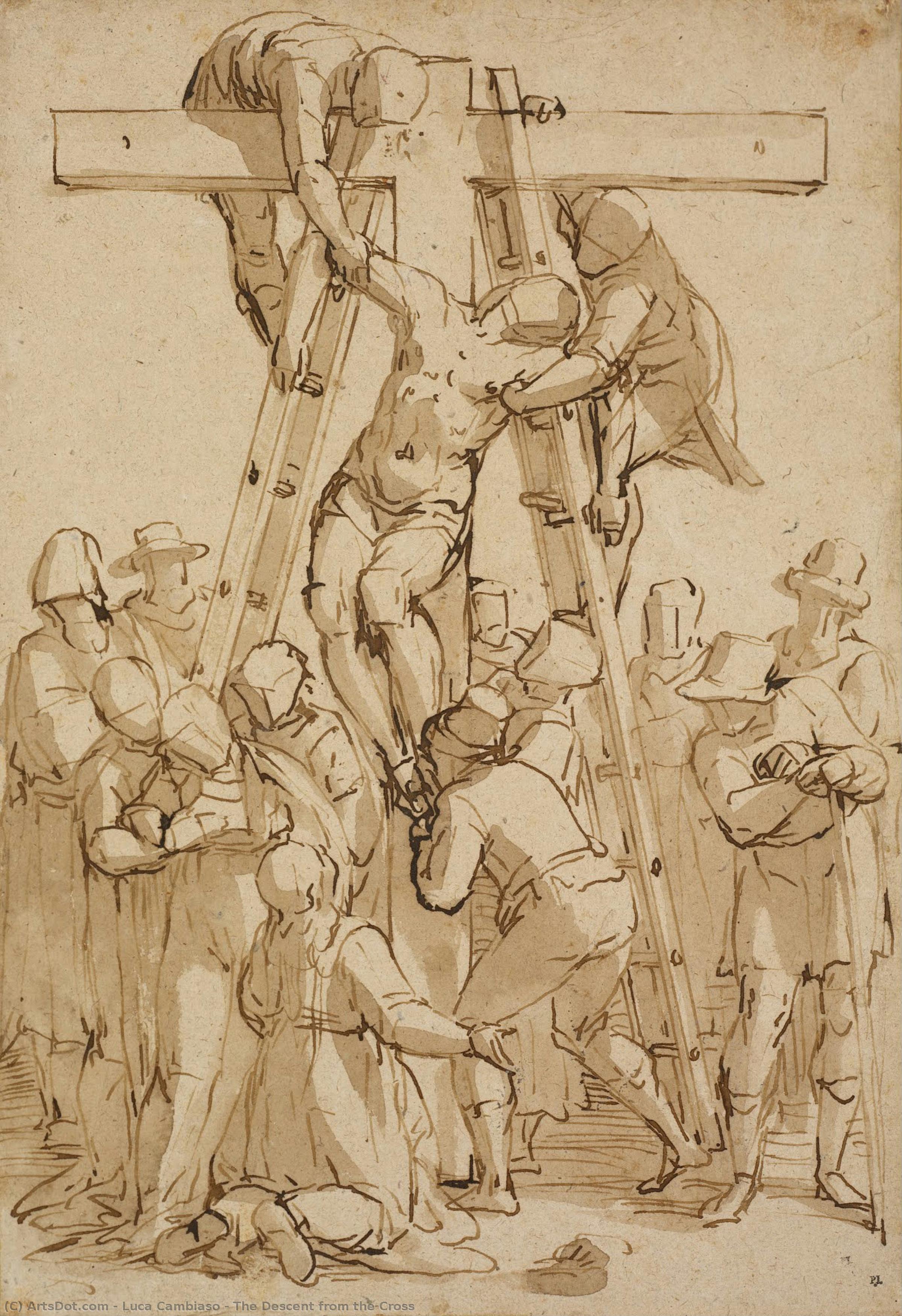
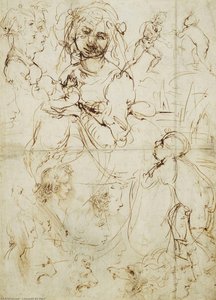
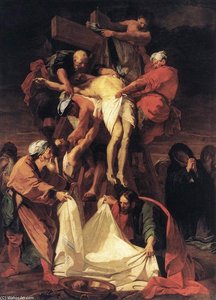
The Descent from the Cross
 Drawing
- WallArt
- Baroque
 1570
1570- Renaissance
 41.0 x 28.0 cm
 Rhode Island School of Design Museum of Art
 Read More
Hand Made Oil Reproduction
Hand-painted oil on canvas in your size and frame, made to order by our artists. ( Buy Print Buy Image)




P118B $10

P118H $10

P118W $10

P438Z $10

P508JH $12

P508YH $12

P805H $10

P805Z $10

P919BZ $10

P919G $10

P919XJ $10

P959ZH $10

P968JZ $12

W106C $8

W218G $10

W218JH $8

W218Y $10

W307PJ $10

W316G $10

W316PJ $8

W316Y $10

W398PJ $8

W4111J $10

W500HY $15

W500JH $15

W692G $12

W849H $8

W940BG $15

W953PJ $8




Pick from our preset sizes that match the artwork's original proportions.

You may enter your own dimensions to fit a specific frame or space. If your selected size does not match the original image's proportions, we will either crop the artwork or extend the painting with additional hand-painted elements. A digital mockup will be sent for your approval before production begins.
Please note that the on-screen preview does not reflect the actual cropping or extension. Only the mockup will accurately show the final composition.
While custom sizes are available, we recommend selecting a dimension from the predefined list to preserve the original proportions.
After order, ArtsDot.com team will email client for instructions and provide a mockup preview
Worldwide Delivery () in 3/4 weeks instead of standard 5 weeks. (21 August). No compromise on quality.

Free Worldwide Express Shipping

High-Quality Linen Canvas

Full Shipping Insurance

Customs Tax Refund Guarantee

True Color Matching Guarantee

60-Day Return Policy (Defects Only)

100% Money-Back Guarantee

Bulk Discount Offer
 Glass option is only available in size under 110 CM

The Descent from the Cross
Reproduction Medium
Reproduction Size
-


Total Price
$ 263
Artwork Description
The Profound Drama of Divine Descent
To stand before this depiction of The Descent from the Cross is to be enveloped in a palpable atmosphere of profound sorrow and ultimate redemption. Luca Cambiaso, with his masterful touch, has captured not merely an event, but a moment suspended between agony and grace. The composition draws the viewer into the very heart of human suffering meeting divine sacrifice. One can almost hear the hushed murmurs of the crowd and feel the weight of history pressing down upon the figures gathered around the fallen Christ. It is a scene teeming with raw, unvarnished emotion, making it an intensely moving focal point for any space.
Mastery in Shadow and Form
Cambiaso’s technical brilliance shines through in every meticulously rendered line of this drawing from 1570. While the original medium is a black and white drawing, suggesting perhaps charcoal or wash, the effect achieved is one of dramatic chiaroscuro—the interplay between light and shadow that defined so much of the late Renaissance period. The artist possesses an uncanny ability to model musculature and drapery with such convincing realism, giving weight and volume to every figure. Observe the varied poses: some figures recoil in horror, others support with desperate strength, while Christ’s form itself speaks of exhaustion tempered by divine purpose. This detailed observation elevates the piece beyond mere narrative illustration into a profound study of the human condition.
Historical Echoes and Emotional Resonance
Set within the context of 16th-century Italian religious art, this work reflects the deep spiritual currents that permeated life during Cambiaso’s time. The drama is monumental, echoing the Counter-Reformation's emphasis on personal piety and visceral emotional engagement with sacred narratives. For the modern collector or designer, this piece offers more than just devotional art; it provides a powerful anchor of contemplation. Its dramatic intensity allows it to serve as a breathtaking centerpiece, lending an air of timeless gravitas and intellectual depth to a drawing-room, chapel, or gallery setting.
Symbolism Woven into the Composition
The symbolism here is rich and multi-layered. The act of lowering Christ from the cross itself symbolizes not just death, but the necessary descent into mortality required for ultimate resurrection. The surrounding figures—the grieving women, the concerned disciples, the onlookers—represent humanity’s varied responses to suffering: despair, devotion, curiosity, and support. Cambiaso masterfully uses these groupings to create a visual dialogue about empathy and belief. Owning a reproduction of this work allows one to connect with that enduring human conversation across centuries.
Related Artworks

Artist Biography
Luca Cambiaso: The Nocturnal Master of Genoa
Luca Cambiaso (1527-1585) stands as a pivotal figure in the history of Italian Renaissance art, particularly renowned for his pioneering role in establishing the Genoese School of painting. More than just a painter, he was a visionary who captured the essence of light and shadow, transforming Genoa’s churches and palaces into breathtaking spaces filled with poetic night scenes and dynamic historical narratives. Born in Moneglia, a small coastal town within the Republic of Genoa, Cambiaso's artistic journey began under the tutelage of his father, Giovanni Cambiasi, a skilled craftsman who instilled in him a foundational understanding of painting techniques. This early training laid the groundwork for his later development as a master of composition and color.Early Years and Apprenticeship
Cambiaso’s precocious talent was evident from a young age. At just fifteen years old, he collaborated with his father on decorating the facade of a house in Genoa, undertaking subjects drawn from Ovid's *Metamorphoses*. This early experience provided invaluable exposure to fresco painting and demonstrated his ability to work alongside established artists. In 1544, at seventeen, Cambiaso was already involved in the ambitious decoration of the Palazzo Doria, now the Prefettura, a project that likely involved collaboration with Marcantonio Calvi, a respected painter of the time. This early involvement showcased his growing skills and ambition, hinting at his future role as a leading artistic force in Genoa. His time in Rome around 1547-1550 proved to be transformative, exposing him to the works of Michelangelo and influencing his approach to monumental figures and dramatic compositions.The Genoese School and Historical Frescoes
Cambiaso’s most significant contribution lies in establishing the Genoese School of painting. He didn't simply imitate existing styles; he forged a distinct tradition rooted in Genoa’s unique cultural landscape. His frescoes, particularly those adorning churches and palaces throughout the city, are characterized by their historical subject matter, poetic atmosphere, and innovative use of light and shadow. Unlike many of his contemporaries who favored bright, vibrant colors, Cambiaso masterfully employed a muted palette, creating an ethereal quality that is especially evident in his nocturnal scenes. Works like the *Rape of the Sabines* for the Villa Imperiale di Terralba exemplify this approach, blending classical mythology with a distinctly Genoese sensibility. His collaborations with Giovanni Battista Castello Il Bergamasco further enriched the artistic landscape of Genoa, contributing to the development of a shared aesthetic and technique.Style and Techniques: Geometry and Light
Cambiaso’s style is often described as Mannerist, yet it transcends simple categorization. He was influenced by Correggio and Raphael, absorbing their dynamism and compositional brilliance while developing his own unique voice. A key characteristic of his work is the simplification of figures into geometric forms – cubes, cylinders, and cones – a technique that lends a sense of architectural precision to his compositions. This approach, combined with his masterful manipulation of light and shadow, creates an illusionistic depth rarely seen in contemporary painting. He was known for his spontaneous technique, often sketching directly onto the walls using small drawings, allowing him to capture fleeting moments and imbue his frescoes with a remarkable immediacy. His use of dry paint – applying pigment directly from the tube without mixing it with water – further enhanced the luminosity and vibrancy of his colors.Notable Works and Legacy
Among Cambiaso’s most celebrated works are the *Resurrection and Transfiguration* altarpieces for San Bartolomeo degli Armeni, the *Presentation and Marriage of the Virgin* in the Capella Lercari of the Duomo di San Lorenzo, and his nocturnal masterpiece, the *Adoration of the Shepherds*. His journey to Spain in 1583, invited by Philip II to complete frescoes at the Escorial, highlights both his international recognition and his personal ambitions. While he ultimately failed to secure royal patronage for his marriage plans, this trip resulted in the *Paradise* fresco, a testament to his skill and ambition. Cambiaso’s influence extended beyond his own lifetime, shaping the artistic development of Genoa and inspiring generations of painters. His legacy continues to be celebrated through his enduring frescoes, which offer a captivating glimpse into the history, culture, and spiritual life of 16th-century Genoa. The Museo dell'Accademia Ligustica di Belle Arti in Genoa houses several examples of his work, offering visitors a chance to appreciate the brilliance of this remarkable artist.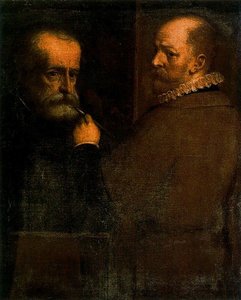
Luca Cambiaso
1527 - 1585 , Italy
Quick Facts
- Artistic Movement Or Style: Genoese School, Mannerism
- Artists Or Movements Influenced By This Artist: ['Genoese School']
- Artists Who Influenced This Artist:
- Correggio
- Raphael
- Date Of Birth: November 18, 1527
- Date Of Death: September 6, 1585
- Full Name: Luca Cambiaso
- Nationality: Italian
- Notable Artworks:
- Madonna and Child
- Venus and Adonis
- Virgin and Child
- Resurrection
- Rape of the Sabines
- Place Of Birth: Moneglia, Italy
Related Articles

Baroque Masterpieces: 10 Paintings That Defined an Era |
Journey through the drama & grandeur of Baroque art! Explore 10 masterpieces by Caravaggio, Rembrandt, Rubens & more. Discover stunning oil paintings, rich colors & timeless stories. Find museum-quality reproductions at .

Giclée Prints: Archival Quality & Aesthetic Nuances for the Discerning Collector
Explore the world of giclée prints with ArtsDot. Learn about archival quality, aesthetic nuances & investment potential. Expert guidance for discerning art collectors seeking museum-quality reproductions and lasting value.

The Dramatic Flourish: Exploring the Baroque Movement's Enduring Legacy in Art History
Explore the dramatic world of Baroque art! Discover iconic artists like Caravaggio & Rubens, defining techniques, and its lasting impact on art history. Expert insights for collectors & enthusiasts at ArtsDot.

The Enduring Legacy of Fine Art Prints: Technique, History & Aesthetic Impact
Explore the rich history & techniques of fine art prints. Discover investment potential, assess authenticity, and learn how to preserve your collection with expert guidance. Trusted insights for discerning collectors.

The Visceral Stage: Exploring Dramatic Narratives & Emotional Intensity in Baroque Art
Explore the dramatic world of Baroque art! Discover iconic masters like Caravaggio & Rembrandt, their techniques, and the movement's lasting impact. Expert insights for collectors & enthusiasts at ArtsDot.