 Preview
 Send
Send Share
Share
 Details

 Download
 Similars
 X-Ray
X-Ray Diaporama
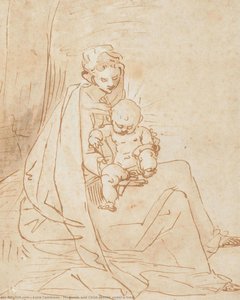
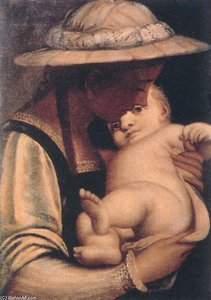
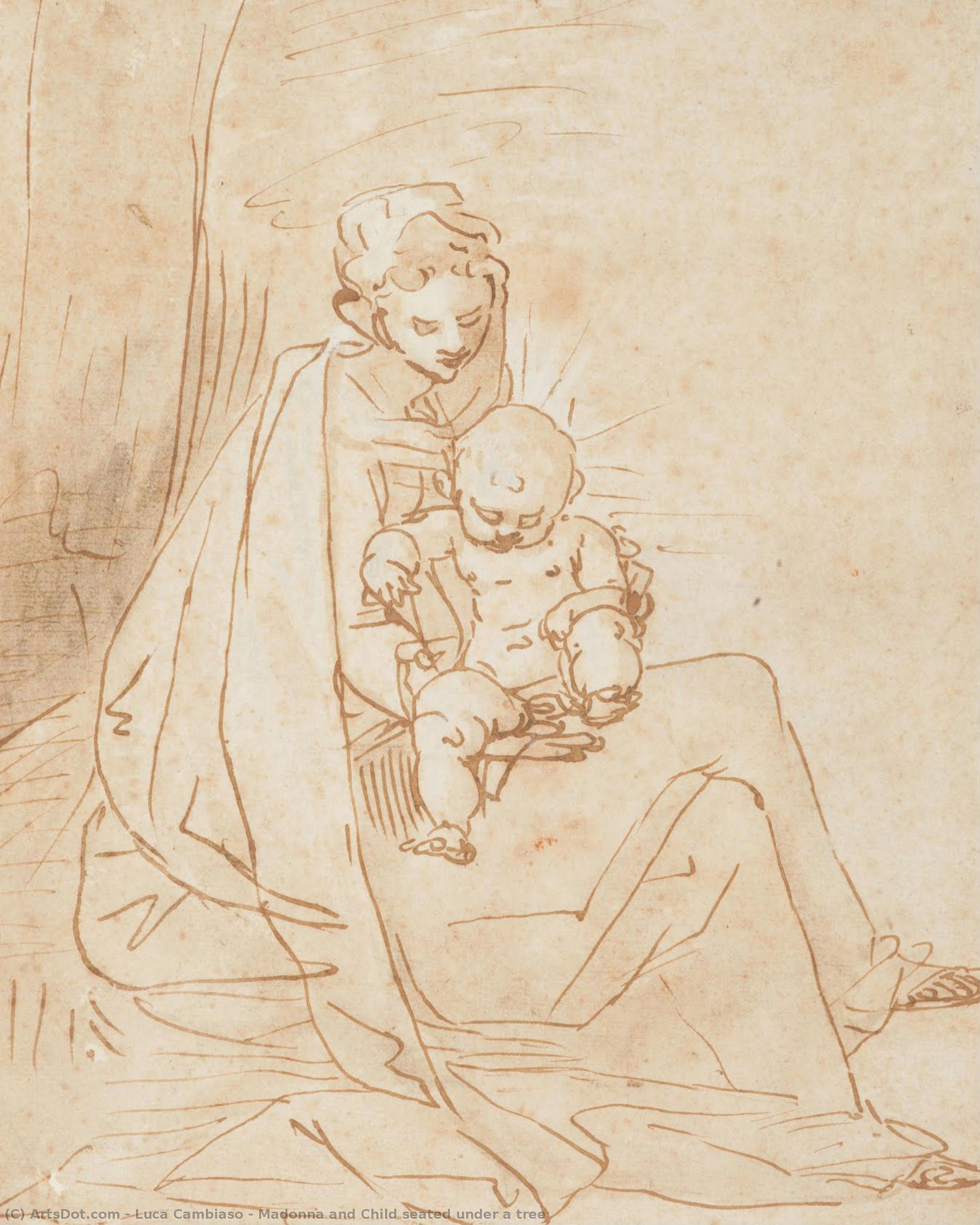
Madonna and Child seated under a tree


 Read More
Hand Made Oil Reproduction
Hand-painted oil on canvas in your size and frame, made to order by our artists. ( Buy Print Buy Image)




P118B $10

P118H $10

P118W $10

P438Z $10

P508JH $12

P508YH $12

P805H $10

P805Z $10

P919BZ $10

P919G $10

P919XJ $10

P959ZH $10

P968JZ $12

W106C $8

W218G $10

W218JH $8

W218Y $10

W307PJ $10

W316G $10

W316PJ $8

W316Y $10

W398PJ $8

W4111J $10

W500HY $15

W500JH $15

W692G $12

W849H $8

W940BG $15

W953PJ $8




Pick from our preset sizes that match the artwork's original proportions.

You may enter your own dimensions to fit a specific frame or space. If your selected size does not match the original image's proportions, we will either crop the artwork or extend the painting with additional hand-painted elements. A digital mockup will be sent for your approval before production begins.
Please note that the on-screen preview does not reflect the actual cropping or extension. Only the mockup will accurately show the final composition.
While custom sizes are available, we recommend selecting a dimension from the predefined list to preserve the original proportions.
After order, ArtsDot.com team will email client for instructions and provide a mockup preview
Worldwide Delivery () in 3/4 weeks instead of standard 5 weeks. (17 August). No compromise on quality.

Free Worldwide Express Shipping

High-Quality Linen Canvas

Full Shipping Insurance

Customs Tax Refund Guarantee

True Color Matching Guarantee

60-Day Return Policy (Defects Only)

100% Money-Back Guarantee

Bulk Discount Offer
 Glass option is only available in size under 110 CM

Madonna and Child seated under a tree
Reproduction Medium
Reproduction Size
-


Total Price
$ 263
Artwork Description
The Tender Embrace of Devotion: A Glimpse into Cambiaso's Genius
To gaze upon this depiction of Madonna and Child seated beneath a tree is to step directly into the intimate, luminous world of Luca Cambiaso. This work, characterized by its rapid yet profoundly tender execution, captures an age-old subject with the grace only a master technician could achieve. Cambiaso, the significant Genoese artist, possessed a facility that bordered on magic; it was a gift that astonished even royalty, such as King Philip II of Spain. The scene itself is more than a mere portrait; it is a hushed moment of divine connection, rendered with an immediacy that seems to suspend time.
Mastery in Pen and Wash: A Study in Light and Line
The technical brilliance evident here lies in the medium—a pen-and-wash drawing. This choice of technique allows Cambiaso to achieve a delicate balance between crisp definition and ethereal wash. The artist was renowned for his ability to manipulate light, allowing shadows to deepen with poetic mystery while highlighting the soft contours of flesh and drapery. Observe how the figures are composed: the Madonna cradles her child close, their bond palpable in every curve. Flanking this central dyad are other figures—one standing watch behind, another positioned further back on the right—whose presence enriches the narrative without ever distracting from the core emotional exchange.
Symbolism and Setting: Under the Canopy of Grace
The setting, suggested by the sheltering tree, is deeply symbolic. Nature often serves as a backdrop for sacred moments in Renaissance art, representing life, renewal, and the eternal presence of the divine. The Madonna and Child motif itself speaks to themes of motherhood, sacrifice, and enduring grace. The composition invites contemplation on the relationship between the earthly realm, represented by the figures gathered beneath the boughs, and the spiritual connection that binds them. It is a visual meditation on devotion.
Echoes for the Modern Collector
For the discerning collector or designer seeking to infuse a space with historical depth and artistic soul, this piece offers unparalleled resonance. While its original creation dates back to an era of profound artistic flourishing, the emotional impact remains startlingly contemporary. Owning a reproduction allows one to possess not just an image, but a tangible connection to the sophisticated artistry of the Genoese School. It brings the quiet drama and exquisite draftsmanship of Cambiaso’s hand into your modern sanctuary, transforming any room into a space imbued with gentle, timeless reverence.
Related Artworks

Artist Biography
Luca Cambiaso: The Nocturnal Master of Genoa
Luca Cambiaso (1527-1585) stands as a pivotal figure in the history of Italian Renaissance art, particularly renowned for his pioneering role in establishing the Genoese School of painting. More than just a painter, he was a visionary who captured the essence of light and shadow, transforming Genoa’s churches and palaces into breathtaking spaces filled with poetic night scenes and dynamic historical narratives. Born in Moneglia, a small coastal town within the Republic of Genoa, Cambiaso's artistic journey began under the tutelage of his father, Giovanni Cambiasi, a skilled craftsman who instilled in him a foundational understanding of painting techniques. This early training laid the groundwork for his later development as a master of composition and color.Early Years and Apprenticeship
Cambiaso’s precocious talent was evident from a young age. At just fifteen years old, he collaborated with his father on decorating the facade of a house in Genoa, undertaking subjects drawn from Ovid's *Metamorphoses*. This early experience provided invaluable exposure to fresco painting and demonstrated his ability to work alongside established artists. In 1544, at seventeen, Cambiaso was already involved in the ambitious decoration of the Palazzo Doria, now the Prefettura, a project that likely involved collaboration with Marcantonio Calvi, a respected painter of the time. This early involvement showcased his growing skills and ambition, hinting at his future role as a leading artistic force in Genoa. His time in Rome around 1547-1550 proved to be transformative, exposing him to the works of Michelangelo and influencing his approach to monumental figures and dramatic compositions.The Genoese School and Historical Frescoes
Cambiaso’s most significant contribution lies in establishing the Genoese School of painting. He didn't simply imitate existing styles; he forged a distinct tradition rooted in Genoa’s unique cultural landscape. His frescoes, particularly those adorning churches and palaces throughout the city, are characterized by their historical subject matter, poetic atmosphere, and innovative use of light and shadow. Unlike many of his contemporaries who favored bright, vibrant colors, Cambiaso masterfully employed a muted palette, creating an ethereal quality that is especially evident in his nocturnal scenes. Works like the *Rape of the Sabines* for the Villa Imperiale di Terralba exemplify this approach, blending classical mythology with a distinctly Genoese sensibility. His collaborations with Giovanni Battista Castello Il Bergamasco further enriched the artistic landscape of Genoa, contributing to the development of a shared aesthetic and technique.Style and Techniques: Geometry and Light
Cambiaso’s style is often described as Mannerist, yet it transcends simple categorization. He was influenced by Correggio and Raphael, absorbing their dynamism and compositional brilliance while developing his own unique voice. A key characteristic of his work is the simplification of figures into geometric forms – cubes, cylinders, and cones – a technique that lends a sense of architectural precision to his compositions. This approach, combined with his masterful manipulation of light and shadow, creates an illusionistic depth rarely seen in contemporary painting. He was known for his spontaneous technique, often sketching directly onto the walls using small drawings, allowing him to capture fleeting moments and imbue his frescoes with a remarkable immediacy. His use of dry paint – applying pigment directly from the tube without mixing it with water – further enhanced the luminosity and vibrancy of his colors.Notable Works and Legacy
Among Cambiaso’s most celebrated works are the *Resurrection and Transfiguration* altarpieces for San Bartolomeo degli Armeni, the *Presentation and Marriage of the Virgin* in the Capella Lercari of the Duomo di San Lorenzo, and his nocturnal masterpiece, the *Adoration of the Shepherds*. His journey to Spain in 1583, invited by Philip II to complete frescoes at the Escorial, highlights both his international recognition and his personal ambitions. While he ultimately failed to secure royal patronage for his marriage plans, this trip resulted in the *Paradise* fresco, a testament to his skill and ambition. Cambiaso’s influence extended beyond his own lifetime, shaping the artistic development of Genoa and inspiring generations of painters. His legacy continues to be celebrated through his enduring frescoes, which offer a captivating glimpse into the history, culture, and spiritual life of 16th-century Genoa. The Museo dell'Accademia Ligustica di Belle Arti in Genoa houses several examples of his work, offering visitors a chance to appreciate the brilliance of this remarkable artist.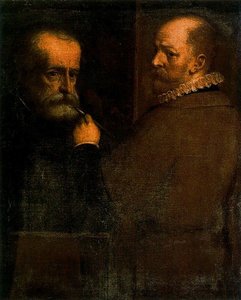
Luca Cambiaso
1527 - 1585 , Italy
Quick Facts
- Artistic Movement Or Style: Genoese School, Mannerism
- Artists Or Movements Influenced By This Artist: ['Genoese School']
- Artists Who Influenced This Artist:
- Correggio
- Raphael
- Date Of Birth: November 18, 1527
- Date Of Death: September 6, 1585
- Full Name: Luca Cambiaso
- Nationality: Italian
- Notable Artworks:
- Madonna and Child
- Venus and Adonis
- Virgin and Child
- Resurrection
- Rape of the Sabines
- Place Of Birth: Moneglia, Italy
Related Articles

Giclée Prints: Archival Quality & Aesthetic Nuances for the Discerning Collector
Explore the world of giclée prints with ArtsDot. Learn about archival quality, aesthetic nuances & investment potential. Expert guidance for discerning art collectors seeking museum-quality reproductions and lasting value.

The Enduring Legacy of Fine Art Prints: Technique, History & Aesthetic Impact
Explore the rich history & techniques of fine art prints. Discover investment potential, assess authenticity, and learn how to preserve your collection with expert guidance. Trusted insights for discerning collectors.
Raphael's Masterpieces: 25 Iconic Paintings & Renaissance Art for Your Home
Explore 25 breathtaking Raphael paintings! Journey through the Italian Renaissance with masterpieces like 'School of Athens' & iconic Madonnas. Find museum-quality art reproductions and elevate your home decor on ArtsDot.com.

Echoes of Time: Exploring the Enduring Appeal & Historical Context of Vintage Art Prints
Explore the captivating world of vintage art prints! Discover their history, collecting tips & enduring appeal. Expert insights on chromolithography and building a legacy collection with ArtsDot.

The Enduring Legacy of Printmaking: Techniques, Themes & Artistic Innovation Across Centuries
Explore the rich history of printmaking with ArtsDot. Discover techniques from intaglio to lithography, learn about collecting valuable prints & find museum-quality reproductions. Expert insights for art enthusiasts and collectors.