

 Preview
 Send
Send Share
Share
 Details

 Download
 Similars
 X-Ray
X-Ray Diaporama
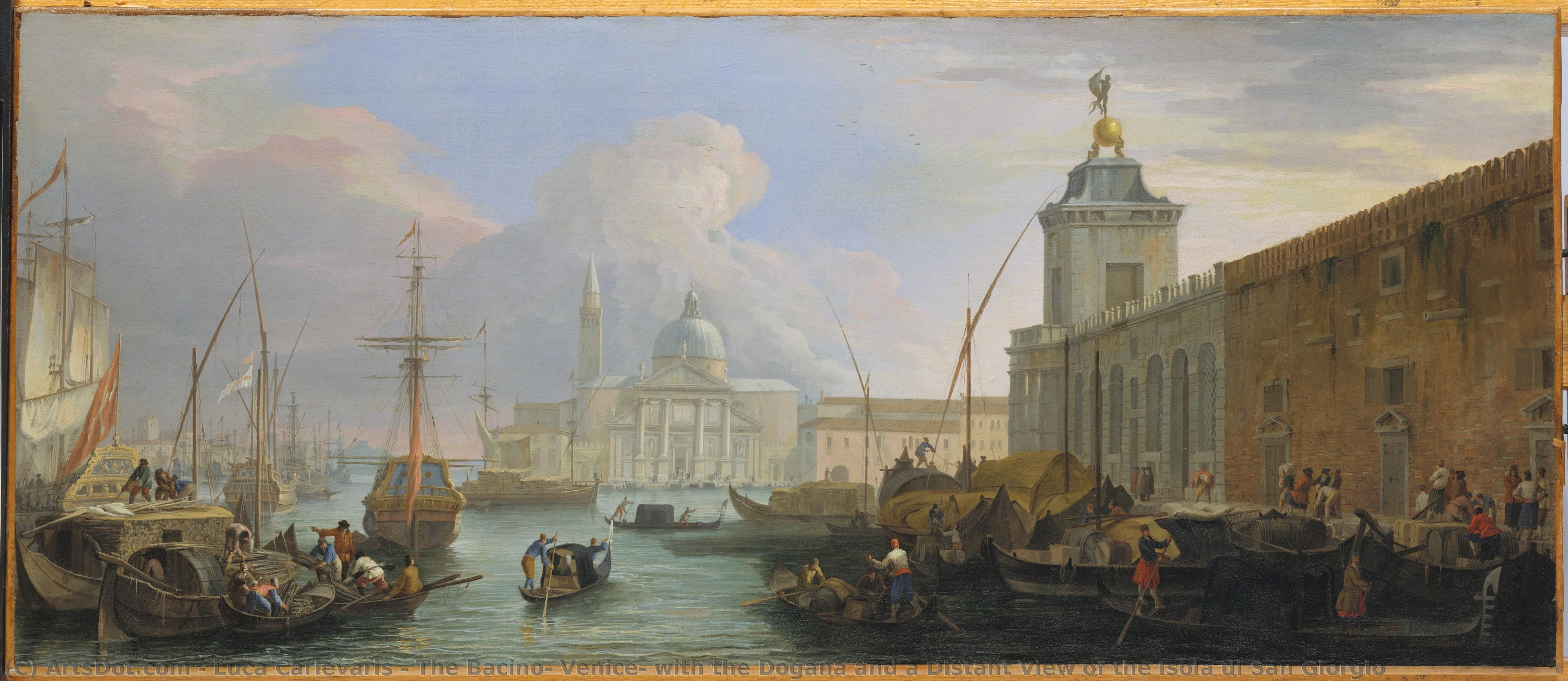
The Bacino, Venice, with the Dogana and a Distant View of the Isola di San Giorgio
 Oil On Canvas
- WallArt
- Baroque
 1709
1709- Early Modern
 51.0 x 120.0 cm
 Metropolitan Museum of Art
 Read More
Purchase a high-resolution, enhanced digital image, far superior to the online preview.
Each file is meticulously prepared by our in-house specialists using advanced tools and expert manual retouching. We ensure every image has exceptional clarity, precise color accuracy, and fine detail.
The final file is delivered via email within 72 hours, optimized for immediate use in professional, editorial, and print environments. This is the same quality trusted by top-tier design studios, publishers, and galleries.
Digital Image
Download a high-resolution file for personal display, printing, and creative projects. ( Buy Print Buy Hand Made Painting)
Included in Every Digital Image Order
Expert Digital Delivery, Guaranteed
When you choose ArtsDot.com, you're not just getting an image - you're receiving a professionally enhanced digital artwork, crafted with precision and backed by a satisfaction guarantee. Here's everything that comes with your order, automatically:

Fast Email Delivery
Your high-resolution digital image file will be emailed to you within 72 hours of ordering - ready for immediate use.

AI-Enhanced Digital File
Your artwork is professionally optimized using advanced AI tools and manual editing, ensuring maximum detail, clarity, and color accuracy.

Free Lifetime Re-Delivery
Accidentally deleted or lost your file? No worries - we'll resend it to you anytime, free of charge.

No Import Fees - Ever
Enjoy your artwork instantly with zero customs, duties, or delivery fees - digital downloads are always tax-free.

Color Accuracy Guarantee
We ensure your digital image reflects the original colors as closely as possible using professional tools and color management.

60-Day Satisfaction Guarantee
If you're not satisfied with your digital image, we'll revise it or refund 100% within 60 days - no questions asked.

100% Money-Back Guarantee
Not satisfied? Get a full refund within 60 days of receiving your digital file - no questions asked.

Bulk Order Discounts
Buy 3 images, save 10% - Buy 5, save 15% - Buy 10+, save 20%. Great for creative projects, galleries, and agencies.
Collectible Description
A Venetian Dream Captured in Light and Water
To gaze upon this magnificent veduta of Venice is to step directly into the golden heart of the eighteenth century. Luca Carlevaris has gifted us more than just a painting; he has preserved a moment—a vibrant, breathing tableau of life unfolding along the Grand Canal. The composition draws the eye deep into the scene, leading it from the immediate foreground where large vessels glide across the water, past the imposing structure of the Dogana, and finally resting upon the distant, majestic silhouette of San Giorgio Maggiore. It is a masterful study in perspective, an invitation to wander through the very arteries of this unparalleled city.
The Artistry of Place: Technique and Detail
Carlevaris’s technique here speaks volumes about his mastery as a topographical painter. The air itself seems palpable; one can almost hear the creak of oars and the murmur of voices carried on the lagoon breeze. Notice the meticulous detail in the architecture—the Dogana, crowned with Bernardino Falcone’s statue of Fortune upon a globe, serves not only as a landmark but as a subtle nod to the era's fascination with worldly success and patronage. The handling of light is particularly breathtaking; it seems to emanate from an unseen source, catching the ripples on the water and lending a luminous quality to the stone façades. This level of precision, combined with the atmospheric depth achieved through his skilled use of aerial perspective, elevates the work beyond mere documentation into high art.
Life in Motion: The Spirit of Venice
What truly animates this canvas are the figures and the boats. Carlevaris was a keen observer of human experience, and here, he populates his grand vista with scenes of daily Venetian life. These scattered vignettes—people strolling, engaging in commerce, or simply enjoying the spectacle from their waterfront vantage points—are what imbue the painting with such profound vitality. They suggest a city that never truly sleeps, a thriving maritime hub where human drama played out against the backdrop of monumental stone and shimmering water. It is this confluence of grand setting and intimate human activity that gives the piece its enduring emotional resonance.
A Legacy for the Modern Collector
For those who appreciate the romance of history or seek to infuse a space with unparalleled cultural depth, this reproduction offers an extraordinary connection to the Baroque period's zenith. Owning a piece echoing Carlevaris’s vision is to possess a tangible piece of Venetian grandeur. It speaks to a time when art served as both record and celebration. Whether displayed in a grand hall or a thoughtfully curated drawing-room, this artwork promises not just decoration, but an immersive experience—a perpetual journey back to the Dogana, the Grand Canal, and the timeless spirit of Venice.
Related Artworks



Artist Biography
Luca Carlevaris: The Venetian Master of Light and Shadow
Luca Carlevaris (1663-1730), a name perhaps less familiar than his contemporaries Canaletto or Guardi, stands as a pivotal figure in the development of Venetian cityscape painting. Born in Udine, Italy, he established himself as a leading artist in Venice, where he spent most of his career, leaving behind a legacy of exquisitely detailed and atmospheric views that captured the essence of the city’s vibrant life and subtle beauty. His work represents a crucial bridge between the Baroque era's dramatic intensity and the subsequent rise of topographical realism, profoundly influencing generations of Venetian artists.
Carlevaris initially gained recognition through his association with the Accademia di San Luca in Rome, a prestigious institution that fostered artistic innovation. There, he was exposed to the techniques and philosophies of the Dutch Masters, particularly Caspar van Wittel, whose pioneering work in vedute – detailed cityscapes – served as a significant inspiration. Van Wittel’s emphasis on perspective, light, and the depiction of urban space profoundly shaped Carlevaris' approach to Venetian painting. This influence is readily apparent in his own series of etchings and paintings of Venice, which meticulously recreate the city’s intricate architecture, bustling streets, and captivating waterways.
A Pioneer of the Veduta
Carlevaris truly distinguished himself as a pioneer of the veduta genre in Venice. Unlike earlier depictions that often focused on grand monuments or idealized views, Carlevaris sought to capture the everyday reality of Venetian life – the crowded markets, the narrow alleyways, the reflections shimmering on the canals. His paintings are characterized by an extraordinary attention to detail, meticulously rendered buildings, and a masterful use of light and shadow. He employed a technique known as ‘chiaroscuro,’ skillfully manipulating contrasts between light and dark to create depth, drama, and a sense of atmosphere.
His most celebrated works, such as “The Piazzetta and the Library” (1720), exemplify this approach. The painting vividly portrays the bustling Piazza San Marco, capturing not only its architectural grandeur but also the lively activity of its inhabitants – merchants, gondoliers, and tourists. The use of perspective is particularly noteworthy, creating a convincing illusion of depth and drawing the viewer into the scene. Carlevaris’s ability to convey both the physical reality and the emotional atmosphere of Venice solidified his reputation as one of the city's foremost landscape painters.
Influences and Artistic Connections
Carlevaris’s artistic journey was shaped by a complex network of influences. As mentioned, Van Wittel’s work provided a foundational model for his approach to cityscape painting. However, he also drew inspiration from Luca Signorelli, the High Renaissance master known for his dramatic frescoes and innovative use of foreshortening. Signorelli's emphasis on anatomical accuracy and dynamic composition can be detected in Carlevaris’s figures, which often possess a sense of movement and vitality.
Furthermore, Carlevaris maintained close ties with other prominent Venetian artists of his time, including Canaletto and Francesco Guardi. These collaborations fostered the exchange of ideas and techniques, contributing to the development of Venetian painting as a whole. It’s believed that these masters were influenced by his work, particularly his innovative use of perspective and light.
Legacy and Historical Significance
Luca Carlevaris's contribution to Venetian art is undeniable. He elevated the veduta genre to new heights, establishing a standard for detail, accuracy, and atmospheric rendering that would be followed by countless artists. His meticulous depictions of Venice provide invaluable insights into the city’s history, culture, and daily life. His work continues to captivate viewers today with its beauty, precision, and evocative portrayal of a bygone era.
Beyond his artistic achievements, Carlevaris's legacy extends through his influence on subsequent generations of Venetian painters. His techniques and approaches served as a foundation for the development of topographical painting in Venice, ensuring that his vision of the city would endure long after his death. His paintings remain treasured works of art, offering a unique window into the soul of Venice during the 18th century.

luca carlevaris
1663 - 1730 , Italy
Quick Facts
- Artistic Movement Or Style: Renaissance, Baroque
- Artists Or Movements Influenced By This Artist:
- Canaletto
- Guardi
- Artists Who Influenced This Artist: ['Luca Signorelli']
- Date Of Birth: 1663
- Date Of Death: 1730
- Full Name: Luca Carlevaris
- Nationality: Italian
- Notable Artworks:
- The Piazzetta and Library
- A Gentleman
- Place Of Birth: Udine, Italy

