

 Preview
 Send
Send Share
Share
 Details

 Download
 Similars
 X-Ray
X-Ray Diaporama
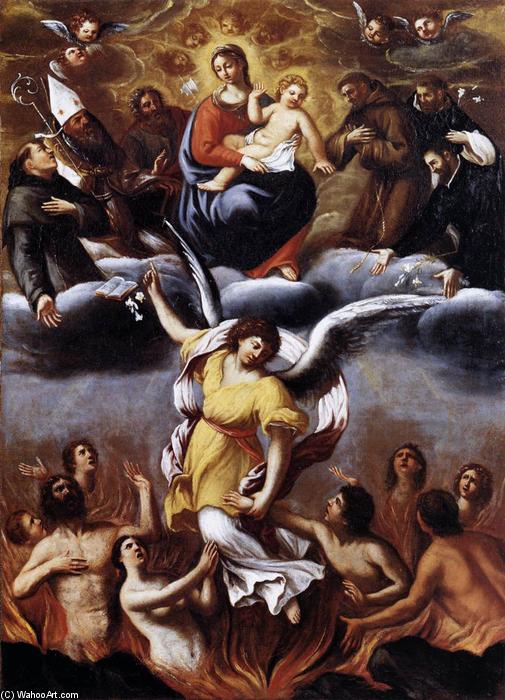
An Angel Frees the Souls of Purgatory
 Acrylic On Canvas
- WallArt
- Baroque
 1610
1610 44.0 x 51.0 cm
 Pinacoteca
 Read More
Purchase a high-resolution, enhanced digital image, far superior to the online preview.
Each file is meticulously prepared by our in-house specialists using advanced tools and expert manual retouching. We ensure every image has exceptional clarity, precise color accuracy, and fine detail.
The final file is delivered via email within 72 hours, optimized for immediate use in professional, editorial, and print environments. This is the same quality trusted by top-tier design studios, publishers, and galleries.
Digital Image
Download a high-resolution file for personal display, printing, and creative projects. ( Buy Print Buy Hand Made Painting)
Included in Every Digital Image Order
Expert Digital Delivery, Guaranteed
When you choose ArtsDot.com, you're not just getting an image - you're receiving a professionally enhanced digital artwork, crafted with precision and backed by a satisfaction guarantee. Here's everything that comes with your order, automatically:

Fast Email Delivery
Your high-resolution digital image file will be emailed to you within 72 hours of ordering - ready for immediate use.

AI-Enhanced Digital File
Your artwork is professionally optimized using advanced AI tools and manual editing, ensuring maximum detail, clarity, and color accuracy.

Free Lifetime Re-Delivery
Accidentally deleted or lost your file? No worries - we'll resend it to you anytime, free of charge.

No Import Fees - Ever
Enjoy your artwork instantly with zero customs, duties, or delivery fees - digital downloads are always tax-free.

Color Accuracy Guarantee
We ensure your digital image reflects the original colors as closely as possible using professional tools and color management.

60-Day Satisfaction Guarantee
If you're not satisfied with your digital image, we'll revise it or refund 100% within 60 days - no questions asked.

100% Money-Back Guarantee
Not satisfied? Get a full refund within 60 days of receiving your digital file - no questions asked.

Bulk Order Discounts
Buy 3 images, save 10% - Buy 5, save 15% - Buy 10+, save 20%. Great for creative projects, galleries, and agencies.
Ludovico Carracci: Illuminating Bolognese Baroque
The painting “An Angel Frees the Souls of Purgatory,” attributed to Ludovico Carracci, embodies the spirit of Bolognese Baroque—a movement that sought to transcend Renaissance restraint and embrace dramatic emotion alongside meticulous detail. Completed in 1610, this artwork represents more than just a visual depiction; it’s a testament to Carracci's mastery of artistic technique and his profound engagement with religious iconography prevalent during his time.Style and Technique: A Synthesis of Classical Idealism
Carracci’s style exemplifies the harmonious blend of classical idealism—inherited from Raphael—with Baroque dynamism. Unlike the polished surfaces favored by earlier Renaissance artists, Carracci employed a looser brushstroke technique, prioritizing expressive color and tonal variation to convey spiritual fervor. The painting utilizes chiaroscuro – dramatic contrasts between light and dark – skillfully sculpting figures and creating an immersive atmosphere that draws viewers into the scene’s emotional core. Notice how Carracci meticulously renders textures, particularly in the drapery of Mary and Jesus, demonstrating a dedication to realism that nonetheless serves the overarching artistic purpose.Historical Context: The Counter-Reformation's Artistic Response
The painting emerged during the height of the Counter-Reformation, a period marked by papal decrees aimed at reinvigorating Catholic faith following the Protestant Reformation. Bolognese artists responded to this religious fervor with works designed to inspire piety and reaffirm Christian dogma. “An Angel Frees the Souls of Purgatory” depicts Jesus Christ rescuing souls trapped in purgatory—a concept central to Catholic theology—emphasizing divine compassion and redemption. The inclusion of angelic figures reinforces the narrative’s spiritual significance, aligning seamlessly with the artistic conventions of the era.Symbolism: Layers of Meaning Beyond Visual Representation
Beyond its immediate depiction, the artwork is rich in symbolic elements. The angel holding aloft the baby Jesus symbolizes divine protection and grace—a recurring motif within Baroque art reflecting a desire to communicate theological truths through visual imagery. The bird soaring above represents hope and ascension, mirroring the spiritual journey undertaken by souls striving for salvation. Even seemingly mundane objects like the clock serve as reminders of mortality and underscore the urgency of faith. Carracci’s careful consideration of symbolism elevates the painting beyond mere aesthetic pleasure, inviting contemplation on profound moral and spiritual themes.Emotional Impact: Capturing Divine Grace
“An Angel Frees the Souls of Purgatory” succeeds in eliciting a powerful emotional response from viewers. The luminous colors—particularly the golden hues adorning Mary’s robes—evoke feelings of reverence and tranquility, while the expressive faces of Jesus and Mary convey compassion and tenderness. Carracci's masterful use of chiaroscuro creates an atmosphere of solemn grandeur, transporting the viewer into a realm of spiritual contemplation. It is precisely this ability to communicate emotion effectively that distinguishes Baroque art from its predecessor—a testament to Carracci’s artistic genius and his enduring legacy as one of Bolognese Baroque’s foremost practitioners.- Artist: Ludovico Carracci
- Birth Year: 1555
- Death Year: 1619
- Birth City: Bologna
- Birth Country: Italy
Related Artworks
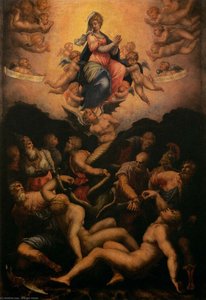
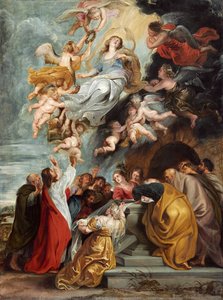
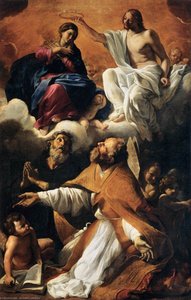
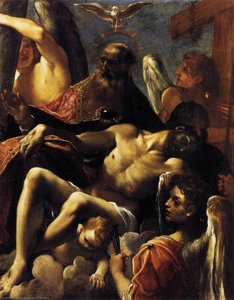
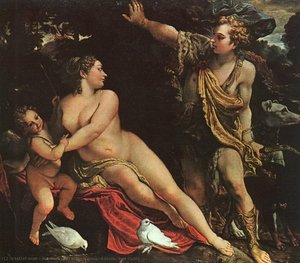
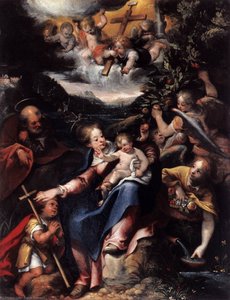
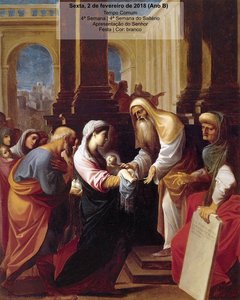
Artist Biography
The Architect of Bolognese Baroque
In the vibrant, intellectual heart of Bologna, a city where Renaissance tradition met the burgeoning spirit of a new era, Ludovico Carracci emerged as a transformative force in European art. Born in 1555, his life was inextricably linked to the very foundations of the Bolognese School. As part of the illustrious Carracci family, alongside his cousins Annibale and Agostino, Ludovico did not merely participate in an artistic movement; he helped architect the transition from the stylized, often artificial elegance of Mannerism to the profound, emotive naturalism of the Baroque. His early years were shaped by the workshop of his father, Prospero Carracci, a setting that served as a crucible for experimentation and a sanctuary for the study of disegno—the meticulous observation of form and anatomy that would become a hallmark of his legacy.
While his cousins often sought fame in the grand courts of Rome, Ludovico remained deeply rooted in his native Bologna. This steadfast connection allowed him to cultivate a unique artistic sanctuary, running an academy that became a beacon for the next generation of masters, including Guido Reni and Domenichino. His work represents a masterful synthesis of historical influences; he drew upon the divine grace of Raphael, the soft luminosity of Correggio, and the rich colorism of Titian, yet he infused these classical elements with a new, dramatic vitality. By rejecting the attenuated and often strained poses of late Mannerist painters like Parmigianino, Ludovico embraced a more visceral reality, utilizing bold gestures and a flickering, atmospheric light to stir the souls of his viewers.
Light, Shadow, and Spiritual Intensity
The true genius of Ludovico Carracci lies in his ability to manipulate chiaroscuro—the dramatic interplay of light and shadow—to serve as a conduit for spiritual contemplation. His canvases are rarely mere depictions of biblical events; they are immersive experiences designed to evoke religious fervor. In works such as An Angel Frees the Souls of Purgatory, one can witness how his use of light does not simply illuminate a scene but actively participates in its narrative, carving figures out of the darkness to highlight moments of divine compassion and grace. This technique, reminiscent of the burgeoning naturalism seen in Caravaggio, allowed him to imbue even the most sacred subjects with a palpable, human emotion.
His mastery extended across various mediums, from the monumental scale of frescoes to the delicate precision of etchings and prints. Whether he was capturing the serene sanctity of the Presentation in the Temple or the muscular, heroic tension found in his Male Nude (Hercules ?), there is a consistent thread of emotional depth running through his oeuvre. His religious paintings, such as the Bargellini Madonna, showcase an ability to organize complex groups of saints and angels into harmonious yet dynamic compositions, where every fold of drapery and every tilt of a head contributes to a larger sense of celestial movement.
A Lasting Legacy in the Italian Canon
The historical significance of Ludovico Carracci cannot be overstated. He was a pivotal figure who helped reinvigorate Italian art at a time when it risked becoming stagnant under the weight of its own formalistic traditions. By championing a style that prioritized emotional truth and naturalistic observation, he provided the blueprint for the Baroque era's most celebrated achievements. His influence radiated outward from Bologna, shaping the aesthetic language of much of Europe and providing a foundation for the classical naturalism that would dominate the 17th century.
As we reflect on his life and work, we see an artist who successfully bridged two worlds: the structured perfection of the Renaissance and the dramatic, theatrical energy of the Baroque. His ability to marry the intellectual rigor of disegno with a profound sense of colore and emotional resonance ensures his place as one of the most vital painters of his age. Through his devotion to his craft and his commitment to the spiritual power of art, Ludovico Carracci left an indelible mark on the history of Western painting, reminding us that true beauty lies in the intersection of technical mastery and the human heart.
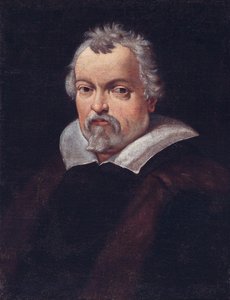
ludovico carracci
1555 - 1619 , Italy
Quick Facts
- Artistic Movement Or Style: Baroque Painting
- Artists Or Movements Influenced By This Artist:
- Caravaggio
- Guido Reni
- Artists Who Influenced This Artist:
- Michelangelo
- Raphael
- Date Of Birth: April 21, 1555
- Date Of Death: 1619
- Full Name: Ludovico Carracci
- Nationality: Italian
- Notable Artworks:
- The Vision of Saint Francis of Assisi
- Ludovico Carracci
- The Stories of Jason
- Place Of Birth: Bologna, Italy

