 Preview
 Send
Send Share
Share
 Details

 Download
 Similars
 X-Ray
X-Ray Diaporama
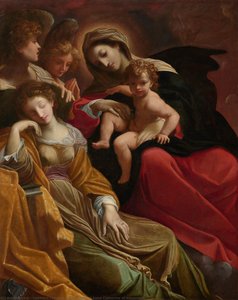
The Dream of Saint Catherine of Alexandria
 Oil On Canvas
- WallArt
- Baroque
 1593
1593- Early Modern
 139.0 x 11.0 cm
 National Gallery of Art
 Read More
Hand Made Oil Reproduction
Hand-painted oil on canvas in your size and frame, made to order by our artists. ( Buy Print Buy Image)




P118B $10

P118H $10

P118W $10

P438Z $10

P508JH $12

P508YH $12

P805H $10

P805Z $10

P919BZ $10

P919G $10

P919XJ $10

P959ZH $10

P968JZ $12

W106C $8

W218G $10

W218JH $8

W218Y $10

W307PJ $10

W316G $10

W316PJ $8

W316Y $10

W398PJ $8

W4111J $10

W500HY $15

W500JH $15

W692G $12

W849H $8

W940BG $15

W953PJ $8




Pick from our preset sizes that match the artwork's original proportions.

You may enter your own dimensions to fit a specific frame or space. If your selected size does not match the original image's proportions, we will either crop the artwork or extend the painting with additional hand-painted elements. A digital mockup will be sent for your approval before production begins.
Please note that the on-screen preview does not reflect the actual cropping or extension. Only the mockup will accurately show the final composition.
While custom sizes are available, we recommend selecting a dimension from the predefined list to preserve the original proportions.
After order, ArtsDot.com team will email client for instructions and provide a mockup preview
Worldwide Delivery () in 3/4 weeks instead of standard 5 weeks. (16 August). No compromise on quality.

Free Worldwide Express Shipping

High-Quality Linen Canvas

Full Shipping Insurance

Customs Tax Refund Guarantee

True Color Matching Guarantee

60-Day Return Policy (Defects Only)

100% Money-Back Guarantee

Bulk Discount Offer
 Glass option is only available in size under 110 CM

The Dream of Saint Catherine of Alexandria
Reproduction Medium
Reproduction Size
-


Total Price
$ 363
Artwork Description
A Vision of Divine Intimacy: The Dream of Saint Catherine
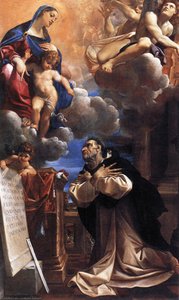
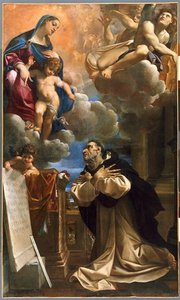
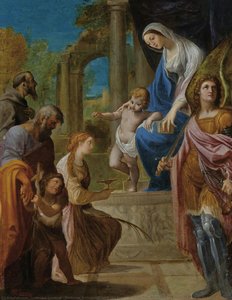
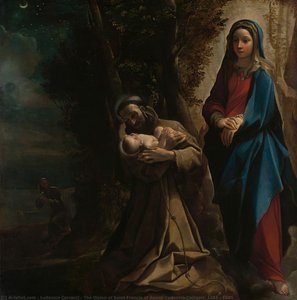
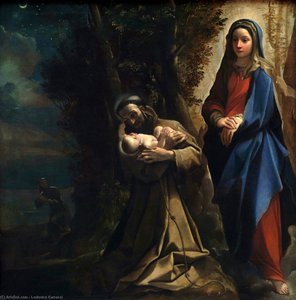
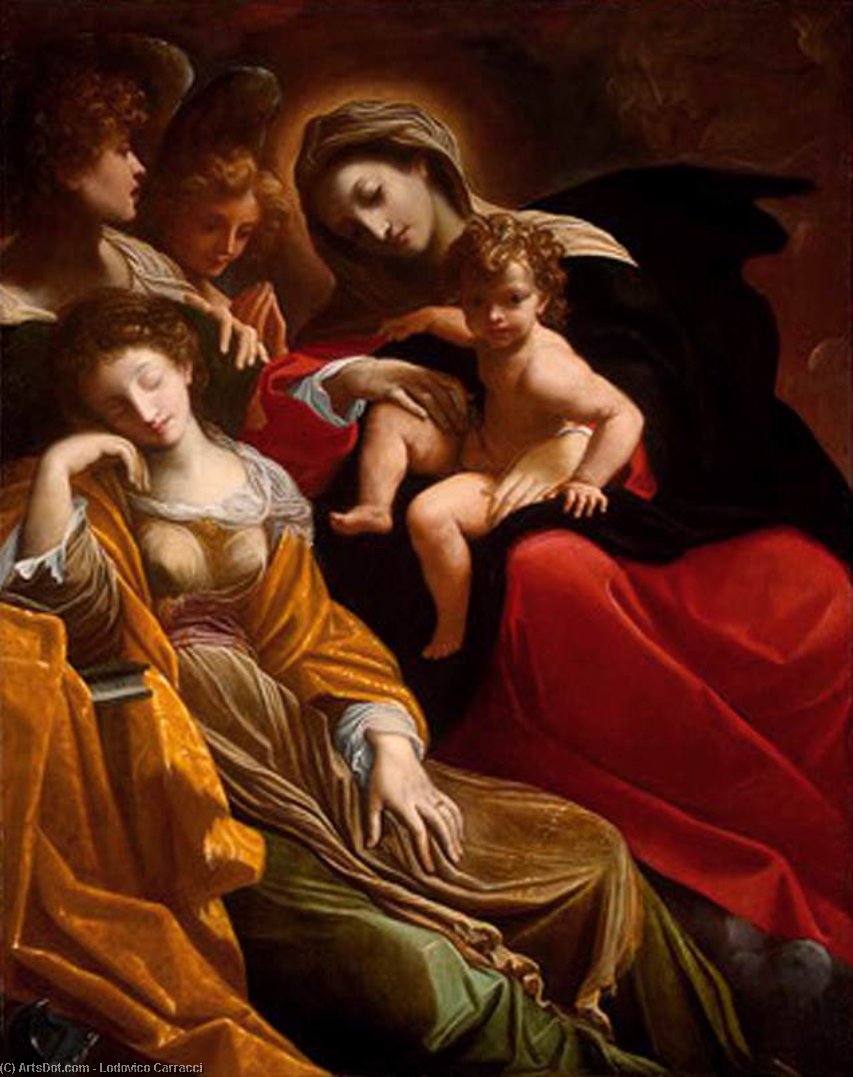
To gaze upon this depiction of The Dream of Saint Catherine of Alexandria is to step directly into the heart of Baroque devotion. It is an artwork that does not merely hang on a wall; it envelops the viewer in a palpable atmosphere of sacred serenity and profound familial love. The composition immediately draws the eye into a pyramidal embrace, centering the Virgin Mary with the infant Jesus at its apex. This arrangement speaks volumes about the spiritual hierarchy and the tender bond between mother and child, rendered with an almost breathtaking sense of warmth. The overall impression is one of quiet miracle, captured in rich, luminous oils that seem to glow from within.
Baroque Drama and Luminous Technique
The style is unmistakably Baroque, a period characterized by its emotional intensity and dramatic flair. Yet, Carracci tempers this drama with an exquisite sense of grace. Observe the handling of light: it is directional, originating from an unseen source above and to the left, carving out the forms of the figures while leaving deep, suggestive shadows. This masterful use of chiaroscuro gives the scene incredible volume and three-dimensionality. The technique itself speaks to meticulous craftsmanship; one can almost feel the rich layers built up through oil paint, particularly in the sumptuous drapery and the ethereal glow emanating from the halos. Carracci’s ability to blend academic structure with emotional fervor is evident in every soft, flowing line.
Symbolism Woven into Sacred Narrative
Beyond the immediate beauty lies a tapestry of rich symbolism. The presence of angels surrounding the central figures elevates the scene beyond mere portraiture; it situates Mary and Jesus within a divine context. The halos are not just decorative accents, but potent symbols of their holiness, marking them as conduits for grace. Furthermore, the very subject—a dream—suggests that this intimacy is divinely ordained, a moment glimpsed between worlds. The color palette reinforces this piety, utilizing deep ochres, warm browns, and shimmering golds that evoke both earthly richness and heavenly glory.
Historical Echoes of Bolognese Mastery
Created in 1593 by Ludovico Carracci, this piece anchors itself firmly within the golden age of Bologna. Carracci stood at a pivotal moment in art history, bridging the classical ideals of the Renaissance with the dramatic emotionalism that would define the Baroque era. His work reflects his deep grounding in tradition while simultaneously pushing boundaries toward greater emotional realism. Owning a reproduction of this painting is to connect your space not just to art, but to the very intellectual and spiritual currents that shaped Western art for centuries.
An Emotional Resonance for Modern Spaces
For the collector or designer, this piece offers more than mere decoration; it offers an emotional anchor. The sense of peace, profound love, and quiet devotion radiating from the canvas is instantly restorative. Its shallow perspective creates an immediate intimacy with the viewer, making it perfect for a private chapel, a richly appointed drawing-room, or any space where contemplation and beauty are paramount. It promises not just visual splendor, but a moment of hushed, sacred reflection.
Related Artworks
Artist Biography
The Architect of Bolognese Baroque
In the vibrant, intellectual heart of Bologna, a city where Renaissance tradition met the burgeoning spirit of a new era, Ludovico Carracci emerged as a transformative force in European art. Born in 1555, his life was inextricably linked to the very foundations of the Bolognese School. As part of the illustrious Carracci family, alongside his cousins Annibale and Agostino, Ludovico did not merely participate in an artistic movement; he helped architect the transition from the stylized, often artificial elegance of Mannerism to the profound, emotive naturalism of the Baroque. His early years were shaped by the workshop of his father, Prospero Carracci, a setting that served as a crucible for experimentation and a sanctuary for the study of disegno—the meticulous observation of form and anatomy that would become a hallmark of his legacy.
While his cousins often sought fame in the grand courts of Rome, Ludovico remained deeply rooted in his native Bologna. This steadfast connection allowed him to cultivate a unique artistic sanctuary, running an academy that became a beacon for the next generation of masters, including Guido Reni and Domenichino. His work represents a masterful synthesis of historical influences; he drew upon the divine grace of Raphael, the soft luminosity of Correggio, and the rich colorism of Titian, yet he infused these classical elements with a new, dramatic vitality. By rejecting the attenuated and often strained poses of late Mannerist painters like Parmigianino, Ludovico embraced a more visceral reality, utilizing bold gestures and a flickering, atmospheric light to stir the souls of his viewers.
Light, Shadow, and Spiritual Intensity
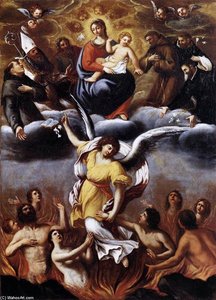
The true genius of Ludovico Carracci lies in his ability to manipulate chiaroscuro—the dramatic interplay of light and shadow—to serve as a conduit for spiritual contemplation. His canvases are rarely mere depictions of biblical events; they are immersive experiences designed to evoke religious fervor. In works such as An Angel Frees the Souls of Purgatory, one can witness how his use of light does not simply illuminate a scene but actively participates in its narrative, carving figures out of the darkness to highlight moments of divine compassion and grace. This technique, reminiscent of the burgeoning naturalism seen in Caravaggio, allowed him to imbue even the most sacred subjects with a palpable, human emotion.
His mastery extended across various mediums, from the monumental scale of frescoes to the delicate precision of etchings and prints. Whether he was capturing the serene sanctity of the Presentation in the Temple or the muscular, heroic tension found in his Male Nude (Hercules ?), there is a consistent thread of emotional depth running through his oeuvre. His religious paintings, such as the Bargellini Madonna, showcase an ability to organize complex groups of saints and angels into harmonious yet dynamic compositions, where every fold of drapery and every tilt of a head contributes to a larger sense of celestial movement.
A Lasting Legacy in the Italian Canon
The historical significance of Ludovico Carracci cannot be overstated. He was a pivotal figure who helped reinvigorate Italian art at a time when it risked becoming stagnant under the weight of its own formalistic traditions. By championing a style that prioritized emotional truth and naturalistic observation, he provided the blueprint for the Baroque era's most celebrated achievements. His influence radiated outward from Bologna, shaping the aesthetic language of much of Europe and providing a foundation for the classical naturalism that would dominate the 17th century.
As we reflect on his life and work, we see an artist who successfully bridged two worlds: the structured perfection of the Renaissance and the dramatic, theatrical energy of the Baroque. His ability to marry the intellectual rigor of disegno with a profound sense of colore and emotional resonance ensures his place as one of the most vital painters of his age. Through his devotion to his craft and his commitment to the spiritual power of art, Ludovico Carracci left an indelible mark on the history of Western painting, reminding us that true beauty lies in the intersection of technical mastery and the human heart.
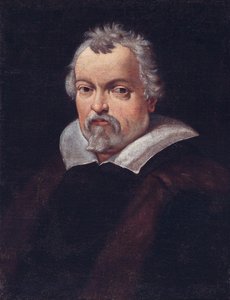
ludovico carracci
1555 - 1619 , Italy
Quick Facts
- Artistic Movement Or Style: Baroque Painting
- Artists Or Movements Influenced By This Artist:
- Caravaggio
- Guido Reni
- Artists Who Influenced This Artist:
- Michelangelo
- Raphael
- Date Of Birth: April 21, 1555
- Date Of Death: 1619
- Full Name: Ludovico Carracci
- Nationality: Italian
- Notable Artworks:
- The Vision of Saint Francis of Assisi
- Ludovico Carracci
- The Stories of Jason
- Place Of Birth: Bologna, Italy
Related Articles

The Dramatic Flourish: Exploring the Baroque Movement's Enduring Legacy in Art History
Explore the dramatic world of Baroque art! Discover iconic artists like Caravaggio & Rubens, defining techniques, and its lasting impact on art history. Expert insights for collectors & enthusiasts at ArtsDot.

Baroque Drama: Bringing Opulence & Emotion into Contemporary Interiors
Explore the opulent world of Baroque interior design! Discover key elements, modern applications & how to bring dramatic elegance into your home with 's authentic reproductions.

Baroque Masterpieces: 10 Paintings That Defined an Era |
Journey through the drama & grandeur of Baroque art! Explore 10 masterpieces by Caravaggio, Rembrandt, Rubens & more. Discover stunning oil paintings, rich colors & timeless stories. Find museum-quality reproductions at .

The Enduring Power of Painting: A Historical & Contemporary Exploration of Form and Emotion
Explore the rich history & enduring techniques of oil painting with ArtsDot. Discover masterpieces, learn about art collecting, and find authentic handmade reproductions crafted by skilled artists.
Annibale Carracci: Bridging Renaissance Ideals & Baroque Innovation
Explore the life & art of Annibale Carracci, a pivotal figure bridging Renaissance ideals with Baroque innovation. Discover his masterpieces and lasting influence on Italian painting.