 Preview
 Send
Send Share
Share
 Details

 Download
 Similars
 X-Ray
X-Ray Diaporama
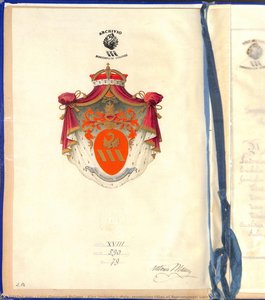
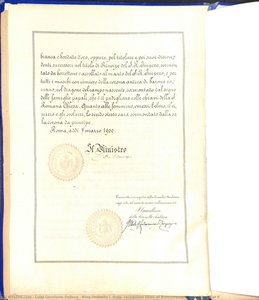
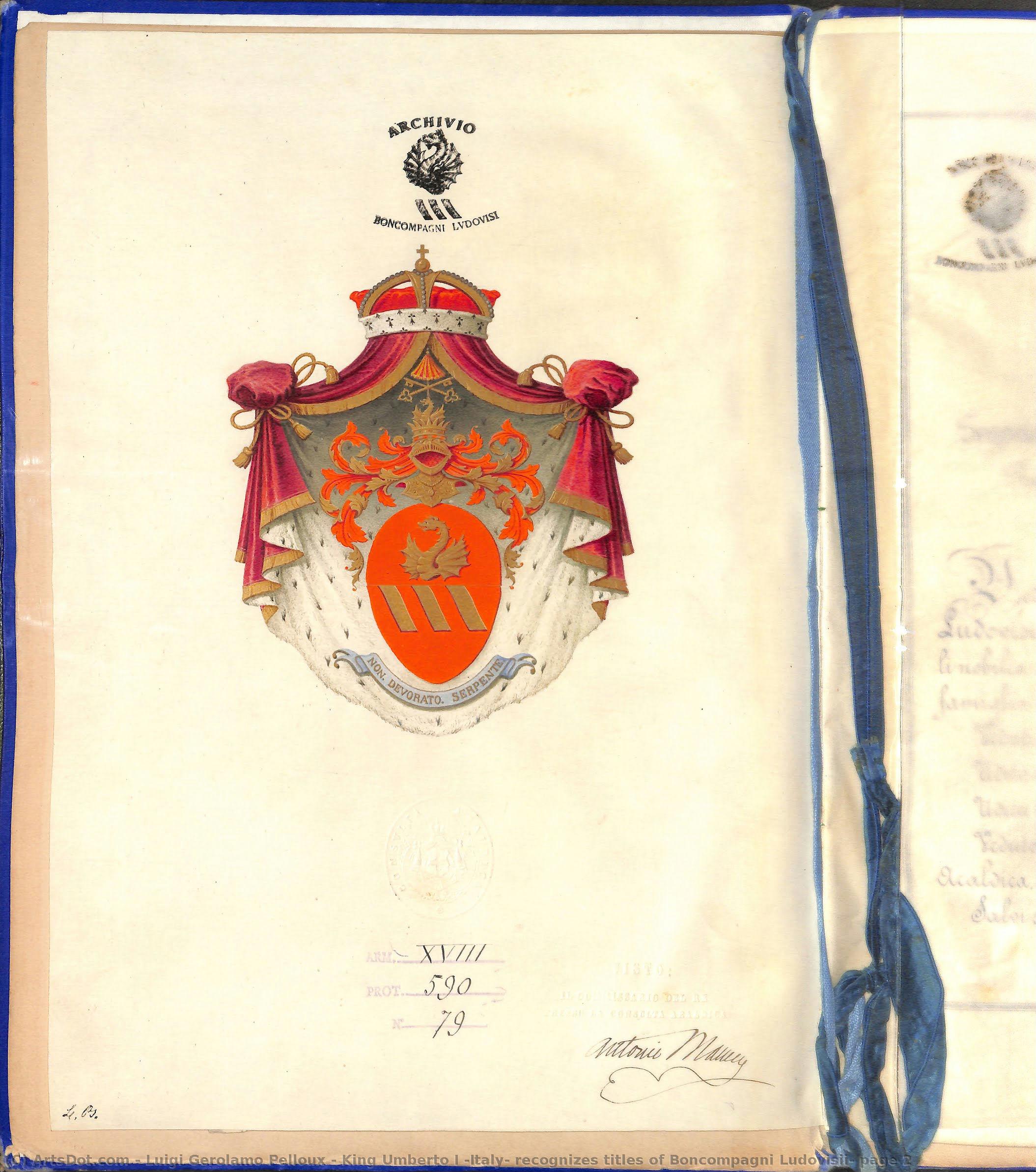
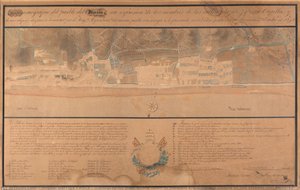
King Umberto I (Italy) recognizes titles of Boncompagni Ludovisii: page 2

 Read More
Hand Made Oil Reproduction
Hand-painted oil on canvas in your size and frame, made to order by our artists. ( Buy Print Buy Image)




































Pick from our preset sizes that match the artwork's original proportions.

You may enter your own dimensions to fit a specific frame or space. If your selected size does not match the original image's proportions, we will either crop the artwork or extend the painting with additional hand-painted elements. A digital mockup will be sent for your approval before production begins.
Please note that the on-screen preview does not reflect the actual cropping or extension. Only the mockup will accurately show the final composition.
While custom sizes are available, we recommend selecting a dimension from the predefined list to preserve the original proportions.
After order, ArtsDot.com team will email client for instructions and provide a mockup preview
Worldwide Delivery () in 3/4 weeks instead of standard 5 weeks. (30 August). No compromise on quality.

Free Worldwide Express Shipping

High-Quality Linen Canvas

Full Shipping Insurance

Customs Tax Refund Guarantee

True Color Matching Guarantee

60-Day Return Policy (Defects Only)

100% Money-Back Guarantee

Bulk Discount Offer
 Glass option is only available in size under 110 CM

King Umberto I (Italy) recognizes titles of Boncompagni Ludovisii: page 2
Reproduction Medium
Reproduction Size
-


Total Price
$ 263
Related Artworks
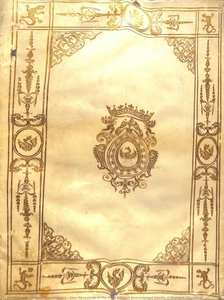
Artist Biography
Luigi Gerolamo Pelloux: A Conservative Hand in Italian History
Luigi Gerolamo Pelloux (1839-1924) remains a complex and often controversial figure in Italian history – a general, politician, and Prime Minister whose tenure was defined by a conservative, militaristic approach. Born in La Roche-sur-Foron, France, to parents retaining their Italian citizenship following Savoy’s annexation, Pelloux's life intertwined the traditions of both nations, ultimately shaping his political outlook. His legacy isn’t one of artistic creation, but rather a pivotal role in navigating Italy’s turbulent late 19th and early 20th centuries – a period marked by rapid unification, social unrest, and burgeoning imperial ambitions. ArtsDot offers meticulously crafted reproductions of the few known works attributed to Pelloux, providing a tangible connection to this significant, yet often overlooked, historical figure.Early Life and Military Career
Pelloux’s early life was steeped in military service. Entering the artillery corps in 1857, he quickly distinguished himself through bravery, earning recognition for his role at the Battle of Custoza in 1866. This victory, a key moment in the Austro-Prussian War, foreshadowed his future leadership within the Italian army. He rose steadily through the ranks, demonstrating strategic acumen and an unwavering commitment to duty. Notably, he played a crucial role in the capture of Rome in 1870, commanding artillery that breached the walls of Porta Pia – a symbolic act signifying the completion of Italian unification. Following this triumph, Pelloux entered the War Office, implementing vital reforms aimed at modernizing the military structure and bolstering its capabilities. His appointment as Chief of Staff in 1896 marked a significant elevation, placing him at the heart of Italy’s burgeoning military power.Prime Minister and the Sino-Italian Crisis
Pelloux's political career truly began in 1898 when he was entrusted with forming a new government following the fall of Antonio Starabba’s administration. His appointment coincided with a period of intense political instability, fueled by social unrest and demands for economic reform. As Prime Minister, Pelloux adopted a firm, conservative stance, prioritizing order and stability above all else. However, his tenure was dramatically overshadowed by the Sino-Italian Crisis of 1899. Driven by a desire to assert Italy’s influence in East Asia, Foreign Minister Felice Napoleone Canevaro initiated negotiations for a naval coaling station at Sanmen Bay in China – mirroring Germany's established presence. China’s refusal led to a humiliating ultimatum and ultimately, the failure of Italy’s imperial ambitions. This debacle, widely perceived as a national embarrassment, severely damaged Pelloux’s reputation and contributed directly to his resignation in 1900. The crisis exposed deep divisions within the government and highlighted the limitations of Italy's military strength on the international stage.Artistic Legacy and Historical Context
While Pelloux is primarily known for his political career, a small number of paintings are attributed to him, offering glimpses into his artistic sensibilities and the historical context of his time. ArtsDot specializes in reproducing these works with meticulous attention to detail, capturing the grandeur and formality characteristic of Italian art during the late 19th century. These pieces often depict scenes of military parades, official portraits, or historical events – reflecting Pelloux’s background as a general and his role in shaping Italy's national identity. It is important to note that Pelloux was not an artist in the traditional sense; rather, he commissioned works that served to reinforce his authority and project an image of strength and stability. His artistic patronage reflects the broader trends of Italian society at the time – a desire for national unity and a renewed emphasis on military prowess.A Legacy of Conservatism and Militarism
Luigi Gerolamo Pelloux’s legacy remains complex and debated by historians. His rule as Prime Minister was characterized by conservative policies, suppression of dissent, and a strengthening of the military – traits that cemented his reputation as a militarist leader. While he oversaw significant reforms within the army, his approach to domestic politics was often authoritarian, prioritizing order over individual liberties. Despite his short tenure, Pelloux’s actions had a lasting impact on Italy's political landscape, shaping the trajectory of Italian politics in the early 20th century. Reproductions of his artwork, available through ArtsDot, provide a valuable opportunity to engage with this pivotal figure and explore the complexities of a critical period in Italian history – a time when ambition, instability, and national identity were inextricably intertwined.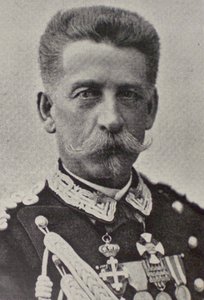
luigi gerolamo pelloux
1839 - 1924 , France
Quick Facts
- Artistic Movement Or Style: Political figure
- Date Of Birth: 1839-03-01
- Date Of Death: 1924-10-26
- Full Name: Luigi Gerolamo Pelloux
- Nationality: Italian/Savoyard
- Notable Artworks: ['King Umberto I']
- Place Of Birth: La Roche-sur-Foron, France