 Preview
 Send
Send Share
Share
 Details

 Download
 Similars
 X-Ray
X-Ray Diaporama
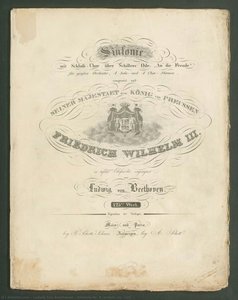
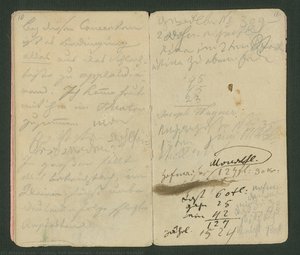
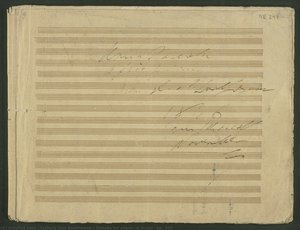
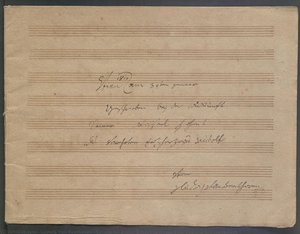
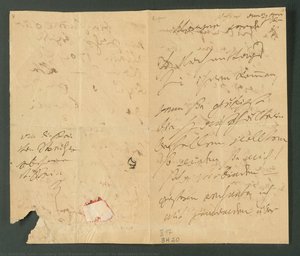
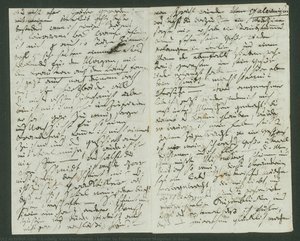
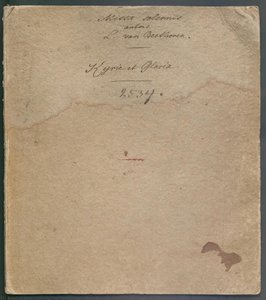
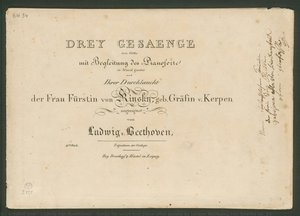
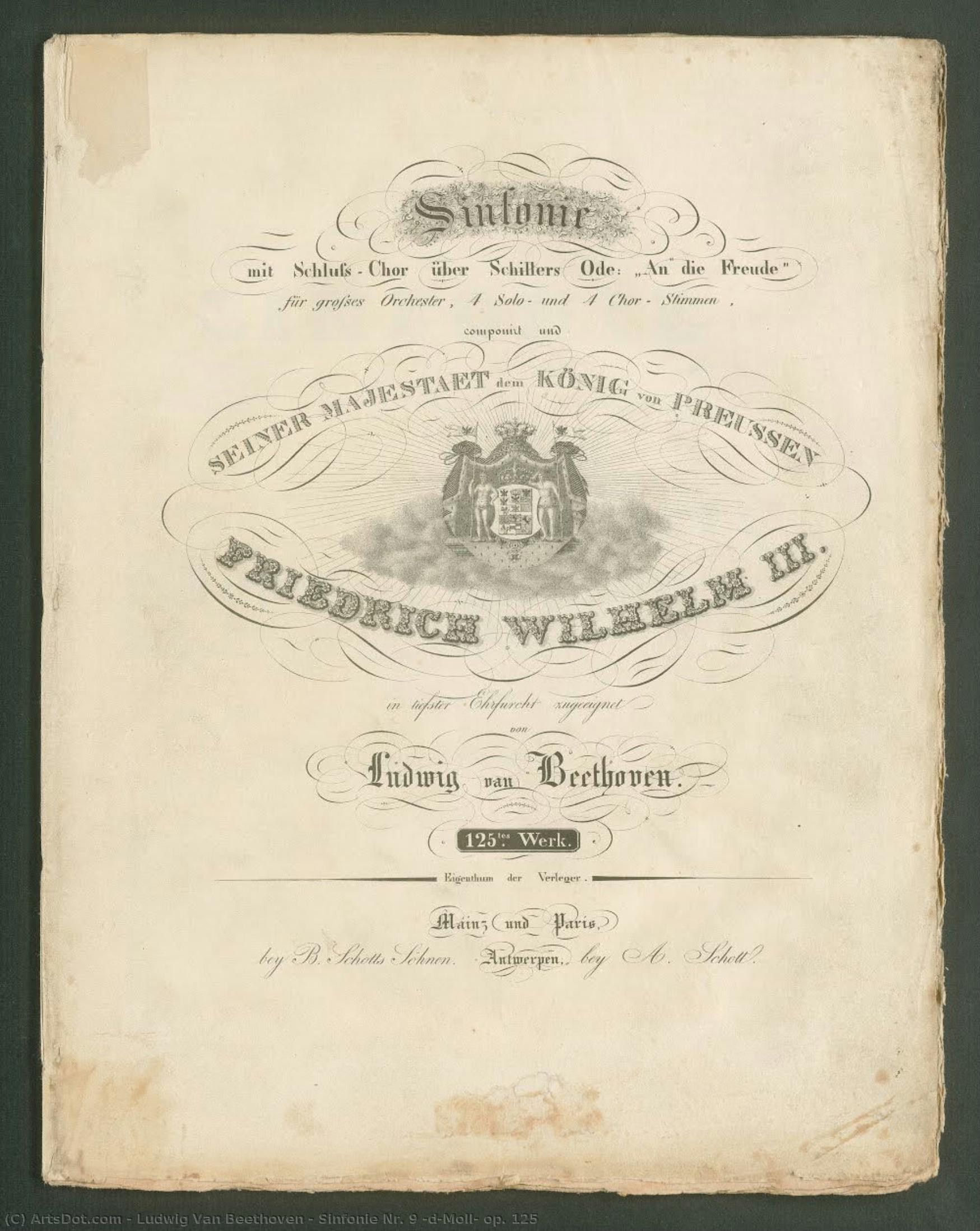
Sinfonie Nr. 9 (d-Moll) op. 125


 Read More
Hand Made Oil Reproduction
Hand-painted oil on canvas in your size and frame, made to order by our artists. ( Buy Print Buy Image)




P118B $10

P118H $10

P118W $10

P438Z $10

P508JH $12

P508YH $12

P805H $10

P805Z $10

P919BZ $10

P919G $10

P919XJ $10

P959ZH $10

P968JZ $12

W106C $8

W218G $10

W218JH $8

W218Y $10

W307PJ $10

W316G $10

W316PJ $8

W316Y $10

W398PJ $8

W4111J $10

W500HY $15

W500JH $15

W692G $12

W849H $8

W940BG $15

W953PJ $8




Pick from our preset sizes that match the artwork's original proportions.

You may enter your own dimensions to fit a specific frame or space. If your selected size does not match the original image's proportions, we will either crop the artwork or extend the painting with additional hand-painted elements. A digital mockup will be sent for your approval before production begins.
Please note that the on-screen preview does not reflect the actual cropping or extension. Only the mockup will accurately show the final composition.
While custom sizes are available, we recommend selecting a dimension from the predefined list to preserve the original proportions.
After order, ArtsDot.com team will email client for instructions and provide a mockup preview
Worldwide Delivery () in 3/4 weeks instead of standard 5 weeks. (17 August). No compromise on quality.

Free Worldwide Express Shipping

High-Quality Linen Canvas

Full Shipping Insurance

Customs Tax Refund Guarantee

True Color Matching Guarantee

60-Day Return Policy (Defects Only)

100% Money-Back Guarantee

Bulk Discount Offer
 Glass option is only available in size under 110 CM

Sinfonie Nr. 9 (d-Moll) op. 125
Reproduction Medium
Reproduction Size
-


Total Price
$ 263
Artwork Description
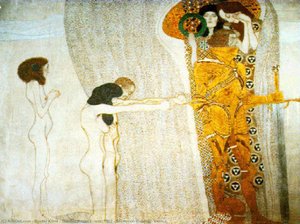
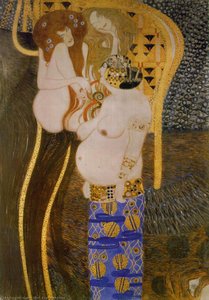
Symphony No. 9 (d-Moll) op. 125: A Titan of Sound and Spirit
Ludwig van Beethoven’s Symphony No. 9 in D minor, Op. 125, stands as a monumental achievement—a cornerstone of the Romantic era and a testament to the enduring power of human aspiration. More than just a collection of musical movements, it's an immersive experience, a journey through darkness and light, struggle and triumph. Commissioned initially for the Philharmonic Society of London in 1817, its premiere in Vienna in 1824 remains etched in history not only for its groundbreaking orchestration but also for the profound emotional resonance it evoked within the audience – a moment that profoundly impacted Beethoven himself.
The symphony’s genesis is inextricably linked to Beethoven's increasing deafness. By the early 1820s, he was virtually unable to hear, yet this challenge fueled an extraordinary creative surge. The Ninth Symphony wasn’t merely a response to his affliction; it was a defiant assertion of artistic will, a declaration that music could transcend the limitations of the physical world and speak directly to the soul. The work draws heavily on earlier sketches, including the “Choral Fantasy” (Op. 80) and fragments from the “Missa Solemnis,” demonstrating Beethoven’s meticulous process of refinement and expansion.
A Revolutionary Structure: The Ode to Joy
Beethoven boldly departed from traditional symphonic form with the Ninth, introducing a choral finale that was utterly unprecedented. The fourth movement, famously known as “Ode to Joy,” is not simply an addition; it’s the heart of the symphony, a soaring anthem inspired by Friedrich Schiller's poem "An die Freude" ("To Joy"). The text, adapted by Beethoven himself, celebrates universal brotherhood and the potential for human unity. The movement’s harmonic language—shifting between D minor and D major—mirrors the emotional arc of the piece: from profound melancholy to radiant optimism.
The orchestration is equally revolutionary. Beethoven employs a massive orchestra – nearly twice the size of a typical symphony orchestra at the time – utilizing expanded string sections, prominent brass, and innovative woodwind combinations. He masterfully utilizes dynamics—from hushed whispers to thunderous climaxes—to create an incredibly rich and dramatic soundscape. The use of voices in the final movement was also groundbreaking, marking a significant shift towards incorporating vocal elements into instrumental music.
Symbolism and Emotional Depth
Beyond its structural innovations, the Ninth Symphony is laden with symbolism. The D minor key, often associated with struggle and introspection, dominates much of the work, reflecting Beethoven’s personal challenges and the broader anxieties of his time. However, the triumphant shift to D major in the final movement represents a profound victory—a celebration of hope, compassion, and the enduring spirit of humanity.
The “Ode to Joy” itself is more than just a celebratory melody; it’s an embodiment of Beethoven's belief in the inherent goodness of mankind. It speaks to the potential for empathy, understanding, and cooperation—themes that resonated deeply with the composer and continue to hold relevance today. The inclusion of four vocal soloists – soprano, mezzo-soprano, tenor, and bass – further amplifies this message, creating a powerful choral tapestry.
Reproductions: Bringing Beethoven’s Vision to Life
ArtsDot offers meticulously crafted hand-painted reproductions of Ludwig van Beethoven's Symphony No. 9, Op. 125, capturing the essence of this iconic masterpiece. Our artists utilize traditional techniques and archival-quality materials to faithfully recreate the symphony’s rich textures, dramatic dynamics, and profound emotional depth. Each reproduction is a labor of love, ensuring that you experience the full power and beauty of Beethoven's vision. Whether adorning your home or office, a ArtsDot reproduction of the Ninth Symphony will serve as a constant reminder of the enduring legacy of one of music’s greatest geniuses.
- Authentic Detail: Hand-painted by skilled artists using period techniques.
- High-Quality Materials: Archival canvas and pigments for lasting vibrancy.
- Dimensional Art: Available in a range of sizes to suit your space.
- A Timeless Masterpiece: A stunning addition to any art collection.
Related Artworks
Artist Biography
early life and musical beginnings
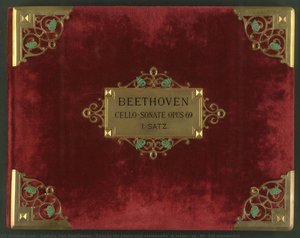
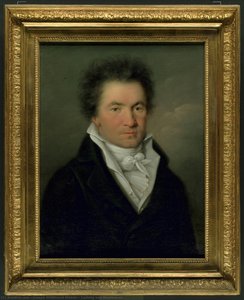
ludwig van beethoven, a renowned german composer and pianist, was born in bonn, germany, in 1770. displaying his musical talent at a young age, he began studying music under various teachers before moving to vienna, where he would spend most of his life.- sonata for piano and violoncello (a major) op. 69, 1st movement (available at ArtsDot.com)
- beethoven's manuscript of the missa solemnis (viewable at wikipedia)
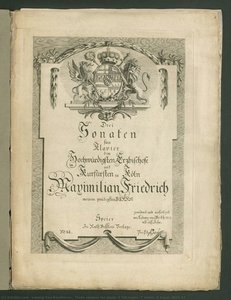
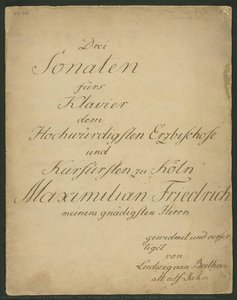
- three opus 1 piano sonatas, patronized by karl alois, prince lichnowsky
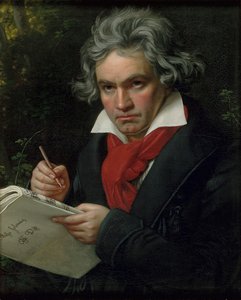
ludwig van beethoven
1770 - 1827 , Germany
Quick Facts
- Artistic Movement Or Style: Classical Romantic
- Artists Or Movements Influenced By This Artist:
- Johannes Brahms
- Robert Schumann
- Artists Who Influenced This Artist:
- Franz Joseph Haydn
- Christian Gottlob Schulze
- Date Of Birth: 1770 Bonn Germany
- Date Of Death: 1827 Vienna Austria
- Full Name: Ludwig van Beethoven
- Nationality: German
- Notable Artworks:
- Moonlight Sonata
- Symphony No 9
- Place Of Birth: Bonn Germany
Related Articles
Harmonies on Canvas: Exploring the Visual Representation of Music in Art History
Explore the fascinating history of music's visual representation in art! From ancient symbolism to modern abstraction, discover how artists have captured sound and emotion on canvas. Expert insights & stunning examples.
Neo-Classicism's Greatest Hits: 10 Masterpieces for Your Home |
Journey through Neo-Classicism's finest! Explore 10 iconic masterpieces by David, Ingres & Canova. Discover art history, techniques & timeless beauty – perfect for inspiring your home decor. Find museum-quality reproductions at
The Enduring Legacy of Classicism: Principles, Evolution & Influence in Western Art
Explore the enduring legacy of Classicism in Western art! Discover its historical context, key principles, iconic masterpieces & lasting influence. Learn about Renaissance and Neoclassical movements with ArtsDot.
Timeless Resonance: Exploring Classic Vibe in Art – A Historical & Aesthetic Analysis
Explore the rich history & enduring aesthetic of Classicism art! Discover key movements, iconic artists like Raphael & David, and its lasting influence on Western art. Deepen your appreciation today.
Timeless Elegance: The Ultimate Buyer's Guide to Choosing Classical Portraits for Sophisticated Interiors
Discover how to select the perfect classical portrait for your home. Our expert guide explores matching art styles to interiors, choosing between hand-painted oils and Giclée prints, and transforming personal photos into timeless masterpieces with professional artistry.