 Preview
 Send
Send Share
Share
 Details

 Download
 Similars
 X-Ray
X-Ray Diaporama
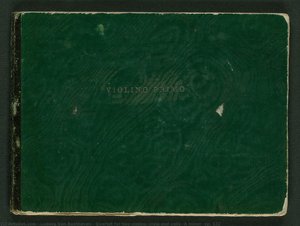
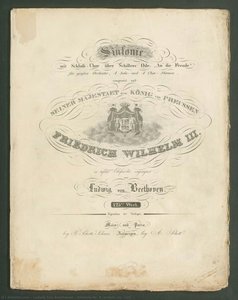
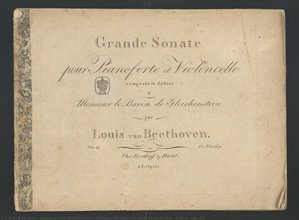
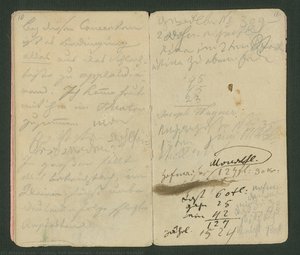
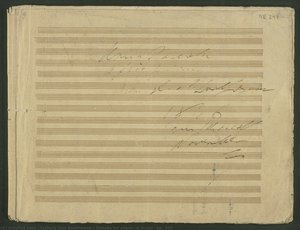
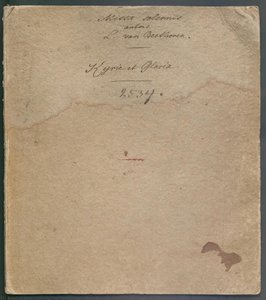
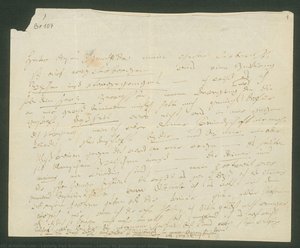
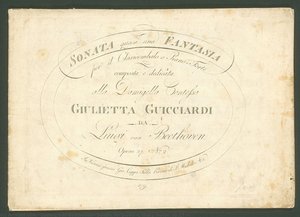
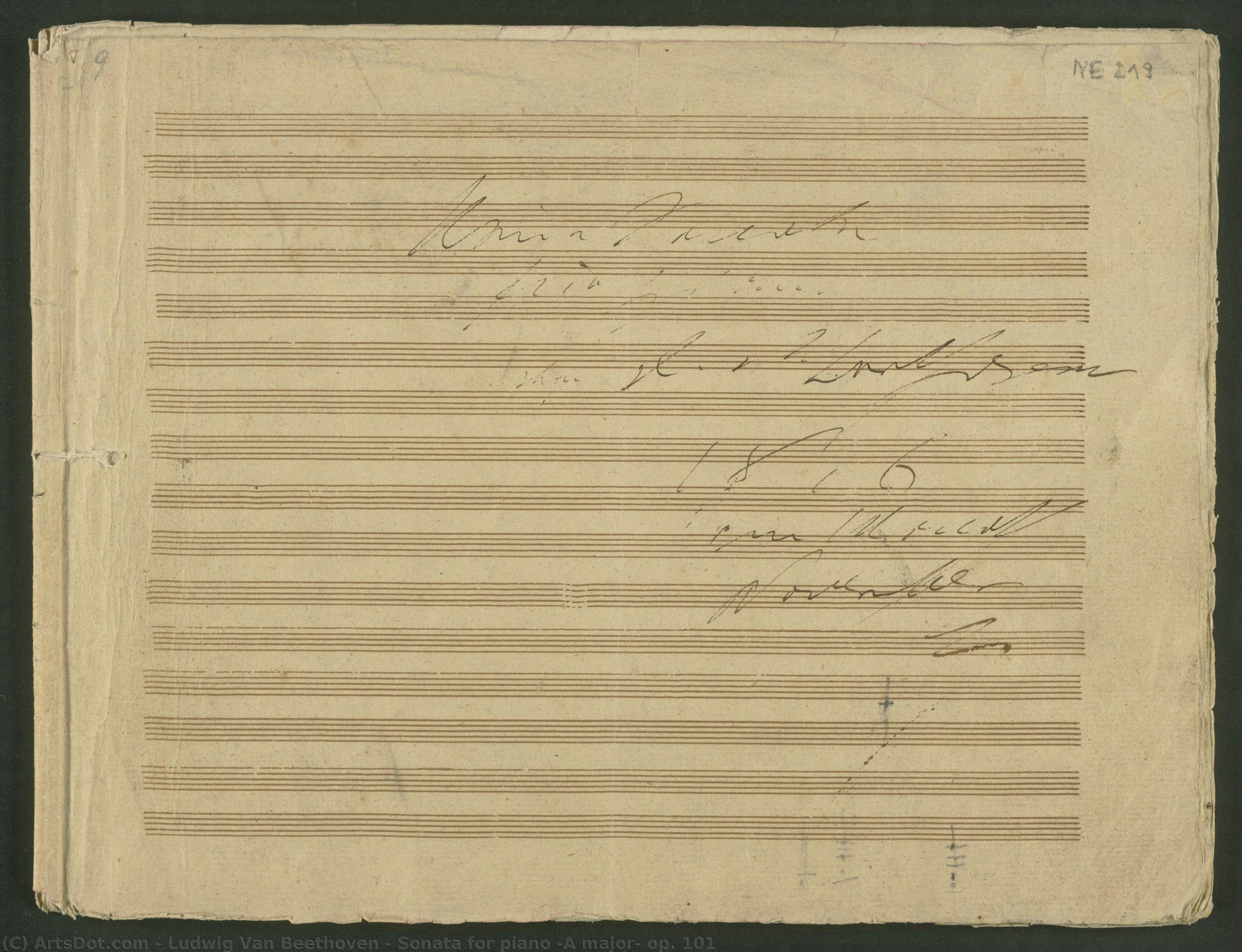
Sonata for piano (A major) op. 101
 Acrylic On Canvas
- WallArt
- Romanticism
 1816
1816 24.0 x 31.0 cm
 Beethoven-Haus Bonn
 Read More
Hand Made Oil Reproduction
Hand-painted oil on canvas in your size and frame, made to order by our artists. ( Buy Print Buy Image)




P118B $10

P118H $10

P118W $10

P438Z $10

P508JH $12

P508YH $12

P805H $10

P805Z $10

P919BZ $10

P919G $10

P919XJ $10

P959ZH $10

P968JZ $12

W106C $8

W218G $10

W218JH $8

W218Y $10

W307PJ $10

W316G $10

W316PJ $8

W316Y $10

W398PJ $8

W4111J $10

W500HY $15

W500JH $15

W692G $12

W849H $8

W940BG $15

W953PJ $8




Pick from our preset sizes that match the artwork's original proportions.

You may enter your own dimensions to fit a specific frame or space. If your selected size does not match the original image's proportions, we will either crop the artwork or extend the painting with additional hand-painted elements. A digital mockup will be sent for your approval before production begins.
Please note that the on-screen preview does not reflect the actual cropping or extension. Only the mockup will accurately show the final composition.
While custom sizes are available, we recommend selecting a dimension from the predefined list to preserve the original proportions.
After order, ArtsDot.com team will email client for instructions and provide a mockup preview
Worldwide Delivery () in 3/4 weeks instead of standard 5 weeks. (17 August). No compromise on quality.

Free Worldwide Express Shipping

High-Quality Linen Canvas

Full Shipping Insurance

Customs Tax Refund Guarantee

True Color Matching Guarantee

60-Day Return Policy (Defects Only)

100% Money-Back Guarantee

Bulk Discount Offer
 Glass option is only available in size under 110 CM

Sonata for piano (A major) op. 101
Reproduction Medium
Reproduction Size
-


Total Price
$ 263
Artwork Description
Sonata for Piano (A Major) op. 101 – A Window into Beethoven’s Soul
Beethoven's Sonata for Piano in A major, Op. 101, isn’t merely a musical composition; it’s a profound exploration of the human spirit grappling with darkness and striving towards light. Completed in 1816, during a period marked by increasing deafness and personal turmoil, this work stands as a testament to his enduring genius – a beacon of hope amidst a storm.
The piece immediately captivates with its delicate balance between strength and vulnerability. The opening movement, “Allegro ma non troppo,” unfolds like a carefully constructed argument, beginning with a hesitant, almost mournful theme in the bass that gradually builds into a robust declaration of intent. Notice the subtle shifts in dynamics – whispers followed by passionate outbursts – mirroring the internal conflict at play. It’s not simply a sonata-allegro form; it's a conversation between opposing forces, a struggle for dominance rendered through meticulously crafted musical phrases. The use of the Neapolitan chord, prominently featured throughout, adds a layer of harmonic complexity and emotional depth, hinting at unresolved tensions.
A Portrait in Moonlight – The Second Movement
The second movement, “Andante con moto,” is arguably the heart of the sonata—a breathtakingly beautiful interlude that offers a momentary respite from the preceding drama. Often referred to as the "Moonlight Sonata," though Beethoven himself never bestowed this title, it evokes an atmosphere of serene contemplation and poignant longing. The melody, characterized by its lyrical simplicity and flowing grace, is exquisitely crafted, reminiscent of a gentle stream reflecting the light of the moon. The use of delicate ornamentation and subtle shifts in tempo create a mesmerizing effect, drawing the listener into a world of quiet introspection.
However, beneath this surface tranquility lies a current of melancholy. The harmonic language, while beautiful, is tinged with sadness, suggesting an underlying sense of loss or regret. The brief, almost hesitant phrases contribute to this feeling of vulnerability, as if the music itself is yearning for something just beyond reach. It’s a masterclass in restraint—a demonstration of how profound emotion can be conveyed through subtle gestures and carefully chosen harmonies.
Turbulence and Triumph – The Third Movement
The third movement, “Allegro,” marks a dramatic shift in character, erupting from the contemplative serenity of the second with explosive energy. This is not a triumphant march, however; it’s a turbulent journey through a landscape of intense emotion—a struggle against overwhelming forces. The relentless rhythm and driving melodic lines create a sense of urgency and excitement, while the dynamic contrasts – soaring crescendos followed by sudden diminuendos – mirror the unpredictable nature of life itself.
Within this whirlwind of sound, Beethoven introduces moments of surprising tenderness—brief glimpses of beauty that offer fleeting respite from the prevailing turmoil. These delicate passages serve as reminders of hope and resilience, suggesting that even in the darkest of times, the human spirit can endure. The movement’s final bars build to a powerful climax, culminating in a resounding affirmation of life – a testament to Beethoven's indomitable will.
A Legacy of Emotion – Historical Context & Symbolism
Composed during a period of immense personal hardship for Beethoven—including his progressive deafness and the loss of his brother—the Sonata op. 101 offers a poignant glimpse into the composer’s inner world. It's believed that the work reflects his struggle to reconcile his artistic ambitions with his physical limitations, as well as his deep-seated emotional pain.
Symbolically, the piece can be interpreted as a metaphor for the human condition—a journey through darkness and uncertainty towards eventual triumph. The interplay of light and shadow, joy and sorrow, reflects the complexities of life itself. The A major key, often associated with optimism and hope, provides a counterpoint to the darker harmonies that permeate the work, suggesting that even in the face of adversity, beauty and grace can still be found.
Reproductions – Bringing Beethoven’s Vision to Life
A hand-painted reproduction captures the essence of this extraordinary sonata with remarkable fidelity. The meticulous attention to detail—from the delicate ornamentation to the subtle shifts in dynamics—allows you to experience the music as if you were listening to it firsthand. The rich colors and textures evoke the atmosphere of the original score, transporting you into Beethoven’s world.
Whether displayed in a grand salon or a cozy study, this reproduction serves as a constant reminder of the power of art to inspire, uplift, and connect us to the deepest emotions within ourselves. It's more than just a beautiful image; it’s a window into the soul of one of history’s greatest composers.
Related Artworks
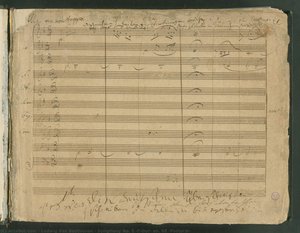
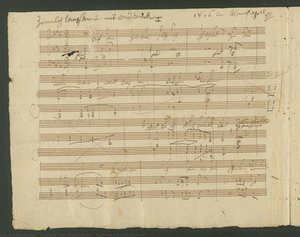
Artist Biography
early life and musical beginnings
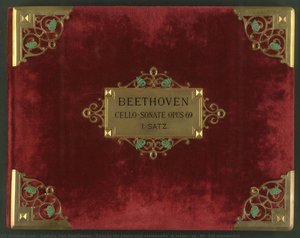
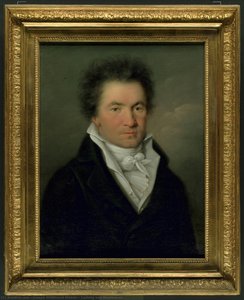
ludwig van beethoven, a renowned german composer and pianist, was born in bonn, germany, in 1770. displaying his musical talent at a young age, he began studying music under various teachers before moving to vienna, where he would spend most of his life.- sonata for piano and violoncello (a major) op. 69, 1st movement (available at ArtsDot.com)
- beethoven's manuscript of the missa solemnis (viewable at wikipedia)
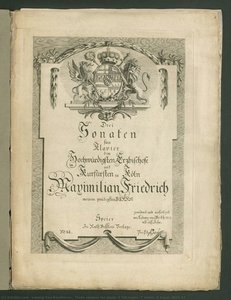
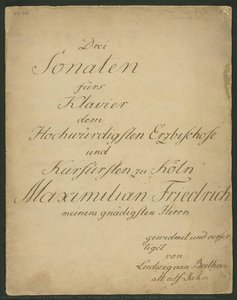
- three opus 1 piano sonatas, patronized by karl alois, prince lichnowsky
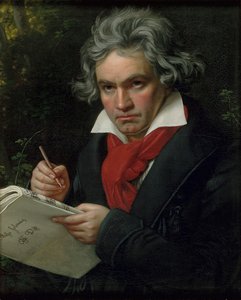
ludwig van beethoven
1770 - 1827 , Germany
Quick Facts
- Artistic Movement Or Style: Classical Romantic
- Artists Or Movements Influenced By This Artist:
- Johannes Brahms
- Robert Schumann
- Artists Who Influenced This Artist:
- Franz Joseph Haydn
- Christian Gottlob Schulze
- Date Of Birth: 1770 Bonn Germany
- Date Of Death: 1827 Vienna Austria
- Full Name: Ludwig van Beethoven
- Nationality: German
- Notable Artworks:
- Moonlight Sonata
- Symphony No 9
- Place Of Birth: Bonn Germany
Related Articles
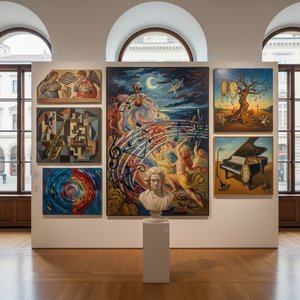
Harmonies on Canvas: Exploring the Visual Representation of Music in Art History
Explore the fascinating history of music's visual representation in art! From ancient symbolism to modern abstraction, discover how artists have captured sound and emotion on canvas. Expert insights & stunning examples.
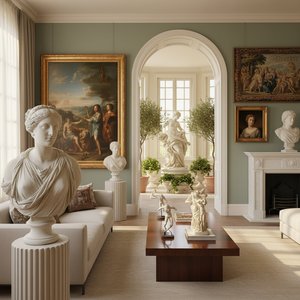
Neo-Classicism's Greatest Hits: 10 Masterpieces for Your Home |
Journey through Neo-Classicism's finest! Explore 10 iconic masterpieces by David, Ingres & Canova. Discover art history, techniques & timeless beauty – perfect for inspiring your home decor. Find museum-quality reproductions at
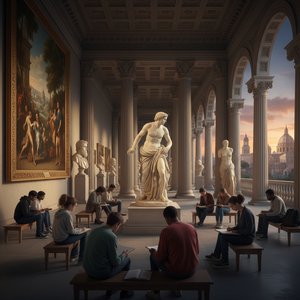
The Enduring Legacy of Classicism: Principles, Evolution & Influence in Western Art
Explore the enduring legacy of Classicism in Western art! Discover its historical context, key principles, iconic masterpieces & lasting influence. Learn about Renaissance and Neoclassical movements with ArtsDot.
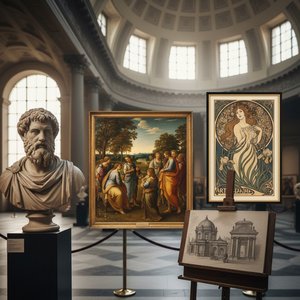
Timeless Resonance: Exploring Classic Vibe in Art – A Historical & Aesthetic Analysis
Explore the rich history & enduring aesthetic of Classicism art! Discover key movements, iconic artists like Raphael & David, and its lasting influence on Western art. Deepen your appreciation today.

The Enduring Legacy of Classical Style: Form, Narrative & Influence in Art
Explore the enduring legacy of classical art – from ancient Greece & Rome to Neoclassicism. Discover key artists, philosophical roots & build a timeless collection with ArtsDot's expert guidance.