 Send
Send Share
Share
 Details

 Download
 Similars
 Diaporama
Richard Strauss
 Giclée Print
- Digital
- Early 20th Century
 1903
1903- 19th Century
 10.0 x 14.0 cm
 Arnold Schönberg Center
 Read More
Hand Made Oil Reproduction
Hand-painted oil on canvas in your size and frame, made to order by our artists. ( Buy Print Buy Image)




































Pick from our preset sizes that match the artwork's original proportions.

You may enter your own dimensions to fit a specific frame or space. If your selected size does not match the original image's proportions, we will either crop the artwork or extend the painting with additional hand-painted elements. A digital mockup will be sent for your approval before production begins.
Please note that the on-screen preview does not reflect the actual cropping or extension. Only the mockup will accurately show the final composition.
While custom sizes are available, we recommend selecting a dimension from the predefined list to preserve the original proportions.
After order, ArtsDot.com team will email client for instructions and provide a mockup preview
Worldwide Delivery () in 3/4 weeks instead of standard 5 weeks. (17 August). No compromise on quality.

Free Worldwide Express Shipping

High-Quality Linen Canvas

Full Shipping Insurance

Customs Tax Refund Guarantee

True Color Matching Guarantee

60-Day Return Policy (Defects Only)

100% Money-Back Guarantee

Bulk Discount Offer
 Glass option is only available in size under 110 CM

Richard Strauss
Reproduction Medium
Reproduction Size
-


Total Price
$ 263
Artwork Description
A Moment Frozen in Time: Richard Strauss – A Photographic Portrait
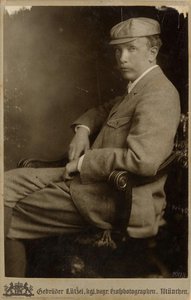
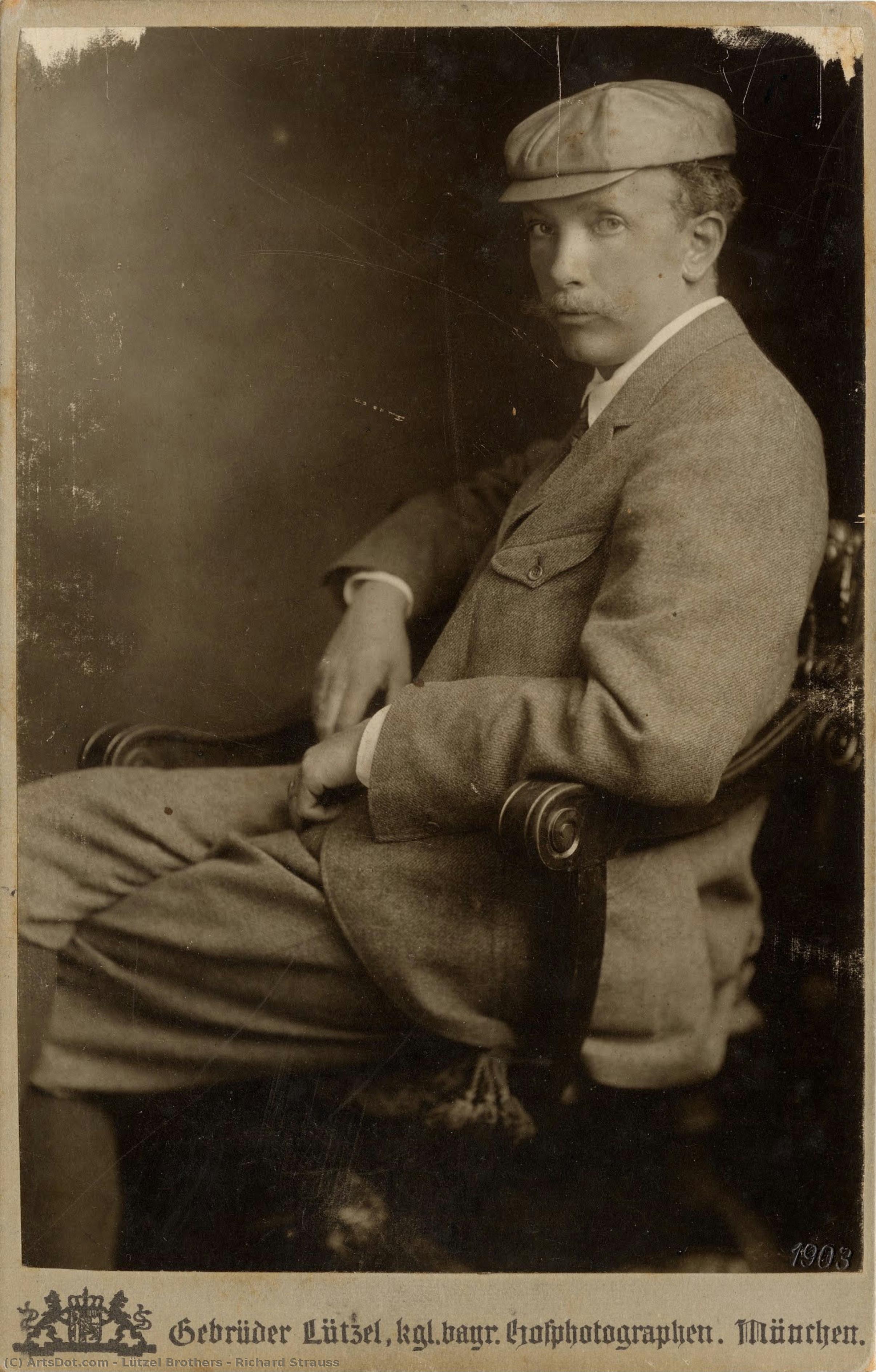
This intimate black and white photograph, meticulously crafted by the Lützel Brothers in 1903, offers an unprecedented glimpse into the world of one of the most significant composers of the late Romantic era: Richard Strauss. More than a simple portrait, it’s a tangible connection to a pivotal moment in musical history – a Christmas exchange between two titans of sound, Arnold Schönberg and Strauss himself. The photograph captures Strauss in a pose of quiet contemplation, seated with his hands gently resting on his knees, a formal hat adding an air of dignified presence. The inclusion of the other individuals in the background hints at the social dynamics of the time, enriching the narrative beyond a mere depiction of the subject.
- Artist’s Vision: The Lützel Brothers, active primarily during this period, were renowned for their documentary photography, often capturing scenes of military life and prominent figures. Their work reflects a keen eye for detail and an ability to convey both the subject's personality and the atmosphere surrounding them.
- Technical Execution: Executed in black and white, the photograph showcases the Brothers’ mastery of light and shadow, creating depth and texture within the image. The vintage feel is a testament to their skillful manipulation of photographic processes, resulting in an image that feels both timeless and remarkably immediate.
Contextualizing the Image: 1903 and the Dawn of Modern Music
The year 1903 holds immense significance for music. It’s the year Strauss sent this photograph to Arnold Schönberg, a gesture that speaks volumes about the complex intellectual currents flowing through Europe at the time. While Strauss represented the established traditions of Romanticism, Schönberg was on the cusp of revolutionizing musical composition with his development of atonality and serialism – movements that would fundamentally alter the course of Western music. The photograph serves as a visual representation of this burgeoning artistic tension, a moment suspended between tradition and innovation.
Schönberg’s dedication to Strauss underscores the importance of early influences in shaping an artist's trajectory. Even though their musical paths ultimately diverged dramatically, Schönberg’s formative years were undeniably shaped by the work and personality of Richard Strauss. This photograph provides a tangible link to that crucial period of artistic development.
Symbolism and Emotional Resonance
The formal attire worn by Strauss – the suit and tie, the hat – speaks to his position as a respected figure within the musical establishment. Yet, the relaxed posture and contemplative expression suggest a moment of vulnerability and perhaps even introspection. The presence of the other individuals in the background adds another layer of complexity, hinting at social connections and the personal lives that underpinned Strauss’s creative output.
- Mood: The image evokes a sense of quiet dignity, thoughtful reflection, and a subtle undercurrent of artistic tension.
- Historical Significance: It's a window into a pivotal moment in musical history, capturing the intersection of two influential figures on the verge of transforming the landscape of sound.
Dimensions & Reproduction Details
This artwork is presented as a meticulously crafted hand-painted reproduction, measuring 10 x 14 cm. Each detail – from the texture of Strauss’s clothing to the subtle nuances of light and shadow – has been faithfully reproduced by our skilled artisans, ensuring an authentic representation of the original photograph. This limited edition print offers a unique opportunity to own a piece of art history, perfect for collectors, interior designers seeking a touch of vintage elegance, or anyone captivated by the story behind this remarkable image.
Related Artworks
Artist Biography
The Shadow of War: The Early Years and Formation of a Battle Painter
Born in 1892 amidst the shifting borders of Imperial Russia, Athanasei Iwanowitsch Scheloumoff’s life was profoundly shaped by conflict – not merely as a participant, but as a visceral witness and ultimately, an interpreter. His early years in Kamieniec Podolski, a region caught between Poland and Ukraine, instilled within him a deep awareness of instability and the human cost of territorial disputes. This formative period laid the groundwork for his later artistic focus on depicting the realities of war, moving beyond romanticized notions to capture its brutal intensity and psychological impact. He began his formal art training at the Odessa Art School in 1908, followed by studies at the prestigious Academy of Fine Arts in St. Petersburg under the influential painter-battalist Nikolai Samokisz, a figure known for his dramatic and often propagandistic depictions of military scenes. However, the outbreak of World War I abruptly interrupted his academic pursuits, thrusting him into the tumultuous world of combat. Scheloumoff enlisted in the 1st volunteer corps, commanded by General Kutiepov, serving with distinction until 1920. This direct experience—the sights, sounds, and overwhelming emotions of war—became the bedrock of his artistic vision, informing every brushstroke and compositional choice that followed.
- Early Influences: Scheloumoff’s early work demonstrates a clear debt to the traditions of Russian battle painting, particularly those influenced by the Romantic era. However, he quickly moved beyond mere imitation, developing a distinctive style characterized by dynamic compositions, dramatic lighting, and a focus on capturing the psychological states of his subjects.
- The Impact of Samokisz: The teachings of Nikolai Samokisz proved pivotal in shaping Scheloumoff’s artistic approach. Samokisz's emphasis on conveying the raw emotion and heroism of war instilled in Scheloumoff a desire to portray not just the physical events, but also the inner turmoil experienced by soldiers caught in the maelstrom of battle.
- Evacuation and Exile: Following the Russian Revolution, Scheloumoff was part of the White Army’s evacuation to Gallipoli, an experience that further solidified his commitment to documenting the realities of war. This period marked a turning point in his artistic development, as he began to explore new techniques and approaches to representing conflict.
The Years of Transition: From Odessa to Munich
Following the chaos of the Russian Revolution, Scheloumoff relocated to Germany, settling first in Balta and later finding a home in Starnberg near Munich. This period marked a significant shift in his artistic trajectory. He continued to refine his skills, experimenting with new techniques and styles while grappling with the profound psychological impact of war. His work during this time began to reflect a growing disillusionment with traditional notions of heroism, as he increasingly focused on portraying the suffering and vulnerability of ordinary soldiers caught in the crossfire. The influence of German Expressionism can be detected in his use of bold colors, distorted forms, and emotionally charged imagery – though his style remained distinctly rooted in the traditions of Russian battle painting.
- Artistic Experimentation: Scheloumoff’s time in Munich provided him with access to a vibrant artistic community and allowed him to experiment with various techniques, including watercolor and gouache.
- The Influence of Expressionism: While maintaining his core stylistic elements, Scheloumoff incorporated aspects of German Expressionism into his work, particularly in the use of color and composition. This influence is evident in his later paintings, which often feature a heightened sense of drama and emotional intensity.
- A Period of Reflection: The years spent in Germany were a time of intense reflection for Scheloumoff, as he wrestled with the moral complexities of war and sought to capture its devastating impact on the human psyche.
The Masterpiece of War: “The Battle of Krasnoe”
Perhaps Scheloumoff’s most enduring achievement is his monumental painting, "The Battle of Krasnoe," completed in 1930. This vast canvas—a testament to his artistic skill and unwavering commitment to portraying the realities of war—depicts a chaotic and brutal battle scene with remarkable realism and emotional intensity. The painting captures not only the physical carnage of the conflict but also the fear, desperation, and courage of the soldiers involved. The composition is dynamic and overwhelming, drawing the viewer into the heart of the action. Scheloumoff’s masterful use of light and shadow creates a sense of drama and immediacy, while his attention to detail—from the mud-splattered uniforms to the terrified faces of the wounded—adds to the painting's visceral impact. “The Battle of Krasnoe” is considered by many art historians to be Scheloumoff’s magnum opus, a powerful testament to the horrors of war and a poignant reminder of the human cost of conflict.
Note:** The specific details surrounding "The Battle of Krasnoe" are debated among scholars, with some suggesting it depicts a fictional battle inspired by historical events.Legacy and Historical Significance
Athanasei Iwanowitsch Scheloumoff’s artistic legacy lies in his unflinching portrayal of war—a subject often romanticized or sanitized in art history. He rejected the glorification of military heroism, instead offering a stark and uncompromising depiction of its devastating consequences. His work serves as a powerful reminder of the human cost of conflict and the enduring psychological scars left by war. While he may not be as widely recognized as some of his contemporaries, Scheloumoff’s paintings are increasingly appreciated for their artistic merit and historical significance. They offer valuable insights into the experiences of soldiers during World War I and beyond, providing a poignant counterpoint to traditional narratives of warfare. His art continues to resonate with audiences today, prompting reflection on the enduring tragedy of war and its impact on individuals and societies.
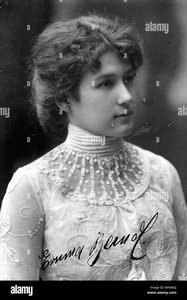
lützel brothers
1892 - 1903 , Germany
Quick Facts
- Artistic Movement Or Style: Battle painter
- Artists Or Movements Influenced By This Artist: ['Russian art']
- Artists Who Influenced This Artist: ['NS Samokisz']
- Date Of Birth: 1892
- Date Of Death: 1983
- Full Name: Athanasei Iwanowitsch Scheloumoff
- Nationality: Russian
- Notable Artworks: ['Various battle scenes']
- Place Of Birth: Kamieniec Podolski, Ukraine
Related Articles
Documentary Photography's Defining Moments: 10 Masterpieces for Your Home |
Explore 10 defining documentary photography masterpieces – from Dorothea Lange to Robert Capa. Discover powerful stories, iconic images & timeless art for your home. Museum-quality prints at .
Beyond the Lens: Photography's Enduring Influence on Modern & Contemporary Art
Explore photography's pivotal role in shaping modern & contemporary art. Discover key movements, influential artists like Stieglitz, and expert collecting advice from ArtsDot.

Monochrome Visions: Exploring the Aesthetic & Historical Significance of Black & White Photography
Explore the rich history & artistic power of black and white photography. From early techniques to iconic masters like Ansel Adams, discover why monochrome continues to captivate art lovers today. Expert insights for collectors.
Pictorialism: A Search for Artistic Photography's Soul – Aesthetics, Techniques & Legacy
Explore the captivating world of Pictorialism – a pivotal movement that transformed photography into fine art. Discover key artists like Stieglitz & Käsebier, techniques, and collecting tips from experts.
Witnessing History Through Lens & Light: Documentary Photography's Enduring Legacy
Explore the powerful history of documentary photography – from its origins to contemporary masters like Gordon Parks & W. Eugene Smith. Discover how this art form shapes our understanding of society and witness pivotal moments in time.