 Preview
 Send
Send Share
Share
 Details

 Download
 Similars
 X-Ray
X-Ray Diaporama
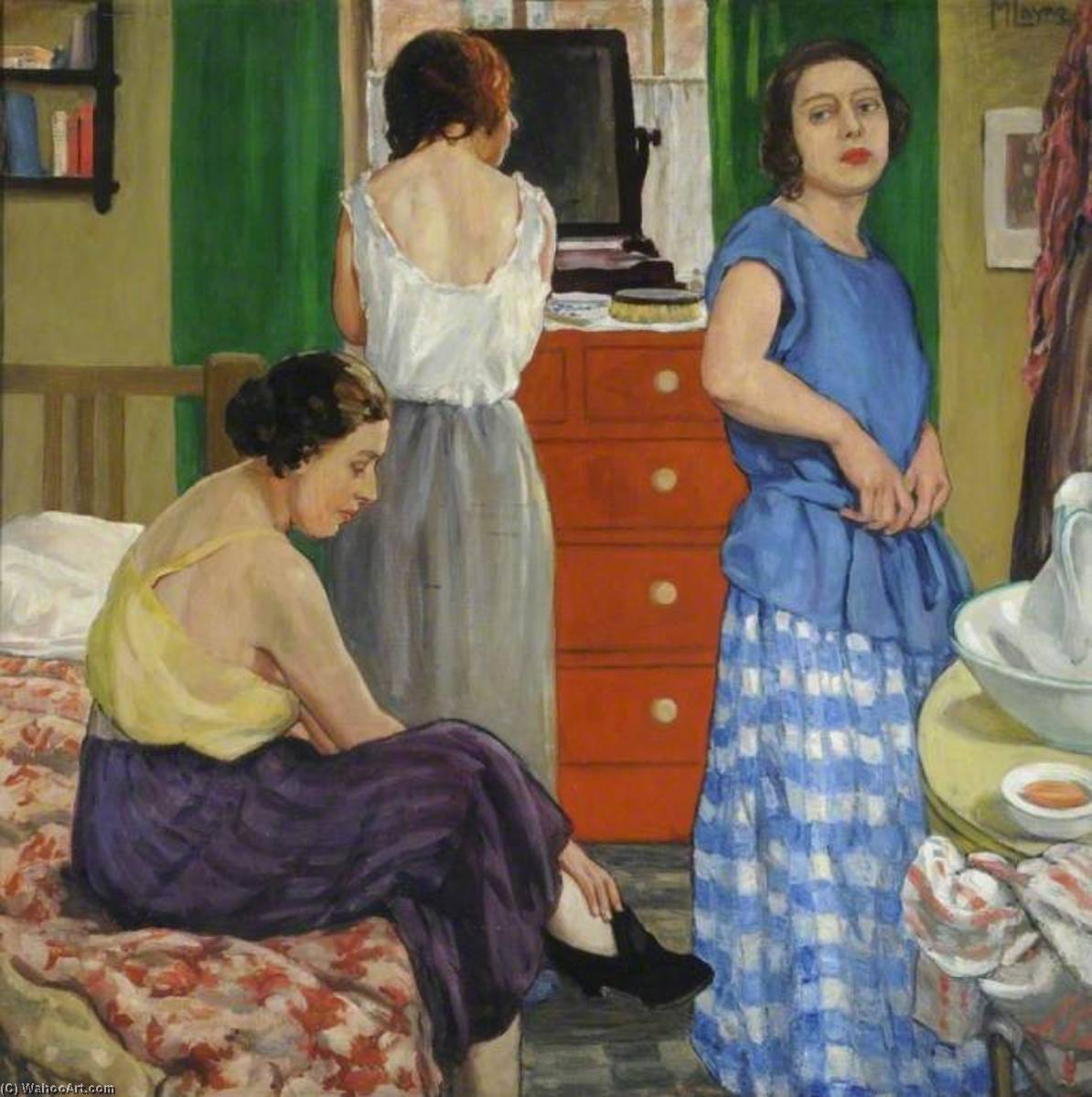
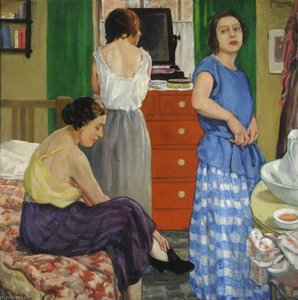
Girls Dressing
 Oil
Oil- WallArt
- Impressionism
 1920
1920- Modern
 101.0 x 100.0 cm
 Ferens Art Gallery
 Read More
Hand Made Oil Reproduction
Hand-painted oil on canvas in your size and frame, made to order by our artists. ( Buy Print Buy Image)




P118B $10

P118H $10

P118W $10

P438Z $10

P508JH $12

P508YH $12

P805H $10

P805Z $10

P919BZ $10

P919G $10

P919XJ $10

P959ZH $10

P968JZ $12

W106C $8

W218G $10

W218JH $8

W218Y $10

W307PJ $10

W316G $10

W316PJ $8

W316Y $10

W398PJ $8

W4111J $10

W500HY $15

W500JH $15

W692G $12

W849H $8

W940BG $15

W953PJ $8




Pick from our preset sizes that match the artwork's original proportions.

You may enter your own dimensions to fit a specific frame or space. If your selected size does not match the original image's proportions, we will either crop the artwork or extend the painting with additional hand-painted elements. A digital mockup will be sent for your approval before production begins.
Please note that the on-screen preview does not reflect the actual cropping or extension. Only the mockup will accurately show the final composition.
While custom sizes are available, we recommend selecting a dimension from the predefined list to preserve the original proportions.
After order, ArtsDot.com team will email client for instructions and provide a mockup preview
Worldwide Delivery () in 3/4 weeks instead of standard 5 weeks. (17 August). No compromise on quality.

Free Worldwide Express Shipping

High-Quality Linen Canvas

Full Shipping Insurance

Customs Tax Refund Guarantee

True Color Matching Guarantee

60-Day Return Policy (Defects Only)

100% Money-Back Guarantee

Bulk Discount Offer
 Glass option is only available in size under 110 CM

Girls Dressing
Reproduction Medium
Reproduction Size
-


Total Price
$ 263
Artwork Description
A Quiet Intimacy: The World of Mabel Frances Layng
In the soft, captured stillness of "Girls Dressing," we are invited into a private sanctuary of early 20th-century domesticity. Painted in 1920 by the perceptive British artist Mabel Frances Layng, this work serves as a window into a bygone era of grace and ritual. The scene unfolds within a quiet room where three women are engaged in the delicate, rhythmic motions of preparing for the day. A woman in a luminous yellow dress sits in contemplative repose on the left, her gaze cast downward toward her feet, perhaps lost in a moment of silent reflection. Flanking the composition, two other figures draped in serene blue garments stand with an effortless elegance, their presence anchoring the room's tranquil atmosphere. Through her brush, Layng transforms a mundane morning routine into a poetic tableau of companionship and quietude.
The technique employed in this piece reflects the profound influence of Layng’s training under the legendary Frank Brangwyn at the London School of Art. There is a palpable sense of Impressionistic light that dances across the fabric of the dresses, lending a tactile quality to the scene. The artist utilizes a delicate realism, where the weight of the blue cloth and the brightness of the yellow silk are rendered with a masterful touch that captures the fleeting nature of light and shadow. Small, thoughtful details—a book resting near the seated figure, the placement of bowls in the periphery—add layers of narrative depth, suggesting a lived-in space filled with history and quiet habit. For the discerning collector or interior designer, these subtle textures offer a sophisticated visual richness that breathes life into any curated space.
Beyond its aesthetic beauty, "Girls Dressing" resonates with a deep emotional nostalgia. It captures the transition between the Victorian sensibilities of Layng’s upbringing and the shifting social landscapes of the post-WWI era. The painting does not rely on grand gestures or dramatic conflict; instead, it finds its power in the subtle symbolism of domestic harmony. The interaction of colors—the warmth of the yellow against the cool, calming blues—creates a visual balance that evokes feelings of peace and stability. This artwork is more than a mere depiction of figures; it is an evocative piece of history that invites the viewer to slow down, breathe, and appreciate the profound beauty found in life's most quiet, unobserved moments.
Related Artworks
Artist Biography
Mabel Frances Layng: A Victorian Observer of Everyday Life
Mabel Frances Layng (9 November 1881 – December 1937) emerges from the annals of British art as a quietly significant observer of early 20th-century life. Often overshadowed by her contemporaries, Layng’s work offers a delicate yet remarkably perceptive glimpse into the domestic routines and social customs of Victorian England and its immediate aftermath. Born in Macclesfield, Cheshire, to Alfred Edward Freestone Layng and Ada Mary Coates, her upbringing provided a foundation for an artistic sensibility deeply rooted in observation and a nuanced understanding of human interaction.
Her early education included studies at the St. John’s Wood Art School and, crucially, under Frank Brangwyn at the London School of Art between 1906 and 1908. This latter connection proved pivotal, exposing her to a style that blended Impressionistic techniques with a focus on capturing fleeting moments and atmospheric effects. Following this formative period, Layng established herself as a professional artist, primarily supporting herself through painting, a relatively uncommon path for women artists of the time. She moved to Ealing, Middlesex, in 1914, where she remained until her death, dedicating herself to her craft and quietly building a body of work that reveals both technical skill and a genuine empathy for her subjects.
A Career Defined by Observation and Detail
Layng’s artistic career unfolded during a period of significant social change. The First World War profoundly impacted British society, and Layng's paintings often reflect the anxieties and rhythms of this era. She joined the Voluntary Aid Detachment of the British Red Cross in 1915, providing medical assistance at various London hospitals – an experience that undoubtedly informed her depictions of everyday life and the resilience of ordinary people. Her artistic output was consistently exhibited throughout her lifetime, gaining recognition through venues such as the Royal Academy, the Paris Salon, and numerous galleries across Britain, including Walker’s Galleries in London. These exhibitions showcased a diverse range of subjects – landscapes, portraits, and scenes of urban life – all rendered with a meticulous attention to detail and a subtle use of color.
Notable amongst her works are paintings like “The Strolling Players” (1916), which captured the vibrancy of street performers, and “Mars and Venus” (1920), a romantic depiction of a couple. Her later pieces, such as "The Picnic" (1921) and "Crossing the Road" (1928), continued to explore themes of domesticity and social interaction, often portraying women engaged in everyday activities – shopping, socializing, or simply enjoying quiet moments within their homes.
Technique and Style: A Delicate Realism
Layng’s artistic style is characterized by a delicate realism that avoids grand gestures or dramatic compositions. She favored small-scale works—often oil paintings on canvas—that invite close scrutiny. Her brushwork is generally smooth and understated, prioritizing tonal variations and subtle shifts in color to create a sense of atmosphere and depth. She skillfully employed light and shadow to model forms and evoke the feeling of a particular moment in time. Influenced by Impressionism, she captured the fleeting effects of light and movement with remarkable sensitivity, yet her work retains a distinctly British sensibility – an appreciation for quiet observation and a nuanced understanding of human behavior.
Her use of color is particularly noteworthy. Layng favored muted tones—soft blues, greens, and browns—that contribute to the overall sense of tranquility and intimacy in her paintings. She avoided bright, saturated colors, instead opting for subtle harmonies that create a harmonious and inviting atmosphere. This restrained palette allows her subjects – often ordinary women engaged in everyday activities – to emerge with a quiet dignity and charm.
Legacy and Significance
Mabel Frances Layng’s contribution to British art is often overlooked, yet her work deserves recognition for its quiet beauty and insightful observations. She represents a significant voice within the broader context of women artists in the early 20th century, demonstrating both artistic skill and resilience in a period when opportunities for female artists were limited. Her paintings offer a valuable window into Victorian and Edwardian England, capturing not only the visual appearance of daily life but also the social dynamics and emotional nuances that shaped this era. Today, her works are held in several museums and galleries across the United Kingdom, ensuring that her quietly compelling vision continues to resonate with audiences.
Her legacy is further cemented by the efforts of Staffordshire Archives and Heritage, which have meticulously documented her life and work, making it accessible for research and appreciation. Layng’s story serves as a reminder that even in the shadows of more celebrated artists, there are countless individuals whose contributions deserve to be remembered and celebrated.
mabel frances layng
1881 - 1937
Quick Facts
- Artistic Movement Or Style: Impressionism
- Artists Who Influenced This Artist: ['Frank Brangwyn']
- Date Of Birth: November 9, 1881
- Date Of Death: December 1937
- Full Name: Mabel Frances Layng
- Nationality: British
- Notable Artworks:
- The Strolling Players
- Mars and Venus
- The Picnic
- The Workroom
- Crossing the Road
- Place Of Birth: Macclesfield, Cheshire
Related Articles
Slate Blue Masterpieces: 10 Iconic Paintings & Timeless Home Decor Ideas
Immerse yourself in the captivating world of slate blue! Explore 10 iconic paintings by Monet, Van Gogh & Renoir. Discover their stories, techniques & find museum-quality art reproductions for your home at .
Azure Visions: Exploring Representations of the Blue Dress in Western Art History
Explore the rich history of the blue dress in Western art! Discover its symbolism, from Renaissance masterpieces to modern interpretations by artists like Martin & Schiele. Uncover cultural meanings and artistic techniques.
The Allure of Azure: Exploring the Symbolic & Aesthetic Depths of Blue in Art History
Explore the rich history of blue in art! Discover its symbolism, from ancient pigments to modern masterpieces by Kandinsky & Seurat. Uncover the psychological impact and cultural meanings behind this captivating hue.
Golden Hues: 10 Masterpieces Dominated by Chrome Yellow | ArtsDot
Immerse yourself in golden light! Explore 10 famous paintings dominated by 'Chrome Yellow', from Van Gogh’s Sunflowers to Monet's Haystacks. Discover the stories behind these iconic Impressionist & Post-Impressionist masterpieces and find museum-quality art reproductions at ArtsDot.com.
Golden Hues: Top 10 Paintings Dominated by Yellow Ochre |
Explore 10 iconic paintings bathed in golden yellow ochre! From Van Gogh's sunflowers to Monet’s haystacks, discover the stories behind these masterpieces. Find museum-quality art reproductions & elevate your home decor on .