 Preview
 Send
Send Share
Share
 Details

 Download
 Similars
 X-Ray
X-Ray Diaporama
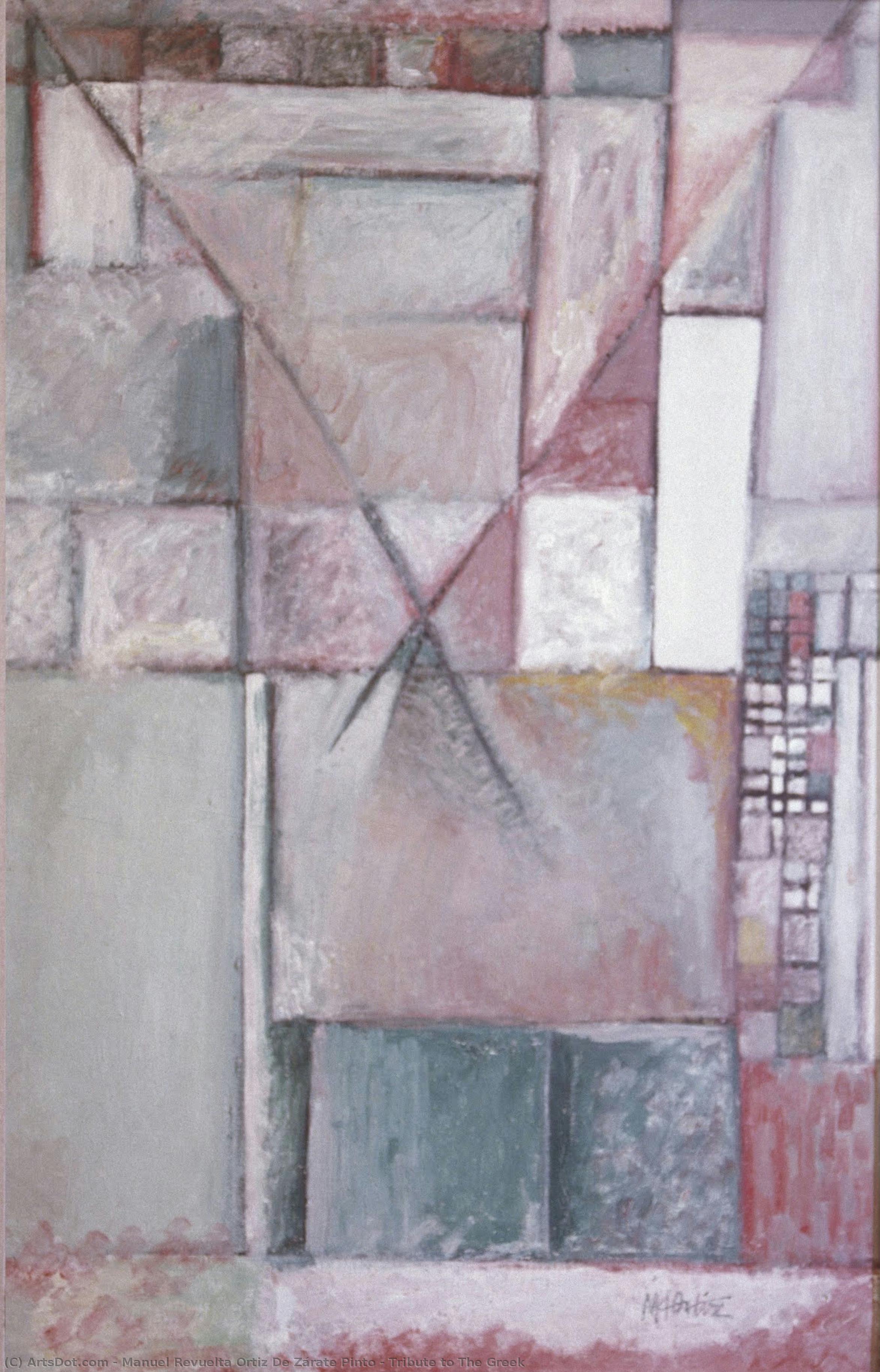
Tribute to The Greek


 Read More
Giclée / Art Print
Museum-quality giclée or canvas print with fast production and flexible finish options. ( Buy Hand Made Painting Buy Image)




































Pick from our preset sizes that match the artwork's original proportions.

You may enter your own dimensions to fit a specific frame or space. If your selected size does not match the original image's proportions, we will either crop the artwork or extend the image with a mirrored or solid-fill edge. A digital mockup will be sent for your approval before production begins.
Please note that the on-screen preview does not reflect the actual cropping or extension. Only the mockup will accurately show the final composition.
While custom sizes are available, we recommend selecting a dimension from the predefined list to preserve the original proportions.
Worldwide Delivery () in 2 weeks instead of standard 4/5 weeks. (25 August)

Free Worldwide Express Shipping

High-Quality Linen Canvas

Full Shipping Insurance

Customs Tax Refund Guarantee

True Color Matching Guarantee

60-Day Return Policy (Defects Only)

100% Money-Back Guarantee

Bulk Discount Offer
 Glass option is only available in size under 110 CM

Tribute to The Greek
Giclée / Art Print
Reproduction Size
-


Total Price
$ 63
Collectible Description
Related Artworks






Artist Biography
A Life Between Continents: The Journey of Manuel Revuelta Ortiz de Zárate
The story of Manuel Revuelta Ortiz de Zárate Pinto is one of restless ambition and a profound connection to the shifting tides of early twentieth-century modernism. Born on October 9, 1887, in the serene landscape of Como, Italy, his origins were as much international as his artistic vision. The son of the composer Eleodoro Ortiz de Zárate and Matilde Pinto Benavente, his early years were shaped by a nomadic spirit; though born in Italy, he returned to Chile as a young child, where his foundational artistic identity began to take root under the guidance of the esteemed Pedro Lira.
Driven by an unquenchable thirst for the broader horizons of the European art scene, the young artist performed a daring feat of youthful rebellion at fifteen, stowing away on a ship bound for Italy. This voyage led him back to Rome, a city that served as his first true crucible of creativity. In the shadow of classical grandeur, he sought out the mentorship of masters such as Pietro Gambogi and Giuseppe Ceschi, absorbing the weight of tradition even as he prepared to break from it. This period of rigorous training provided the technical scaffolding upon which he would later drape the experimental textures of modernism.
The Parisian Crucible and the Picasso Connection
By 1902, the magnetic pull of Paris—the undisputed heart of the art world—drew Revuelta Ortiz de Zárate into its vibrant, chaotic embrace. Settling in the legendary Montparnasse Quarter, he found himself immersed in a whirlwind of intellectual and aesthetic revolution. It was here that his path crossed with the titans of the era; he moved within circles shared by Amedee Modigliani, Léonard Foujita, and most significantly, Pablo Picasso. From 1916 onwards, Revuelta de Zárate served as Picasso’s assistant, a position that placed him at the very epicenter of the birth of Cubism and the radical restructuring of visual language.
This intimate proximity to the vanguard allowed him to witness the dismantling of perspective and the reconstruction of form firsthand. His work began to reflect this dialogue between tradition and innovation, particularly through his mastery of still lifes and landscapes. He possessed a singular ability to infuse the quietude of a domestic scene with the structural tension found in modern art, creating works that felt both grounded in reality and elevated by experimental light and geometry.
Legacy of the Grupo Montparnasse
Beyond his individual canvases, Revuelta de Zárate played a vital role in the cultural bridge between South America and Europe. Alongside fellow Chilean artists like Camilo Mori, he was a pivotal figure in establishing the Grupo Montparnasse. This collective was more than just an artistic circle; it was a mission to champion Chilean art through the lens of international modernism, fostering a spirit of collaborative experimentation that would influence generations of painters.
His dedication to the Parisian salon circuit remained steadfast for decades, exhibiting regularly at the Salon d’Automne between 1920 and 1940. Even during the dark years of the German occupation in World War II, he remained in France, a testament to his deep-seated connection to the city that had defined him. His life eventually led him to the United States, where he passed away in Los Angeles in 1946, leaving behind a legacy characterized by:
- Technical Versatility: A seamless blend of classical training from Rome and Santiago with the avant-garde techniques of Paris.
- Historical Significance: His role as a primary witness and participant in the evolution of Cubism through his work with Picasso.
- Cultural Diplomacy: The founding of Grupo Montparnasse, which integrated Chilean artistic identity into the global modernist movement.
- Enduring Aesthetic: A profound contribution to the genre of modern still life, marked by a delicate balance of emotion and structural form.
manuel revuelta ortiz de zárate pinto
1887 - 1946 , Italy
Quick Facts
- Artistic Movement Or Style: Modernist
- Artists Or Movements Influenced By This Artist:
- Amedeo Modigliani
- Pablo Picasso
- Artists Who Influenced This Artist: ['Pedro Lira']
- Date Of Birth: October 9, 1887
- Date Of Death: October 28, 1946
- Full Name: Manuel Revuelta Ortiz de Zárate Pinto
- Nationality: Chilean
- Notable Artworks: ['STILL LIFE WITH A PIPE']
- Place Of Birth: Como, Italy