 Preview
 Send
Send Share
Share
 Details

 Download
 Similars
 X-Ray
X-Ray Diaporama
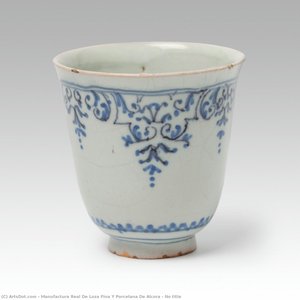
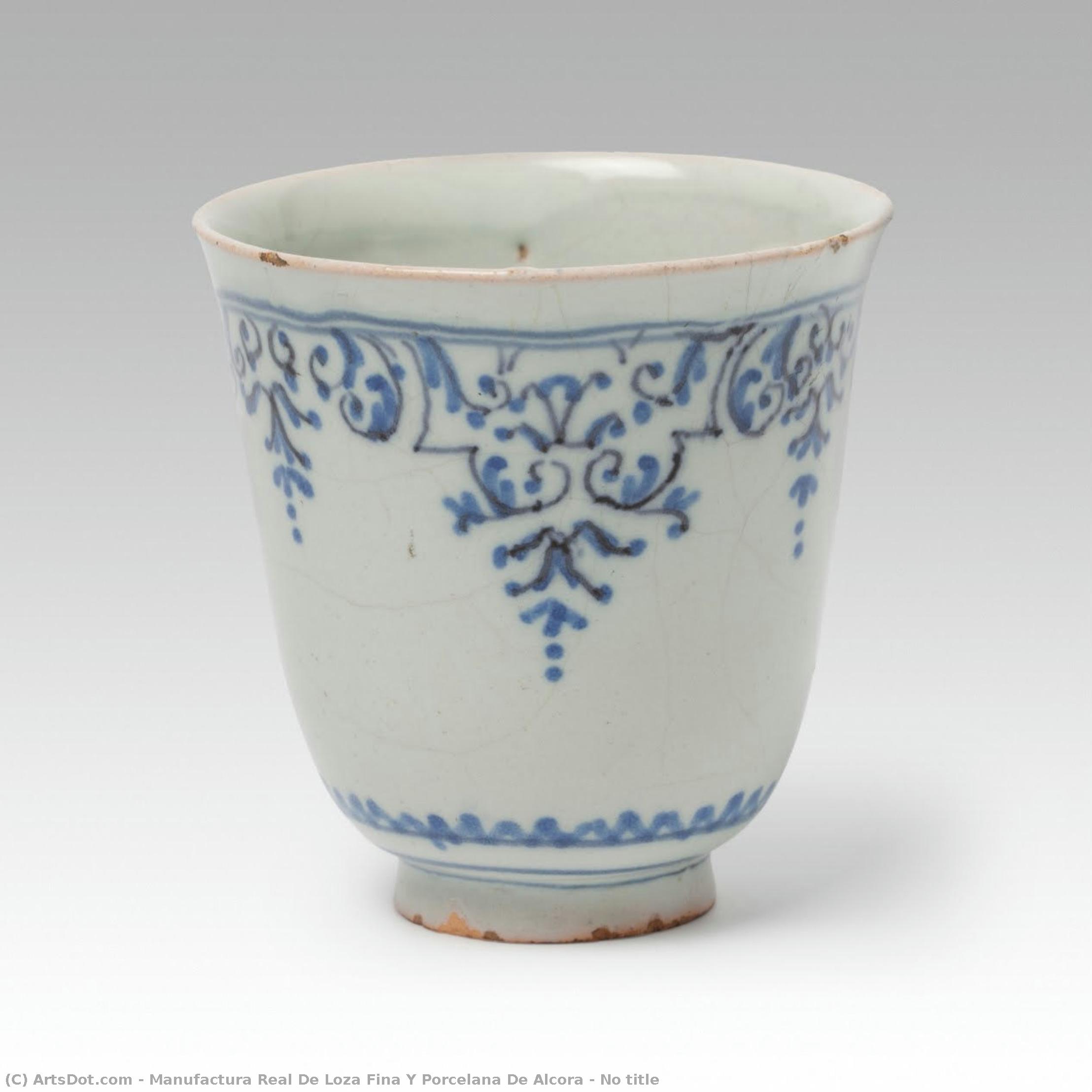
No title


 Read More
Giclée / Art Print
Museum-quality giclée or canvas print with fast production and flexible finish options. ( Buy Hand Made Painting Buy Image)




































Pick from our preset sizes that match the artwork's original proportions.

You may enter your own dimensions to fit a specific frame or space. If your selected size does not match the original image's proportions, we will either crop the artwork or extend the image with a mirrored or solid-fill edge. A digital mockup will be sent for your approval before production begins.
Please note that the on-screen preview does not reflect the actual cropping or extension. Only the mockup will accurately show the final composition.
While custom sizes are available, we recommend selecting a dimension from the predefined list to preserve the original proportions.
Worldwide Delivery () in 2 weeks instead of standard 4/5 weeks. (3 September)

Free Worldwide Express Shipping

High-Quality Linen Canvas

Full Shipping Insurance

Customs Tax Refund Guarantee

True Color Matching Guarantee

60-Day Return Policy (Defects Only)

100% Money-Back Guarantee

Bulk Discount Offer
 Glass option is only available in size under 110 CM

No title
Giclée / Art Print
Reproduction Size
-


Total Price
$ 63
Related Artworks






Artist Biography
The Pioneering Spirit of Manufactura Real de Alcora
In the sun-drenched landscapes of 18th-century Spain, a revolution in ceramic artistry was quietly taking root in the small town of Alcora, nestled within the province of Castellón. The story begins with Buenaventura Ximénez de Urrea y Abarca de Bolea, the IX Count of Aranda, a visionary nobleman who recognized the potential for establishing a sophisticated porcelain manufactory that would rival the esteemed workshops of France. Founded in 1727, the Real Fábrica de Loza Fina y Porcelana de Alcora, often simply known as Manufactura Real de Alcora, wasn’t merely a factory; it was an ambitious undertaking to cultivate both artistic excellence and industrial innovation within Spain.
The Count of Aranda's inspiration stemmed from his travels through Europe, particularly France, where he observed the burgeoning porcelain industry. He envisioned bringing this refined aesthetic back to Spain, but with a distinctly Spanish character. Alcora was chosen for its rich deposits of clay and abundant water sources—essential ingredients for ceramic production—and also benefited from an existing tradition of local pottery craftsmanship. This blend of aristocratic patronage, imported techniques, and indigenous skill formed the foundation upon which the manufactory would flourish.
A Royal Workshop: Production & Style
The early years were marked by experimentation and a determined effort to master the complex art of porcelain creation. Skilled artisans were recruited from across Spain and even abroad, bringing with them diverse expertise in modeling, painting, and firing techniques. The manufactory quickly established itself as a center for producing exquisite tableware, decorative objects, and architectural elements. The style was heavily influenced by French Rococo designs—characterized by delicate curves, floral motifs, and pastel colors—but the artisans of Alcora gradually infused their work with uniquely Spanish sensibilities.
Unlike many contemporary porcelain workshops that focused on replicating existing patterns, Alcora fostered a spirit of originality. The factory’s output included not only traditional forms like plates, vases, and figurines but also innovative creations such as elaborate fountain sculptures, wall tiles adorned with intricate scenes, and even entire dining services commissioned by the Spanish aristocracy. The use of local materials, combined with meticulous craftsmanship, resulted in porcelain that possessed a distinctive luminosity and texture.
Innovation & Economic Impact
The Manufactura Real de Alcora was more than just an artistic endeavor; it represented Spain’s first significant foray into industrial ceramic production. The factory implemented advanced techniques for clay preparation, firing, and glazing, streamlining the manufacturing process and increasing efficiency. This pioneering approach had a profound impact on the regional economy, creating employment opportunities and stimulating trade within Castellón and beyond.
The factory's success attracted patronage from the Spanish royal court, further solidifying its reputation as a premier producer of luxury goods. Commissions poured in from noble families and religious institutions, fueling continued growth and innovation. The demand for Alcora porcelain extended even to international markets, with pieces finding their way into collections across Europe.
Decline & Legacy
Despite its initial success, the Manufactura Real de Alcora faced challenges in the 19th century. Political instability, economic fluctuations, and changing tastes contributed to a gradual decline in production. The factory ultimately ceased operations in 1945, marking the end of an era for Spanish porcelain artistry.
However, the legacy of Alcora continues to resonate today. The exquisite pieces produced by the manufactory are highly sought after by collectors and museums worldwide, serving as a testament to the skill and ingenuity of its artisans. The factory’s pioneering spirit—its commitment to innovation, artistic excellence, and economic development—remains an inspiration for ceramic artists and manufacturers alike. The Real Fábrica de Alcora stands as a shining example of how aristocratic vision, combined with local talent and technical expertise, can transform a region and leave an enduring mark on the world of art.
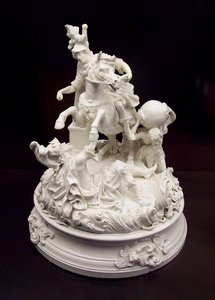
manufactura real de loza fina y porcelana de alcora
1727 - 1945 , Spain
Quick Facts
- Artistic Movement Or Style: Fine Ceramics & Porcelain
- Artists Who Influenced This Artist: ['French designs']
- Date Of Birth: 1727
- Date Of Death: 1945
- Full Name: Manufactura Real de Alcora
- Nationality: Spanish
- Place Of Birth: Alcora, Spain