 Preview
 Send
Send Share
Share
 Details

 Download
 Similars
 X-Ray
X-Ray Diaporama
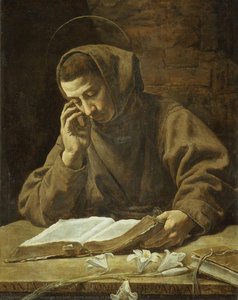
Saint Anthony of Padua


 Read More
Giclée / Art Print
Museum-quality giclée or canvas print with fast production and flexible finish options. ( Buy Hand Made Painting Buy Image)




P118B $10

P118H $10

P118W $10

P438Z $10

P508JH $12

P508YH $12

P805H $10

P805Z $10

P919BZ $10

P919G $10

P919XJ $10

P959ZH $10

P968JZ $12

W106C $8

W218G $10

W218JH $8

W218Y $10

W307PJ $10

W316G $10

W316PJ $8

W316Y $10

W398PJ $8

W4111J $10

W500HY $15

W500JH $15

W692G $12

W849H $8

W940BG $15

W953PJ $8




Pick from our preset sizes that match the artwork's original proportions.

You may enter your own dimensions to fit a specific frame or space. If your selected size does not match the original image's proportions, we will either crop the artwork or extend the image with a mirrored or solid-fill edge. A digital mockup will be sent for your approval before production begins.
Please note that the on-screen preview does not reflect the actual cropping or extension. Only the mockup will accurately show the final composition.
While custom sizes are available, we recommend selecting a dimension from the predefined list to preserve the original proportions.
Worldwide Delivery () in 2 weeks instead of standard 4/5 weeks. (25 August)

Free Worldwide Express Shipping

High-Quality Linen Canvas

Full Shipping Insurance

Customs Tax Refund Guarantee

True Color Matching Guarantee

60-Day Return Policy (Defects Only)

100% Money-Back Guarantee

Bulk Discount Offer
 Glass option is only available in size under 110 CM

Saint Anthony of Padua
Giclée / Art Print
Reproduction Size
-


Total Price
$ 63
Collectible Description
A Moment of Divine Contemplation
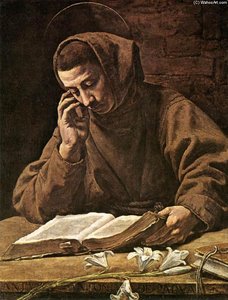
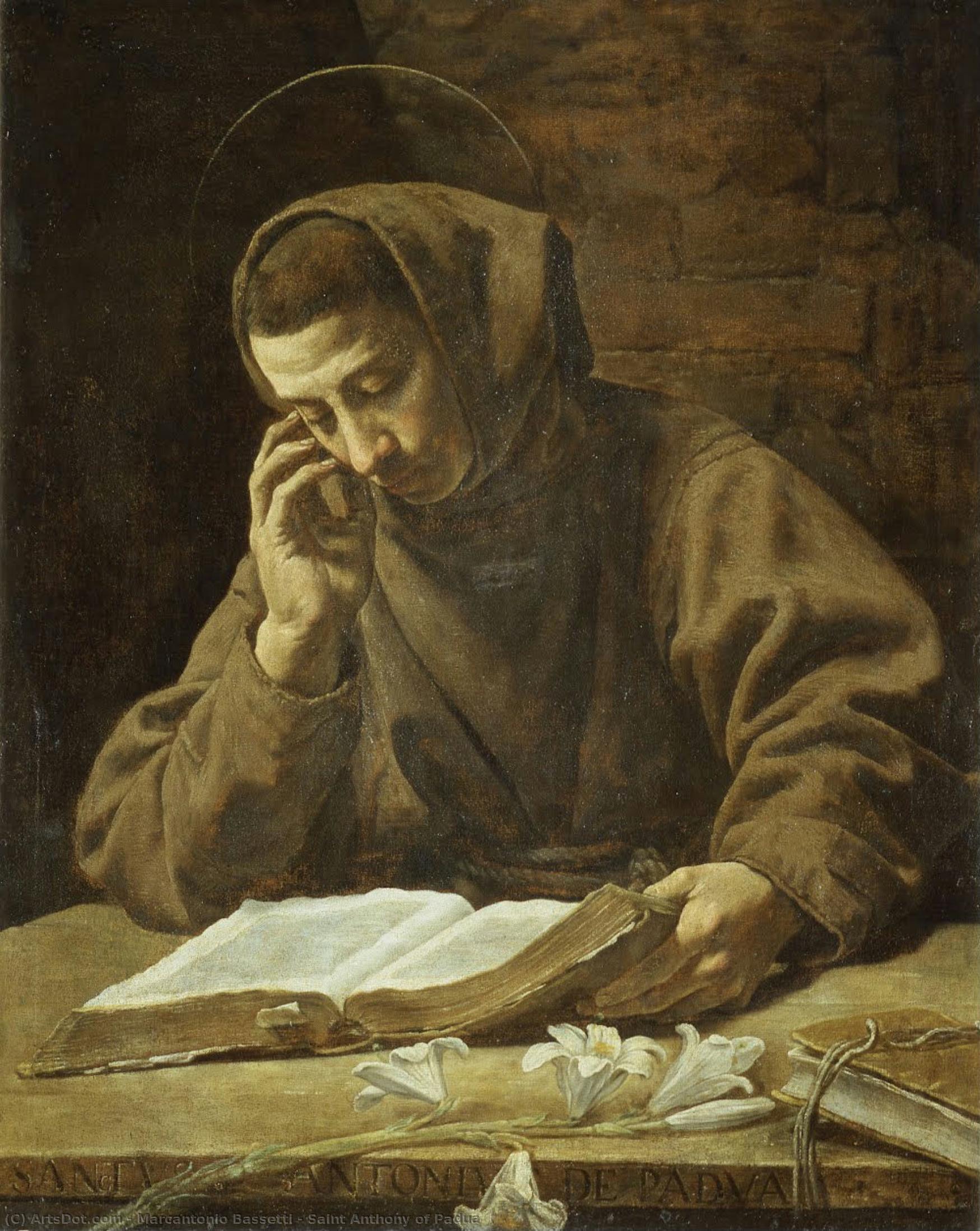
In the quiet, shadowed depths of Marcantonio Bassetti’s 1620 masterpiece, Saint Anthony of Padua, we are invited into a sanctuary of profound stillness. This evocative oil on canvas serves as more than a mere portrait; it is a window into a moment of spiritual communion. The saint is captured in a state of deep intellectual and religious devotion, his gaze anchored to the sacred text held within his hands. As he sits at a simple table, the weight of his contemplation seems to press upon the very air around him, creating an atmosphere that is both intimate and monumental. The presence of two shadowy figures in the background—one standing sentinel to his left and another receding into the soft gloom on the right—adds a layer of narrative complexity, suggesting a community of faith or perhaps the quiet witnesses to a miraculous moment of insight.
The technique employed by Bassetti is a masterful testament to the transition from the late Mannerist style to the burgeoning energy of the Baroque era. Utilizing a sophisticated application of chiaroscuro, the artist orchestrates a dramatic interplay between light and shadow that breathes life into the composition. Light does not merely illuminate the scene; it acts as a divine protagonist, spilling across the pages of the book and catching the textures of the monk's habit, while simultaneously swallowing the periphery in velvety darkness. This high-contrast approach directs the viewer's eye unerringly to the saint’s face and hands, emphasizing the tactile reality of the parchment and the emotional gravity of his expression.
The Legacy of a Veronese Master
To understand the soul of this painting, one must look to the fertile artistic landscape of early seventeenth-century Italy. Born in Verona, Marcantonio Bassetti was a painter deeply influenced by the Venetian tradition, absorbing the dramatic compositions and coloristic brilliance of legends like Tintoretto and Veronese. In Saint Anthony of Padua, we see the echoes of these masters refined through Bassetti’s own unique lens. His ability to blend the structural elegance of his training under Felice Ricci with the atmospheric tension characteristic of the Venetian school allows him to create a work that feels both grounded in historical tradition and vibrantly alive.
For the discerning collector or interior designer, this piece offers an unparalleled opportunity to introduce a sense of timelessness and gravitas into a space. The painting’s somber palette and rich textures make it a sophisticated centerpiece for a study, a library, or a formal dining room, where its quiet intensity can serve as a focal point for reflection. A high-quality reproduction of this work does not merely decorate a wall; it anchors a room with the weight of history and the elegance of the Baroque spirit, offering an enduring connection to the profound spiritual heritage of the Italian Renaissance.
Related Artworks
Artist Biography
A Venetian Echo in Verona’s Canvas
Marcantonio Bassetti (1588–1630) stands as a pivotal figure within the transition from the late Renaissance to the burgeoning dynamism of the early seventeenth century. Born in the historic city of Verona, Italy, his artistic journey was deeply rooted in the fertile intellectual landscape of his homeland. His formative training began under the tutelage of Felice Ricci, yet it was the magnetic influence of Venice that truly sculpted his creative vision. Immersed in a city pulsating with innovation, Bassetti absorbed the stylistic legacies of luminaries such as Tintoretto, Veronese, and Jacopo Bassano. This Venetian heritage instilled in him a profound appreciation for dramatic composition and a masterful command of chiaroscuro—the evocative interplay of light and shadow that would become a hallmark of his oeuvre.
As his career progressed, Bassetti’s artistry moved beyond mere representation toward an intense pursuit of emotional truth. His time in Rome between 1616 and 1620 proved transformative, as he encountered the revolutionary naturalism championed by Caravaggio and Orazio Borgianni. This encounter with the Roman Baroque movement refined his ability to use light not just as a tool for visibility, but as a medium for spiritual revelation. In his hands, figures emerge from deep, velvety darkness, illuminated by radiant, focused light that conveys profound psychological complexity and visceral immediacy. He did not simply paint biblical narratives; he sought to capture the very essence of devotion and the weight of human experience.
Mastery of Light and Devotion
The breadth of Bassetti’s work reflects the dual pillars of his era: religious fervor and the dignity of the individual. His religious commissions are characterized by a solemnity that commands respect, as seen in notable works such as St. Peter and Saints, created for the San Tommaso Church in Verona. In these sacred scenes, he utilized the dramatic tension of the Baroque style to invite viewers into moments of quiet contemplation and divine encounter. His ability to render the textures of fabric, the weathered skin of saints, and the ethereal glow of heavenly light made him a sought-after painter for ecclesiastical institutions seeking to inspire awe in their congregations.
Beyond the altar, Bassetti’s talent extended into the intimate realm of portraiture, where he applied his mastery of detail to capture the character and wisdom of his subjects. His works often serve as windows into the seventeenth-century soul, blending meticulous observation with a sense of timelessness. Some of his most enduring contributions to the art historical canon include:
- Saint Anthony of Padua: A profound Baroque portrait that utilizes masterful chiaroscuro to capture a moment of quiet, solitary devotion.
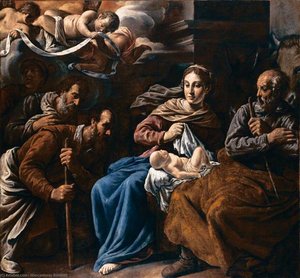
- Adoration of the Shepherds: A dramatic 1621 masterpiece that showcases his ability to weave complex biblical narratives through rich details and intense light.
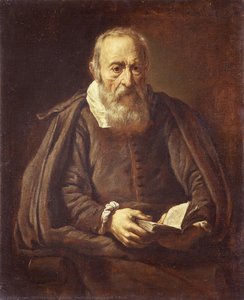
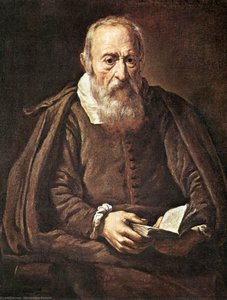
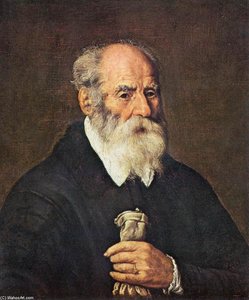
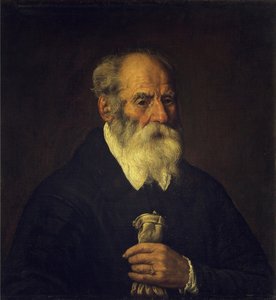
- Portrait of an Old Man with Book: A captivating study of age and intellect, demonstrating his skill in portraying human wisdom through precise, textured execution.
Though his life was tragically short, ending in 1630, Marcantonio Bassetti left behind a legacy that bridges the gap between the structured elegance of Mannerism and the raw, emotional power of the Baroque. His work remains a testament to a period of immense artistic transition, where the shadows of the past met the brilliant, dramatic light of a new era.
Marcantonio Bassetti
1588 - 1630 , Italy
Quick Facts
- Artistic Movement Or Style: Venetian Painting
- Artists Or Movements Influenced By This Artist: ['Renaissance']
- Artists Who Influenced This Artist:
- Tintoretto
- Veronese
- Jacopo Bassano
- Caravaggio
- Graziano Borgianni
- Date Of Birth: Verona, Italy (1588)
- Date Of Death: 1630
- Full Name: Marcantonio Bassetti
- Nationality: Italian
- Notable Artworks:
- Dead Christ Supported by Virgin Mary & Mary Magdalene
- Portrait of an Old Man with Gloves
- Adoration of the Shepherds
- Place Of Birth: Verona
Related Articles

Baroque Masterpieces: 10 Paintings That Defined an Era |
Journey through the drama & grandeur of Baroque art! Explore 10 masterpieces by Caravaggio, Rembrandt, Rubens & more. Discover stunning oil paintings, rich colors & timeless stories. Find museum-quality reproductions at .

The Dramatic Flourish: Exploring the Baroque Movement's Enduring Legacy in Art History
Explore the dramatic world of Baroque art! Discover iconic artists like Caravaggio & Rubens, defining techniques, and its lasting impact on art history. Expert insights for collectors & enthusiasts at ArtsDot.
Decoding Baroque Grandeur: A Guide to the Drama and Emotion of 17th-Century Art
Explore the breathtaking drama of 17th-century Baroque art. Our expert guide decodes the use of chiaroscuro, emotional intensity, and historical grandeur to help you appreciate and curate timeless masterpieces for your collection.

The Visceral Stage: Exploring Dramatic Narratives & Emotional Intensity in Baroque Art
Explore the dramatic world of Baroque art! Discover iconic masters like Caravaggio & Rembrandt, their techniques, and the movement's lasting impact. Expert insights for collectors & enthusiasts at ArtsDot.

Baroque Drama: Bringing Opulence & Emotion into Contemporary Interiors
Explore the opulent world of Baroque interior design! Discover key elements, modern applications & how to bring dramatic elegance into your home with 's authentic reproductions.