

 Preview
 Send
Send Share
Share
 Details

 Download
 Similars
 X-Ray
X-Ray Diaporama
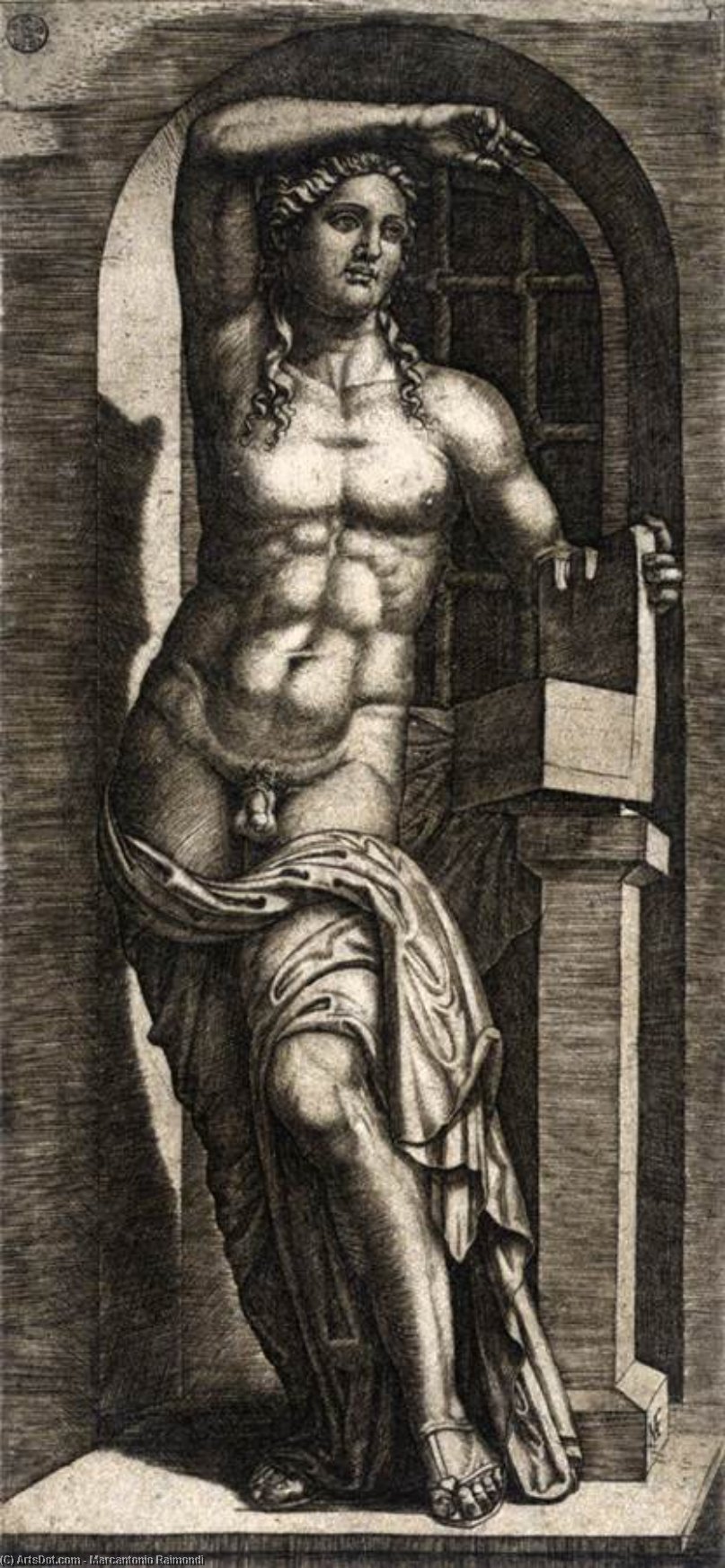
Apollo Citharoedus of the Casa Sassi
 Engraving
- Renaissance art
 1510
1510- Renaissance
 313.0 x 144.0 cm
 British Museum
 Read More
Purchase a high-resolution, enhanced digital image, far superior to the online preview.
Each file is meticulously prepared by our in-house specialists using advanced tools and expert manual retouching. We ensure every image has exceptional clarity, precise color accuracy, and fine detail.
The final file is delivered via email within 72 hours, optimized for immediate use in professional, editorial, and print environments. This is the same quality trusted by top-tier design studios, publishers, and galleries.
Digital Image
Download a high-resolution file for personal display, printing, and creative projects. ( Buy Print Buy Hand Made Painting)
Included in Every Digital Image Order
Expert Digital Delivery, Guaranteed
When you choose ArtsDot.com, you're not just getting an image - you're receiving a professionally enhanced digital artwork, crafted with precision and backed by a satisfaction guarantee. Here's everything that comes with your order, automatically:

Fast Email Delivery
Your high-resolution digital image file will be emailed to you within 72 hours of ordering - ready for immediate use.

AI-Enhanced Digital File
Your artwork is professionally optimized using advanced AI tools and manual editing, ensuring maximum detail, clarity, and color accuracy.

Free Lifetime Re-Delivery
Accidentally deleted or lost your file? No worries - we'll resend it to you anytime, free of charge.

No Import Fees - Ever
Enjoy your artwork instantly with zero customs, duties, or delivery fees - digital downloads are always tax-free.

Color Accuracy Guarantee
We ensure your digital image reflects the original colors as closely as possible using professional tools and color management.

60-Day Satisfaction Guarantee
If you're not satisfied with your digital image, we'll revise it or refund 100% within 60 days - no questions asked.

100% Money-Back Guarantee
Not satisfied? Get a full refund within 60 days of receiving your digital file - no questions asked.

Bulk Order Discounts
Buy 3 images, save 10% - Buy 5, save 15% - Buy 10+, save 20%. Great for creative projects, galleries, and agencies.
Collectible Description
A Divine Resonance in Line and Light
In the delicate interplay of shadow and silvered light, Apollo Citharoedus of the Casa Sassi emerges as a breathtaking testament to the Renaissance obsession with classical perfection. This masterful engraving by Marcantonio Raimondi captures the Greek god of music, poetry, and light in a moment of poised, sculptural grace. As the eye wanders across the muscular, well-defined physique of the deity, one is immediately struck by the profound sense of movement held in stillness. Apollo stands in profile, his form rendered with such anatomical precision that he seems to breathe within the confines of the print. The laurel wreath upon his brow serves as a silent herald of victory and divine honor, while his gesture—one arm raised toward the heavens—suggests a celestial connection that transcends the physical medium of ink and paper.
The composition is anchored by an architectural elegance that speaks to the grandeur of antiquity. Through the use of fine, rhythmic lines, Raimondi creates a sense of deep space, where archways and pillars frame the god, grounding his ethereal presence in a tangible, classical world. This technique of cross-hatching and delicate shading does more than merely define shape; it breathes life into the stone-like textures of the background, creating a three-dimensional illusion that was revolutionary for its time. For the discerning collector or interior designer, this piece offers a window into a period where art sought to harmonize the human form with the mathematical beauty of the universe.
The Mastery of the Renaissance Engraver
To understand the soul of this work, one must look to the hands of its creator. Marcantonio Raimondi was not merely a craftsman but a pivotal architect of the visual language of the 16th century. As a contemporary who worked closely with the legendary Raphael, Raimondi possessed the unique ability to translate the fluid, painterly genius of the High Renaissance into the precise, disciplined medium of engraving. In Apollo Citharoedus, we see this technical prowess at its zenith. Every stroke of the burin is calculated to evoke the softness of skin and the hardness of marble, creating a tactile experience that invites the viewer to reach out and touch the divine.
The historical context of 1510 provides a rich tapestry for this imagery. During this era, the revival of classical mythology was not just an aesthetic choice but an intellectual movement aimed at reclaiming the wisdom of the ancients. By depicting Apollo—the patron of the arts—Raimondi celebrates the very essence of human creativity and enlightenment. This makes the artwork far more than a decorative object; it is a profound statement on the enduring power of culture and knowledge. For those seeking to infuse a space with intellectual depth and timeless sophistication, this reproduction serves as an exquisite centerpiece, evoking an atmosphere of refined contemplation and historical reverence.
An Eternal Inspiration for Modern Spaces
Integrating a piece of such monumental character into a contemporary interior allows for a beautiful dialogue between the past and the present. The monochromatic elegance of Raimondi’s engraving offers a versatile aesthetic that complements both minimalist modernism and opulent classical decor. Its fine lines and subtle tonal shifts provide a sophisticated texture that can anchor a room, acting as a focal point that draws the eye and sparks conversation. Whether placed in a sun-drenched study or a grand gallery hall, the presence of Apollo brings an aura of calm, disciplined beauty to any environment.
For art lovers and decorators alike, the allure of Apollo Citharoedus lies in its ability to evoke emotion through technical perfection. It is a work that speaks of strength, harmony, and the eternal pursuit of beauty. Owning a high-quality reproduction of this masterpiece is an opportunity to surround oneself with the echoes of the Renaissance, ensuring that the light of Apollo continues to illuminate the modern home with grace and distinction.
Related Artworks

Artist Biography
Marcantonio Raimondi: The Florentine Echo in Venetian Printmaking
Marcantonio Raimondi (c. 1480 – c. 1534) stands as a pivotal figure in the burgeoning world of Renaissance printmaking, particularly celebrated for his masterful depictions of mythological narratives and Raphael’s compositions. Born in Arzignano, Italy, Raimondi's artistic journey unfolded against the backdrop of a period marked by intense intellectual exchange between Florence and Venice – exchanges that profoundly shaped his stylistic sensibilities and technical prowess. While biographical details remain scarce, scholarly consensus points to him as one of the earliest printmakers whose oeuvre demonstrates a sustained engagement with innovative engraving techniques and a deep appreciation for the aesthetic ideals championed by contemporaries like Albrecht Dürer.- Early Life & Training: Precise information regarding Raimondi’s formative years is elusive, yet he emerged from Arzignano as a skilled craftsman—likely trained in niello engraving, a technique involving inlaying precious metals into engraved metal surfaces—a practice that has been debated by art historians like Arthur Mayger Hind.
- The Florentine Influence: Raimondi’s artistic development was undeniably influenced by the vibrant Florentine printmaking scene of his time. He absorbed stylistic elements from artists such as Francia and Andrea Mantegna, mirroring the humanist spirit prevalent in Florence during Raphael's ascendancy.
- Dürer’s Legacy & Technique: The arrival of Albrecht Dürer in Bologna in 1506 served as a catalyst for Raimondi’s artistic evolution. Dürer’s groundbreaking engravings captivated Italian printmakers, prompting them to emulate his meticulous draughtsmanship and pioneering use of tonal shading—a technique that Raimondi skillfully adopted into his own prints.
A Flourishing Career: Engravings from 1505-1511
Between 1505 and 1511, Raimondi produced approximately eighty engravings, showcasing an astonishing breadth of subject matter—ranging from classical mythology to biblical scenes and portraits of prominent figures. His early works demonstrate a remarkable fusion of Florentine and Venetian artistic traditions, reflecting the dynamic cultural landscape of the era. Notably, he meticulously studied Dürer’s prints, particularly “Adam and Eve,” incorporating elements of Dürer's compositional approach and tonal rendering into his own engravings. This collaborative spirit extended beyond stylistic imitation; Raimondi actively engaged in discussions with Michelangelo and Dürer themselves, fostering a vibrant intellectual environment that fueled artistic innovation.- Mythological Narratives: Raimondi’s engravings frequently revisited classical myths—such as “Pyramus and Thisbe” and “Jason and Medea”—transforming them into visually arresting narratives imbued with symbolic resonance.
- Religious Imagery: He produced numerous prints depicting scenes from the Bible, demonstrating a profound understanding of Christian iconography and artistic conventions.
Copying Dürer & The Venetian Copyright Debate
Raimondi’s unwavering dedication to mastering Dürer's technique extended beyond stylistic emulation; he undertook ambitious projects replicating Dürer’s monumental woodcut series, “The Life of the Virgin,” a practice commonplace among printmakers at the time. However, Raimondi’s endeavors distinguished him from many of his peers by securing legal protection for his original compositions—a landmark case in the nascent history of intellectual property law that challenged prevailing notions regarding artistic authorship and copyright. The Venetian government recognized Dürer's monogram as protected intellectual property, establishing a precedent for safeguarding artists’ rights against unauthorized reproductions.Concluding Significance: Raimondi’s Enduring Influence
Marcantonio Raimondi’s contribution to Renaissance printmaking transcends mere stylistic imitation; he embodies the spirit of artistic innovation and collaborative inquiry that characterized the era. His engravings continue to inspire admiration for their technical brilliance, compositional sophistication, and evocative portrayal of human experience—solidifying his place as one of the foremost printmakers of his time and a crucial link between Florentine humanist ideals and Venetian artistic dynamism. He remains an exemplar of how artists can engage with the legacy of their predecessors while forging their own distinctive artistic voice.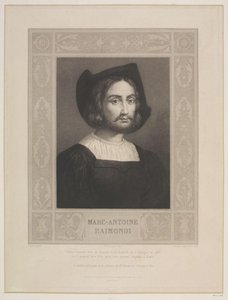
Marcantonio Raimondi
1480 - 1534 , Italy
Quick Facts
- Artistic Movement Or Style: Renaissance art
- Artists Or Movements Influenced By This Artist: ['Dürer']
- Artists Who Influenced This Artist: ['Dürer']
- Date Of Birth: c. 1480/82
- Date Of Death: c. 1534
- Full Name: Marcantonio Raimondi
- Nationality: Italian
- Notable Artworks:
- Massacre of the Innocents
- Martyrdom of St Lawrence
- The Vision of St Helena
- Place Of Birth: Arzignano, Italy

