 Preview
 Send
Send Share
Share
 Details

 Download
 Similars
 X-Ray
X-Ray Diaporama
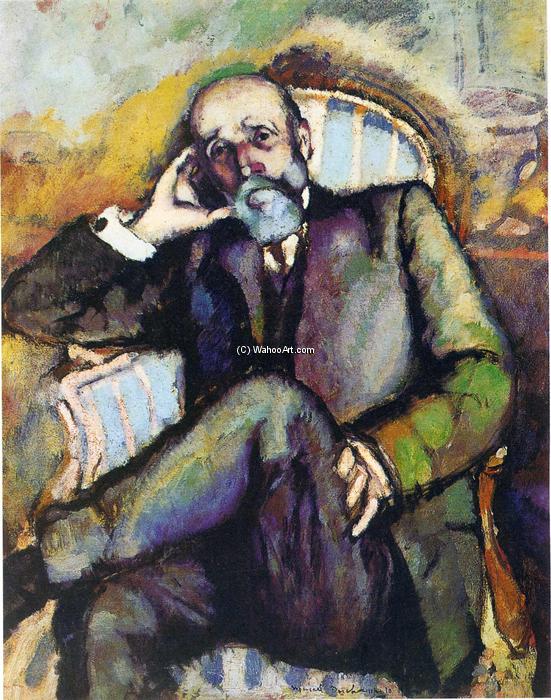
Portrait of the artist's father
 Oil On Canvas
- WallArt
- Expressionism
 1910
1910- Modern
 92.0 x 73.0 cm
 Read More
Giclée / Art Print
Museum-quality giclée or canvas print with fast production and flexible finish options. ( Buy Hand Made Painting Buy Image)




P118B $10

P118H $10

P118W $10

P438Z $10

P508JH $12

P508YH $12

P805H $10

P805Z $10

P919BZ $10

P919G $10

P919XJ $10

P959ZH $10

P968JZ $12

W106C $8

W218G $10

W218JH $8

W218Y $10

W307PJ $10

W316G $10

W316PJ $8

W316Y $10

W398PJ $8

W4111J $10

W500HY $15

W500JH $15

W692G $12

W849H $8

W940BG $15

W953PJ $8




Pick from our preset sizes that match the artwork's original proportions.

You may enter your own dimensions to fit a specific frame or space. If your selected size does not match the original image's proportions, we will either crop the artwork or extend the image with a mirrored or solid-fill edge. A digital mockup will be sent for your approval before production begins.
Please note that the on-screen preview does not reflect the actual cropping or extension. Only the mockup will accurately show the final composition.
While custom sizes are available, we recommend selecting a dimension from the predefined list to preserve the original proportions.
Worldwide Delivery () in 2 weeks instead of standard 4/5 weeks. (26 August)

Free Worldwide Express Shipping

High-Quality Linen Canvas

Full Shipping Insurance

Customs Tax Refund Guarantee

True Color Matching Guarantee

60-Day Return Policy (Defects Only)

100% Money-Back Guarantee

Bulk Discount Offer
 Glass option is only available in size under 110 CM

Portrait of the artist's father
Giclée / Art Print
Reproduction Size
-


Total Price
$ 63
Collectible Description
A Glimpse into Intimacy: Marcel Duchamp’s Portrait of His Father (1910)
This captivating portrait, created in 1910, offers a rare and poignant glimpse into the early artistic explorations of Marcel Duchamp – before his revolutionary embrace of conceptual art and readymades. Far from the iconoclasm he would later become known for, *Portrait of the Artist’s Father* reveals a sensitive artist deeply rooted in the traditions of painting, yet already hinting at a unique expressive voice.Subject & Composition
The artwork centers on Duchamp's father, seated comfortably in an armchair. The composition is strikingly intimate; the figure dominates the canvas, drawing the viewer into a close proximity that fosters a sense of quiet contemplation. While seemingly simple, the off-center placement and cropped framing contribute to a dynamic tension, preventing the portrait from feeling static or overly formal. Duchamp doesn’t present his father as a man *of* status, but rather a man *in* repose – a private moment captured with remarkable honesty.Style & Technique: Early Expressionist Tendencies
Rendered in oil on canvas (92 x 73 cm), the painting showcases Duchamp’s early experimentation with Fauvism and nascent Expressionistic tendencies. The style is characterized by loose, gestural brushwork and a bold use of color to define form rather than replicate reality. Thick impasto creates a tactile surface, particularly in the darker areas, adding depth and visual interest. Lines are not precise; they’re expressive, almost vibrating with energy, outlining the figure and chair with confident strokes. The flattened perspective further emphasizes this emotional intensity over strict representational accuracy.Historical Context & Artistic Evolution
Created during a period of significant artistic upheaval – just before the full eruption of Cubism and other avant-garde movements – this portrait represents a transitional phase in Duchamp’s career. While influenced by Post-Impressionist masters, he was already beginning to question conventional approaches to painting. Interestingly, around the same time, Duchamp created *The Bush*, another work demonstrating his exploration of form and title as separate entities—a foreshadowing of his later conceptual concerns. He would soon move away from this style, but this portrait remains a valuable record of his formative years.Symbolism & Emotional Resonance
The seated posture of Duchamp’s father suggests contemplation or perhaps weariness – a quiet acceptance of life's passage. The somber palette and dramatic lighting contribute to an overall mood of melancholy and introspection. It is tempting to read the painting through the lens of Proustian memory, given Duchamp’s later fascination with the author (and the parallels between his own artistic project and *In Search of Lost Time*). The portrait isn't merely a likeness; it's an evocation of a feeling—a tender tribute to paternal presence.For Collectors & Interior Designers
This work, currently housed at the Philadelphia Museum of Art, offers a unique opportunity for collectors seeking early examples of Duchamp’s artistry. Its expressive style and muted color palette make it surprisingly versatile for interior design. It would complement both modern and traditional settings, adding a touch of intellectual sophistication and emotional depth to any space. A high-quality reproduction captures the texture and nuance of the original, bringing this intimate portrait into your home or office.- Style: Early Expressionism / Fauvism
- Artist: Marcel Duchamp (1887-1968)
- Date: 1910
- Medium: Oil on Canvas
- Dimensions: 92 x 73 cm
- Location: Philadelphia Museum of Art
Related Artworks
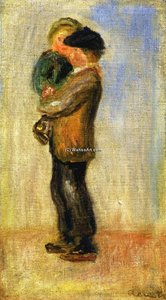
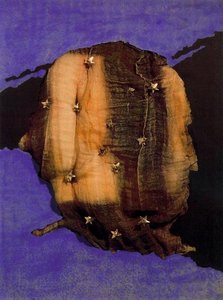
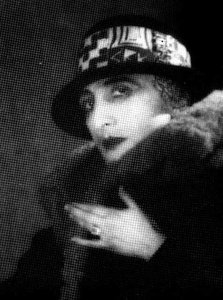
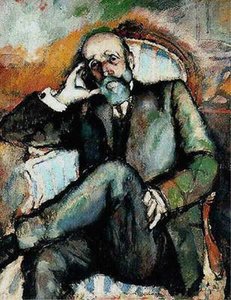
Artist Biography
A Revolutionary Spirit: The Life and Art of Marcel Duchamp
Marcel Duchamp, born Henri-Robert-Marcel Duchamp in 1887 in Blainville-Crevon, Normandy, was more than an artist; he was a philosophical provocateur who fundamentally altered the course of modern art. His early life, though seemingly conventional – nurtured within a family that appreciated artistic expression with both brothers pursuing successful careers as artists – hinted at the iconoclasm to come. Duchamp initially pursued formal training, mastering traditional techniques and experimenting with post-impressionist styles. However, this academic foundation served not as an end in itself, but as a springboard for questioning the very nature of art, its purpose, and its definition. He wasn’t content merely to depict the world; he sought to challenge how we perceive it, and what constitutes artistic value. This restless intellectual curiosity would become the defining characteristic of his prolific career.From Cubism to Dada: A Rejection of Convention
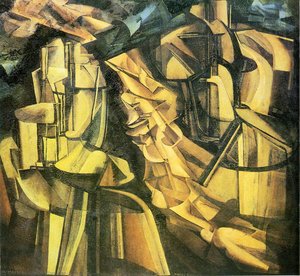
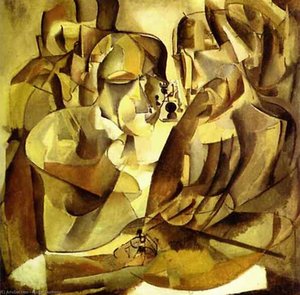
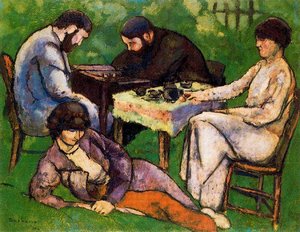
Duchamp's artistic journey was marked by a constant evolution, a deliberate shedding of established norms. His initial engagement with Cubism, evident in works like *Portrait of Chess Players* (1911), demonstrated an interest in fragmented forms and multiple perspectives – a departure from traditional representation. Yet, he quickly moved beyond purely aesthetic concerns, recognizing that simply rearranging visual elements wasn’t enough to address the deeper questions swirling within him. The horrors of World War I fueled this discontent, leading Duchamp to embrace Dadaism, a movement born out of disillusionment and a rejection of logic, reason, and traditional artistic values. It was within the Dadaist framework that Duchamp truly began to dismantle conventional notions of art. He wasn’t interested in creating beautiful objects; he wanted to provoke thought, challenge assumptions, and expose the arbitrariness of aesthetic judgment. This period saw the birth of his most radical innovation: the ‘readymade’.The Readymades and the Subversion of Art
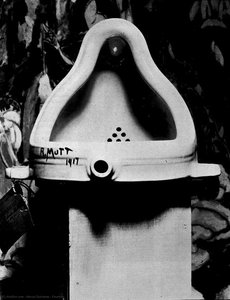
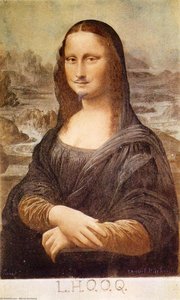
The introduction of readymades – ordinary manufactured objects selected and presented as art – was Duchamp’s most significant contribution to the 20th century. These weren't simply found objects; they were deliberate acts of artistic subversion. By taking an everyday item, like a urinal (*Fountain*, 1917), signing it “R. Mutt,” and submitting it to an art exhibition, Duchamp challenged the very definition of artistic skill and authorship. Was it the artist’s hand that created the work, or was it the artist's *idea*? This question became central to his practice and laid the groundwork for Conceptual Art. Other notable readymades like *L.H.O.O.Q.* (1919), a postcard reproduction of the Mona Lisa defaced with a mustache and goatee, were playful yet pointed critiques of art history and established cultural icons. These works weren’t meant to be admired for their aesthetic qualities; they were intended to provoke debate and force viewers to reconsider their preconceived notions about what constitutes art. Duchamp believed that art should reside in the mind, not merely in the eye.Legacy and Enduring Influence
Marcel Duchamp's impact on subsequent generations of artists is immeasurable. He fundamentally altered our understanding of art, paving the way for movements like Conceptual Art, Minimalism, Pop Art, and countless others. His emphasis on the artist’s idea – the concept behind the work – over its aesthetic qualities continues to inspire artists today.- Cubism: Early exploration of fractured forms and spatial representation.
- Dadaism: Rejection of logic, reason, and traditional artistic values in response to World War I.
- Conceptual Art: Emphasis on the idea behind the artwork rather than its aesthetic qualities.
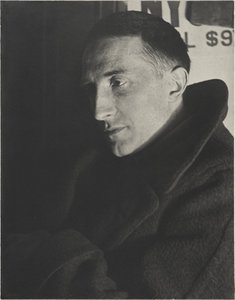
Marcel Duchamp
1887 - 1968 , France
Quick Facts
- Artistic Movement Or Style:
- Cubism
- Dadaism
- Conceptual Art
- Artists Or Movements Influenced By This Artist:
- Conceptual Art
- Pop Art
- Minimalism
- Date Of Birth: July 28, 1887
- Date Of Death: October 2, 1968
- Full Name: Marcel Duchamp
- Nationality: French-American
- Notable Artworks:
- Fountain
- L.H.O.O.Q.
- The Large Glass
- Boîte-en-valise
- Place Of Birth: Blainville, France
Related Articles

The Enduring Legacy of Oil on Canvas: Technique, History & Aesthetic Impact
Explore the rich history & techniques of oil painting – from Renaissance masters to Impressionism. Discover pigments, layering methods, and why this timeless medium endures. Expert insights for artists & art enthusiasts.
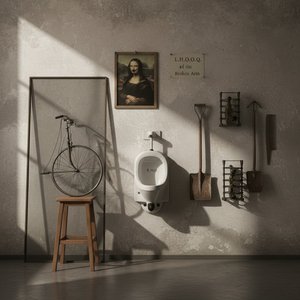
Marcel Duchamp: Challenging Conventions & Redefining Art in the 20th Century
Explore the revolutionary art of Marcel Duchamp! Discover how his Dadaist readymades challenged artistic conventions & redefined modern art. A deep dive into 'Fountain', conceptual shifts, and his lasting impact.

Oil on Canvas: A Historical & Technical Exploration of a Timeless Artistic Medium
Explore the rich history & enduring techniques of oil painting on canvas. Discover the science behind its longevity, conservation practices, and contemporary relevance. Expert insights for art enthusiasts.

The Enduring Power of Painting: A Historical & Contemporary Exploration of Form and Emotion
Explore the rich history & enduring techniques of oil painting with ArtsDot. Discover masterpieces, learn about art collecting, and find authentic handmade reproductions crafted by skilled artists.

The Enduring Legacy of Oil on Canvas: Technique, History & Contemporary Practice
Explore the rich history & enduring techniques of oil painting on canvas. Discover the science behind its longevity, conservation practices, and contemporary relevance. Expert insights for art enthusiasts.