 Preview
 Send
Send Share
Share
 Details

 Download
 Similars
 X-Ray
X-Ray Diaporama
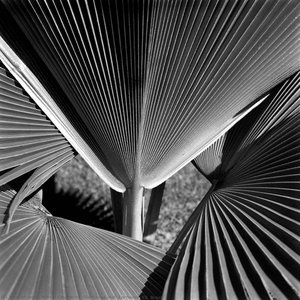
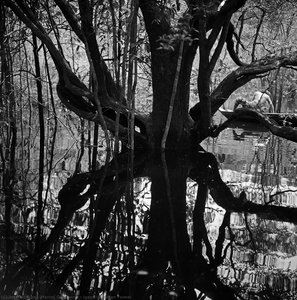
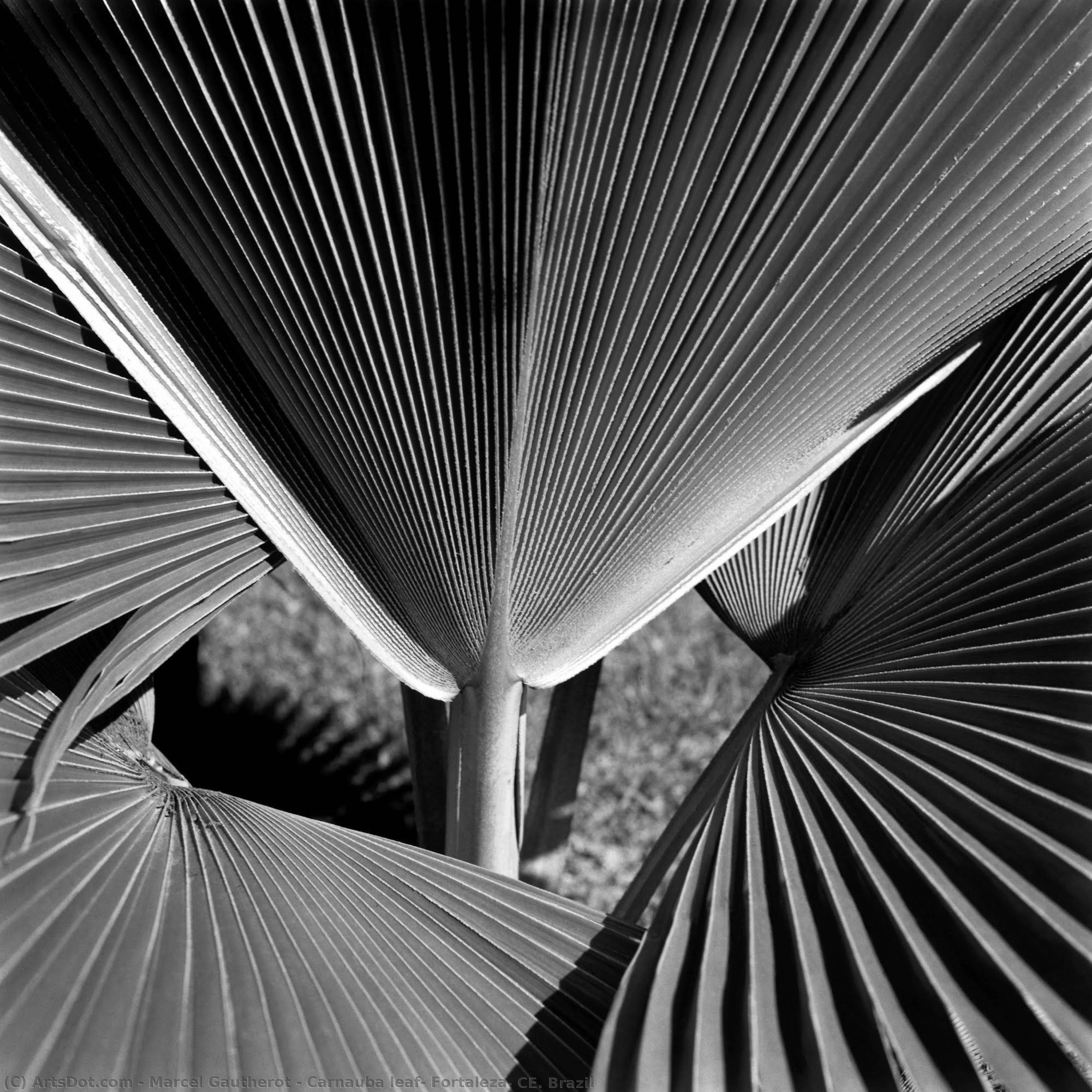
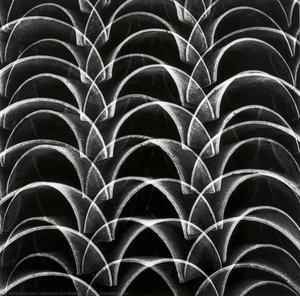
Carnauba leaf, Fortaleza, CE. Brazil
 Acrylic On Canvas
- WallArt
- Contemporary Realism
 46.0 x 46.0 cm
 Instituto Moreira Salles
 Read More
Giclée / Art Print
Museum-quality giclée or canvas print with fast production and flexible finish options. ( Buy Hand Made Painting Buy Image)




P118B $10

P118H $10

P118W $10

P438Z $10

P508JH $12

P508YH $12

P805H $10

P805Z $10

P919BZ $10

P919G $10

P919XJ $10

P959ZH $10

P968JZ $12

W106C $8

W218G $10

W218JH $8

W218Y $10

W307PJ $10

W316G $10

W316PJ $8

W316Y $10

W398PJ $8

W4111J $10

W500HY $15

W500JH $15

W692G $12

W849H $8

W940BG $15

W953PJ $8




Pick from our preset sizes that match the artwork's original proportions.

You may enter your own dimensions to fit a specific frame or space. If your selected size does not match the original image's proportions, we will either crop the artwork or extend the image with a mirrored or solid-fill edge. A digital mockup will be sent for your approval before production begins.
Please note that the on-screen preview does not reflect the actual cropping or extension. Only the mockup will accurately show the final composition.
While custom sizes are available, we recommend selecting a dimension from the predefined list to preserve the original proportions.
Worldwide Delivery () in 2 weeks instead of standard 4/5 weeks. (17 August)

Free Worldwide Express Shipping

High-Quality Linen Canvas

Full Shipping Insurance

Customs Tax Refund Guarantee

True Color Matching Guarantee

60-Day Return Policy (Defects Only)

100% Money-Back Guarantee

Bulk Discount Offer
 Glass option is only available in size under 110 CM

Carnauba leaf, Fortaleza, CE. Brazil
Giclée / Art Print
Reproduction Size
-


Total Price
$ 63
Collectible Description
Marcel Gautherot’s ‘Carnauba Leaf’: A Study in Geometric Minimalism
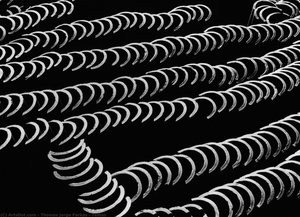
The photograph “Carnauba Leaf,” executed by Marcel Gautherot around 1942, stands as a testament to the artist's unwavering dedication to capturing the essence of Brazilian natural beauty through a lens focused on precise observation and masterful technique. Acquired by the Instituto Moreira Salles in 1999, this artwork represents a cornerstone of Gautherot’s extensive oeuvre—a collection numbering approximately 25,000 images that spans diverse themes, cementing his position as one of the foremost figures in twentieth-century Brazilian photography. Born in Paris in 1910 and relocating to Rio de Janeiro in late 1940, Gautherot adopted a stylistic approach characterized by both the understated rigor of his generation’s documentary tradition and an acute sensitivity to aesthetic principles honed during his studies at the École Nationale Supérieure des Arts Décoratifs. This singular piece eschews overt narrative or emotional expression, prioritizing instead the inherent elegance and geometric complexity of a single palm frond. The composition is dominated by radial symmetry—a deliberate structuring element that draws the viewer’s gaze towards the central axis of the leaf structure. Lines are prominent throughout the image, forming sharp edges and repeating motifs that contribute to the overall visual impact. These lines aren't merely descriptive; they actively sculpt the space within the frame, creating a sense of depth and dimensionality despite the photograph’s relatively shallow perspective. The dominant shapes—circles, spirals, and angular forms derived from the leaf’s intricate patterns—reinforce this geometric underpinning, reflecting Gautherot’s fascination with mathematical precision as a tool for artistic exploration. Lighting plays a crucial role in conveying the artwork's mood and highlighting textural nuances. Directional illumination casts strong shadows that accentuate the three-dimensional contours of the fronds, enhancing their visual presence and fostering an illusion of realism. The interplay between light and shadow creates a dynamic contrast that underscores the leaf’s surface texture—revealing subtle ridges and patterns with remarkable clarity. Gautherot's meticulous attention to detail is evident in every aspect of the image, demonstrating his commitment to faithfully reproducing the natural world through photographic artistry. The photograph utilizes high-resolution printing techniques, capturing minute textures and subtleties that would be imperceptible to the naked eye. Materials employed are light and shadow—captured with exceptional fidelity by a camera lens—resulting in an image that evokes serenity and appreciation for nature’s inherent order. Ultimately, “Carnauba Leaf” transcends mere representation; it embodies Gautherot's belief that art can illuminate fundamental truths about perception and form.Size & Provenance: Dimensions of Observation
“Carnauba Leaf,” measuring 46 x 46 cm (primary support), exemplifies Gautherot’s commitment to capturing the grandeur of Brazilian landscapes with uncompromising accuracy. Its provenance traces back to the Instituto Moreira Salles, where it resides as part of a celebrated collection representing over 25,000 images produced by Marcel Gautherot throughout his prolific career. This artwork underscores Gautherot's dedication to documenting architectural marvels and natural vistas alike—a stylistic hallmark that distinguishes him from many contemporaries. The Instituto Moreira Salles’ acquisition signifies the importance placed on preserving artistic heritage and disseminating visual culture across borders. Gautherot’s meticulous approach to photography—characterized by a blend of documentary rigor and aesthetic discernment—reflects his profound engagement with the intellectual currents shaping twentieth-century Brazilian art. The artwork's dimensions contribute to its impact, presenting a substantial canvas that invites contemplation and appreciation for the artist’s masterful execution.Artist Biography: Parisian Roots, Rio Embrace
Marcel Gautherot (1910 – 1996), born in Chantilly, France, embarked on an artistic journey marked by formative years spent studying interior design at the École Nationale Supérieure des Arts Décoratifs—a grounding experience that instilled within him a keen awareness of spatial relationships and visual harmony. He migrated to Rio de Janeiro in late 1940, establishing himself as a pivotal figure in Brazilian photography and dedicating his artistic energies to documenting the country’s architectural landscape, its diverse flora and fauna, and its vibrant human culture. Gautherot's legacy extends beyond his impressive photographic output—he championed the role of art in fostering cultural understanding and promoting aesthetic excellence. His artistic vision—rooted in both European modernist sensibilities and Brazilian naturalism—influenced generations of photographers who followed him. Gautherot’s unwavering commitment to meticulous observation and stylistic innovation solidified his reputation as one of Brazil's most influential visual artists, ensuring that his work continues to inspire admiration and scholarly inquiry today. ## Additional Research: Exploring Gautherot's Wider Context Further exploration into Marcel Gautherot’s artistic trajectory reveals a multifaceted career dedicated to capturing the essence of Brazilian identity through photographic imagery. His stylistic preferences—characterized by geometric abstraction and tonal subtlety—were informed by influential movements such as Bauhaus and Surrealism, demonstrating his intellectual engagement with broader artistic trends shaping the mid-century period. Examining Gautherot's collaborations with fellow artists and institutions provides valuable insight into the cultural landscape of Brazil during his lifetime. Detailed archival research conducted by Instituto Moreira Salles has yielded invaluable documentation concerning Gautherot’s photographic process—highlighting his use of innovative printing techniques and his meticulous attention to detail. These findings underscore the importance of preserving artistic heritage and disseminating visual culture across borders, reinforcing Gautherot's enduring contribution to Brazilian art history.Related Artworks

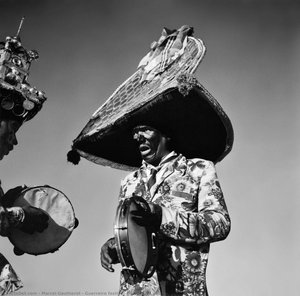
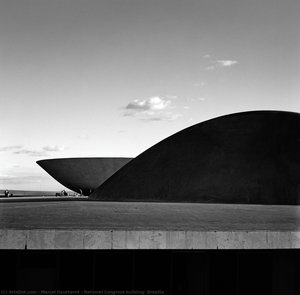
Artist Biography
A Witness to Modernity: The Life and Legacy of Marcel Gautherot
Marcel Gautherot, born in Chantilly, France, in 1910, was more than a photographer; he was a chronicler of transformation, a visual poet who dedicated over half a century to documenting the evolving soul of Brazil. Though initially drawn to architecture, it was through the lens that Gautherot found his true calling, becoming one of the most important photographers to capture the nation’s landscapes, its people, and—most significantly—the ambitious construction of Brasília. His journey began in Paris, where a budding interest in the principles of Bauhaus design led him towards an apprenticeship he ultimately abandoned, finding himself instead captivated by the power of visual storytelling while archiving images at the Musée de l'Homme in 1936. This early experience proved pivotal, shaping his eye for composition and his commitment to capturing the essence of human existence within built environments.From Parisian Roots to Brazilian Horizons
Inspired by Jorge Amado’s vibrant narratives and a desire to explore beyond European borders, Gautherot embarked on extensive travels in the late 1930s. A brief period of military service in Senegal preceded a reconnaissance trip into the Amazon rainforest, experiences that broadened his perspective and ultimately led him to settle in Rio de Janeiro around 1940. It was here, immersed in Brazilian culture, that Gautherot truly flourished. He quickly integrated himself into the country’s artistic circles, forging close relationships with leading Modernist figures like Melo Burle Marx and Oscar Niemeyer. While initially undertaking photographic work for museums and architectural magazines, it was his documentation of everyday life—the resilience of indigenous communities, the energy of coastal cities—that began to define his unique style. His photographs weren’t merely representations; they were imbued with a deep sense of empathy and respect for the subjects he portrayed.Brasília: A City in the Making
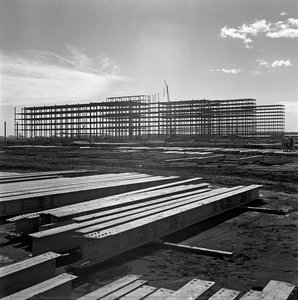
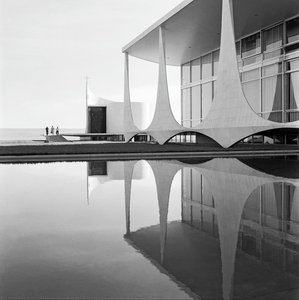
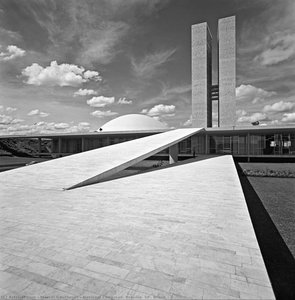
The defining chapter of Gautherot's career unfolded between 1958 and 1960, as he meticulously documented the construction of Brasília, President Juscelino Kubitschek’s audacious vision for a new capital city. Over two years, he captured over several thousand images—a comprehensive visual record of this monumental undertaking. His photographs reveal not just the geometric purity of Niemeyer's designs and Costa’s urban planning, but also the human cost and collective effort behind the project. He focused on the government wing, immortalizing iconic structures like the Brasília Cathedral, the Palacio do Planalto, and the Alvorada Palace as they rose from the landscape. Gautherot’s choice of black-and-white film, coupled with his masterful use of light and shadow, lent a dramatic intensity to his work, highlighting the contrast between architectural ambition and the manual labor required to realize it. His signature 6x6 square format—earning him the moniker “master of the magic square”—further emphasized the precision and clarity of his vision.A Lasting Impact: Documentarian Realism and Modernist Vision
Marcel Gautherot’s photographs transcend mere documentation; they are powerful statements about progress, identity, and the human spirit. His work is characterized by a unique blend of documentarian realism and aesthetic beauty, capturing both the grandeur of architectural innovation and the everyday lives of those who built it. The Instituto Moreira Salles acquired his complete collection in 1999—a testament to its cultural significance—comprising around 25,000 images that span a vast array of themes. Gautherot’s legacy extends beyond Brazil, influencing generations of photographers with his commitment to social commentary and his ability to find beauty in the most unexpected places. He died in 1996, leaving behind a body of work that continues to inspire awe and provoke reflection on the complexities of modernity and the enduring power of visual storytelling.- Key Influences: Bauhaus principles, Jorge Amado’s literature, Brazilian Modernist architects Oscar Niemeyer and Lucio Costa.
- Major Themes: Architecture, landscapes, people, social commentary, urban development, the construction of Brasília.
- Distinguishing Style: Black-and-white photography, dramatic use of light and shadow, 6x6 square format, documentarian realism combined with aesthetic beauty.
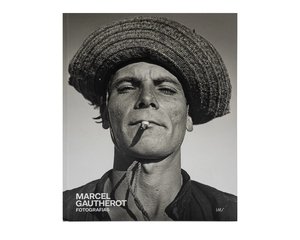
marcel gautherot
1910 - 1996 , France
Quick Facts
- Artistic Movement Or Style: Modernist photography
- Date Of Birth: 1910
- Date Of Death: 1996
- Full Name: Marcel Gautherot
- Nationality: French
- Notable Artworks:
- Capoeira game
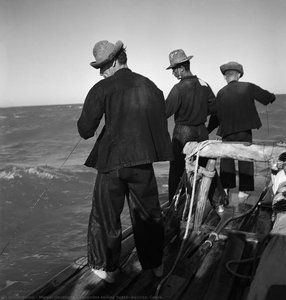
- Fishermen at Ilha Mexiana
- Portrait of a boy
- Place Of Birth: Chantilly, France
Related Articles

Monochrome Visions: Exploring the Aesthetic & Historical Significance of Black & White Photography
Explore the rich history & artistic power of black and white photography. From early techniques to iconic masters like Ansel Adams, discover why monochrome continues to captivate art lovers today. Expert insights for collectors.

Beyond the Lens: Photography's Enduring Influence on Modern & Contemporary Art
Explore photography's pivotal role in shaping modern & contemporary art. Discover key movements, influential artists like Stieglitz, and expert collecting advice from ArtsDot.

Dark Masterpieces: 10 Iconic Paintings Dominated by Black Tones |
Explore 10 iconic paintings dominated by black tones, from Rembrandt’s chiaroscuro to Goya's dark expressions. Discover the stories behind these masterpieces & find museum-quality art reproductions for your home at .

Pictorialism: A Search for Artistic Photography's Soul – Aesthetics, Techniques & Legacy
Explore the captivating world of Pictorialism – a pivotal movement that transformed photography into fine art. Discover key artists like Stieglitz & Käsebier, techniques, and collecting tips from experts.

Witnessing History Through Lens & Light: Documentary Photography's Enduring Legacy
Explore the powerful history of documentary photography – from its origins to contemporary masters like Gordon Parks & W. Eugene Smith. Discover how this art form shapes our understanding of society and witness pivotal moments in time.