 Preview
 Send
Send Share
Share
 Details

 Download
 Similars
 X-Ray
X-Ray Diaporama
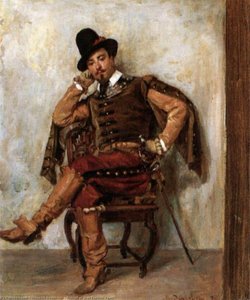
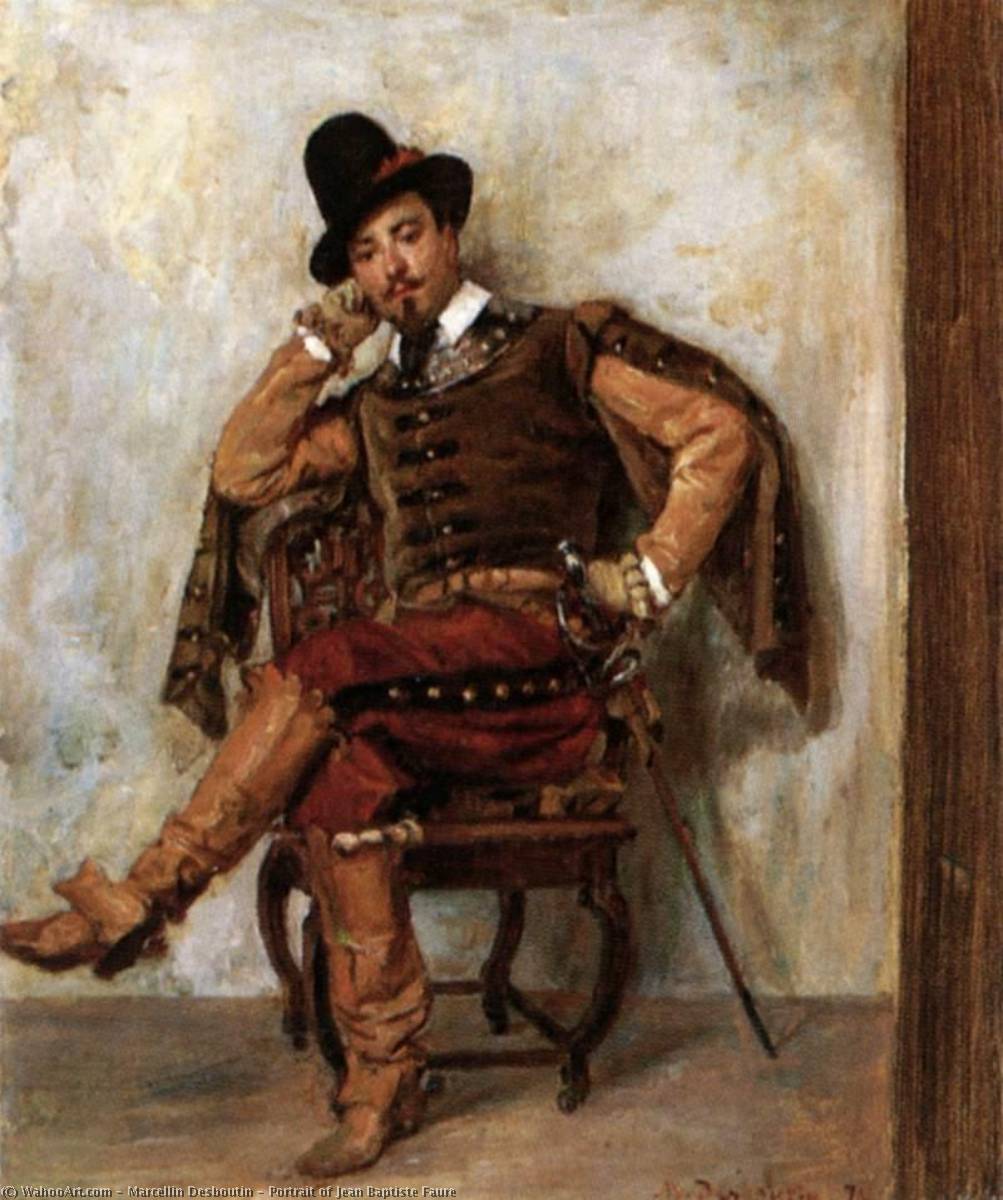
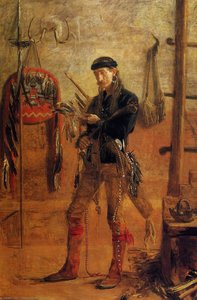
Portrait of Jean Baptiste Faure
 1874
1874 41.0 x 33.0 cm
 Read More
Giclée / Art Print
Museum-quality giclée or canvas print with fast production and flexible finish options. ( Buy Hand Made Painting Buy Image)




































Pick from our preset sizes that match the artwork's original proportions.

You may enter your own dimensions to fit a specific frame or space. If your selected size does not match the original image's proportions, we will either crop the artwork or extend the image with a mirrored or solid-fill edge. A digital mockup will be sent for your approval before production begins.
Please note that the on-screen preview does not reflect the actual cropping or extension. Only the mockup will accurately show the final composition.
While custom sizes are available, we recommend selecting a dimension from the predefined list to preserve the original proportions.
Worldwide Delivery () in 2 weeks instead of standard 4/5 weeks. (28 August)

Free Worldwide Express Shipping

High-Quality Linen Canvas

Full Shipping Insurance

Customs Tax Refund Guarantee

True Color Matching Guarantee

60-Day Return Policy (Defects Only)

100% Money-Back Guarantee

Bulk Discount Offer
 Glass option is only available in size under 110 CM

Portrait of Jean Baptiste Faure
Giclée / Art Print
Reproduction Size
-


Total Price
$ 63
Related Artworks








Artist Biography
The Aristocratic Soul of Parisian Impressionism
Marcellin Gilbert Desboutin, an artist who often graced his creations with the noble signature Baron de Rochefort, occupied a unique and sophisticated position within the late 19th-century French art scene. Born in 1823 in Cérilly, Allier, his very lineage whispered of grandeur; his father, Barthélémy Desboutin, had served as a bodyguard to King Louis XVIII. This aristocratic heritage bestowed upon him a refined sensibility that would later infuse his work with a certain poised elegance, even when capturing the gritty, modern pulse of Parisian life. Before he ever picked up a brush to master the nuances of light, Desboutin’s intellectual journey led him through the rigorous study of law and the creative realms of dramatic writing, demonstrating an early versatility that would define his multifaceted career as a painter, printmaker, and man of letters.
His true artistic awakening occurred within the hallowed halls of the École nationale supérieure des beaux-arts in Paris. Under the guidance of the sculptor Louis-Jules Étex and the esteemed painter Thomas Couture, Desboutin began to bridge the gap between classical academic rigor and a burgeoning fascination with the ephemeral. His education provided him with a formidable technical foundation, yet his spirit was restless, seeking the vibrant textures of the wider world. Through extensive travels across Britain, Belgium, the Netherlands, and Italy, he absorbed a diverse palette of cultural influences, allowing his vision to expand far beyond the borders of France.
A Convergence of Masters and Modernity
Desboutin’s presence in the Parisian art world was marked by deep, intellectual connections with the giants of his era. He was not merely an observer of the Impressionist movement but a participant in its very heartbeat. At the legendary Café Guerbois, he found himself amidst a circle of luminaries including Edgar Degas and Auguste Renoir, where the exchange of ideas helped shape the trajectory of modern art. His life was woven into the fabric of the era's most significant cultural dialogues, engaging with literary titans such as Émile Zola and the Goncourt brothers, which undoubtedly enriched the narrative depth of his visual storytelling.
One of the most poignant testaments to his standing in the art community is found in the works of his contemporaries. Édouard Manet, a master of modern realism, immortalized Desboutin in his 1875 portrait, The Artist (Portrait of Gilbert Marcellin Desbullin). In this work, Manet captures more than just a likeness; he portrays the psychological depth and the quiet dignity of a man who stood at the crossroads of tradition and innovation. This relationship highlights how Desboutin served as both a subject and a peer to those redefining the boundaries of what art could represent.
Legacy of Line and Light
The artistic output of Marcellin Desboutin was characterized by an extraordinary breadth of medium and subject matter. While many remember him for his paintings that captured the fleeting light of the Impressionist era, he was equally a master of the more intimate, graphic world of printmaking. His skill in drypoint prints allowed him to explore texture and shadow with a precision that complemented his painterly explorations of color. Whether he was depicting the bustling streets of Paris or the quiet introspection of a portrait, his work maintained a consistent thread of observational honesty.
Despite the historical upheavals of his time—including the profound disruptions caused by the Franco-Prussian War—Desboutin remained a steadfast figure in the evolution of French art. His ability to navigate the transition from the structured techniques of the Academy to the spontaneous energy of Impressionism marks him as a vital link in the chain of art history. Today, his legacy survives not only in the museums that house his canvases but in the very spirit of versatility and intellectual curiosity that he brought to every stroke of his brush and every line of his prints.
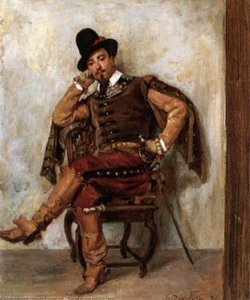
marcellin desboutin
1823 - 1902
Quick Facts
- Artistic Movement Or Style: Impressionism
- Artists Or Movements Influenced By This Artist: ['Edgar Degas']
- Artists Who Influenced This Artist:
- Thomas Couture
- Louis-Jules Étex
- Date Of Birth: August 26, 1823
- Date Of Death: 1902
- Full Name: Marcellin Gilbert Desboutin
- Nationality: French
- Notable Artworks:
- Street Singer
- The Cellist
- Surprise
- Rendezvous
- Confidence
- The Lover Crowned and Abandoned
- Place Of Birth: Cérilly, Allier