 Preview
 Send
Send Share
Share
 Details

 Download
 Similars
 X-Ray
X-Ray Diaporama
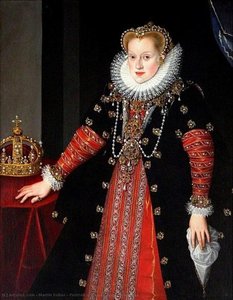
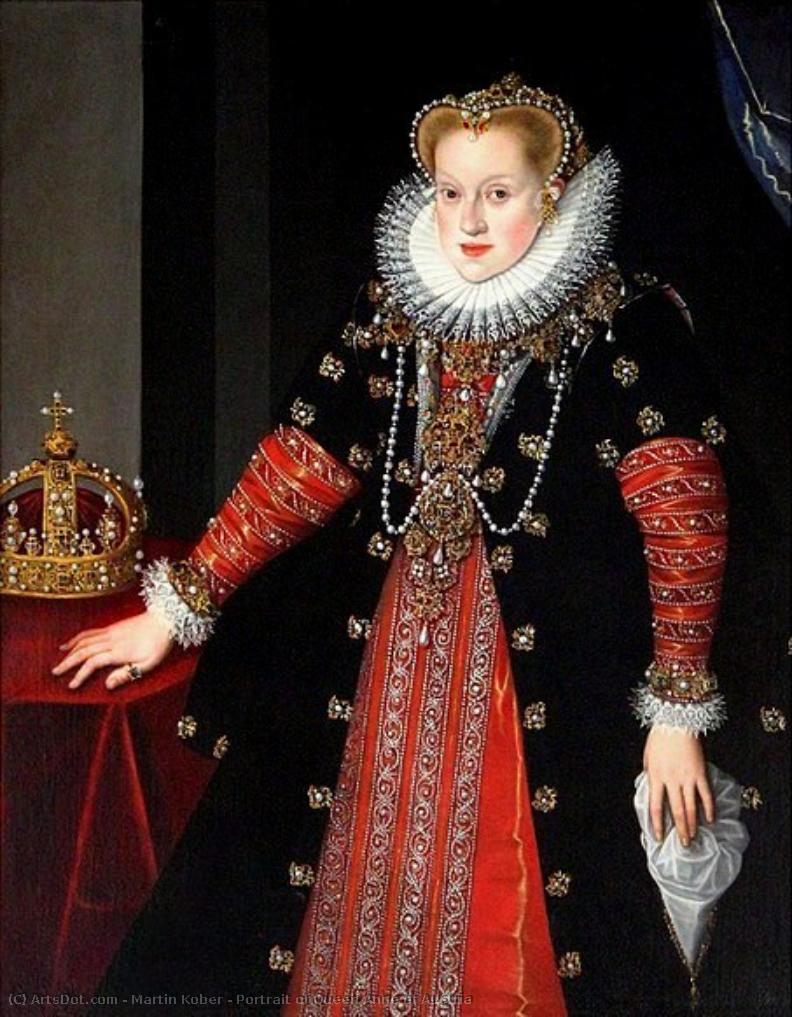
Portrait of Queen Anne of Austria


 Read More
Giclée / Art Print
Museum-quality giclée or canvas print with fast production and flexible finish options. ( Buy Hand Made Painting Buy Image)




P118B $10

P118H $10

P118W $10

P438Z $10

P508JH $12

P508YH $12

P805H $10

P805Z $10

P919BZ $10

P919G $10

P919XJ $10

P959ZH $10

P968JZ $12

W106C $8

W218G $10

W218JH $8

W218Y $10

W307PJ $10

W316G $10

W316PJ $8

W316Y $10

W398PJ $8

W4111J $10

W500HY $15

W500JH $15

W692G $12

W849H $8

W940BG $15

W953PJ $8




Pick from our preset sizes that match the artwork's original proportions.

You may enter your own dimensions to fit a specific frame or space. If your selected size does not match the original image's proportions, we will either crop the artwork or extend the image with a mirrored or solid-fill edge. A digital mockup will be sent for your approval before production begins.
Please note that the on-screen preview does not reflect the actual cropping or extension. Only the mockup will accurately show the final composition.
While custom sizes are available, we recommend selecting a dimension from the predefined list to preserve the original proportions.
Worldwide Delivery () in 2 weeks instead of standard 4/5 weeks. (26 August)

Free Worldwide Express Shipping

High-Quality Linen Canvas

Full Shipping Insurance

Customs Tax Refund Guarantee

True Color Matching Guarantee

60-Day Return Policy (Defects Only)

100% Money-Back Guarantee

Bulk Discount Offer
 Glass option is only available in size under 110 CM

Portrait of Queen Anne of Austria
Giclée / Art Print
Reproduction Size
-


Total Price
$ 63
Collectible Description
The Majesty of a Sovereign: Unveiling Marcin Kober’s Portrait of Queen Anne of Austria
Marcin Kober's “Portrait of Queen Anne of Austria” is more than just a painting; it’s a meticulously crafted window into the heart of 16th-century European courtly life. Completed around 1595, this remarkable work transcends mere portraiture, offering a profound glimpse into the power, grace, and carefully constructed image of Queen Anne – a woman who navigated the turbulent political landscape of Poland and Austria with both strength and diplomacy.
Kober’s skill lies not just in his technical mastery but also in his ability to capture the essence of his subject. He was a pioneer in Polish royal iconography, establishing a new standard for depicting monarchs and nobility – a style heavily influenced by the artistic currents flowing from Prague, where he initially trained. The painting embodies the late Renaissance’s fascination with realism blended with an opulent decorative sensibility, reminiscent of the Habsburg court’s refined aesthetic.
A Study in Regal Detail: Composition and Technique
The composition is a testament to Kober's understanding of classical principles. Queen Anne occupies the central space, rendered in a three-quarter pose that invites intimate engagement. Her body is subtly angled towards the viewer, creating a dynamic sense of connection while maintaining an air of dignified composure. The careful arrangement of elements – the crown resting on its cushion, the white cloth held delicately in her hand – speaks to her status and carefully cultivated image.
- Color Palette: Dominated by deep reds, blacks, and golds, the palette is rich and luxurious, reflecting the Queen’s wealth and power. The subtle use of lighter tones on her skin and the cloth adds depth and highlights key features.
- Brushwork: Kober's brushstrokes are remarkably controlled and precise, particularly evident in the rendering of the intricate fabrics – velvet, silk, and brocade – that adorn Queen Anne’s garments. The artist demonstrates a masterful understanding of texture, creating a convincing illusion of tactile richness.
- Lighting: The lighting is strategically focused on the Queen's face and upper body, casting dramatic highlights that accentuate her features and the details of her attire. The dark background serves to further emphasize her presence and create a sense of depth.
Symbolism Woven into the Canvas
Beyond its aesthetic beauty, the portrait is laden with symbolism. The crown, prominently displayed, unequivocally signifies Queen Anne’s royal status – a potent reminder of her lineage and authority. The white cloth she holds represents purity and virtue, qualities highly valued in a queen. Even the pose itself carries weight; her upright posture and composed expression convey dignity, strength, and unwavering resolve.
Furthermore, the painting reflects the political realities of its time. Queen Anne was a pivotal figure in Polish history, serving as regent for her young son, Sigismund III Vasa, during a period of significant instability. The portrait, therefore, is not merely a likeness but also a carefully constructed representation of power and stability – a visual declaration of her role as a guardian of the realm.
A Legacy of Royal Portraiture
Marcin Kober’s “Portrait of Queen Anne of Austria” stands as a landmark achievement in Polish art. It established a new standard for royal portraiture, influencing generations of artists and shaping the visual representation of monarchs within the Commonwealth of Poland-Lithuania. The painting's enduring appeal lies not only in its technical brilliance but also in its ability to transport us back to a time of courtly intrigue, political maneuvering, and the unwavering power of a queen.
Related Artworks

Artist Biography
The Architect of Royal Identity: The Life and Legacy of Marcin Kober
In the grand, sweeping tapestry of Central European history, few artists have played as vital a role in weaving the visual identity of monarchs as Marcin Kober. Born around 1550 in the vibrant city of Wrocław, Poland, Kober was far more than a mere chronicler of faces; he was a pioneer who transformed the way power was perceived and recorded. His journey began not in the courts of kings, but through the rigorous discipline of the guild system. As a young journeyman, he traveled through Germany, absorbing the diverse techniques and stylistic nuances of various workshops. This period of wandering was essential, providing him with a cosmopolitan artistic vocabulary that would later allow him to bridge the gap between the local traditions of the Polish-Lithuanian Commonwealth and the sophisticated, Spanish-influenced aesthetics of the Habsburg courts.
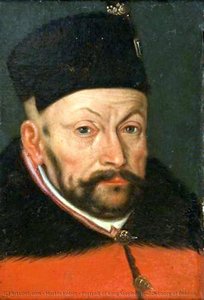
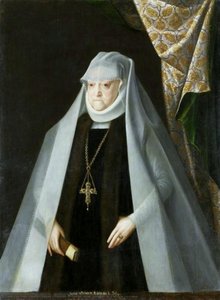
The true metamorphosis of Kober’s career occurred when his path intersected with the highest echelons of European royalty. By 1583, he had arrived in the Polish-Lithuanian Commonwealth, quickly ascending to the position of court painter for King Stephen Báthory and Queen Anna Jagiellon. It was during this era that Kober began to develop what would become known as the "Báthory School." His work during this period was characterized by a profound sense of Renaissance realism, where the physical likeness of the subject was married to a symbolic grandeur. He did not simply paint skin and fabric; he painted authority, legitimacy, and the divine right of kings. His ability to capture the commanding presence of Báthory established a visual language for Polish royalty that would endure for well over a century.
A Master of Courtly Elegance and Symbolism
Kober’s artistic evolution was deeply shaped by his time in Prague, a city that served as a melting pot of international styles under the reign of Emperor Rudolf II. In the vibrant atmosphere of the Imperial court, Kober encountered the subtle, decorative elegance of Spanish portraiture, which favored a meticulous attention to detail and a refined use of color. This influence is palpable in his later works, where the heavy, regal textures of velvet and lace are rendered with such precision that they seem almost tactile. His portraits became masterclasses in psychological depth; he possessed a rare ability to present a sovereign as both an untouchable icon of state and a human being possessing quiet strength and introspective grace.
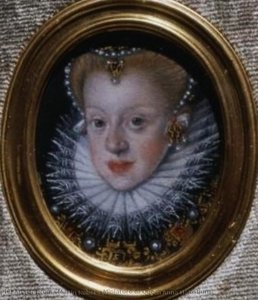
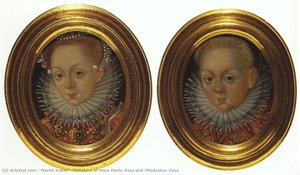
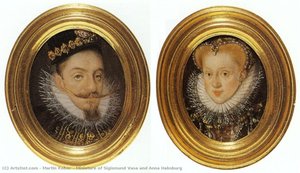
The breadth of his technical mastery is perhaps best seen in the diversity of his formats. While his large-scale royal portraits commanded the halls of palaces, Kober also excelled in the intimate medium of miniatures. His Miniature of Queen Anna Habsburg serves as a breathtaking example of how he could condense an entire aura of majesty into a small, oval frame. In these smaller works, every brushstroke carries weight, using light and shadow to create a sense of three-dimensional life that transcends the physical limitations of the medium. His work was never merely decorative; it was a carefully constructed instrument of diplomacy and propaganda, designed to project an image of stability and continuity during turbulent political eras.
Historical Significance and the Polish Portrait Tradition
The historical importance of Marcin Kober cannot be overstated. Before his emergence, portraiture in Poland had not yet established itself as a dominant or specialized branch of fine art. Kober changed this trajectory forever, acting as the precursor to the Polish Sarmatian portrait genre. By integrating the sophisticated humanist ideals of the Renaissance with the specific cultural identity of the Polish nobility, he provided the foundation upon which future generations of Polish artists would build. His influence can be traced through the decades, as the iconography he established for the Vasa dynasty became the standard for how the Commonwealth viewed its own leadership.
Even as his career took him across borders—from the workshops of Germany to the Imperial splendor of Prague and back to the royal centers of Kraków and Warsaw—his core mission remained the same: the documentation of a changing world through the lens of royal dignity. Today, his works reside in prestigious museums across Europe, serving as silent witnesses to the grandeur of a bygone era. To study Kober is to study the very birth of a national artistic identity, making him one of the most significant figures in the history of Central European portraiture.
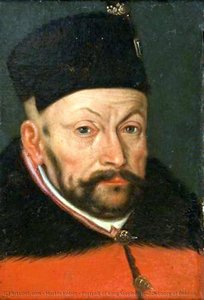
marcin kober
Poland
Quick Facts
- Artistic Movement Or Style: Renaissance
- Artists Or Movements Influenced By This Artist: ['Polish Sarmatian Portrait']
- Artists Who Influenced This Artist: ['Spanish Portraiture']
- Date Of Birth: ca. 1550
- Date Of Death: before 1598
- Full Name: Marcin Kober
- Nationality: Polish
- Notable Artworks:
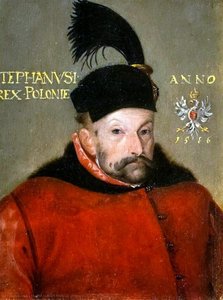
- Portrait of Stephen Báthory
- Portrait of Queen Anne of Austria
- Portrait of King Stephen Bathory
- Place Of Birth: Wrocław, Poland
Related Articles

Baroque Drama: Bringing Opulence & Emotion into Contemporary Interiors
Explore the opulent world of Baroque interior design! Discover key elements, modern applications & how to bring dramatic elegance into your home with 's authentic reproductions.

The Dramatic Flourish: Exploring the Baroque Movement's Enduring Legacy in Art History
Explore the dramatic world of Baroque art! Discover iconic artists like Caravaggio & Rubens, defining techniques, and its lasting impact on art history. Expert insights for collectors & enthusiasts at ArtsDot.

Baroque Masterpieces: 10 Paintings That Defined an Era |
Journey through the drama & grandeur of Baroque art! Explore 10 masterpieces by Caravaggio, Rembrandt, Rubens & more. Discover stunning oil paintings, rich colors & timeless stories. Find museum-quality reproductions at .

The Visceral Stage: Exploring Dramatic Narratives & Emotional Intensity in Baroque Art
Explore the dramatic world of Baroque art! Discover iconic masters like Caravaggio & Rembrandt, their techniques, and the movement's lasting impact. Expert insights for collectors & enthusiasts at ArtsDot.
Theatricality & Triumph: Baroque Drama in Painting & Sculpture
Explore the dramatic world of Baroque art! Discover its history, defining characteristics, & lasting influence on painting & sculpture. Expert insights into Caravaggio, Zurbarán, and Bernini – plus high-quality reproductions at ArtsDot.