 Preview
 Send
Send Share
Share
 Details

 Download
 Similars
 X-Ray
X-Ray Diaporama
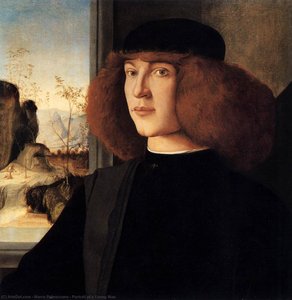
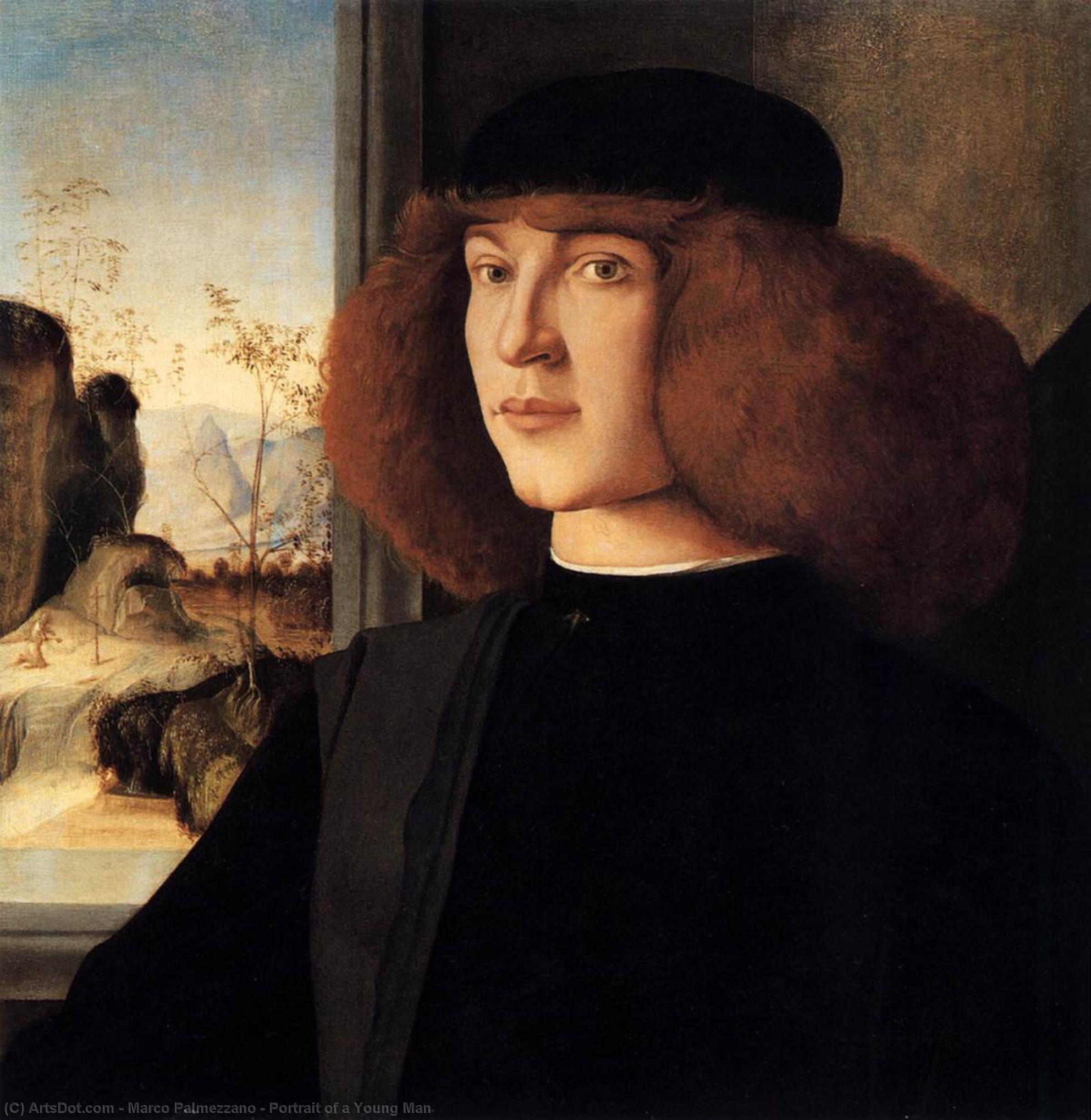
Portrait of a Young Man


 Read More
Hand Made Oil Reproduction
Hand-painted oil on canvas in your size and frame, made to order by our artists. ( Buy Print Buy Image)




P118B $10

P118H $10

P118W $10

P438Z $10

P508JH $12

P508YH $12

P805H $10

P805Z $10

P919BZ $10

P919G $10

P919XJ $10

P959ZH $10

P968JZ $12

W106C $8

W218G $10

W218JH $8

W218Y $10

W307PJ $10

W316G $10

W316PJ $8

W316Y $10

W398PJ $8

W4111J $10

W500HY $15

W500JH $15

W692G $12

W849H $8

W940BG $15

W953PJ $8




Pick from our preset sizes that match the artwork's original proportions.

You may enter your own dimensions to fit a specific frame or space. If your selected size does not match the original image's proportions, we will either crop the artwork or extend the painting with additional hand-painted elements. A digital mockup will be sent for your approval before production begins.
Please note that the on-screen preview does not reflect the actual cropping or extension. Only the mockup will accurately show the final composition.
While custom sizes are available, we recommend selecting a dimension from the predefined list to preserve the original proportions.
After order, ArtsDot.com team will email client for instructions and provide a mockup preview
Worldwide Delivery () in 3/4 weeks instead of standard 5 weeks. (16 August). No compromise on quality.

Free Worldwide Express Shipping

High-Quality Linen Canvas

Full Shipping Insurance

Customs Tax Refund Guarantee

True Color Matching Guarantee

60-Day Return Policy (Defects Only)

100% Money-Back Guarantee

Bulk Discount Offer
 Glass option is only available in size under 110 CM

Portrait of a Young Man
Reproduction Medium
Reproduction Size
-


Total Price
$ 263
Artwork Description
A Study in Quiet Dignity: Exploring Marco Palmezzano’s Portrait of a Young Man
This captivating portrait, executed around 1490 by Marco Palmezzano, stands as a testament to the burgeoning humanist spirit of the Early Renaissance and exemplifies the meticulous realism championed by Venetian artists during that period. Unlike the grand narratives favored by some contemporaries – notably Jan van Eyck and Rogier van der Weyden – Palmezzano’s work focuses on capturing the subtle nuances of human emotion and presence within a deceptively simple composition. The painting's enduring appeal lies in its ability to convey profound psychological depth through masterful observation and skillful technique.The Artist and His Context
Marco Palmezzano (1460-1539), born in Forli, Italy, emerged as a significant figure within the Venetian artistic milieu—a city renowned for its patronage of the arts and its embrace of innovative stylistic approaches. Trained primarily under Andrea Mantegna, Palmezzano absorbed the influence of classical ideals while simultaneously developing his own distinctive visual language characterized by luminous color palettes and precise anatomical detail. His career flourished amidst the vibrant commercial activity of Bruges, where he established himself as a respected portraitist and altar painter, catering to wealthy aristocratic clients eager for depictions that reflected their status and piety.Detailed Examination: Composition and Technique
The painting depicts a young man with striking red hair, dressed in a dark robe adorned with a black hat—a pose typical of portraits commissioned during this era. Palmezzano’s meticulous attention to detail is evident in the rendering of facial features, particularly the expressive gaze directed towards the viewer. The subtle shading and modeling techniques employed demonstrate an understanding of chiaroscuro – the dramatic interplay between light and shadow – which enhances the portrait's sense of realism and psychological complexity. Two trees flanking the figure provide a tranquil backdrop, subtly suggesting a connection to nature—a recurring motif in Renaissance art symbolizing vitality and spiritual contemplation.Symbolism and Emotional Resonance
Beyond its technical prowess, “Portrait of a Young Man” resonates with symbolic significance. The youthful subject embodies ideals of beauty and virtue – qualities highly valued during the Renaissance. The man’s gaze invites introspection, prompting viewers to contemplate themes of identity, honor, and inner life. Palmezzano's masterful use of color contributes to the painting’s emotional impact, creating a harmonious balance between coolness and warmth that conveys serenity and dignity.Provenance and Legacy
Originally attributed to Marco Basaiti, scholarly research has affirmed Palmezzano’s authorship—a decision supported by stylistic analysis and comparative studies with other works by the artist. Currently housed in the Akademie der bildenden Künste (Vienna), this painting exemplifies Palmezzano's contribution to the artistic landscape of his time and serves as a poignant reminder of the power of art to capture the essence of human experience. Its enduring beauty continues to inspire admiration and scholarly debate, cementing Palmezzano’s place among the foremost portraitists of the Early Renaissance.Related Artworks
Artist Biography
Gerard David: A Master of Early Netherlandish Portraiture
Gerard David, born around 1460 in Oudewater, Netherlands, and tragically dying in Bruges circa 1523, stands as a pivotal figure in the burgeoning world of early Netherlandish painting. While often overshadowed by his more flamboyant contemporaries like Jan van Eyck and Rogier van der Weyden, David’s meticulous realism, profound psychological insight, and innovative use of color quietly established him as one of the most significant artists of his era. His career unfolded primarily within the vibrant commercial hub of Bruges, a city renowned for its thriving art trade and cosmopolitan atmosphere – a setting that profoundly shaped his artistic vision. David's legacy isn’t defined by grand, sweeping narratives but rather by an extraordinary ability to capture the essence of human experience within remarkably detailed and subtly expressive portraits and altarpieces.Early Life and Artistic Training
Information regarding David’s formative years remains somewhat elusive, shrouded in the typical gaps of historical records for artists of his time. However, it is generally accepted that he spent his early adulthood in Bruges, quickly establishing himself as a respected member of the city's painter’s guild by 1494. Crucially, David was apprenticed to the renowned master, Antonello da Messina, who had recently arrived in Bruges and brought with him a distinctly Venetian influence – a vibrant palette and a looser, more expressive approach to form. This exposure proved transformative, injecting a dynamism into David’s work that distinguished it from the prevailing stylistic conventions of the time. He also benefited greatly from the tutelage of Hugo van der Goes, whose powerful emotionalism and dramatic compositions undoubtedly left an indelible mark on David's artistic development. The influence of Jan van Eyck is also evident in his meticulous attention to detail and mastery of oil paint, though David ultimately developed a more restrained and psychologically nuanced style.Key Works and Artistic Style
David’s oeuvre is characterized by an extraordinary level of realism, achieved through painstaking observation and an unparalleled understanding of human anatomy and expression. Unlike the often idealized representations favored by some of his contemporaries, David depicted his subjects with a remarkable honesty, capturing their individual personalities and emotional states with subtle grace. His portraits are particularly noteworthy for their psychological depth; he doesn’t merely record likenesses but rather attempts to convey the inner lives of his sitters. The *Portrait of the Duke of Urbino* (circa 1465-1466) exemplifies this approach, revealing a complex interplay of power and vulnerability within the subject's gaze. Beyond portraits, David excelled in altarpieces, notably the *Polyptych of the Misericordia* (1460-1462), which showcases his mastery of perspective, color, and narrative composition. The detail is astonishing – from the folds of clothing to the expressions on the faces of the figures—and the emotional impact is profound. His most famous work, *The Judgment of Cambyses* (c. 1485-1490), a pair of terrifyingly realistic depictions of the gruesome execution of Sisamnes, demonstrates his willingness to confront difficult themes and explore the darker aspects of human nature. The scene’s visceral impact is heightened by David's masterful use of color and light, creating a dramatic and unsettling atmosphere.Influence and Legacy
David’s influence on subsequent generations of artists was considerable, though often indirect. His meticulous realism and psychological insight served as a model for many portraitists who followed him, while his innovative use of color helped to pave the way for later developments in Renaissance painting. He is considered one of the key figures in establishing Bruges as a major center of artistic production during the early 16th century. Despite being somewhat overlooked during his lifetime and for centuries afterward, David’s work has been increasingly recognized for its profound beauty and artistic merit. Today, his paintings are treasured possessions of museums around the world, offering viewers a rare glimpse into the mind and soul of a truly exceptional artist. His legacy lies not just in the technical brilliance of his art but also in his ability to capture the complexities of human experience with remarkable sensitivity and skill.Historical Context and Significance
David’s artistic career unfolded during a period of significant social, economic, and cultural change in Europe. The rise of the merchant class in cities like Bruges created a demand for portraits and other works of art that reflected their wealth and status. At the same time, the rediscovery of classical antiquity spurred a renewed interest in humanism and realism in art. David’s work reflects both these trends – his portraits are often commissioned by wealthy patrons, while his meticulous attention to detail and psychological insight demonstrate a deep understanding of human nature. His paintings provide valuable insights into the social and cultural life of Bruges during the late 15th and early 16th centuries. Furthermore, David’s career coincided with a period of intense artistic rivalry between Flemish and Italian painters, and his success helped to establish the reputation of the Flemish school as one of the leading artistic forces in Europe.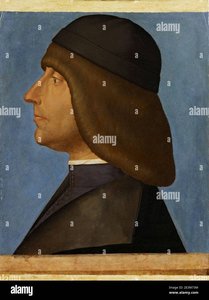
marco palmezzano
1460 - 1539 , Italy
Quick Facts
- Artistic Movement Or Style: Early Renaissance
- Artists Or Movements Influenced By This Artist: ['Correggio']
- Artists Who Influenced This Artist:
- Leonardo da Vinci
- Antonello da Messina
- Date Of Birth: c. 1460
- Date Of Death: c. 1524
- Full Name: Andrea Solari
- Nationality: Italian
- Notable Artworks:
- Madonna with Green Cushion
- Ecce Homo (Poldi-Pezzoli)
- Place Of Birth: Milan, Lombardy
Related Articles

Crimson Threads of Narrative: Exploring Symbolism & Representation in Artworks Featuring the Red Dress
Explore the rich symbolism of the red dress in art history! From ancient power displays to iconic portraits like Cézanne’s 'Madame Cezanne', discover the cultural and artistic significance behind this captivating color. Expert analysis & insights.
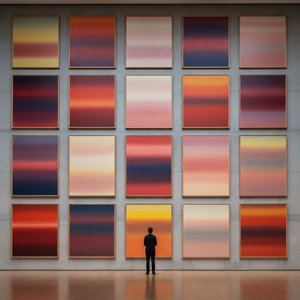
Mark Rothko's Masterpieces: 25 Paintings That Define Abstract Expressionism | ArtsDot
Explore 25 iconic Mark Rothko paintings that define Abstract Expressionism. Discover the stories, colors & emotions behind these masterpieces. Find museum-quality art reproductions and curated decor ideas at ArtsDot.com.
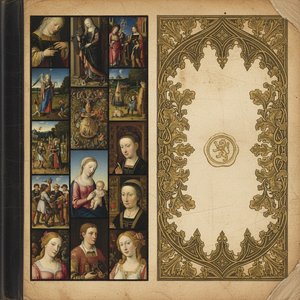
Early Netherlandish Masters: 10 Paintings That Revolutionized Art & Decor
Journey into the world of Early Netherlandish painting! Explore 10 masterpieces by Jan van Eyck, Rogier van der Weyden & more. Discover stunning detail, symbolism & Renaissance art for your home decor. Find museum-quality reproductions on ArtsDot.com
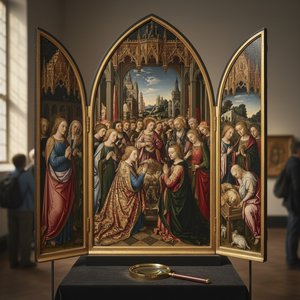
Illuminating Realism: A Comprehensive Exploration of the Early Netherlandish Renaissance Movement
Explore the captivating world of Early Netherlandish painting! Discover Jan van Eyck & other Flemish masters, their revolutionary techniques, hidden symbolism, and lasting legacy. A comprehensive guide for art enthusiasts.
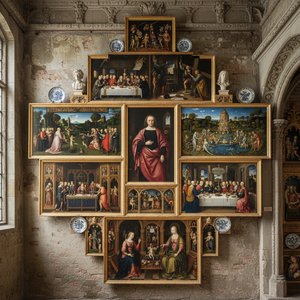
Early Netherlandish Masters: 10 Paintings That Revolutionized Art & Decor
Journey into the Early Netherlandish Renaissance! Explore 10 iconic paintings by Jan van Eyck, Rogier van der Weyden & more. Discover stunning detail, symbolism, and oil painting techniques. Find museum-quality art reproductions for your home at ArtsDot.com.