

 Preview
 Send
Send Share
Share
 Details

 Download
 Similars
 X-Ray
X-Ray Diaporama
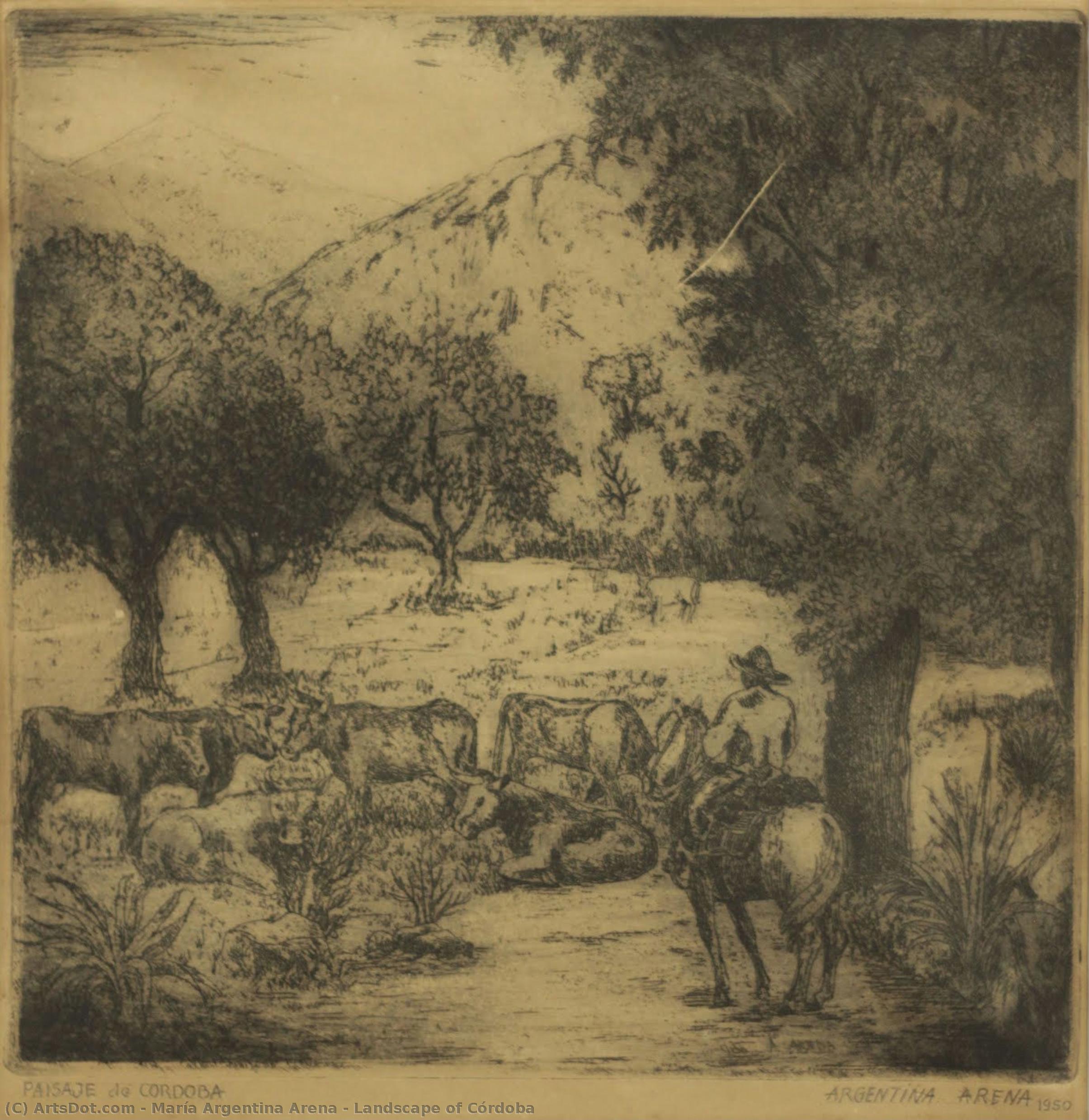
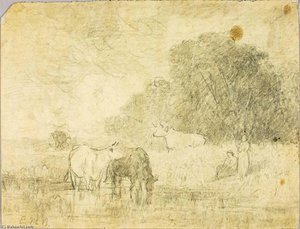
Landscape of Córdoba
 Contemporary Realism
 1950
1950- Modern
 31.0 x 32.0 cm
 Municipal Museum of Art of La Plata
 Read More
Purchase a high-resolution, enhanced digital image, far superior to the online preview.
Each file is meticulously prepared by our in-house specialists using advanced tools and expert manual retouching. We ensure every image has exceptional clarity, precise color accuracy, and fine detail.
The final file is delivered via email within 72 hours, optimized for immediate use in professional, editorial, and print environments. This is the same quality trusted by top-tier design studios, publishers, and galleries.
Digital Image
Download a high-resolution file for personal display, printing, and creative projects. ( Buy Print Buy Hand Made Painting)
Included in Every Digital Image Order
Expert Digital Delivery, Guaranteed
When you choose ArtsDot.com, you're not just getting an image - you're receiving a professionally enhanced digital artwork, crafted with precision and backed by a satisfaction guarantee. Here's everything that comes with your order, automatically:

Fast Email Delivery
Your high-resolution digital image file will be emailed to you within 72 hours of ordering - ready for immediate use.

AI-Enhanced Digital File
Your artwork is professionally optimized using advanced AI tools and manual editing, ensuring maximum detail, clarity, and color accuracy.

Free Lifetime Re-Delivery
Accidentally deleted or lost your file? No worries - we'll resend it to you anytime, free of charge.

No Import Fees - Ever
Enjoy your artwork instantly with zero customs, duties, or delivery fees - digital downloads are always tax-free.

Color Accuracy Guarantee
We ensure your digital image reflects the original colors as closely as possible using professional tools and color management.

60-Day Satisfaction Guarantee
If you're not satisfied with your digital image, we'll revise it or refund 100% within 60 days - no questions asked.

100% Money-Back Guarantee
Not satisfied? Get a full refund within 60 days of receiving your digital file - no questions asked.

Bulk Order Discounts
Buy 3 images, save 10% - Buy 5, save 15% - Buy 10+, save 20%. Great for creative projects, galleries, and agencies.
A Pastoral Symphony in Monochrome
In the quietude of Landscape of Córdoba, we are transported to a moment suspended in time, where the rugged beauty of the Argentine countryside meets the profound simplicity of rural existence. This evocative piece, created by the contemporary artist maría argentina arena, captures a scene of timeless labor and companionship. Through a masterful use of monochrome tones, the painting strips away the distractions of color to reveal the raw, structural essence of the landscape. A lone figure on horseback guides a wandering herd of cattle, their forms emerging from the shadows like ghosts of a bygone era. The presence of a faithful dog near the center of the composition adds a layer of warmth and domesticity to the vastness, suggesting a symbiotic relationship between man, beast, and the earth itself.)
The technique employed in this work speaks to a deep reverence for classical etching and engraving traditions. While the artist draws inspiration from the structural brilliance of Cézanne and the dramatic light-and-shadow play of Rembrandt, there is a distinct modernity in how she captures movement. The brushwork—or rather, the tonal transitions—creates a sense of atmospheric depth, where the cattle in the foreground possess a tangible weight, while those receding into the distance dissolve into a soft, misty horizon. This careful manipulation of value guides the viewer's eye on a journey through the plains, making the 31 x 32 cm canvas feel much larger and more immersive than its physical dimensions suggest.
Symbolism and the Soul of the Pampas
Beyond the mere depiction of ranch life, Landscape of Córdoba serves as a poignant meditation on the concept of stewardship. The man on horseback is not merely a traveler; he is a guardian. His posture and the steady movement of the herd symbolize the rhythmic, cyclical nature of life in the provinces—a cycle of care, endurance, and connection to the land. The choice of a black and white palette enhances this symbolic weight, stripping the scene of seasonal fleetingness and rendering it as an eternal, archetypal memory. It evokes a sense of nostalgia for a way of life that remains deeply rooted in the Argentine identity, yet feels increasingly precious in our fast-paced, digital age.
For the discerning collector or interior designer, this artwork offers a sophisticated anchor for any space. Its monochromatic elegance allows it to integrate seamlessly into diverse decor styles, from minimalist modern galleries to more traditional, rustic studies. The piece does not demand attention through loud colors, but rather commands respect through its quiet intensity and emotional depth. It is an ideal selection for those looking to introduce a sense of calm, historical gravity, and narrative richness into a room, providing a window into a world where the bond between human and animal remains unbroken by the passage of time.
Related Artworks

Artist Biography
Francis Bacon: A Chronicle of Anguish and the Human Condition
Francis Bacon, born in Dublin in 1909, wasn’t merely a painter; he was a chronicler of the anxieties lurking beneath the surface of modern existence. His work, spanning nearly eight decades until his death in 1992, is instantly recognizable for its unsettling imagery – distorted figures trapped within claustrophobic spaces, faces contorted in silent screams, and bodies rendered with a brutal honesty that confronts viewers with the raw vulnerability of being human. His life itself was marked by a profound sense of isolation and unease, experiences which undeniably shaped his artistic vision.
Bacon’s early years were characterized by a restless spirit and a fascination with the macabre. He spent his youth drifting through Europe, absorbing influences from various artistic movements – particularly Picasso's exploration of form and expressionism’s emphasis on emotional intensity. He initially pursued a career as an interior decorator and bon vivant in London’s Soho district, a vibrant hub of artists, writers, and performers. This period fostered a network of influential friends, including Lucian Freud, John Deakin, and Henrietta Moraes, figures who would become recurring subjects in his work, often depicted with a frankness that bordered on voyeurism. It was during this time that he began to develop the distinctive style that would define his career – a deliberate rejection of traditional portraiture in favor of capturing psychological states rather than physical appearances.
Bacon’s artistic development wasn't a linear progression; it involved periods of intense productivity followed by long stretches of inactivity. He famously described his process as “seeing images in series,” suggesting that he would become fixated on a particular motif, returning to it repeatedly over years, exploring its variations and nuances. His work evolved through distinct phases: the bio-morphs of the 1930s, characterized by distorted human figures; the male heads isolated in rooms during the 1940s, reflecting a sense of confinement and isolation; the “screaming popes” of the mid-1950s, embodying religious anguish; and finally, the powerful triptychs and diptychs of his later years, often depicting crucifixions or self-portraits. These recurring motifs weren’t simply stylistic choices but rather a means of grappling with fundamental questions about mortality, suffering, and the nature of consciousness.
The Language of Distortion
Bacon's most striking technique was his masterful manipulation of form. He employed a range of media – oil paint, pastel, printmaking – to create images that seemed both intensely immediate and profoundly unsettling. His figures were frequently distorted beyond recognition, their bodies elongated, contorted, and fragmented. This deliberate distortion wasn’t simply an aesthetic choice; it served to amplify the emotional impact of his work, conveying a sense of psychological distress and existential anxiety. He achieved this effect through techniques such as dripping paint directly onto the canvas, allowing for spontaneous and unpredictable marks that contributed to the raw energy of his compositions.
Color played a crucial role in Bacon’s art. He often used jarring combinations of reds, yellows, and blues – colors associated with violence, pain, and death – to heighten the sense of unease. His use of color wasn't descriptive; it was expressive, conveying mood and emotion rather than accurately representing reality. The stark contrast between light and shadow further emphasized the dramatic quality of his paintings, creating a visual tension that mirrored the psychological turmoil he sought to capture.
Themes of Isolation and Mortality
At the heart of Bacon’s work lies a profound exploration of isolation and mortality. His figures are often depicted alone, trapped within confined spaces or isolated from one another. This sense of loneliness reflects his own experiences of alienation and his deep-seated awareness of human vulnerability. The recurring motif of the crucifixion – frequently represented as a distorted and grotesque image – speaks to the themes of suffering, sacrifice, and the inevitability of death. Bacon wasn’t interested in offering comforting illusions; he confronted viewers with the uncomfortable truth about the fragility of life.
Furthermore, Bacon's work is deeply intertwined with his personal tragedies. The suicide of his lover, George Dyer, in 1971, profoundly impacted him and resulted in a series of powerful paintings – most notably *Three Studies for Figures at the Base of a Crucifixion* – that explored themes of grief, guilt, and loss. These works are among the most haunting and emotionally charged images in his oeuvre.
Legacy and Influence
Despite his often bleak and unsettling subject matter, Francis Bacon exerted a tremendous influence on subsequent generations of artists. His willingness to confront difficult emotions and challenge conventional notions of beauty paved the way for a more honest and expressive approach to painting. He is considered a pivotal figure in 20th-century art, bridging the gap between expressionism and abstract expressionism.
His work continues to resonate with audiences today, prompting reflection on the complexities of human experience and the enduring power of art to confront us with uncomfortable truths. Bacon’s legacy lies not only in his distinctive visual style but also in his courageous exploration of the darkest corners of the human psyche – a testament to the artist's ability to capture the essence of anguish and vulnerability in a single, unforgettable image.

maría argentina arena
1992 - , Argentina
Quick Facts
- Artistic Movement Or Style: Figurative art
- Artists Or Movements Influenced By This Artist:
- Basquiat
- Neo-expressionism
- Artists Who Influenced This Artist:
- Picasso
- Velázquez
- Date Of Birth: October 28, 1909
- Date Of Death: April 28, 1992
- Full Name: Francis Bacon
- Nationality: British
- Notable Artworks:
- Three Studies...
- Study for Self-Portrait
- Triptych
- Place Of Birth: Dublin, Ireland

