

 Send
Send Share
Share
 Details

 Download
 Similars
 Diaporama
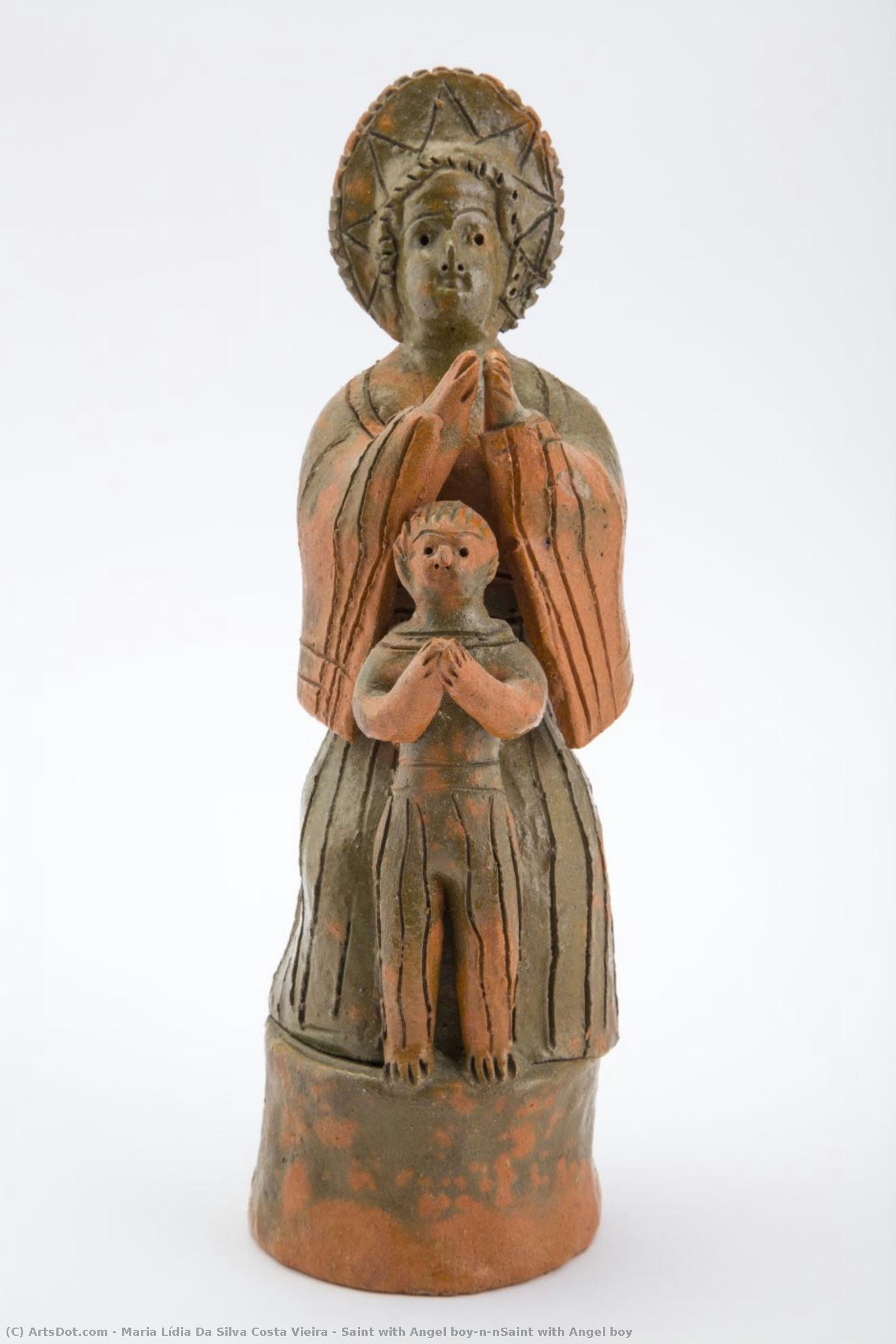
Saint with Angel boy\n\nSaint with Angel boy


 Read More
Purchase a high-resolution, enhanced digital image, far superior to the online preview.
Each file is meticulously prepared by our in-house specialists using advanced tools and expert manual retouching. We ensure every image has exceptional clarity, precise color accuracy, and fine detail.
The final file is delivered via email within 72 hours, optimized for immediate use in professional, editorial, and print environments. This is the same quality trusted by top-tier design studios, publishers, and galleries.
Digital Image
Download a high-resolution file for personal display, printing, and creative projects. ( Buy Print Buy Hand Made Painting)
Included in Every Digital Image Order
Expert Digital Delivery, Guaranteed
When you choose ArtsDot.com, you're not just getting an image - you're receiving a professionally enhanced digital artwork, crafted with precision and backed by a satisfaction guarantee. Here's everything that comes with your order, automatically:

Fast Email Delivery
Your high-resolution digital image file will be emailed to you within 72 hours of ordering - ready for immediate use.

AI-Enhanced Digital File
Your artwork is professionally optimized using advanced AI tools and manual editing, ensuring maximum detail, clarity, and color accuracy.

Free Lifetime Re-Delivery
Accidentally deleted or lost your file? No worries - we'll resend it to you anytime, free of charge.

No Import Fees - Ever
Enjoy your artwork instantly with zero customs, duties, or delivery fees - digital downloads are always tax-free.

Color Accuracy Guarantee
We ensure your digital image reflects the original colors as closely as possible using professional tools and color management.

60-Day Satisfaction Guarantee
If you're not satisfied with your digital image, we'll revise it or refund 100% within 60 days - no questions asked.

100% Money-Back Guarantee
Not satisfied? Get a full refund within 60 days of receiving your digital file - no questions asked.

Bulk Order Discounts
Buy 3 images, save 10% - Buy 5, save 15% - Buy 10+, save 20%. Great for creative projects, galleries, and agencies.
A Sacred Encounter in Clay
In the delicate embrace of "Saint with Angel boy," we encounter a profound moment of spiritual tenderness captured through the earthy medium of clay. This evocative sculpture, attributed to the masterful hands of Lídia Vieira, presents a scene of divine intimacy that transcends time. The work depicts a religious figure, likely a manifestation of the Virgin Mary, cradling a young child with a grace that feels both monumental and deeply personal. Rendered in striking shades of red, the piece possesses a visceral, grounded quality, as if the very essence of the earth has been breathed into life to tell a story of protection, innocence, and eternal devotion.
The composition invites the viewer into a sacred space, where the boundaries between the human and the divine blur. The close-up perspective allows us to witness the subtle textures of the sculpted forms, highlighting the artist's ability to imbue simple ceramic with profound emotional weight. As the eye wanders through the scene, secondary figures emerge in the background, suggesting a larger celestial or communal narrative that surrounds this central act of nurturing. It is a piece that does not merely represent a religious icon but invites a meditative state, pulling the observer into its quiet, rhythmic pulse of devotion.
The Artistry of Earth and Tradition
The technique behind this work is a testament to the rich ceramic heritage of the Northeast Brazilian region, specifically reflecting the soulful traditions of Tracunhaém. Lídia Vieira utilized a method that is almost entirely manual, eschewing the cold precision of industrial machinery for the warmth of the human touch. While the lathe may have been employed for more utilitarian vessels, this figurative piece relies on the sculptor's ability to manipulate raw clay into fluid, expressive shapes. The choice of a deep red pigment serves as a powerful stylistic element, providing a bold, monochromatic intensity that emphasizes the silhouette and the sculptural volume of the figures.
For the discerning collector or interior designer, this piece offers a unique opportunity to integrate a fragment of cultural history into a modern setting. The sculpture’s small scale—measuring approximately 5 x 11 cm—makes it an exquisite accent for a curated gallery shelf, a mantle, or a bespoke lighting arrangement. Its presence is not overwhelming in size, yet its symbolic depth and striking color palette command attention, acting as a focal point that anchors a room with a sense of heritage and soulful artistry.
A Legacy of Form and Emotion
To possess a work inspired by the legacy of Lídia Vieira is to hold a piece of a larger artistic dialogue between Portuguese roots and Brazilian soul. Her ability to blend neoclassical influences with the rustic, expressive traditions of folk ceramics creates a tension that is both sophisticated and accessible. This sculpture stands as a bridge between the utilitarian past and the decorative present, offering an emotional resonance that speaks to anyone moved by the themes of motherhood, sanctity, and the enduring beauty of handmade art.
Whether viewed as a religious totem or a masterpiece of mid-20th-century ceramic abstraction, "Saint with Angel boy" remains a captivating study in form. It is an ideal acquisition for those who seek to surround themselves with art that possesses a heartbeat—pieces that do not just decorate a space, but imbue it with a narrative of profound human and divine connection.
Related Artworks

Artist Biography
A Portuguese Soul in Brazilian Clay: The Life and Legacy of Lídia Vieira
Born in Viana do Castelo, Portugal, in 1936, Maria Lídia da Silva Costa Vieira – known simply as Lídia Vieira – emerged from a family steeped in artistic tradition to become one of the most distinctive voices in mid-20th century Portuguese and Brazilian art. Her journey, spanning continents and mediums, reveals a profound exploration of form, function, and cultural identity. From her early exposure to sculpture through her father’s books to her eventual recognition as a key figure in the burgeoning world of ceramic abstraction, Vieira's life was a testament to both inherited passion and fiercely independent artistic vision.
Vieira’s childhood in Viana do Castelo provided fertile ground for her nascent creativity. Her father, a passionate collector of art books, nurtured her love for sculpture and design, introducing her to the classical forms of Greece and Rome – influences that would subtly shape her later work. This early exposure, combined with a supportive family environment, encouraged her to pursue her artistic aspirations despite societal expectations. She began her formal training at the Museu José Malhoa in Caldas da Rainha, where she honed her skills in sculpture and ceramics, absorbing the neoclassical style prevalent in Portugal during that era – a style characterized by its emphasis on balance, proportion, and idealized forms.
The Language of Ceramics: Style and Technique
Vieira’s artistic signature lies in her innovative use of ceramics. She didn't simply employ clay as a medium; she transformed it into a vehicle for expressing complex ideas about form, function, and the relationship between the object and its environment. Her work is remarkably diverse, encompassing utilitarian pieces – simple bowls and vases – alongside figurative sculptures that evoke religious themes and intimate narratives. These pieces are often imbued with a quiet elegance, reflecting her deep understanding of classical aesthetics while simultaneously pushing the boundaries of ceramic form.
A key element of Vieira’s style is her ability to imbue seemingly simple forms with profound meaning. Her sculptures frequently depict religious figures – saints and angels – rendered in a strikingly direct and unadorned manner. These works are not intended as grand, imposing statements but rather as intimate meditations on faith and spirituality. The use of geometric patterns and subtle color variations adds layers of complexity to these pieces, inviting viewers to contemplate their significance.
- Utilitarian Ceramics: Vieira’s early work focused heavily on creating functional ceramics – bowls, vases, and plates – often incorporating intricate decorative elements.
- Figurative Sculpture: Her most celebrated sculptures depict religious figures, characterized by their serene expressions and simplified forms.
- Decorative Pieces: Vieira skillfully blended functionality with aesthetics, producing ceramic pieces that were both beautiful to behold and practical for everyday use.
A Regional Voice, a National Presence
Vieira’s artistic practice was deeply rooted in the cultural landscape of the Northeast region of Brazil, where she eventually settled and established herself as an influential teacher. The art of making ceramics – particularly vases and sculptures – held a significant place in this region's traditions, serving as a powerful expression of local identity. Vieira embraced this heritage while simultaneously forging her own unique artistic voice.
Her work gained recognition throughout Brazil, culminating in exhibitions at the Museu do Homem do Nordeste in Recife and solidifying her position as a prominent figure in Northeastern art. Furthermore, her pieces are now part of important collections across Portugal, including the Museu José Malhoa in Caldas da Rainha, demonstrating the enduring impact of her artistic vision.
Legacy and Influence
Maria Lídia da Silva Costa Vieira’s legacy extends far beyond the individual artworks she created. Her innovative approach to ceramics – combining classical influences with a distinctly modern sensibility – paved the way for subsequent generations of Brazilian artists. She demonstrated that ceramic art could be both aesthetically sophisticated and deeply meaningful, challenging conventional notions of functionality and beauty.
Vieira’s influence can be seen in the work of numerous contemporary ceramicists who continue to explore the expressive potential of this ancient medium. Her commitment to artistic integrity, coupled with her deep connection to her cultural heritage, ensures that her legacy will endure for years to come. She remains a powerful reminder of the transformative power of art and its ability to connect us to our past, present, and future.
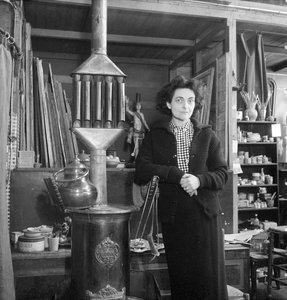
maria lídia da silva costa vieira
1936 - 1974 , Portugal
Quick Facts
- Artistic Movement Or Style: Neoclassical, Ceramics
- Artists Or Movements Influenced By This Artist: ['Neoclassical style']
- Artists Who Influenced This Artist: ['Greek and Roman sculpture']
- Date Of Birth: 1936-07-28
- Date Of Death: 1974
- Full Name: Maria Lídia da Silva Costa Vieira
- Nationality: Portuguese-Brazilian
- Notable Artworks:
- Saint with Angel boy
- Rooster
- Saint, woman with a boy
- Saint with an angel boy
- Place Of Birth: Viana do Castelo, Portugal

