 Preview
 Send
Send Share
Share
 Details

 Download
 Similars
 X-Ray
X-Ray Diaporama
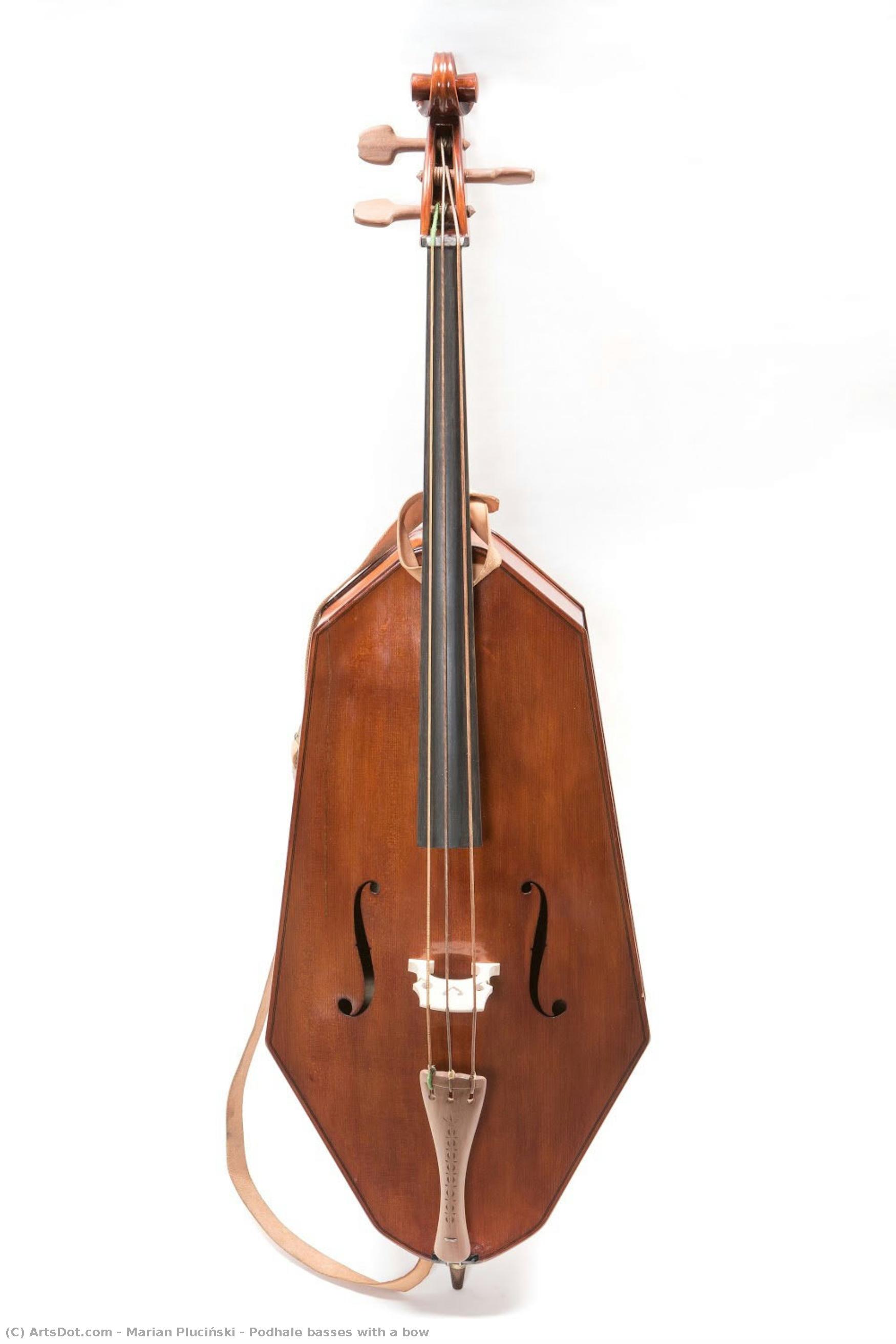
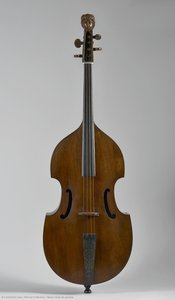
Podhale basses with a bow


 Read More
Giclée / Art Print
Museum-quality giclée or canvas print with fast production and flexible finish options. ( Buy Hand Made Painting Buy Image)




































Pick from our preset sizes that match the artwork's original proportions.

You may enter your own dimensions to fit a specific frame or space. If your selected size does not match the original image's proportions, we will either crop the artwork or extend the image with a mirrored or solid-fill edge. A digital mockup will be sent for your approval before production begins.
Please note that the on-screen preview does not reflect the actual cropping or extension. Only the mockup will accurately show the final composition.
While custom sizes are available, we recommend selecting a dimension from the predefined list to preserve the original proportions.
Worldwide Delivery () in 2 weeks instead of standard 4/5 weeks. (21 August)

Free Worldwide Express Shipping

High-Quality Linen Canvas

Full Shipping Insurance

Customs Tax Refund Guarantee

True Color Matching Guarantee

60-Day Return Policy (Defects Only)

100% Money-Back Guarantee

Bulk Discount Offer
 Glass option is only available in size under 110 CM

Podhale basses with a bow
Giclée / Art Print
Reproduction Size
-


Total Price
$ 63
Collectible Description
Related Artworks

Artist Biography
A Life Etched in Landscape and Resistance
Marian Pluciński, known by his nom de guerre “Mścisław,” was more than just a painter; he was a testament to the enduring spirit of Poland during one of its most turbulent eras. Born on October 5, 1912, in Żarnowiec, Poland, Pluciński’s life became inextricably linked with both artistic expression and armed struggle. His early education included schooling in Wadowice and Vilnius, culminating in his training at a school for armored warfare officers. This foundation foreshadowed the duality that would define his existence: a sensitivity to beauty honed alongside preparation for conflict. As World War II erupted in 1939, Pluciński was commissioned as a Second Lieutenant, fighting with the 33rd Panzer Division during the September Campaign. Captured by German forces shortly thereafter, he bravely escaped and returned to Vilnius, plunging into the nascent world of underground resistance.From Soldier to Shadow: The Armia Krajowa Years
Pluciński’s commitment to Poland led him to join the Wileński Okręg SZP (Special Operations Executive), quickly becoming a vital component of the burgeoning *Armia Krajowa* (Home Army). He rose through the ranks, eventually commanding the 4th Squadron of the 5th Wileńska Brygada AK. Operating in the shadows, Pluciński’s bravery and leadership were instrumental in numerous battles against the occupying German forces. This period was not merely one of military action; it was a time of profound emotional weight, witnessing firsthand the horrors of war and occupation. The landscapes he would later paint are imbued with this very sense of loss, resilience, and quiet defiance. His wartime experiences deeply shaped his artistic vision, transforming him from a soldier into a chronicler of a nation’s suffering and enduring hope.The Art as Witness: A Poignant Aesthetic
Despite the constant threat of discovery and danger, Pluciński continued to create art throughout the war years. His paintings are characterized by their evocative depictions of the Polish countryside, particularly the Podhale region with its majestic mountains and humble rural life. He wasn’t interested in grand historical narratives or heroic portrayals; instead, he focused on capturing the essence of the land itself – a silent witness to the unfolding tragedy. Podhale basses with a bow, one of his notable works, exemplifies this aesthetic. The painting isn't simply a landscape; it’s a meditation on the strength and dignity of the Polish people, their connection to the earth providing solace amidst chaos. His style leans towards Impressionism, but infused with a uniquely Polish sensibility—a muted palette reflecting the somber mood of occupied Poland, yet punctuated by moments of vibrant color hinting at an unyielding spirit.A Legacy Cut Short
Tragically, Marian Pluciński’s life was cut short on June 28, 1946, in Białystok, Poland. His death marked a profound loss for the Polish art world and the nation as a whole. Though his artistic output wasn't extensive due to the circumstances of his life, the works he did create possess an undeniable power and emotional resonance. They stand as poignant reminders of a time of immense hardship and unwavering resistance. His paintings are not merely historical documents; they are deeply personal expressions of love for Poland, grief over its suffering, and hope for its future.Historical Significance and Enduring Remembrance
Marian Pluciński’s significance extends beyond his artistic talent. He embodies the spirit of the Polish resistance movement—a soldier who refused to surrender not only his freedom but also his creative soul. His art offers a unique perspective on World War II, moving away from depictions of battle and focusing instead on the human cost of conflict and the enduring strength of national identity. Today, Pluciński’s work is increasingly recognized for its historical importance and artistic merit. He serves as a powerful symbol of Polish resilience, reminding us that even in the darkest of times, beauty can be found—and created—as an act of defiance and hope. His legacy continues to inspire artists and historians alike, ensuring that his story, and the story of Poland’s struggle for freedom, will not be forgotten.
marian pluciński
1912 - 1946 , Poland
Quick Facts
- Artistic Movement Or Style: Landscape Painting
- Date Of Birth: October 5, 1912
- Date Of Death: June 28, 1946
- Full Name: Marian Pluciński
- Nationality: Polish
- Notable Artworks: ['Podhale basses with a bow']
- Place Of Birth: Żarnowiec, Poland