

 Send
Send Share
Share
 Details

 Download
 Similars
 Diaporama
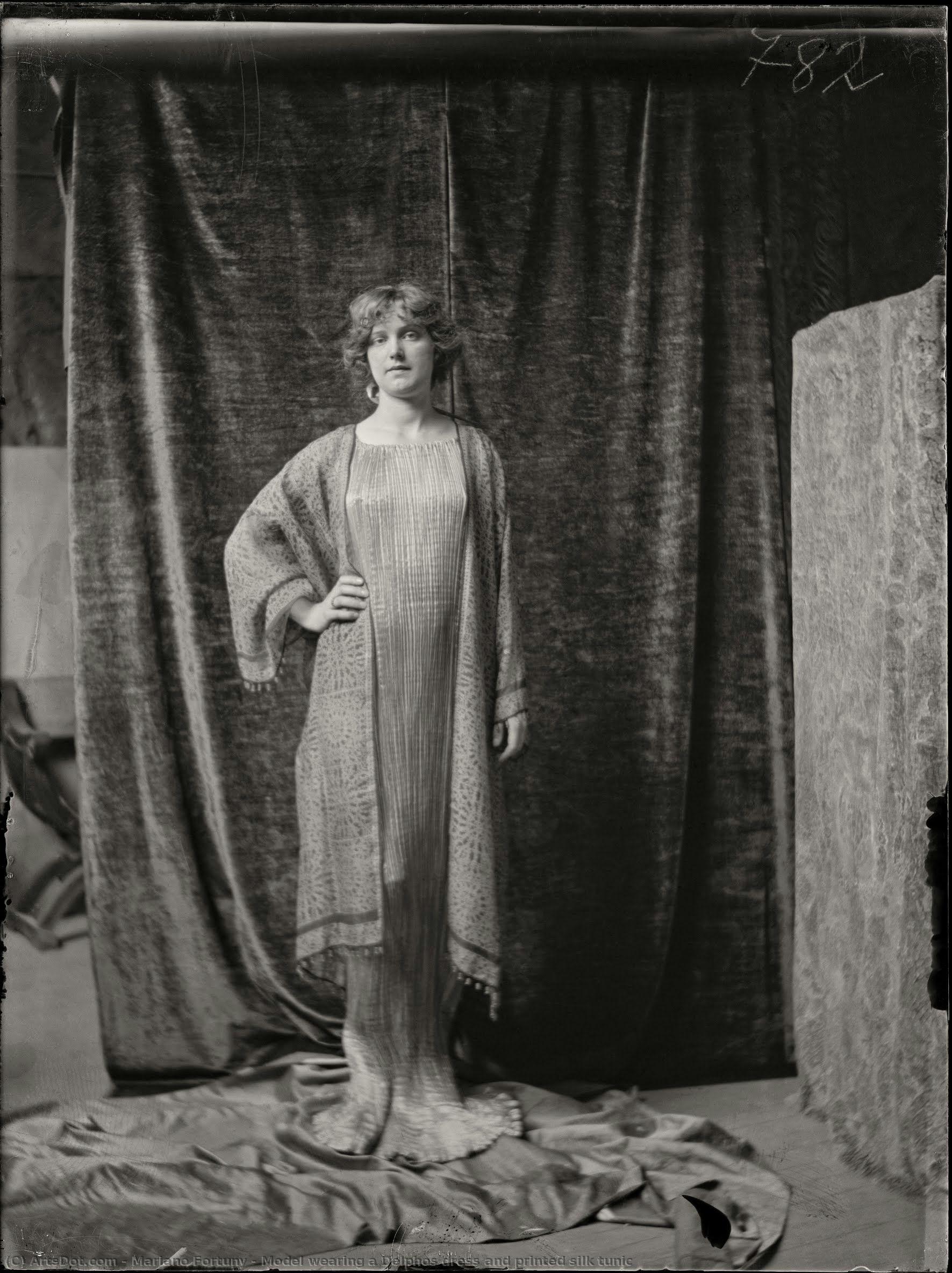
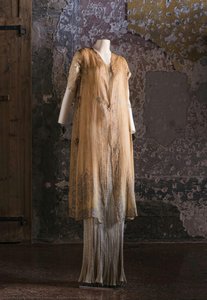
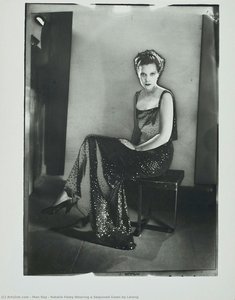
Model wearing a Delphos dress and printed silk tunic
 Giclée Print
- Digital
- Orientalist Painting
 1920
1920- 19th Century
 12.0 x 9.0 cm
 Palazzo Fortuny
 Read More
Purchase a high-resolution, enhanced digital image, far superior to the online preview.
Each file is meticulously prepared by our in-house specialists using advanced tools and expert manual retouching. We ensure every image has exceptional clarity, precise color accuracy, and fine detail.
The final file is delivered via email within 72 hours, optimized for immediate use in professional, editorial, and print environments. This is the same quality trusted by top-tier design studios, publishers, and galleries.
Digital Image
Download a high-resolution file for personal display, printing, and creative projects. ( Buy Print Buy Hand Made Painting)
Included in Every Digital Image Order
Expert Digital Delivery, Guaranteed
When you choose ArtsDot.com, you're not just getting an image - you're receiving a professionally enhanced digital artwork, crafted with precision and backed by a satisfaction guarantee. Here's everything that comes with your order, automatically:

Fast Email Delivery
Your high-resolution digital image file will be emailed to you within 72 hours of ordering - ready for immediate use.

AI-Enhanced Digital File
Your artwork is professionally optimized using advanced AI tools and manual editing, ensuring maximum detail, clarity, and color accuracy.

Free Lifetime Re-Delivery
Accidentally deleted or lost your file? No worries - we'll resend it to you anytime, free of charge.

No Import Fees - Ever
Enjoy your artwork instantly with zero customs, duties, or delivery fees - digital downloads are always tax-free.

Color Accuracy Guarantee
We ensure your digital image reflects the original colors as closely as possible using professional tools and color management.

60-Day Satisfaction Guarantee
If you're not satisfied with your digital image, we'll revise it or refund 100% within 60 days - no questions asked.

100% Money-Back Guarantee
Not satisfied? Get a full refund within 60 days of receiving your digital file - no questions asked.

Bulk Order Discounts
Buy 3 images, save 10% - Buy 5, save 15% - Buy 10+, save 20%. Great for creative projects, galleries, and agencies.
Mariano Fortuny: A Pioneer of Textile Art and Dramatic Lighting
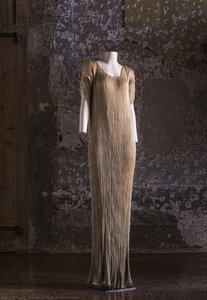
Mariano Fortuny y Marsal (1871–1949) stands as an extraordinary figure in the annals of Spanish art, transcending mere painterly skill to become a visionary innovator who reshaped both fashion and theatrical design. Born in Reus, Catalonia, his formative years were marked by profound loss – the untimely death of his father instilled within him a resilience that would fuel his lifelong pursuit of artistic excellence. This early hardship propelled him toward Paris, where he encountered the stimulating environment of bohemian culture and established crucial connections with influential figures who nurtured his burgeoning talent. Fortuny’s artistic journey began with a fervent fascination for Romanticism's Orientalist fervor, mirroring the broader European trend towards exploring distant lands and cultures. However, it was his groundbreaking experimentation with textiles—specifically the creation of the Delphos dress—that cemented his place as a true revolutionary.- The Birth of Delphos: Fortuny’s obsession with Grecian aesthetics drove him to conceive of a garment that embodied elegance and fluidity, mirroring the draped robes of ancient Greece. He meticulously crafted this dress using pleated silk, employing a novel technique—the “pleating system”—that revolutionized textile production and captivated Parisian society.
- Technique & Innovation: Fortuny’s ingenious pleating method involved applying pressure to fabric rolls while they rotated on a lathe, resulting in remarkably consistent folds that achieved unparalleled drape and comfort. This innovation wasn't merely about aesthetics; it represented a fundamental shift in manufacturing processes, anticipating advancements in textile technology decades later.
- A Stage for Dreams: Beyond fashion, Fortuny revolutionized theatrical lighting design with his “cyclorama dome,” a semi-spherical structure that utilized indirect illumination to create immersive environments—a technique that dramatically enhanced the visual impact of performances and profoundly influenced stagecraft worldwide.
Orientalism & Artistic Inspiration: Echoes of the East in Fortuny’s Palette
Fortuny's artistic vision was deeply rooted in his fascination with the Orient, particularly Morocco. His travels to North Africa provided him with unparalleled inspiration for his paintings and textile designs—a stylistic influence that is palpable throughout his oeuvre. The vibrant hues of Moroccan landscapes—deep reds, ochres, blues—found their way into Fortuny’s canvases, reflecting a desire to capture the exotic beauty of distant cultures. This preoccupation with the East wasn't simply decorative; it represented a broader intellectual engagement with philosophical concepts and artistic traditions that challenged conventional European perspectives.Symbolism & Emotional Resonance: The Delphos Dress as Embodiment of Grace
The Delphos dress transcends its material form to become an emblem of grace, sophistication, and feminine liberation—a testament to Fortuny’s ability to infuse his creations with profound symbolic meaning. Its flowing silhouette evoked the idealized beauty of ancient Greece, symbolizing harmony, balance, and intellectual refinement. More importantly, it represented a rejection of restrictive corsets and societal conventions, empowering women to express their individuality while embracing elegance and comfort. The dress's enduring appeal speaks to Fortuny’s astute understanding of human psychology—his conviction that art could elevate the spirit and inspire transformative change.Legacy & Enduring Influence: Mariano Fortuny's Place in Art History
Mariano Fortuny y Marsal’s legacy extends far beyond his individual artistic achievements; he fundamentally altered the landscape of both fashion and theater, establishing precedents that continue to resonate today. His pioneering innovations—the pleating system and the cyclorama dome—remain influential benchmarks for designers and artists alike. Moreover, Fortuny's unwavering commitment to blending art and science—his belief in the power of observation and experimentation—served as an inspiration for generations of creatives who sought to push boundaries and redefine artistic expression. He remains a beacon of creativity and innovation—a true visionary whose contributions endure as timeless symbols of artistic excellence.Related Artworks
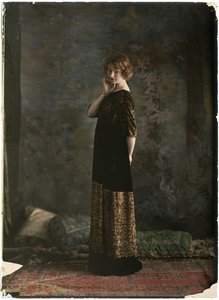
Artist Biography
early life and inspiration
mariano fortuny, a spanish fashion designer, was born on may 11, 1871, in granada, spain. his father, mariano fortuny y marsal, was a genre painter who passed away when mariano was just three years old. this event led to the family's move to paris, france, where mariano's mother introduced him to various textiles and fabrics that would later influence his creativity.artistic talents and inventions
mariano fortuny showcased his artistic talents from a young age, demonstrating skills in painting, photography, sculpting, architecture, etching, and theatrical stage lighting. his inventions, including over twenty patented between 1901 and 1934, revolutionized the world of theater design.- he developed the fortuny cyclorama dome, a quarter dome-shaped structure of plaster or cloth, which used indirect lighting to create a seamless transition between scenes.
- his treatise "eclairage scenique" (1904) described his discovery of reflecting light off different surfaces, changing its color, intensity, and properties.
notable contributions and collaborations
mariano fortuny's work gained widespread recognition in the 1920s. he collaborated with notable figures, including:- richard wagner, a german composer, whose operas inspired mariano to paint scenes.
- the famous opera house, la scala of milan, where he installed his dome, adapting it for the larger theater and inventing a suction fan to maintain its taut structure.
legacy and later life
mariano fortuny passed away on may 3, 1949, in venice, italy. his work inspired french novelist marcel proust, and his life was depicted in pere gimferrer's novel "fortuny." mariano's legacy continues to influence the world of theatrical design.- explore more about mariano fortuny's inventions and designs at ArtsDot's collection.
- discover the impact of his work on theatrical lighting in the museum destroyed by fire (united states), a story of an unfortunate event that shaped american art history, available at ArtsDot's blog.
selected paintings by mariano fortuny and other artists
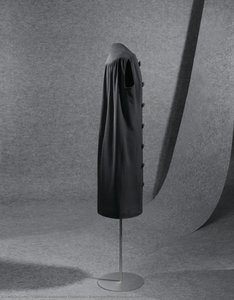
- mariano fortuny: teagown (museum of fine arts, boston, united states), available at ArtsDot's collection.
- marc chagall: study to 'song of songs iv' (naive art / primitivism), available at ArtsDot's collection.
- pablo picasso: clarinet (analytical cubism, oil on canvas), available at ArtsDot's collection.
- vincent van gogh: tree roots (50 x 100 cm, post-impressionism, oil on canvas), available at ArtsDot's collection.
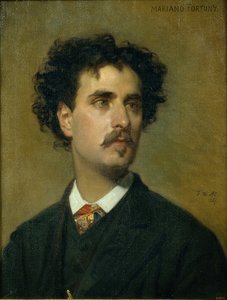
Mariano Fortuny
1871 - 1949 , Spain
Quick Facts
- Artistic Movement Or Style: Orientalism art
- Artists Or Movements Influenced By This Artist: ['Marcel Proust']
- Artists Who Influenced This Artist: ['Richard Wagner']
- Date Of Birth: May 11, 1871
- Date Of Death: May 3, 1949
- Full Name: Mariano Fortuny y Marsal
- Nationality: Spanish
- Notable Artworks:
- Teagown
- Portrait of Henriette Fortuny
- Place Of Birth: Granada, Spain

