 Preview
 Send
Send Share
Share
 Details

 Download
 Similars
 X-Ray
X-Ray Diaporama
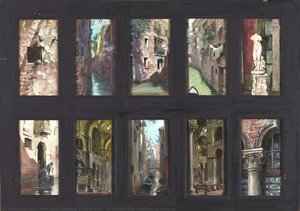
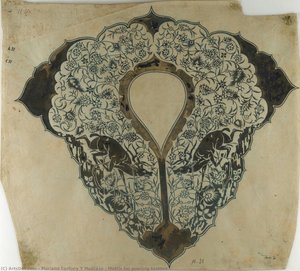
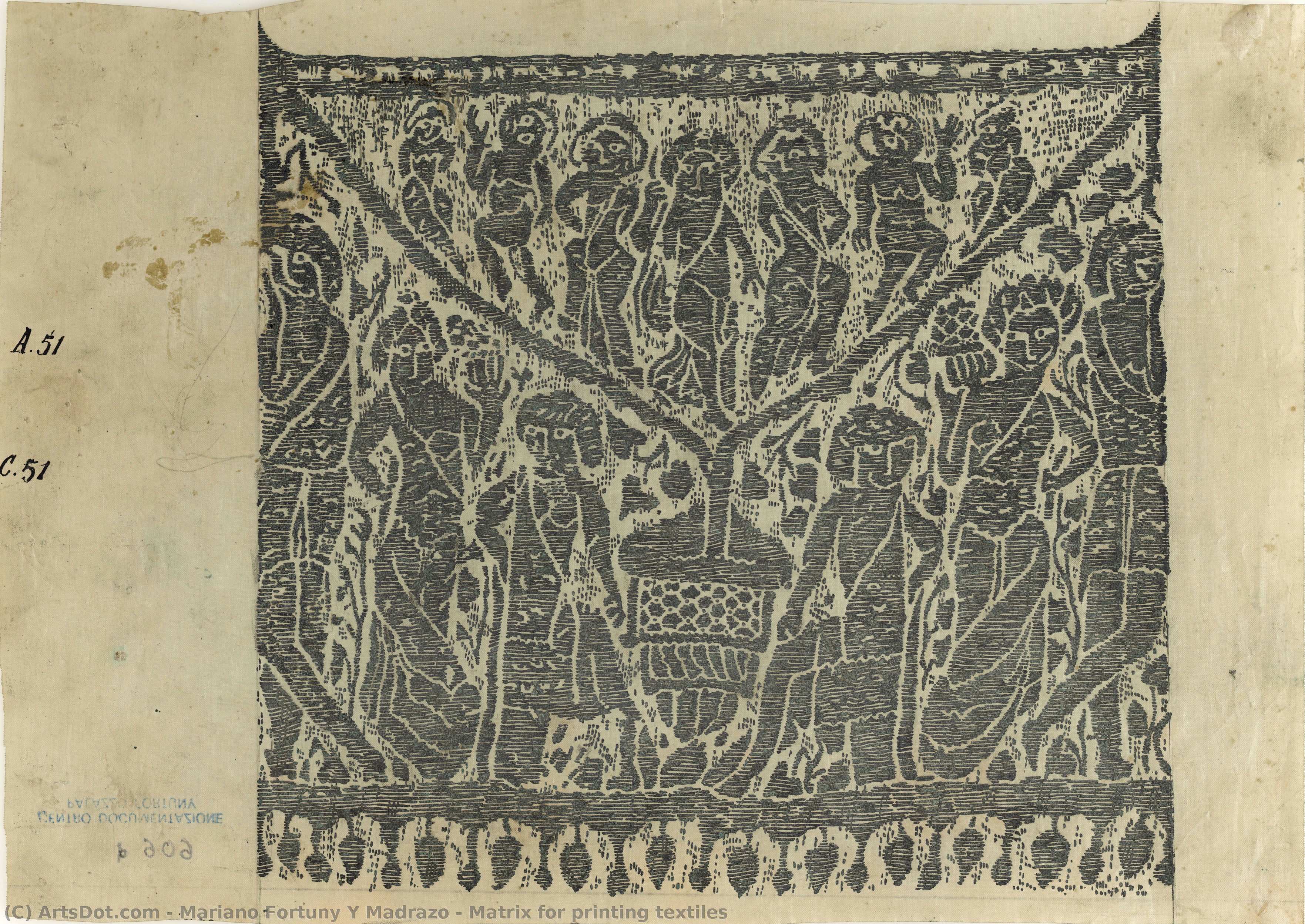
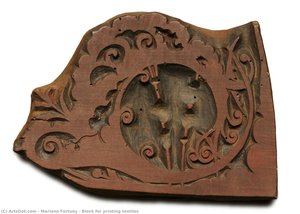
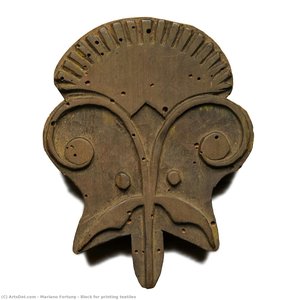
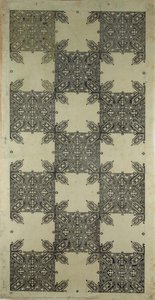
Matrix for printing textiles
 Acrylic
- WallArt
- Art Nouveau
 1910
1910 28.0 x 39.0 cm
 Palazzo Fortuny
 Read More
Hand Made Oil Reproduction
Hand-painted oil on canvas in your size and frame, made to order by our artists. ( Buy Print Buy Image)




P118B $10

P118H $10

P118W $10

P438Z $10

P508JH $12

P508YH $12

P805H $10

P805Z $10

P919BZ $10

P919G $10

P919XJ $10

P959ZH $10

P968JZ $12

W106C $8

W218G $10

W218JH $8

W218Y $10

W307PJ $10

W316G $10

W316PJ $8

W316Y $10

W398PJ $8

W4111J $10

W500HY $15

W500JH $15

W692G $12

W849H $8

W940BG $15

W953PJ $8




Pick from our preset sizes that match the artwork's original proportions.

You may enter your own dimensions to fit a specific frame or space. If your selected size does not match the original image's proportions, we will either crop the artwork or extend the painting with additional hand-painted elements. A digital mockup will be sent for your approval before production begins.
Please note that the on-screen preview does not reflect the actual cropping or extension. Only the mockup will accurately show the final composition.
While custom sizes are available, we recommend selecting a dimension from the predefined list to preserve the original proportions.
After order, ArtsDot.com team will email client for instructions and provide a mockup preview
Worldwide Delivery () in 3/4 weeks instead of standard 5 weeks. (17 August). No compromise on quality.

Free Worldwide Express Shipping

High-Quality Linen Canvas

Full Shipping Insurance

Customs Tax Refund Guarantee

True Color Matching Guarantee

60-Day Return Policy (Defects Only)

100% Money-Back Guarantee

Bulk Discount Offer
 Glass option is only available in size under 110 CM

Matrix for printing textiles
Reproduction Medium
Reproduction Size
-


Total Price
$ 463
Artwork Description
Mariano Fortuny y Madrazo’s “Matrix for Printing Textiles”: A Tapestry of Venetian Tradition
Mariano Fortuny y Madrazo (1871-1949), a figure as multifaceted as his artistic output, stands apart in the annals of Venetian art. More than merely a painter—though undeniably accomplished—he was a visionary designer, innovator of stage lighting, and a pioneer in textile production, cementing his place as one of Spain’s most influential artists of the Belle Époque.
“Matrix for Printing Textiles,” created in 1910, exemplifies Fortuny's distinctive aesthetic: meticulous detail combined with an understated elegance rooted in historical references. This monochrome print captures a complex geometric pattern—a deliberate departure from Impressionistic tendencies—that draws heavily upon the decorative traditions of medieval and Renaissance tapestry designs.
Composition & Technique: Precision Meets Ornamentation
- Dense Arrangement: The artwork’s composition is remarkably busy, featuring numerous figures interwoven within a central tree-like structure. This deliberate layering creates an illusion of depth without resorting to conventional perspective techniques.
- Fine Line Work: Fortuny's technique relies on extraordinarily precise hatching and shading—a hallmark of his artistic approach—to define shapes and textures with remarkable accuracy. Each line contributes to the overall intricacy, conveying a sense of deliberate control.
- Geometric Grid: The dominant pattern is formed by intersecting lines creating a grid that underscores the artwork’s structural integrity and echoes the patterns found in cartography and textile printing.
Historical Context & Symbolism: Echoes of Venetian Heritage
Fortuny's fascination with Venetian history—particularly its opulent tapestry traditions—is palpable throughout “Matrix for Printing Textiles.” The stylized foliage resembles depictions of Venetian gardens and heraldic emblems, reflecting the artistic sensibilities of the period.
The central tree symbolizes knowledge, growth, and connection – themes frequently explored in medieval and Renaissance art. Its branching form suggests a network of influences and ideas, mirroring Fortuny’s own intellectual curiosity.
Emotional Impact & Artistic Style: A Momentary Pause for Reflection
Despite its complexity, “Matrix for Printing Textiles” exudes a serene mood—a contemplative stillness that invites viewers to appreciate the beauty of understated design. Fortuny's style prioritizes meticulous detail and refined ornamentation, aligning with the broader artistic currents of Art Nouveau, where elegance and craftsmanship were paramount.
This artwork serves as a testament to Fortuny’s mastery of technique and his ability to distill profound symbolic ideas into visually arresting patterns—a legacy that continues to inspire artists and collectors alike.
Related Artworks
Artist Biography
A Polymath of Venice: The Life and Legacy of Mariano Fortuny
Mariano Fortuny y Madrazo, a name synonymous with innovation, artistry, and the alluring mystique of Venice, was far more than simply a painter or designer. Born in Granada, Spain, in 1871, his life unfolded as a testament to boundless curiosity and an unwavering pursuit of aesthetic perfection across multiple disciplines. The early loss of his father, also a celebrated painter, propelled a move with his mother to Paris, where young Mariano was immersed in the vibrant artistic currents of the late 19th century. This formative period instilled within him not only a technical foundation but also a deep appreciation for color, texture, and the power of visual expression. However, it was the subsequent relocation to Venice in 1889 that truly ignited his creative spirit. The city’s rich history, its unique light, and its atmosphere of faded grandeur became an enduring source of inspiration, shaping his artistic vision for decades to come.From Stage Lighting to Textile Revolution
Fortuny's genius lay in his ability to seamlessly blend art with invention. He wasn’t content merely to create beautiful objects; he sought to understand and control the very processes that brought them into being. Initially captivated by the world of theatre, he revolutionized stage lighting through ingenious systems of reflected illumination, moving beyond simple direct light to create nuanced atmospheres and dramatic effects. This fascination with light extended beyond the stage, influencing his later work with textiles. He wasn’t simply designing fabrics; he was engineering them, developing unique dyeing techniques and even inventing machinery to achieve previously unattainable effects. His designs weren't just about aesthetics but also about manipulating how light interacted with fabric, creating a shimmering, almost ethereal quality that became his signature. This dedication led him to secure over twenty patents for his inventions, demonstrating a remarkable technical prowess alongside his artistic sensibility.The Delphos Gown and the Fortuny Aesthetic
While his contributions spanned numerous fields, Mariano Fortuny is perhaps best known today for his revolutionary approach to fashion. In 1906, he opened his couture house in Venice, quickly gaining renown for dresses that defied convention. The iconic *Delphos* gown, introduced around 1920, became a symbol of modern elegance and freedom. Inspired by the flowing drapery of ancient Greek sculptures, these gowns were crafted from specially pleated silk, allowing them to conform to the body with graceful fluidity. They weren’t tailored in the traditional sense; rather, they seemed to drape themselves upon the wearer, creating an effect of effortless sophistication. Beyond the *Delphos*, his textiles – richly colored and intricately patterned – found their way into interiors worldwide, adorning walls and furniture with a distinctly Venetian flair. The fabrics were not merely decorative; they were works of art in their own right, imbued with a sense of history and timeless beauty.A Lasting Influence
Mariano Fortuny’s legacy extends far beyond the exquisite garments and textiles he created. He embodied a holistic approach to design, believing that true artistry required mastery of every stage of the creative process – from initial concept to final execution. His dedication to craftsmanship, his innovative spirit, and his unwavering pursuit of beauty continue to inspire artists and designers today. The Fortuny factory in Venice, still operating on Giudecca Island, remains a testament to his enduring vision, preserving the time-honored techniques he pioneered. Furthermore, the Museo Mariano Fortuny y Madrazo, housed in his former palazzo, offers a captivating glimpse into his multifaceted world, showcasing not only his artworks and designs but also his inventions and the atmosphere that fueled his extraordinary creativity. He was truly a magician of Venice, transforming tradition with innovation and leaving an indelible mark on the worlds of art, fashion, and design.Key Achievements & Collections
- Innovative Stage Lighting: Pioneered indirect lighting techniques that revolutionized theatrical productions.
- Textile Design & Production: Developed unique dyeing processes and machinery for creating richly patterned silks.
- The Delphos Gown: Created a revolutionary garment inspired by ancient Greek drapery, celebrated for its fluidity and elegance.
- Museo Fortuny (Venice): His former home and studio now serves as a museum dedicated to his life and work.
- Notable Collections: Works are held in prestigious institutions including the Museum of Fine Arts, Boston (Mariano Fortuny: Teagown) and the Museo del Traje, Madrid (Mariano Fortuny: Swatch).
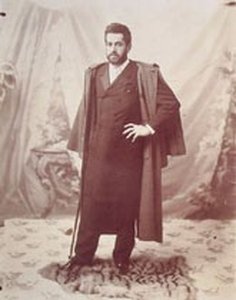
Mariano Fortuny y Madrazo
1871 - 1949 , Spain
Quick Facts
- Artistic Movement Or Style: Art Deco, Venetian art
- Artists Or Movements Influenced By This Artist:
- Fashion designers
- Textile artists
- Artists Who Influenced This Artist:
- Mariano Fortuny y Marsal
- Richard Wagner
- Date Of Birth: May 11, 1871
- Date Of Death: 1949
- Full Name: Mariano Fortuny y Madrazo
- Nationality: Spanish
- Notable Artworks:
- Fetching Water
- Teagown
- Swatch
- Matrix for printing textiles
- Portrait of Henriette Fortuny
- María Teresa de Madrazo
- Place Of Birth: Granada, Spain
Related Articles
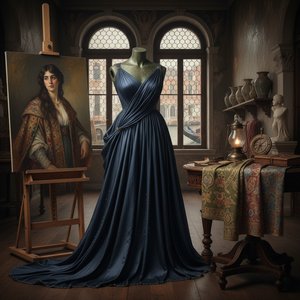
Mariano Fortuny: A Fusion of Art, Fashion & Design – Exploring a Venetian Innovator's Legacy
Explore the captivating world of Mariano Fortuny – artist, designer & innovator. Discover his revolutionary textiles, iconic Delphos gown, and lasting influence on art, fashion & interiors. A collector's guide to a Venetian master.

Dark Masterpieces: 10 Iconic Paintings Dominated by Black Tones |
Explore 10 iconic paintings dominated by black tones, from Rembrandt’s chiaroscuro to Goya's dark expressions. Discover the stories behind these masterpieces & find museum-quality art reproductions for your home at .
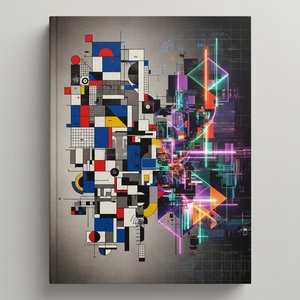
Beyond Form & Color: Geometric Abstraction's Evolution in 20th/21st Century Art
Explore the evolution of geometric abstraction from Cubism to contemporary art. Discover key artists like Malevich & Mondrian, investment insights, and expert collecting advice at ArtsDot.

Geometric Abstraction's 10 Defining Masterpieces | Art for Your Home - ArtsDot
Explore 10 defining masterpieces of Geometric Abstraction! Discover Kandinsky, Mondrian & Malevich’s iconic works. Find museum-quality art reproductions and curated decor ideas to elevate your home at ArtsDot.com.
The Enduring Appeal of Geometric Patterns in Art: A Historical & Contemporary Exploration
Explore the captivating history of geometric abstraction in art, from ancient roots to contemporary masters. Expert insights for collectors & enthusiasts. Discover key artists, movements & investment potential.
![Sotoportego [underpass] in Venice](/media/artworks/images/thumbnails/e3/31/e3314e7a228542af920561515d780d99.jpg)