 Preview
 Send
Send Share
Share
 Details

 Download
 Similars
 X-Ray
X-Ray Diaporama
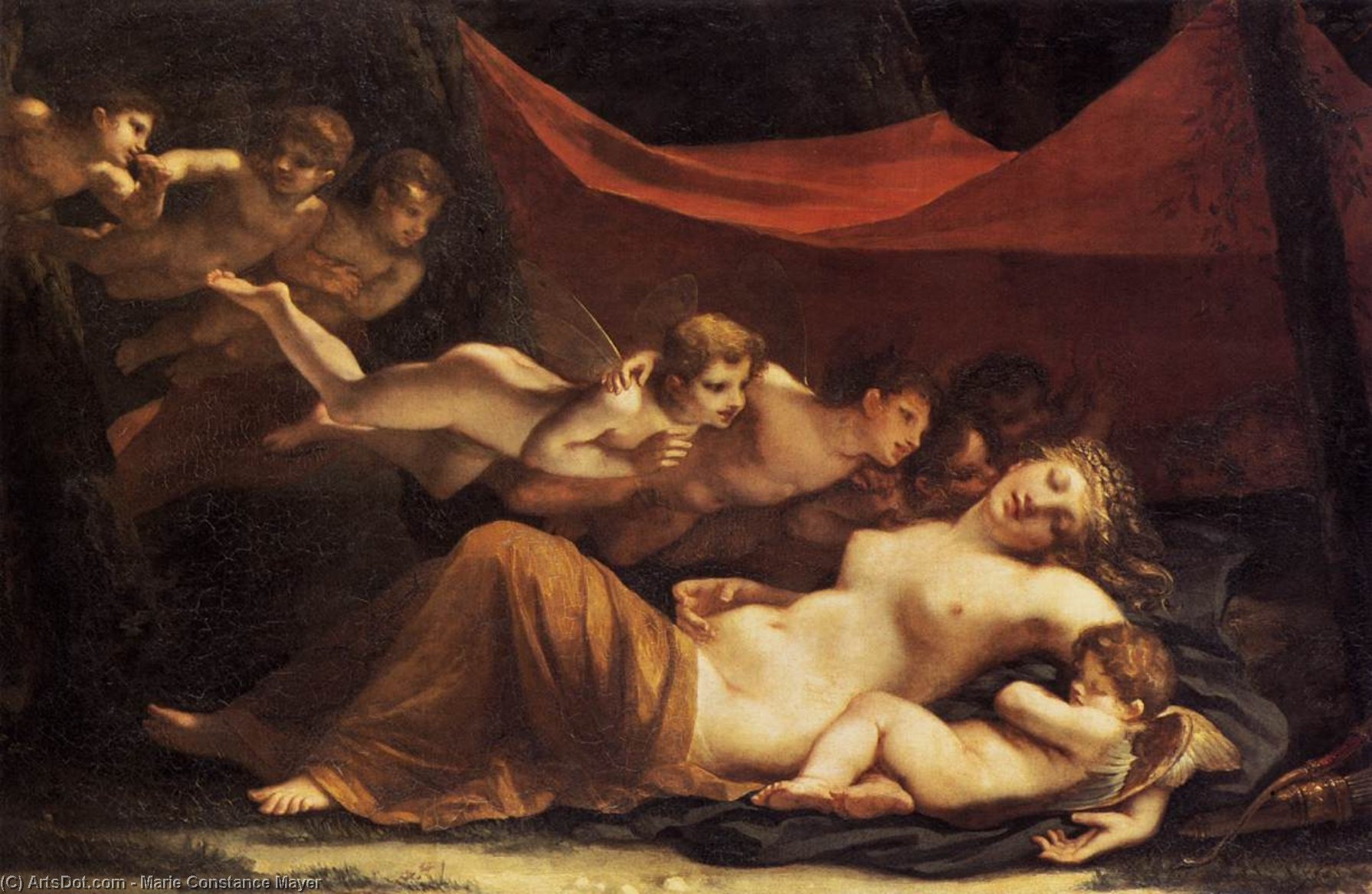
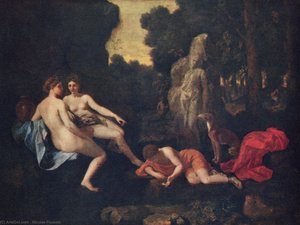
The Sleep of Venus and Cupid
 Oil On Canvas
- WallArt
- Baroque
 1806
1806 97.0 x 145.0 cm
 Wallace Collection
 Read More
Hand Made Oil Reproduction
Hand-painted oil on canvas in your size and frame, made to order by our artists. ( Buy Print Buy Image)




P118B $10

P118H $10

P118W $10

P438Z $10

P508JH $12

P508YH $12

P805H $10

P805Z $10

P919BZ $10

P919G $10

P919XJ $10

P959ZH $10

P968JZ $12

W106C $8

W218G $10

W218JH $8

W218Y $10

W307PJ $10

W316G $10

W316PJ $8

W316Y $10

W398PJ $8

W4111J $10

W500HY $15

W500JH $15

W692G $12

W849H $8

W940BG $15

W953PJ $8




Pick from our preset sizes that match the artwork's original proportions.

You may enter your own dimensions to fit a specific frame or space. If your selected size does not match the original image's proportions, we will either crop the artwork or extend the painting with additional hand-painted elements. A digital mockup will be sent for your approval before production begins.
Please note that the on-screen preview does not reflect the actual cropping or extension. Only the mockup will accurately show the final composition.
While custom sizes are available, we recommend selecting a dimension from the predefined list to preserve the original proportions.
After order, ArtsDot.com team will email client for instructions and provide a mockup preview
Worldwide Delivery () in 3/4 weeks instead of standard 5 weeks. (16 August). No compromise on quality.

Free Worldwide Express Shipping

High-Quality Linen Canvas

Full Shipping Insurance

Customs Tax Refund Guarantee

True Color Matching Guarantee

60-Day Return Policy (Defects Only)

100% Money-Back Guarantee

Bulk Discount Offer
 Glass option is only available in size under 110 CM

The Sleep of Venus and Cupid
Reproduction Medium
Reproduction Size
-


Total Price
$ 338
Artwork Description
Marie Constance Mayer’s Dramatic Ode to Eros
Marie Constance Mayer’s “Sleep of Venus & Cupid” (1806) stands as a testament to both artistic brilliance and personal hardship—a poignant reflection of the complexities faced by women artists navigating the evolving landscape of French Neoclassicism. Executed in oil on canvas, this monumental painting captures a scene steeped in mythological allusion, drawing heavily from classical narratives surrounding Aphrodite (Venus), goddess of love and beauty, and her son Cupid, messenger of desire.
- Subject Matter & Narrative: The artwork depicts Venus reclining gracefully upon a bed draped with sumptuous fabrics—a deliberate echo of idealized depictions found in Roman sculpture. Beside her lies Cupid, poised to bestow kisses upon her slumbering form, symbolizing the transformative power of love and its ability to inspire divine intervention. This narrative draws upon established mythological tropes, conveying themes of passion, vulnerability, and transcendent grace.
- Style & Influences: Mayer’s style firmly aligns with Baroque aesthetics despite her teacher's influence—a stylistic paradox that speaks volumes about the artistic currents of the time. The dramatic chiaroscuro lighting – a hallmark of Baroque painting – casts deep shadows across the canvas, emphasizing the central figures and creating an atmosphere of theatrical grandeur. This technique prioritizes emotional intensity and visual drama over strict realism.
- Technique & Materials: Mayer’s meticulous approach to execution is evident in her masterful use of glazing and scumbling—techniques that build up layers of color to achieve luminous effects and imbue the painting with palpable texture. The oil paint medium itself contributes to a sense of materiality, mirroring the opulent fabrics and decorative elements characteristic of Baroque interiors.
- Historical Context: Created in 1806 during Josephine Bonaparte’s reign—the Empress herself owning this artwork— “Sleep of Venus & Cupid” reflects the artistic patronage prevalent within the Napoleonic era. It represents a continuation of Neoclassical ideals championed by artists like Prud'hon, yet subtly incorporates Baroque stylistic elements, demonstrating the fluidity and dynamism of artistic expression.
- Symbolism & Emotional Impact: Beyond its narrative content, the painting operates on multiple symbolic levels. Venus embodies feminine beauty and purity, while Cupid represents youthful passion and divine grace—concepts central to Enlightenment thought and Romantic sensibilities. The overall impression is one of profound serenity juxtaposed with latent erotic energy, inviting contemplation on themes of desire, spirituality, and the transformative potential of love.
This captivating artwork exemplifies Mayer’s artistic prowess and underscores the enduring fascination with mythological narratives within European art history. A reproduction offers an exceptional opportunity to appreciate the grandeur of Baroque artistry and immerse oneself in a scene brimming with emotional resonance—a timeless masterpiece destined to inspire collectors and interior designers alike.
Related Artworks


Artist Biography
Marie Constance Mayer: Life and Artistic Journey
Born in France around 1774, Marie Constance Mayer lived a life marked by artistic talent, personal struggles, and complex relationships within the Neoclassical art world. Her career, often described as "brilliant but bitter," reflects both her successes as a woman artist in post-Revolutionary France and the challenges she faced due to gender bias and dependence on male colleagues.
Early Training and Influences
Mayer's artistic training began with established artists of the time. She initially studied under Jean-Baptiste Greuze, known for his genre scenes and portraits. This early instruction provided her with a foundation in traditional painting techniques and an understanding of popular subject matter. Her style was influenced by the Neoclassical movement, characterized by its emphasis on clarity, order, and idealized forms.
Collaboration and Dependence on Pierre-Paul Prud'hon
A significant portion of Mayer’s artistic development occurred through her long association with Pierre-Paul Prud'hon, a leading French painter. Their relationship was complex, involving both collaboration and dependence. He sketched designs and compositions, while she executed the paintings. Many works were exhibited under her name, but later attributed to Prud'hon when they entered public collections. This practice blurred the lines of authorship and contributed to confusion regarding their individual contributions.
- Collaborative Process: Prud’hon sketched designs; Mayer painted them.
- Attribution Issues: Works initially exhibited under Mayer's name were later attributed to Prud'hon in public collections.
Major Achievements and Artistic Style
Despite the challenges of attribution, Mayer achieved recognition for her artistic skill. Her style was characterized by Neoclassical principles, with a focus on clarity, idealized forms, and refined execution. She excelled in portraiture, genre scenes, and miniature paintings.
- Portraiture: She created portraits of individuals from various social backgrounds.
- Genre Scenes: Mayer painted scenes depicting everyday life and popular activities.
- Miniature Paintings: She was skilled in creating small-scale paintings with intricate detail.
Later Years, Personal Struggles, and Historical Significance
Mayer’s later years were marked by personal struggles and a sense of unfulfilled potential. Her dependence on Prud'hon and the subsequent attribution issues hindered her recognition as an independent artist. She died in 1821, leaving behind a legacy complicated by questions of authorship and gender bias.
- Unrecognized Contributions: Her individual contributions were often overshadowed by Prud’hon's reputation.
- Historical Significance: Mayer represents the challenges faced by women artists in post-Revolutionary France, who sought to make progress despite gender bias and limited opportunities.
Legacy and Recognition
In recent years, there has been renewed interest in Mayer’s life and work. Art historians are reevaluating her contributions and seeking to clarify the complex relationship between her and Prud'hon. Her story serves as a reminder of the importance of recognizing the achievements of women artists throughout history.
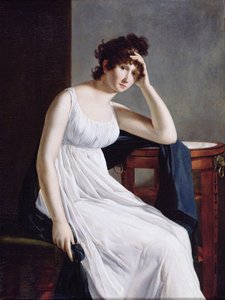
Marie Constance Mayer
1774 - 1821 , France
Quick Facts
- Artistic Movement Or Style: Neoclassical
- Artists Or Movements Influenced By This Artist:
- Pauline Auzou
- Marguerite Gérard
- Artists Who Influenced This Artist:
- Pierre-Paul Prud'hon
- Jean-Baptiste Greuze
- Date Of Birth: 1774
- Date Of Death: 1821
- Full Name: Marie Constance Mayer
- Nationality: French
- Notable Artworks:
- Venus and Cupid Sleeping
- Amable Tastu
- Place Of Birth: France
Related Articles

Baroque Drama: Bringing Opulence & Emotion into Contemporary Interiors
Explore the opulent world of Baroque interior design! Discover key elements, modern applications & how to bring dramatic elegance into your home with 's authentic reproductions.

The Dramatic Flourish: Exploring the Baroque Movement's Enduring Legacy in Art History
Explore the dramatic world of Baroque art! Discover iconic artists like Caravaggio & Rubens, defining techniques, and its lasting impact on art history. Expert insights for collectors & enthusiasts at ArtsDot.

Baroque Masterpieces: 10 Paintings That Defined an Era |
Journey through the drama & grandeur of Baroque art! Explore 10 masterpieces by Caravaggio, Rembrandt, Rubens & more. Discover stunning oil paintings, rich colors & timeless stories. Find museum-quality reproductions at .

The Visceral Stage: Exploring Dramatic Narratives & Emotional Intensity in Baroque Art
Explore the dramatic world of Baroque art! Discover iconic masters like Caravaggio & Rembrandt, their techniques, and the movement's lasting impact. Expert insights for collectors & enthusiasts at ArtsDot.

Theatricality & Triumph: Baroque Drama in Painting & Sculpture
Explore the dramatic world of Baroque art! Discover its history, defining characteristics, & lasting influence on painting & sculpture. Expert insights into Caravaggio, Zurbarán, and Bernini – plus high-quality reproductions at ArtsDot.