 Preview
 Send
Send Share
Share
 Details

 Download
 Similars
 X-Ray
X-Ray Diaporama
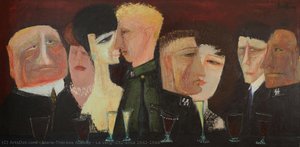
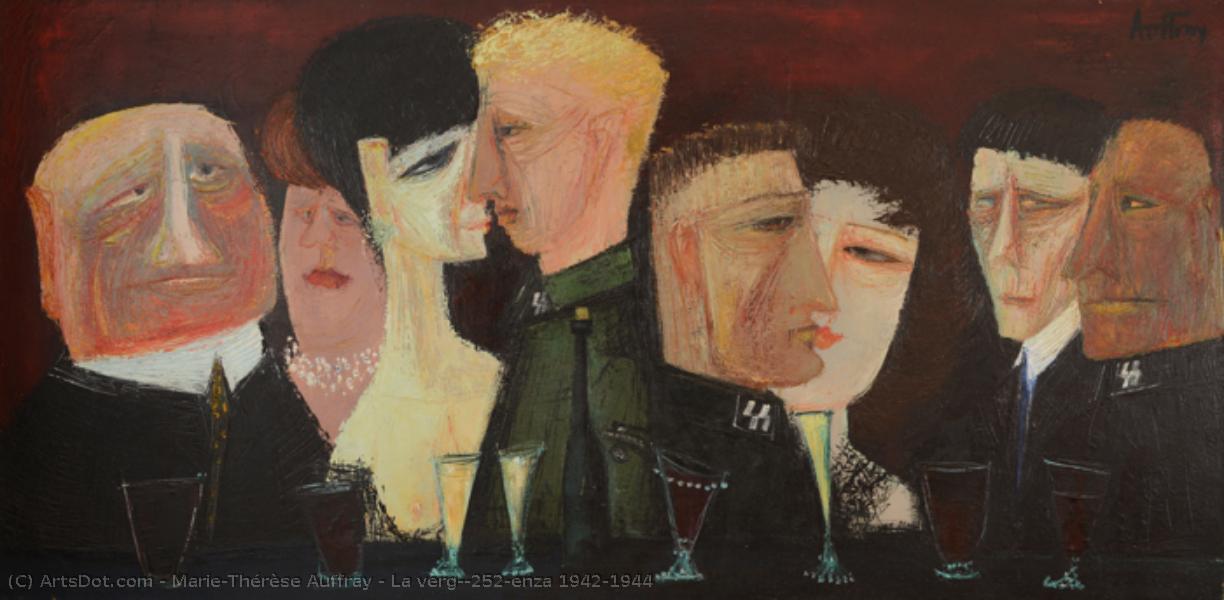
La vergüenza 1942-1944
 Figurative
 1965
1965 97.0 x 195.0 cm
 Read More
Hand Made Oil Reproduction
Hand-painted oil on canvas in your size and frame, made to order by our artists. ( Buy Print Buy Image)




P118B $10

P118H $10

P118W $10

P438Z $10

P508JH $12

P508YH $12

P805H $10

P805Z $10

P919BZ $10

P919G $10

P919XJ $10

P959ZH $10

P968JZ $12

W106C $8

W218G $10

W218JH $8

W218Y $10

W307PJ $10

W316G $10

W316PJ $8

W316Y $10

W398PJ $8

W4111J $10

W500HY $15

W500JH $15

W692G $12

W849H $8

W940BG $15

W953PJ $8




Pick from our preset sizes that match the artwork's original proportions.

You may enter your own dimensions to fit a specific frame or space. If your selected size does not match the original image's proportions, we will either crop the artwork or extend the painting with additional hand-painted elements. A digital mockup will be sent for your approval before production begins.
Please note that the on-screen preview does not reflect the actual cropping or extension. Only the mockup will accurately show the final composition.
While custom sizes are available, we recommend selecting a dimension from the predefined list to preserve the original proportions.
After order, ArtsDot.com team will email client for instructions and provide a mockup preview
Worldwide Delivery () in 3/4 weeks instead of standard 5 weeks. (25 August). No compromise on quality.

Free Worldwide Express Shipping

High-Quality Linen Canvas

Full Shipping Insurance

Customs Tax Refund Guarantee

True Color Matching Guarantee

60-Day Return Policy (Defects Only)

100% Money-Back Guarantee

Bulk Discount Offer
 Glass option is only available in size under 110 CM

La vergüenza 1942-1944
Reproduction Medium
Reproduction Size
-


Total Price
$ 363
Related Artworks
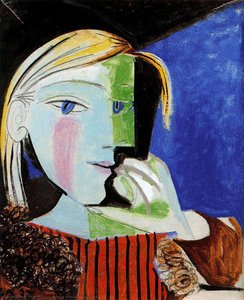
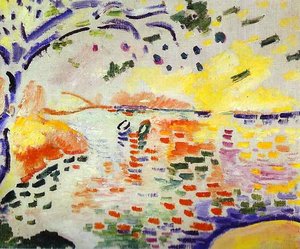
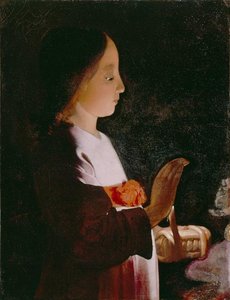
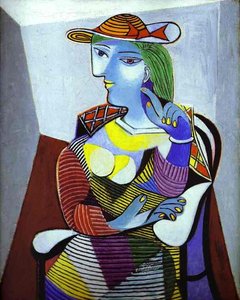
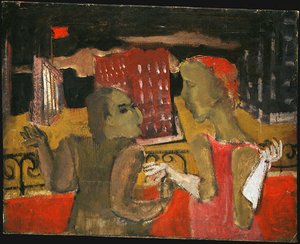
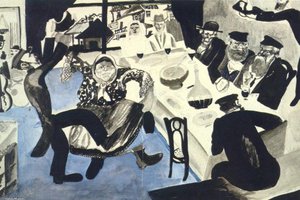
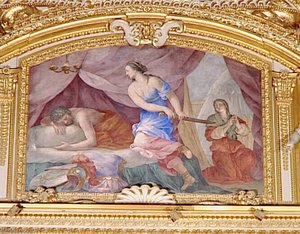
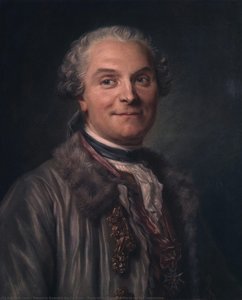
Artist Biography
A Life Forged in Expression and Resistance
Marie-Thérèse Auffray, born in the quiet Breton town of Saint-Jacques-de-la-Lande in 1912, was an artist whose life became inextricably linked with the tumultuous currents of the 20th century. More than simply a painter, she embodied a spirit of fierce independence and courageous conviction, navigating a path that defied conventional artistic norms while simultaneously contributing to France’s resistance against Nazi occupation during World War II. Auffray's story isn’t merely about brushstrokes and canvases; it is a testament to the power of art as an act of defiance, a vehicle for emotional truth, and a record of a nation grappling with profound moral complexities. From her early days in Paris to her later years spent between Normandy and her beloved studio, she remained steadfastly committed to artistic integrity, rejecting commercial pressures in favor of a deeply personal and expressive vision.The Parisian Crucible and the Seeds of Style
Auffray’s artistic journey began in the vibrant heart of Paris, specifically the 14th arrondissement, during the heady days of the Années folles. While formal documentation of her early training remains scarce—a reflection of her independent nature—it is clear she immersed herself in the city's thriving art scene, absorbing influences from various ateliers and artistic circles. Her style quickly coalesced around a powerful expressionist sensibility. She wasn’t interested in merely replicating the visible world; instead, Auffray sought to convey inner feelings, anxieties, and experiences through bold colors, distorted forms, and emotionally charged subject matter. This was not art intended for polite society or easy consumption. It was raw, visceral, and deeply personal. From the outset, she deliberately distanced herself from the mainstream art market, viewing its commercialism as a corruption of artistic purpose. This commitment to authenticity would define her career, leading her down a path less traveled but profoundly rewarding in its own right.Courage on the Front Lines: Art and the Resistance
The outbreak of World War II irrevocably altered Auffray’s life and work. She didn't stand idly by as France fell under Nazi occupation; instead, she bravely joined the French Resistance, risking her life to fight for liberation. While specific details of her involvement remain largely undocumented—a consequence of the clandestine nature of resistance activities—her commitment was unwavering. She relocated to Echauffour in Normandy, working alongside Noëlle Guillou, her partner in life, to supply Parisian resistance fighters with vital resources and aid Allied paratroopers. This period undoubtedly infused her art with a new sense of urgency and emotional depth. Her most poignant work from this era, La Vergüenza (Shame), created between 1942 and 1944, powerfully reflects the anxieties, moral ambiguities, and psychological toll of wartime existence. The painting is not simply a depiction of suffering; it’s an exploration of guilt, responsibility, and the enduring human spirit in the face of unimaginable adversity.Themes and Visions: A Diverse Oeuvre
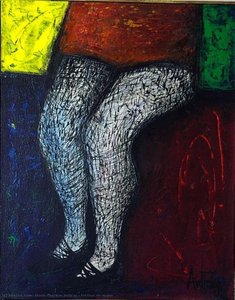
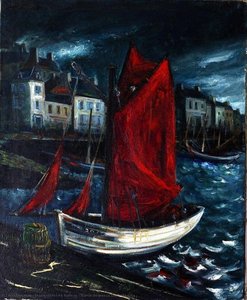
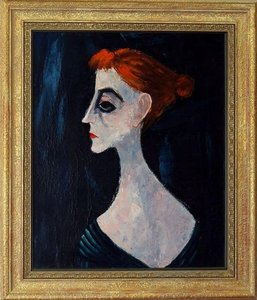
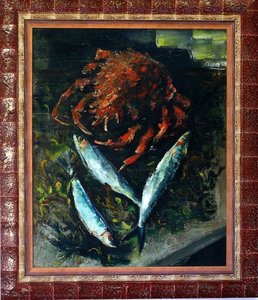
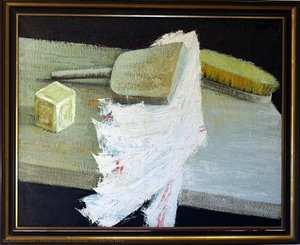
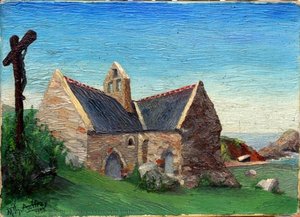
Auffray's artistic output was remarkably diverse, encompassing portraits, still lifes, landscapes, and depictions of everyday life. However, certain themes consistently recur throughout her oeuvre. Strong female figures often take center stage, reflecting a keen interest in identity, resilience, and the complexities of womanhood. She possessed an exceptional ability to capture not just physical likeness but also the inner lives and emotional states of her subjects. Her still lifes, such as Centolla (Spider Crab), are not merely arrangements of objects; they are imbued with a sense of vitality and symbolic meaning. Landscapes like Barca de pesca con vela roja (Fishing Boat with Red Sail) burst with energy and movement, evoking the raw power of nature. Other notable works include La mujer rosada de perfil (The Pink Woman in Profile), demonstrating her mastery of portraiture and color, and Piernas de mujer (Woman’s Legs), a compelling study in form and composition. Her later work, such as La capilla de San Marcos (The Chapel of San Marcos), showcases an Impressionistic sensibility with textured impasto that lends a timeless quality to the scene.A Legacy Rediscovered
For decades, Marie-Thérèse Auffray’s work remained largely outside the mainstream art world due to her deliberate rejection of commercial pressures and her independent spirit. However, in recent years, there has been a growing appreciation for her unique vision and courageous life story. Retrospectives held in Échauffour, Paris, Saint-Quay-Portrieux, and Alençon have brought her paintings to a wider audience, revealing the depth and power of her artistic expression. Her participation in the French Resistance adds another layer of significance to her legacy, solidifying her place not only as an artist but also as a heroine who risked everything for freedom. Auffray’s work serves as a potent reminder that art can be more than just aesthetic pleasure; it can be a powerful force for social change, a testament to the human spirit, and a lasting record of history itself. The inauguration of the Marie-Thérèse Auffray Park in Paris' 14th arrondissement stands as a fitting tribute to an artist who dared to live and create on her own terms.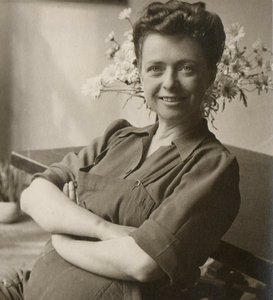
Marie-Thérèse Auffray
1912 - 1990 , France
Quick Facts
- Artistic Movement Or Style: Expressionism
- Date Of Birth: October 11, 1912
- Date Of Death: September 27, 1990
- Full Name: Marie-Thérèse Auffray
- Nationality: French
- Notable Artworks:
- La Vergüenza
- La mujer rosada de perfil
- Centolla
- Barca de pesca con vela roja
- Piernas de mujer
- La capilla de San Marcos
- Place Of Birth: Saint-Jacques-de-la-Lande, France
Related Articles
Roger de la Fresnaye: Cubism, Tradition & the Search for Order in Early 20th-Century French Painting
Explore the captivating world of Roger de la Fresnaye, a pivotal French Cubist painter. Discover his unique blend of tradition & modernity, influences, and lasting legacy with ArtsDot.
La Biennale's Masterpieces: 25 Artworks to Inspire Your Home | ArtsDot
Explore 25 iconic artworks from La Biennale di Venezia! Discover the stories behind masterpieces of Italian art, modernism & Renaissance paintings. Find museum-quality reproductions and elevate your home decor with ArtsDot.com. Explore the full collection online.
Simon Vouet: A Baroque Master's Journey from Italian Influence to French Classicism
Explore the life & art of Simon Vouet, a pivotal French Baroque painter who introduced Italian styles to France. Discover his masterpieces and lasting influence on 17th-century art.
Maurice Quentin de La Tour: Light, Shadow & the Rococo Portrait
Explore the captivating world of Maurice Quentin de La Tour, a master of Rococo portraiture. Discover his innovative pastel techniques, intimate depictions of French aristocracy, and lasting artistic legacy. Learn more at ArtsDot.
Jacob Henricus Maris: A Master of Dutch Atmospheric Realism & the Intimate Landscape
Explore the captivating world of Jacob Henricus Maris, a leading figure of the Dutch Hague School. Discover his atmospheric landscapes, signature brushstrokes & lasting influence on 19th-century art. Learn more at ArtsDot.