

 Preview
 Send
Send Share
Share
 Details

 Download
 Similars
 X-Ray
X-Ray Diaporama
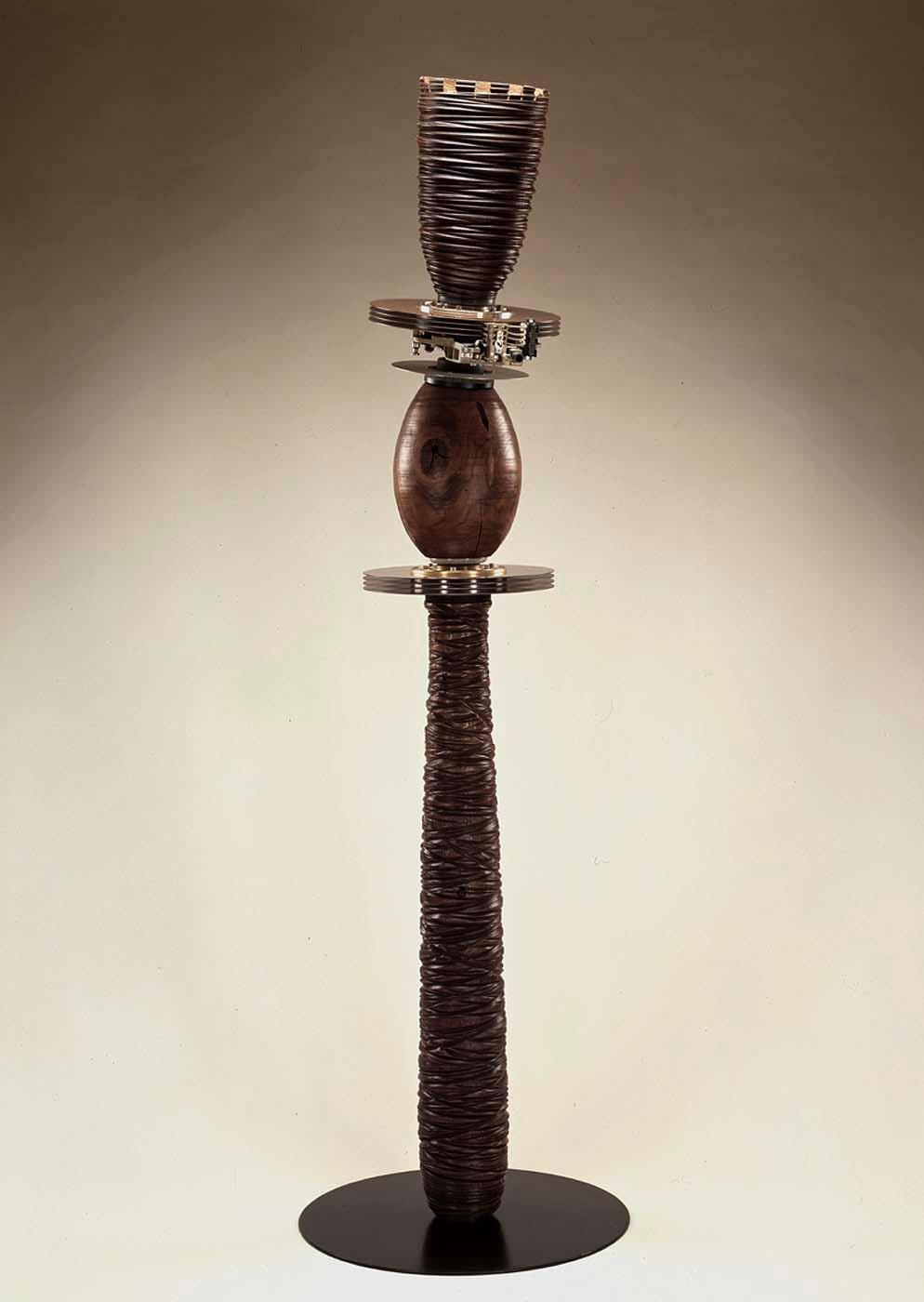
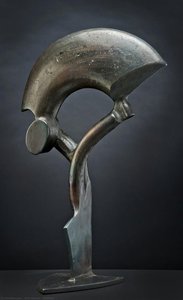
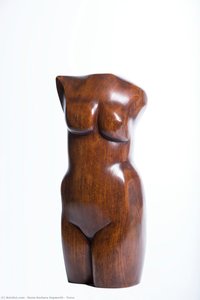
Silent Witness 6 Dh0 Taciturn, from the Post Totemic Series
 Contemporary Sculpture
 1995
1995 218.0 x 61.0 cm
 Read More
Purchase a high-resolution, enhanced digital image, far superior to the online preview.
Each file is meticulously prepared by our in-house specialists using advanced tools and expert manual retouching. We ensure every image has exceptional clarity, precise color accuracy, and fine detail.
The final file is delivered via email within 72 hours, optimized for immediate use in professional, editorial, and print environments. This is the same quality trusted by top-tier design studios, publishers, and galleries.
Digital Image
Download a high-resolution file for personal display, printing, and creative projects. ( Buy Print Buy Hand Made Painting)
Included in Every Digital Image Order
Expert Digital Delivery, Guaranteed
When you choose ArtsDot.com, you're not just getting an image - you're receiving a professionally enhanced digital artwork, crafted with precision and backed by a satisfaction guarantee. Here's everything that comes with your order, automatically:

Fast Email Delivery
Your high-resolution digital image file will be emailed to you within 72 hours of ordering - ready for immediate use.

AI-Enhanced Digital File
Your artwork is professionally optimized using advanced AI tools and manual editing, ensuring maximum detail, clarity, and color accuracy.

Free Lifetime Re-Delivery
Accidentally deleted or lost your file? No worries - we'll resend it to you anytime, free of charge.

No Import Fees - Ever
Enjoy your artwork instantly with zero customs, duties, or delivery fees - digital downloads are always tax-free.

Color Accuracy Guarantee
We ensure your digital image reflects the original colors as closely as possible using professional tools and color management.

60-Day Satisfaction Guarantee
If you're not satisfied with your digital image, we'll revise it or refund 100% within 60 days - no questions asked.

100% Money-Back Guarantee
Not satisfied? Get a full refund within 60 days of receiving your digital file - no questions asked.

Bulk Order Discounts
Buy 3 images, save 10% - Buy 5, save 15% - Buy 10+, save 20%. Great for creative projects, galleries, and agencies.
Related Artworks

Artist Biography
Early Life and Influences – A Pittsburgh Boy’s Artistic Awakening
Paul Jackson Pollock, born on January 28, 1912, in Cody, Wyoming, was the youngest of five children within a family rooted in Iowa. His parents, LeRoy and Stella May Pollock, were of Irish and Scots-Irish descent, hailing from Tingley, Iowa, where they had established themselves as farmers. This rural upbringing, steeped in the values of hard work and community, would subtly shape his later artistic explorations. Early exposure to art was fostered by his family’s appreciation for music and theater, alongside visits to museums – experiences that ignited a nascent curiosity within him. He attended McKinley High School in Des Moines before enrolling at the Art Institute of Chicago in 1937, where he studied painting under Thomas Hart Benton, a prominent figure in the Regionalist movement. Benton’s emphasis on American themes and social commentary proved influential, though Pollock quickly moved beyond the confines of Regionalism to forge his own distinctive path. The artistic landscape of post-war Chicago, with its burgeoning avant-garde scene, provided fertile ground for experimentation and challenged traditional notions of art.- Key Influences: Thomas Hart Benton (Regionalism), the vibrant energy of Chicago’s art scene, early exposure to music and theater.
The Rise of Drip Painting – A Revolutionary Technique
Pollock's artistic journey took a dramatic turn in the late 1940s as he began developing his signature technique: “drip painting.” Initially experimenting with household paints, he abandoned traditional brushes and palettes, opting instead to fling, drip, and pour paint directly onto canvases laid flat on the floor. This process, often conducted while dancing around the canvas, became known as "action painting." His work during this period, such as *Number 17A* (1948) and *No. 5, 1948* (1950), demonstrated a radical departure from established artistic conventions. Critics were initially skeptical, dismissing his method as chaotic and random. However, Pollock’s relentless pursuit of capturing the essence of movement and emotion through this unconventional approach gradually gained recognition. The technique allowed him to create works that seemed to pulsate with energy, reflecting the dynamism of his inner world. Betty Parsons, a key figure in the New York art scene, championed his work early on, providing crucial support and exposure during a period when Pollock struggled for acceptance.- Key Technique: “Drip painting” – applying paint directly to canvas using various methods including pouring, dripping, and flinging.
- Significant Works: *Number 17A* (1948), *No. 5, 1948* (1950).
Abstract Expressionism and the New York School
Pollock’s work became inextricably linked with the broader movement of Abstract Expressionism, a term coined in 1946 to describe a new generation of American artists who sought to express profound emotions through non-representational forms. He was a central figure within this group, alongside Jackson Pollock and Mark Rothko. His paintings were exhibited at the “New York School” show in 1952, solidifying his position as a leading voice in the movement. The intensity of his work—characterized by bold colors, dynamic compositions, and an emphasis on process— resonated with a post-war world grappling with anxieties and uncertainties. Pollock’s studio became a legendary space, attracting artists, critics, and intellectuals alike, fostering a vibrant atmosphere of experimentation and collaboration. He embraced the idea of “all-over painting,” covering the entire canvas without a focal point, reflecting a belief that all areas of the work were equally important.- Movement: Abstract Expressionism
- Key Characteristics: Emphasis on emotion, non-representational forms, dynamic compositions.
Later Years and Legacy – A Tragic End to a Revolutionary Career
Despite his growing recognition, Pollock struggled with alcoholism throughout much of his life. In 1945, he married Lee Krasner, an artist who became both his wife and a vital collaborator and critic. Her unwavering support played a crucial role in his artistic development and helped him navigate the challenges of the art world. Tragically, Pollock died on August 11, 1956, in a car accident while driving under the influence. His death at age 44 marked a profound loss for the art community. However, shortly after his demise, a retrospective exhibition at the Museum of Modern Art (MoMA) in New York City showcased the breadth and depth of his work, solidifying his place as one of the most important artists of the 20th century. His influence continues to be felt today, inspiring generations of artists with his innovative techniques and fearless exploration of abstraction. His legacy is not just defined by his groundbreaking methods but also by his willingness to challenge conventional artistic boundaries and embrace a truly personal approach to creation.- Significant Events: Marriage to Lee Krasner, car accident in 1956, retrospective exhibition at MoMA (1956).
- Lasting Impact: Pioneering drip painting technique, influence on subsequent generations of artists.

mark lindquist
1949 - , United States of America
Quick Facts
- Artistic Movement Or Style: Abstract expressionism
- Artists Or Movements Influenced By This Artist: ['Joan Mitchell']
- Artists Who Influenced This Artist:
- Jean-Michel Basquiat
- Keith Haring
- Date Of Birth: January 28, 1912
- Date Of Death: August 11, 1956
- Full Name: Paul Jackson Pollock
- Nationality: American
- Notable Artworks:
- Number 17A
- No. 5, 1948
- Mural on Indian Red Ground
- Autumn Rhythm (Number 30)
- Convergence (Pollock)
- *Blue Poles*
- The Deep (painting)
- Place Of Birth: Cody, Wyoming, USA

