 Preview
 Send
Send Share
Share
 Details

 Download
 Similars
 X-Ray
X-Ray Diaporama
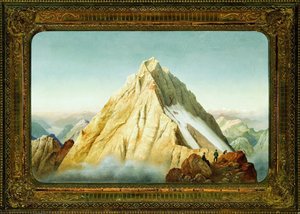
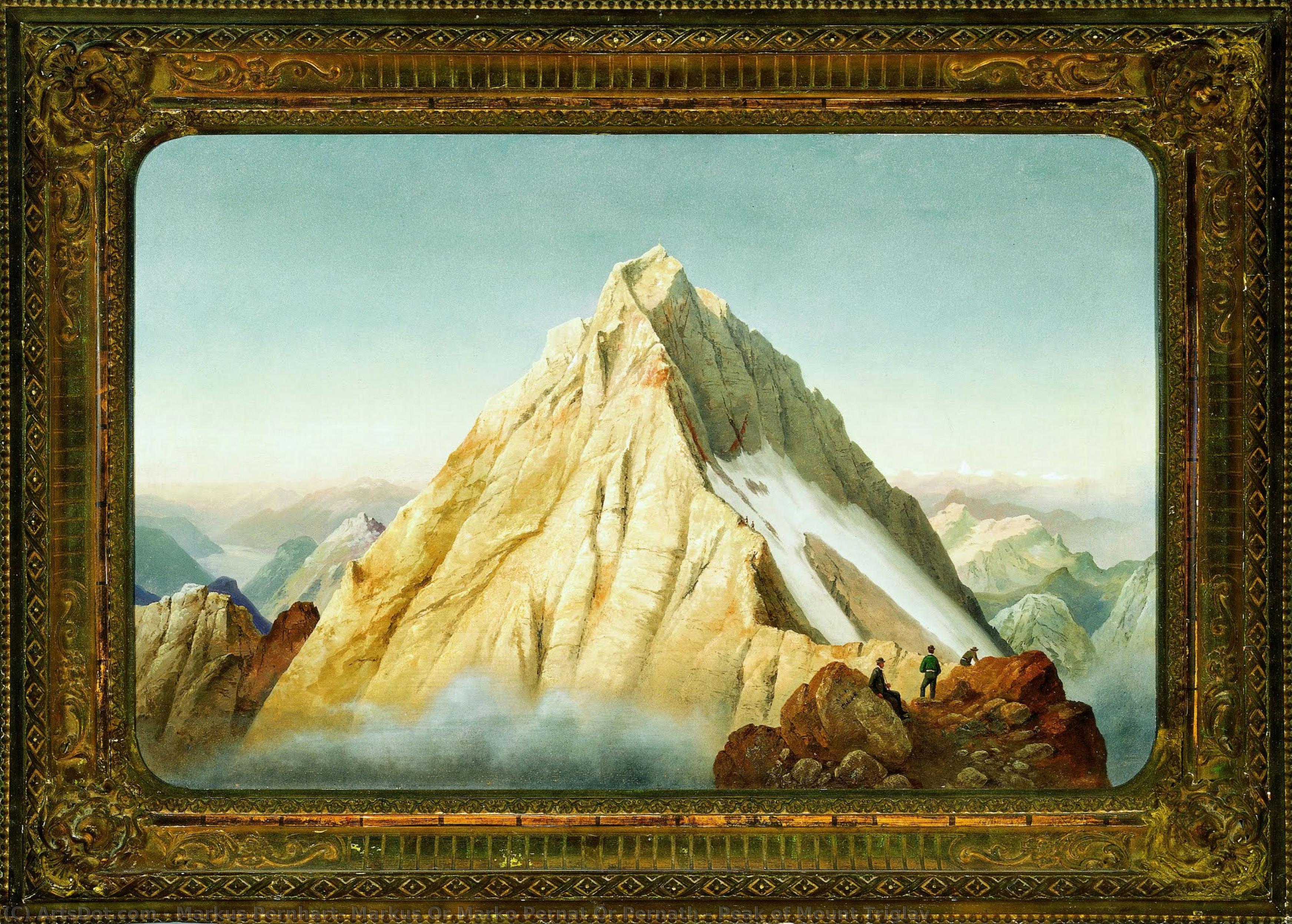
Peak of Mount Triglav
 Oil On Canvas
- WallArt
- Alpine Landscape Impressionism
 1849
1849- 19th Century
 60.0 x 90.0 cm
 National Museum of Slovenia
 Read More
Giclée / Art Print
Museum-quality giclée or canvas print with fast production and flexible finish options. ( Buy Hand Made Painting Buy Image)




P118B $10

P118H $10

P118W $10

P438Z $10

P508JH $12

P508YH $12

P805H $10

P805Z $10

P919BZ $10

P919G $10

P919XJ $10

P959ZH $10

P968JZ $12

W106C $8

W218G $10

W218JH $8

W218Y $10

W307PJ $10

W316G $10

W316PJ $8

W316Y $10

W398PJ $8

W4111J $10

W500HY $15

W500JH $15

W692G $12

W849H $8

W940BG $15

W953PJ $8




Pick from our preset sizes that match the artwork's original proportions.

You may enter your own dimensions to fit a specific frame or space. If your selected size does not match the original image's proportions, we will either crop the artwork or extend the image with a mirrored or solid-fill edge. A digital mockup will be sent for your approval before production begins.
Please note that the on-screen preview does not reflect the actual cropping or extension. Only the mockup will accurately show the final composition.
While custom sizes are available, we recommend selecting a dimension from the predefined list to preserve the original proportions.
Worldwide Delivery () in 2 weeks instead of standard 4/5 weeks. (24 August)

Free Worldwide Express Shipping

High-Quality Linen Canvas

Full Shipping Insurance

Customs Tax Refund Guarantee

True Color Matching Guarantee

60-Day Return Policy (Defects Only)

100% Money-Back Guarantee

Bulk Discount Offer
 Glass option is only available in size under 110 CM

Peak of Mount Triglav
Giclée / Art Print
Reproduction Size
-


Total Price
$ 63
Collectible Description
A Majestic Ascent: The Soul of the Julian Alps
In the heart of the Slovenian Alps, where the earth reaches upward to touch the heavens, lies the breathtaking subject of Markus Pernhart’s 1849 masterpiece, Peak of Mount Triglav. This painting is far more than a mere topographical record; it is a profound encounter with the sublime. The composition is dominated by the formidable, snow-dusted summit of Triglav, which rises with an almost architectural authority above the surrounding peaks. Pernhart, an avid mountaineer himself, captures the rugged textures of the rock and the pristine brilliance of the glaciers with a clarity that borders on the cartographic. The interplay between the stark, white snow and the deep, crystalline blue of the alpine sky creates a visual tension that is both refreshing and awe-inspiring, inviting the viewer to breathe in the thin, cold air of the high altitudes.
What elevates this work from a landscape study to a narrative triumph is Pernhart’s delicate placement of human presence within the vastness of nature. Scattered across the saddle between Mali and Veliki Triglav, tiny figures of mountaineers can be seen navigating the treacherous terrain. These small, intrepid souls serve as a vital scale reference, emphasizing the gargantuan proportions of the Julian Alps. Their presence introduces a sense of adventure and human connection to the wilderness, suggesting a shared moment of awe between the observer and the observed. For the collector, these details offer a window into the nineteenth-century spirit of exploration, where every ascent was a triumph of will over the elements.
Technique and the Dawn of Alpine Realism
As a pioneer of what would later be recognized as alpine landscape impressionism, Pernhart employs a technique that balances meticulous detail with atmospheric sensitivity. Having sketched directly from life during his climbs, he brought an unparalleled authenticity to his studio compositions. In Peak of Mount Triglav, one can observe the artist's ability to translate the tactile reality of stone and ice onto canvas. The brushwork, while precise enough to identify individual geological features, possesses a luminous quality that captures the shifting light of the mountains. This mastery of light and shadow allows the painting to breathe, creating a sense of depth that draws the eye upward through the layers of the mountain range.
The historical significance of this piece is deeply intertwined with the burgeoning sense of national identity in the region. Triglav is not merely a mountain; it is a symbol of Slovenian resilience and pride, a feature so enduring that it remains enshrined on the national coat-of-arms. Through his faithful portrayal of this landscape, Pernhart was participating in an early movement of patriotic expression, celebrating the unspoilt beauty of his homeland. For interior designers and art enthusiasts, owning a reproduction of such a work means bringing a piece of history into a contemporary space—a fragment of a time when the mountains were being rediscovered and romanticized by the human spirit.
An Inspiration for Modern Interiors
For those seeking to curate an environment of tranquility and grandeur, Peak of Mount Triglav offers unparalleled inspiration. The painting’s cool color palette—dominated by whites, blues, and earthy greys—makes it a versatile centerpiece for sophisticated interior design. It functions beautifully in minimalist settings where its natural textures can stand out, or within more classical, traditional rooms where it serves as a window into a romanticized past. The sheer scale of the mountain subject provides a sense of verticality and openness, making it an ideal choice for creating a focal point in large living spaces or contemplative study areas.
Investing in a high-quality hand-painted reproduction of this work allows one to capture the emotional resonance of Pernhart’s vision. It is a piece that invites long periods of contemplation, rewarding the viewer with new details upon every glance—from the distant climbers to the subtle shifts in the glacial shadows. Whether as a tribute to the spirit of mountaineering or as an elegant addition to a curated art collection, this painting remains a timeless testament to the enduring majesty of the natural world.
Related Artworks


Artist Biography
The Dawn of Alpine Impressionism: The Life of Markus Pernhart
Markus Pernhart, known variously in historical records as Marko Perhnart or Pernath, was far more than a mere chronicler of the mountains; he was a visionary who captured the very soul of the Austrian and Slovenian landscapes. Born on July 6, 1824, in the quiet village of Untermieger, Pernhart’s journey began not in an elite studio, but amidst the humble surroundings of his father’s carpentry workshop. This early exposure to the textures of wood and the raw elements of nature likely planted the seeds for his later mastery of organic forms. As a young boy in Tainach, he displayed an precocious talent, even decorating beehive front boards with painted designs—a charming testament to a spirit that sought to find beauty in the most utilitarian corners of rural life. His early years were marked by a relentless drive to observe, eventually leading him to offer his nascent works at the Klagenfurt weekly market, where the local community first began to recognize the profound depth within his brushstrokes.A Journey Through Light and Influence
The evolution of Pernhart’s style was deeply intertwined with the vibrant artistic currents flowing through the Viennese art scene. Under the mentorship of influential figures such as Franz Steinfeld, a prominent instructor at the Klagenfurt Academy of Fine Arts, Pernhart learned to look beyond simple representation. Steinfeld introduced him to the transformative power of light and atmosphere, teaching him that a landscape is not merely a collection of trees and rocks, but a fleeting moment of luminosity captured in time. This period of intense study allowed Pernhart to bridge the gap between traditional realism and a burgeoning impressionistic sensibility. His connection to Archbishop Franz Xaver Luschin provided him with much-needed patronage, granting him access to the sophisticated artistic circles of Vienna. It was here that his work began to breathe with a new vitality, as he moved away from rigid outlines toward a more fluid, emotive depiction of the natural world, characterized by the soft interplay of shadow and sun across the Alpine peaks.The Legacy of the Carinthian Master
Pernhart’s true triumph lay in his ability to document the breathtaking vistas of Carinthia with an intimacy that felt both monumental and deeply personal. He is widely celebrated as a pioneer of alpine landscape impressionism and holds a distinguished place in history as the first Slovenian realistic landscape painter. His oeuvre serves as a vital visual record of a bygone era, featuring iconic scenes such as the majestic Peak of Mount Triglav, the serene waters of Maria Wörth, and the tranquil beauty of Traunsee. Through his work, the rugged majesty of the Slovenian Alps and the charming churches and lakes of Carinthia were elevated to the realm of high art. Though his life was tragically short, ending in Klagenfurt in 1871 at the age of forty-six, his impact remains indelible. He left behind a legacy that redefined how the Alpine spirit could be translated onto canvas, inspiring generations of artists to seek the sublime within the shifting mists and sun-drenched meadows of their homeland.- Early Life: Born in Untermieger, 1824; raised in a carpentry family.
- Artistic Style: A pioneer of realistic landscape painting and Alpine Impressionism.
- Key Themes: The interplay of light, atmosphere, and the rugged beauty of the Alps.
- Historical Significance: Recognized as a foundational figure in Slovenian landscape art.
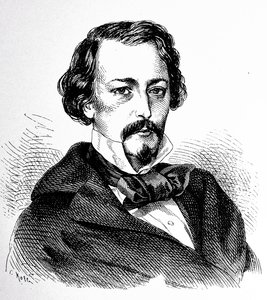
markus pernhart, markus or marko pernat or pernath
1824 - 1871 , Austria
Quick Facts
- Artistic Movement Or Style: Romantic Landscape Impressionism
- Artists Or Movements Influenced By This Artist: ['Romantic Landscapes']
- Artists Who Influenced This Artist: ['Franz Steinfeld']
- Date Of Birth: July 28, 1824
- Full Name: Markus Pernhart
- Nationality: Austrian
- Notable Artworks:
- Peak of Mount Triglav
- Bleed
- Place Of Birth: Ebenthal in Kärnten, Austria
Related Articles
Snowy Masterpieces: 10 Famous Paintings & Art for a Winter Aesthetic
Explore 10 famous snow paintings by Monet, Degas & more! Discover the stories behind these serene winter landscapes and iconic artworks. Find museum-quality art reproductions for your home at ArtsDot.com.
Giovanni Segantini: Capturing Alpine Light & Symbolist Visions
Explore the captivating world of Giovanni Segantini, master of Alpine landscapes & Symbolist art. Discover his innovative techniques, allegorical masterpieces like 'La Vita,' and enduring legacy. Learn about this pivotal 19th-century Italian painter.
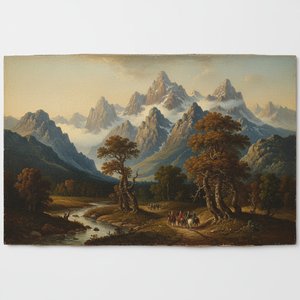
Majestic Peaks on Canvas: A Historical & Artistic Exploration of Mountains in Fine Art
Explore the history of mountain painting! Discover Romantic masterpieces & key artists like Dahl & Calame. Learn about the Sublime & Picturesque aesthetics and find your perfect artwork at ArtsDot.

Hokusai's Masterpieces: 25 Iconic Prints & Paintings for Art Lovers | ArtsDot
Journey through Katsushika Hokusai’s 25 most iconic artworks, including *The Great Wave*. Explore the ukiyo-e master's history, style & timeless Japanese woodblock prints. Find museum-quality reproductions for your home at ArtsDot.com.
ArtsDot.com F.A.Q.: Elevating Your Art Investment – Framing & Mounting for Discerning Collectors
Elevate your art investment with ArtsDot.com's expert framing & mounting guide. Discover museum-quality options, custom solutions, and preservation techniques for discerning collectors. Protect & showcase your masterpieces.