 Preview
 Send
Send Share
Share
 Details

 Download
 Similars
 X-Ray
X-Ray Diaporama
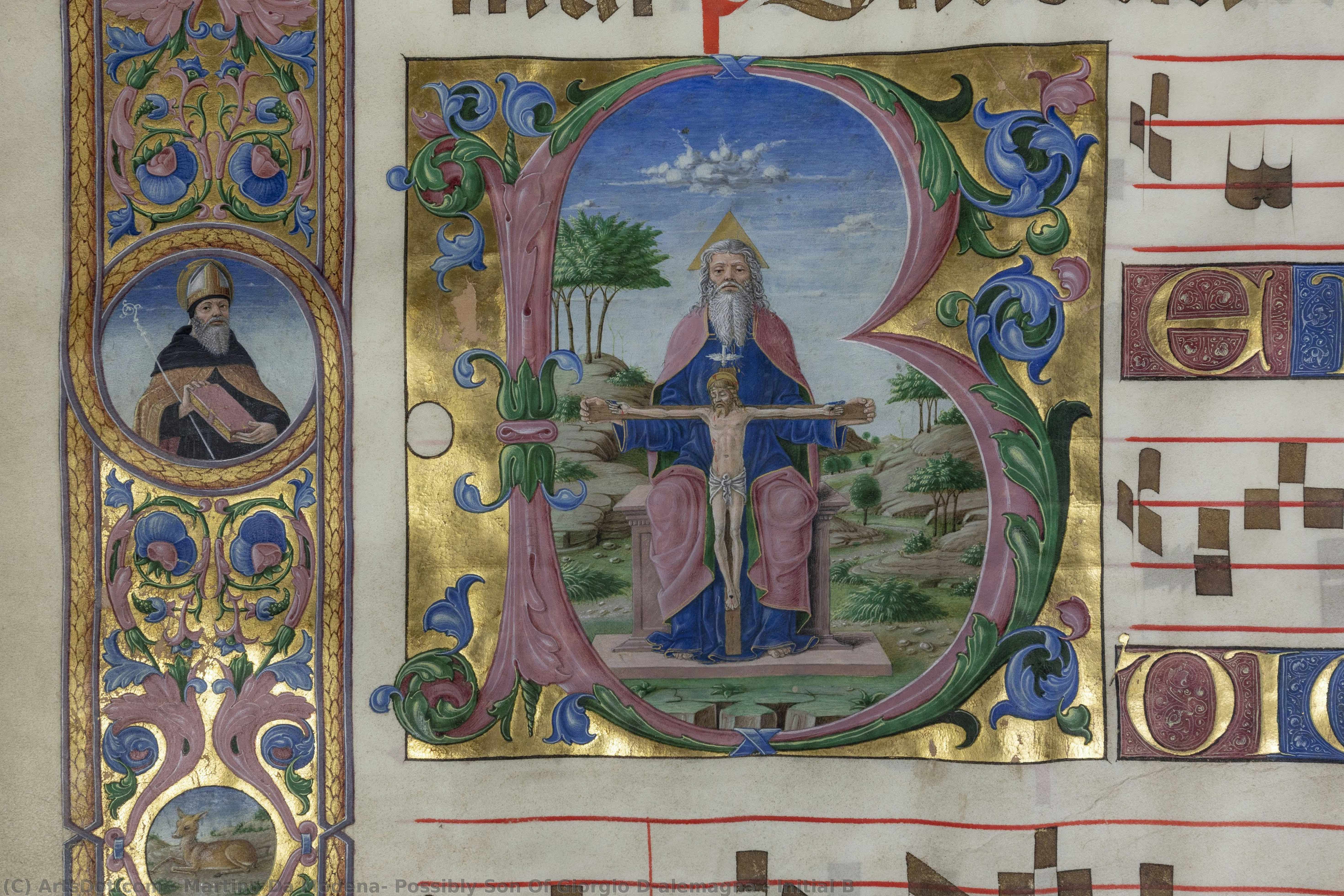
Initial B
 79.0 x 55.0 cm
 Cathedral Museum of Ferrara
 Read More
Hand Made Oil Reproduction
Hand-painted oil on canvas in your size and frame, made to order by our artists. ( Buy Print Buy Image)




































Pick from our preset sizes that match the artwork's original proportions.

You may enter your own dimensions to fit a specific frame or space. If your selected size does not match the original image's proportions, we will either crop the artwork or extend the painting with additional hand-painted elements. A digital mockup will be sent for your approval before production begins.
Please note that the on-screen preview does not reflect the actual cropping or extension. Only the mockup will accurately show the final composition.
While custom sizes are available, we recommend selecting a dimension from the predefined list to preserve the original proportions.
After order, ArtsDot.com team will email client for instructions and provide a mockup preview
Worldwide Delivery () in 3/4 weeks instead of standard 5 weeks. (20 August). No compromise on quality.

Free Worldwide Express Shipping

High-Quality Linen Canvas

Full Shipping Insurance

Customs Tax Refund Guarantee

True Color Matching Guarantee

60-Day Return Policy (Defects Only)

100% Money-Back Guarantee

Bulk Discount Offer
 Glass option is only available in size under 110 CM

Initial B
Reproduction Medium
Reproduction Size
-


Total Price
$ 263
Related Artworks
Artist Biography
Martino da Modena: A Florentine Echo in Emilia
Martino da Modena (c. 1489) stands as a captivating figure within the vibrant tapestry of Renaissance illumination, primarily active in Modena, Bologna, and Ferrara between 1470 and 1489. While definitive biographical details remain elusive – largely due to fragmentary archival records – scholarly consensus suggests he was likely the son of Giorgio d’Ale magna, a German artist who established himself in Modena and Ferrara, marking him as part of a broader artistic lineage rooted in Northern Europe. This familial connection hints at influences from Germanic artistic traditions that would undoubtedly permeate Martino's oeuvre. Early evidence indicates Martino’s formative years were spent in Venice around 1470. Exposure to the groundbreaking artistry of Andrea Mantegna – whose monumental frescoes at Santa Maria della Consolazione profoundly impacted Venetian painters – undeniably shaped Martino’s stylistic sensibilities. Accounts describe his participation in the lavish decoration of several manuscripts destined for wealthy Venetian patrons, demonstrating a keen understanding of visual storytelling and meticulous craftsmanship. These commissions served as crucial stepping stones toward honing his skills and immersing himself in the intellectual currents of the Renaissance. Upon returning to Emilia-Romagna, Martino’s collaboration with his father on two psalters belonging to a set of liturgical books commissioned by the Modena Cathedral exemplifies this artistic partnership. Between 1473 and 1476, they undertook this ambitious project, showcasing their combined expertise in pigment preparation, gilding techniques, and intricate miniature painting—skills honed during Mantegna’s Venetian period. The resulting psalters are remarkable for their vibrant colors and detailed depictions of biblical scenes, reflecting the prevailing artistic standards of the time. However, Martino's most enduring legacy resides in his monumental undertaking: the decoration of seven large liturgical books for the Basilica di San Petronio in Bologna. Left unfinished by Taddeo Crivelli in 1476, this project presented Martino with a considerable challenge—a chance to revitalize an abandoned artistic endeavor and elevate Bolognese art to new heights. His contribution is particularly noteworthy for its innovative use of perspective and its masterful rendering of architectural spaces, mirroring the stylistic innovations championed by Mantegna and foreshadowing developments in later Renaissance painting. Beyond ecclesiastical commissions, Martino’s patronage extended to works commissioned by Hercules I d'Este and his son Hippolyte I d'Este—illustrious rulers who fostered artistic creativity within Ferrara. These projects allowed Martino to explore diverse visual vocabularies and demonstrate versatility as an illuminator. Finally, Martino’s presence in the archives during a trial in Ferrara in October 1489 suggests he was actively engaged in legal affairs alongside his artistic pursuits. Sadly, Martino da Modena perished shortly thereafter, leaving behind a remarkable body of work that continues to inspire admiration for its beauty and technical brilliance—a testament to the enduring influence of Florentine artistic ideals within Emilia’s Renaissance landscape.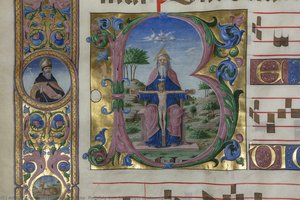
Quick Facts
- Artistic Movement Or Style: Renaissance Art
- Artists Or Movements Influenced By This Artist: ['Venetian Painting']
- Artists Who Influenced This Artist: ['Andrea Mantegna']
- Date Of Death: 1489
- Full Name: Martino da Modena, possibly son of Giorgio d'Ale magna
- Nationality: Italian
- Notable Artworks:
- Initial P
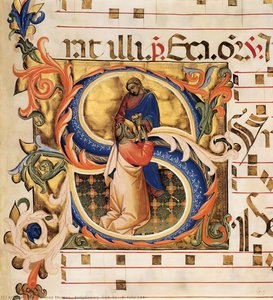
- Initial S
- Place Of Birth: Modena, Italy