 Preview
 Send
Send Share
Share
 Details

 Download
 Similars
 X-Ray
X-Ray Diaporama
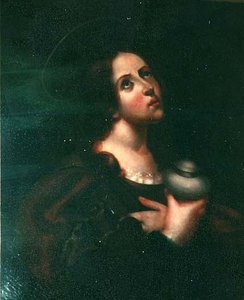
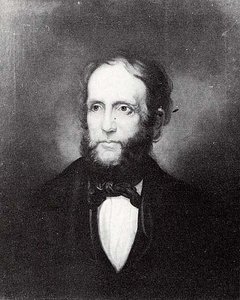
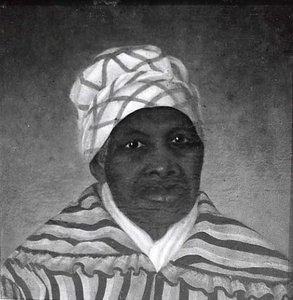
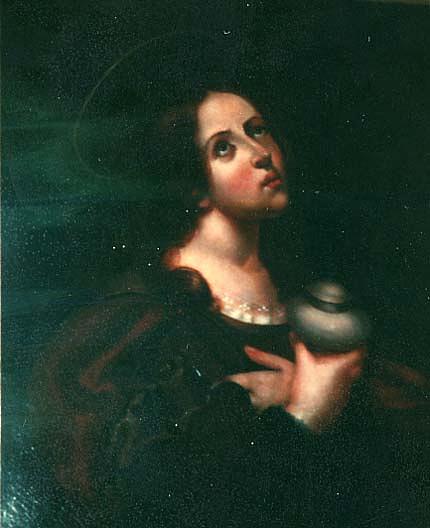
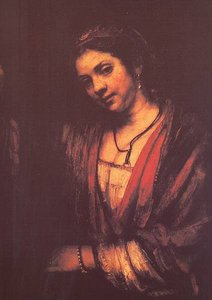
Mary Magdalene, (painting)

 Read More
Hand Made Oil Reproduction
Hand-painted oil on canvas in your size and frame, made to order by our artists. ( Buy Print Buy Image)




P118B $10

P118H $10

P118W $10

P438Z $10

P508JH $12

P508YH $12

P805H $10

P805Z $10

P919BZ $10

P919G $10

P919XJ $10

P959ZH $10

P968JZ $12

W106C $8

W218G $10

W218JH $8

W218Y $10

W307PJ $10

W316G $10

W316PJ $8

W316Y $10

W398PJ $8

W4111J $10

W500HY $15

W500JH $15

W692G $12

W849H $8

W940BG $15

W953PJ $8




Pick from our preset sizes that match the artwork's original proportions.

You may enter your own dimensions to fit a specific frame or space. If your selected size does not match the original image's proportions, we will either crop the artwork or extend the painting with additional hand-painted elements. A digital mockup will be sent for your approval before production begins.
Please note that the on-screen preview does not reflect the actual cropping or extension. Only the mockup will accurately show the final composition.
While custom sizes are available, we recommend selecting a dimension from the predefined list to preserve the original proportions.
After order, ArtsDot.com team will email client for instructions and provide a mockup preview
Worldwide Delivery () in 3/4 weeks instead of standard 5 weeks. (25 August). No compromise on quality.

Free Worldwide Express Shipping

High-Quality Linen Canvas

Full Shipping Insurance

Customs Tax Refund Guarantee

True Color Matching Guarantee

60-Day Return Policy (Defects Only)

100% Money-Back Guarantee

Bulk Discount Offer
 Glass option is only available in size under 110 CM

Mary Magdalene, (painting)
Reproduction Medium
Reproduction Size
-


Total Price
$ 263
Related Artworks
Artist Biography
The Last Light of a Legacy
Mary Jane Peale (February 16, 1827 – November 22, 1902) stands as the final, luminous vestige of a remarkable artistic lineage—the Peale family—a dynasty that profoundly shaped the trajectory of American art history during the Romantic and Victorian eras. Born into the prestigious orbit of Charles Willson Peale, America’s first museum founder and perhaps its most influential pioneer, Mary Jane inherited far more than mere familial renown. She carried a profound dedication to capturing the delicate interplay between human portraiture and the intricate beauty of the natural world. Her life was inextricably intertwined with the artistic endeavors of her father, Rubens Peale, and her uncle, Rembrandt, cementing her place as a pivotal figure in preserving the Peale family’s enduring legacy—a tradition that championed scientific observation alongside expressive artistic mastery.
Her upbringing was an immersion into the very essence of creativity. From her earliest years, Mary Jane's talent was nurtured through meticulous instruction, guided by the hands of masters. Her father recognized her innate sensitivity to light and form, providing her with a foundation in painting techniques that would later define her professional career. This education was further enriched by the mentorship of her uncle, Rembrandt Peale, who imparted invaluable knowledge regarding composition, color theory, and the disciplined art of observation. Seeking to refine her craft within the formal academic traditions of her time, she studied at the Pennsylvania Academy of Fine Arts between 1856 and 1858, honing her skills under the tutelage of notable figures such as Thomas Eakins. This rigorous training allowed her to bridge the gap between the inherited traditions of her family and the evolving artistic currents of the mid-19 century.
A Vision of Elegance and Nature
The artistry of Mary Jane Peale was a mirror held up to the prevailing aesthetic sensibilities of the Victorian period. Her work is characterized by a refined elegance, a preoccupation with meticulous detail, and an evocative ability to capture fleeting moments of grace. While she was deeply rooted in the portraiture traditions of her ancestors, she brought a unique, delicate touch to her subjects. She became particularly renowned for her miniature paintings—intimate, small-scale works that demanded extraordinary precision and offered a sense of personal connection to the sitter. These miniatures often possessed a romanticized quality, utilizing subtle textures and soft palettes to evoke a sense of dignified beauty.
Beyond the human face, Peale found profound inspiration in the botanical world. Her still lifes, frequently featuring exquisitely rendered flowers, served as a testament to her ability to blend scientific accuracy with poetic expression. In these works, one can observe the influence of the Peale family's naturalist roots; every petal and stem was treated with a reverence for detail that spoke to both the artist's eye and her scientific heritage. Her repertoire included:
- Portrait Miniatures: Intimate, highly detailed likenesses that captured the character and social standing of her subjects.
- Botanical Still Lifes: Delicate studies of flora that celebrated the ephemeral beauty of nature.
- Family Likenesses: Works that honored her lineage, including poignant portraits of her father and other family members.
Historical Significance and Enduring Presence
As one of the last members of the Peale dynasty to practice painting professionally, Mary Jane Peale occupied a unique position in American art history. She acted as a bridge between the foundational era of American colonial art and the more modern, academic movements of the late 19th century. Her ability to maintain the high standards of her family's tradition while adapting to the changing tastes of the Victorian era ensured that the Peale name remained synonymous with artistic excellence well into the turn of the century.
Today, the legacy of Mary Jane Peale is preserved within some of the most prestigious institutions in the United States. Her works serve as vital historical documents, offering glimpses into the social fabric and aesthetic values of 19th-century America. Collectors and historians alike look to her paintings to understand the evolution of American portraiture and the enduring influence of a family that viewed art not merely as decoration, but as a profound way of documenting the world.
Her contributions can be found in notable collections such as:
- The Smithsonian American Art Museum: Housing significant examples of her portraiture and miniatures.
- The Sheldon Museum of Art: Showcasing her mastery of form and color.
- The Westmoreland Museum of American Art: Preserving her place within the broader narrative of American artistic achievement.
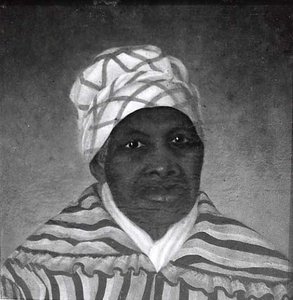
mary jane peale
1827 - 1902
Quick Facts
- Artistic Movement Or Style: Neoclassicism
- Artists Or Movements Influenced By This Artist: ['Gilbert Stuart']
- Artists Who Influenced This Artist:
- Charles Willson Peale
- Rembrandt Peale
- Date Of Birth: February 16, 1827
- Date Of Death: November 22, 1902
- Full Name: Mary Jane Peale
- Nationality: American
- Notable Artworks: ['Portrait of Mary Jane Peale']
- Place Of Birth: New York City, New York
Related Articles

The Enduring Legacy of Oil on Canvas: Technique, History & Aesthetic Impact
Explore the rich history & techniques of oil painting – from Renaissance masters to Impressionism. Discover pigments, layering methods, and why this timeless medium endures. Expert insights for artists & art enthusiasts.

Oil on Canvas: A Historical & Technical Exploration of a Timeless Artistic Medium
Explore the rich history & enduring techniques of oil painting on canvas. Discover the science behind its longevity, conservation practices, and contemporary relevance. Expert insights for art enthusiasts.

The Enduring Legacy of Oil on Canvas: Technique, History & Contemporary Practice
Explore the rich history & enduring techniques of oil painting on canvas. Discover the science behind its longevity, conservation practices, and contemporary relevance. Expert insights for art enthusiasts.
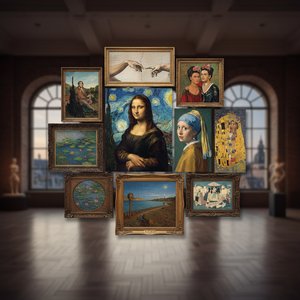
Oil on Canvas Masters: 10 Paintings That Redefined Art History |
Journey through art history with our guide to 10 legendary oil on canvas masterpieces! Explore iconic works by Van Gogh, Monet & Rembrandt. Find museum-quality reproductions and elevate your home decor at . Discover all masterpieces online.

The Enduring Power of Painting: A Historical & Contemporary Exploration of Form and Emotion
Explore the rich history & enduring techniques of oil painting with ArtsDot. Discover masterpieces, learn about art collecting, and find authentic handmade reproductions crafted by skilled artists.