 Preview
 Send
Send Share
Share
 Details

 Download
 Similars
 X-Ray
X-Ray Diaporama
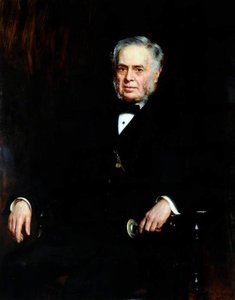
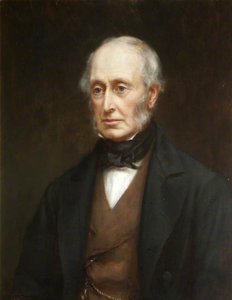
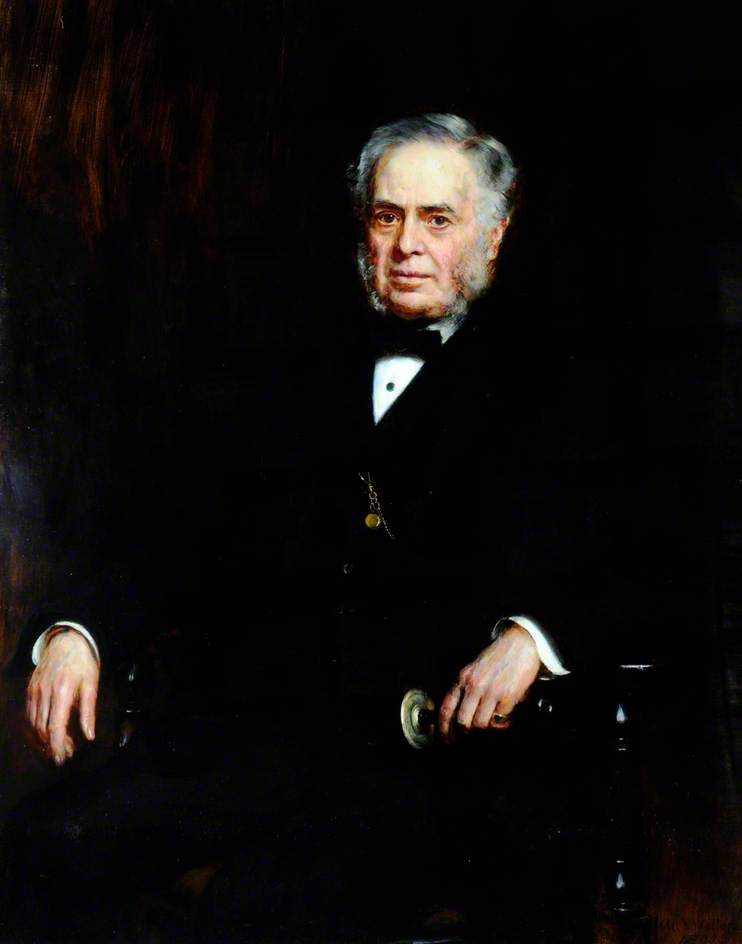
Mariano Martin de Bartolomé (c.1810–1890), Physician at Sheffield Infirmary (1846–1889), First President of the Sheffield Medico Chirurgical Society (1869)
 Oil On Canvas
- WallArt
- Realism
 1890
1890- 19th Century
 127.0 x 102.0 cm
 Royal Hallamshire Hospital
 Read More
Hand Made Oil Reproduction
Hand-painted oil on canvas in your size and frame, made to order by our artists. ( Buy Print Buy Image)




P118B $10

P118H $10

P118W $10

P438Z $10

P508JH $12

P508YH $12

P805H $10

P805Z $10

P919BZ $10

P919G $10

P919XJ $10

P959ZH $10

P968JZ $12

W106C $8

W218G $10

W218JH $8

W218Y $10

W307PJ $10

W316G $10

W316PJ $8

W316Y $10

W398PJ $8

W4111J $10

W500HY $15

W500JH $15

W692G $12

W849H $8

W940BG $15

W953PJ $8




Pick from our preset sizes that match the artwork's original proportions.

You may enter your own dimensions to fit a specific frame or space. If your selected size does not match the original image's proportions, we will either crop the artwork or extend the painting with additional hand-painted elements. A digital mockup will be sent for your approval before production begins.
Please note that the on-screen preview does not reflect the actual cropping or extension. Only the mockup will accurately show the final composition.
While custom sizes are available, we recommend selecting a dimension from the predefined list to preserve the original proportions.
After order, ArtsDot.com team will email client for instructions and provide a mockup preview
Worldwide Delivery () in 3/4 weeks instead of standard 5 weeks. (27 August). No compromise on quality.

Free Worldwide Express Shipping

High-Quality Linen Canvas

Full Shipping Insurance

Customs Tax Refund Guarantee

True Color Matching Guarantee

60-Day Return Policy (Defects Only)

100% Money-Back Guarantee

Bulk Discount Offer
 Glass option is only available in size under 110 CM

Mariano Martin de Bartolomé (c.1810–1890), Physician at Sheffield Infirmary (1846–1889), First President of the Sheffield Medico Chirurgical Society (1869)
Reproduction Medium
Reproduction Size
-


Total Price
$ 263
Artwork Description
A Legacy Captured in Oil: The Dignity of Mariano Martin de Bartolomé
In the quiet, commanding presence of Mary Lemon Waller’s 1890 portrait, we encounter more than just a likeness; we encounter the very essence of Victorian professional prestige. The subject, Mariano Martin de Bartromé, stands as a monumental figure in medical history—a man whose life was defined by his service as a physician at the Sheffield Infirmary and his pioneering leadership as the first President of the Sheffield Medico Chirurgical Society. Through Waller’s masterful brush, the canvas transcends mere documentation to become a profound study of character, authority, and the weight of intellectual responsibility.
The composition is masterfully centered, drawing the viewer’s gaze immediately to the seated physician. He occupies the frame with a grounded stability, his hands clasped gently in front of him in a gesture that suggests both composure and deep contemplation. While the background holds the soft, blurred silhouettes of other figures, they serve only to provide a sense of social context, ensuring that the focus remains unshakeably on the subject. This deliberate use of depth creates an intimate atmosphere, as if the viewer has been invited into a private moment of reflection within a grander, bustling institution.
The Mastery of Light and Shadow
Waller employs a sophisticated chiaroscuro technique that breathes life into the portrait. A soft, directional light descends from the upper left, illuminating the subject’s face and upper torso with a gentle brilliance. This lighting strategy does more than just reveal physical features; it sculpts the form, creating deep, velvety shadows that lend a three-dimensional quality to his attire and skin. The stark contrast between the crisp white of his shirt collar and bow tie against the somber blacks and grays of his formal suit creates a visual rhythm that guides the eye across the canvas.
The artist’s technical prowess is evident in the subtle textures rendered through oil on canvas. There is a remarkable smoothness to the rendering of the skin, suggesting a vitality beneath the surface, while the darker areas of the background reveal a more expressive, textured brushwork. This interplay between precision and painterly freedom adds a layer of complexity to the work, making it a captivating piece for those who appreciate the tactile nature of traditional fine art.
An Icon of Sophistication for the Modern Collector
For the discerning collector or interior designer, this portrait offers an unparalleled sense of historical gravitas. The color palette—dominated by sophisticated neutrals, deep charcoals, and warm earth tones—makes it a versatile masterpiece capable of anchoring a room with elegance. It is a piece that speaks of heritage and the enduring value of wisdom and experience.
Beyond its aesthetic beauty, the painting carries an emotional resonance of stability and respectability. To hang such a reproduction in a study, a library, or a formal living space is to invite a sense of timelessness into the home. It serves as a silent, dignified reminder of a bygone era where professionalism was synonymous with a certain poetic grace. This work by Mary Lemon Waller remains not just a tribute to a great physician, but a triumph of late Victorian portraiture that continues to inspire awe and admiration.
Related Artworks

Artist Biography
A Life Dedicated to Portraiture
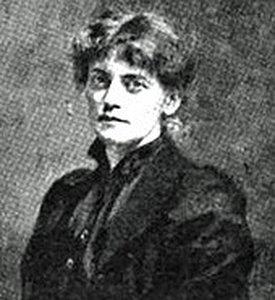
Mary Lemon Waller, born in the quaint coastal town of Bideford, Devon, in 1851, emerged as a significant figure within the British art scene during the late Victorian and early Edwardian eras. Her journey began amidst the burgeoning artistic opportunities available to women, though navigating this landscape required both talent and determination. The daughter of Reverend Hugh Fowler, she received an early education that fostered her innate creativity, leading her to pursue formal training at an art school in Gloucester. This initial grounding proved pivotal, providing a foundation upon which she would build a successful career as a portrait painter. Recognizing the need for further refinement, Waller continued her studies at the prestigious Royal Academy Schools – a crucial step for any aspiring artist of the time, and particularly noteworthy for a woman seeking recognition in a male-dominated field. It was here that she honed her skills, absorbing the techniques and aesthetic principles that would define her distinctive style.Capturing Innocence and Dignity
Waller’s artistic signature lies in her sensitive and remarkably perceptive portraits, particularly those of children. She possessed an exceptional ability to capture not merely a likeness, but the very essence of her young subjects – their innocence, curiosity, and individual personalities. Her technique was characterized by refined realism, meticulous attention to detail, and a subtle yet effective use of color. These weren’t simply posed representations; they were intimate glimpses into the lives of these children, imbued with psychological depth that resonated with viewers. Beyond her celebrated depictions of youth, Waller also demonstrated considerable skill in portraying mature figures, imbuing them with dignity and grace. Her portraits of prominent individuals reveal a similar sensitivity to character, capturing their status and intellect with equal finesse. The influence of earlier masters like Sir Joshua Reynolds is subtly present in her work – a testament to her classical training and appreciation for the traditions of British portraiture.Recognition and Artistic Milestones
Waller’s talent quickly gained recognition, and she began exhibiting her works at an impressively young age. From 1877 to 1904, her paintings were consistently showcased at the Royal Academy – a testament to her growing reputation within the British art establishment. This consistent presence solidified her position as a respected artist, attracting commissions from discerning patrons. A particularly significant moment in her career came with her inclusion in the Palace of Fine Arts at the 1893 World's Columbian Exposition in Chicago. This international exposure brought her work to a wider audience and cemented her standing on the global stage. In 1925, she achieved another milestone by becoming a member of the Royal Society of Portrait Painters – an honor that acknowledged her substantial contributions to the field and placed her among the leading portraitists of her time. Her marriage in 1874 to Samuel Edmund Waller, also a painter, provided a supportive environment for her artistic pursuits, allowing her to balance her professional ambitions with personal life.A Lasting Legacy
Mary Lemon Waller’s work offers valuable insights into Victorian and Edwardian society, reflecting the aesthetic sensibilities and social values of the era. Her portraits are not merely representations of individuals; they are windows into a bygone world, offering glimpses into the lives, status, and personalities of her sitters. Today, her paintings are held in several prominent UK collections, including Cragside, Royal Hallamshire Hospital, the Literary and Philosophical Society of Newcastle upon Tyne, Oxford University Museum of Natural History, and Somerville College, Oxford – ensuring that her artistic legacy endures for generations to come. While perhaps not a household name today, Mary Lemon Waller remains an important figure in the history of British portraiture. Her dedication to her craft, combined with her ability to capture the essence of her subjects, ensures that her work continues to be appreciated by art enthusiasts and scholars alike. Her portraits stand as enduring testaments to her skill, sensitivity, and artistic vision.- Notable Works: Portraits of Sir William George Armstrong, Mariano Martin de Bartolomé, The Honourable Mrs Vernon Harcourt, and William John Montagu Watson Armstrong.
Mary Lemon Waller
1851 - 1931 , United Kingdom
Quick Facts
- Artistic Movement Or Style: Victorian portraiture
- Date Of Birth: 1851
- Date Of Death: 1931
- Full Name: Mary Lemon Waller
- Nationality: British
- Notable Artworks:
- Sir William Armstrong
- Mariano Martin de Bartolomé
- Mrs Vernon Harcourt
- William Watson Armstrong
- Place Of Birth: Bideford, UK
Related Articles

The Enduring Legacy of Oil on Canvas: Technique, History & Aesthetic Impact
Explore the rich history & techniques of oil painting – from Renaissance masters to Impressionism. Discover pigments, layering methods, and why this timeless medium endures. Expert insights for artists & art enthusiasts.

Oil on Canvas: A Historical & Technical Exploration of a Timeless Artistic Medium
Explore the rich history & enduring techniques of oil painting on canvas. Discover the science behind its longevity, conservation practices, and contemporary relevance. Expert insights for art enthusiasts.

The Enduring Power of Painting: A Historical & Contemporary Exploration of Form and Emotion
Explore the rich history & enduring techniques of oil painting with ArtsDot. Discover masterpieces, learn about art collecting, and find authentic handmade reproductions crafted by skilled artists.

The Enduring Legacy of Oil on Canvas: Technique, History & Contemporary Practice
Explore the rich history & enduring techniques of oil painting on canvas. Discover the science behind its longevity, conservation practices, and contemporary relevance. Expert insights for art enthusiasts.
Jacob Henricus Maris: A Master of Dutch Atmospheric Realism & the Intimate Landscape
Explore the captivating world of Jacob Henricus Maris, a leading figure of the Dutch Hague School. Discover his atmospheric landscapes, signature brushstrokes & lasting influence on 19th-century art. Learn more at ArtsDot.