 Preview
 Send
Send Share
Share
 Details

 Download
 Similars
 X-Ray
X-Ray Diaporama
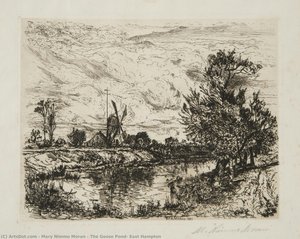
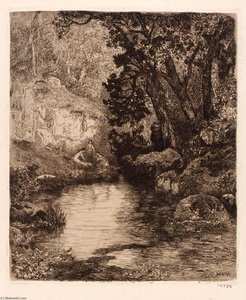
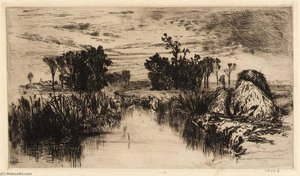
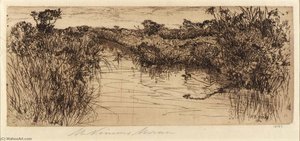
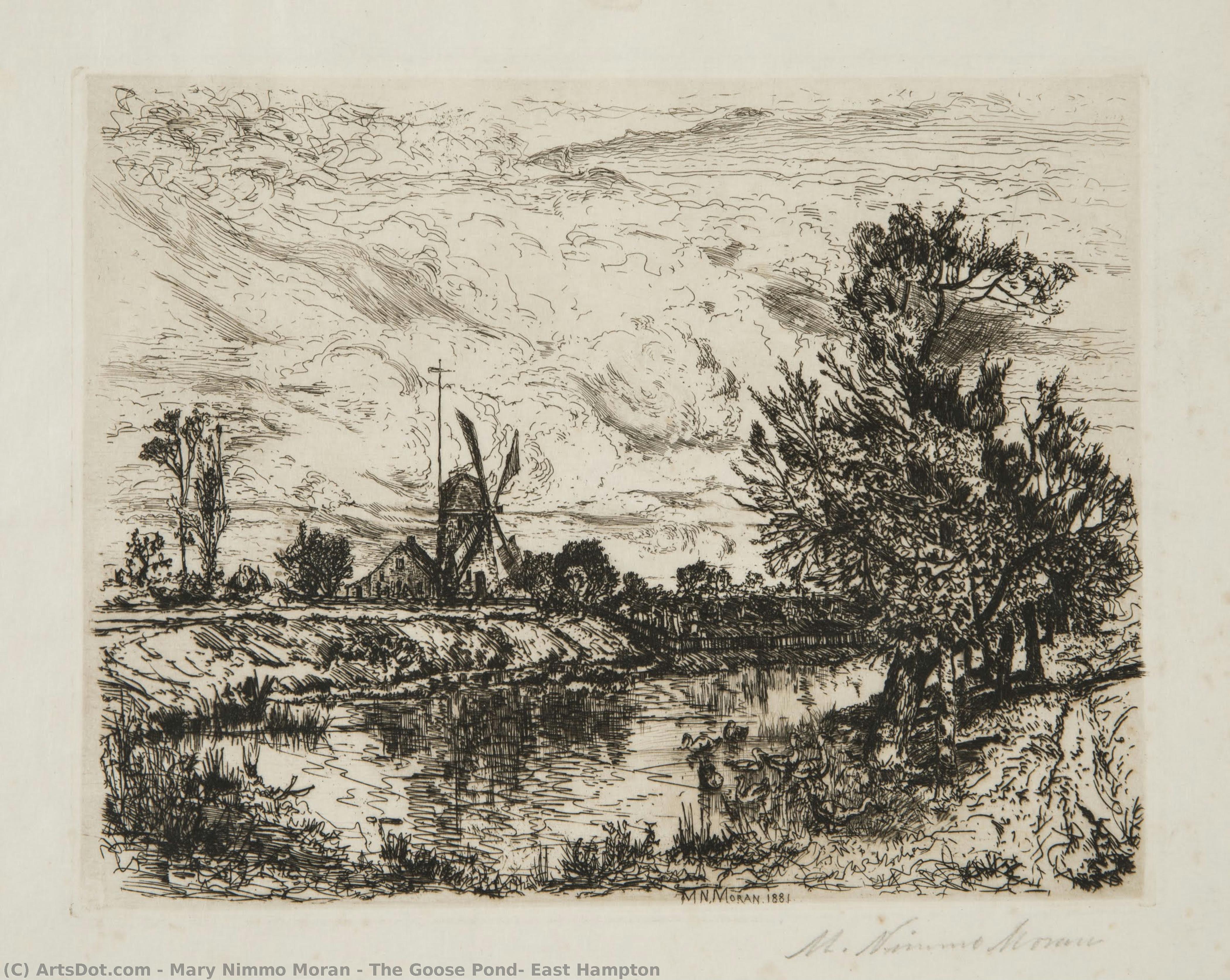
The Goose Pond, East Hampton

 Read More
Hand Made Oil Reproduction
Hand-painted oil on canvas in your size and frame, made to order by our artists. ( Buy Print Buy Image)




































Pick from our preset sizes that match the artwork's original proportions.

You may enter your own dimensions to fit a specific frame or space. If your selected size does not match the original image's proportions, we will either crop the artwork or extend the painting with additional hand-painted elements. A digital mockup will be sent for your approval before production begins.
Please note that the on-screen preview does not reflect the actual cropping or extension. Only the mockup will accurately show the final composition.
While custom sizes are available, we recommend selecting a dimension from the predefined list to preserve the original proportions.
After order, ArtsDot.com team will email client for instructions and provide a mockup preview
Worldwide Delivery () in 3/4 weeks instead of standard 5 weeks. (17 August). No compromise on quality.

Free Worldwide Express Shipping

High-Quality Linen Canvas

Full Shipping Insurance

Customs Tax Refund Guarantee

True Color Matching Guarantee

60-Day Return Policy (Defects Only)

100% Money-Back Guarantee

Bulk Discount Offer
 Glass option is only available in size under 110 CM

The Goose Pond, East Hampton
Reproduction Medium
Reproduction Size
-


Total Price
$ 263
Artwork Description
Related Artworks
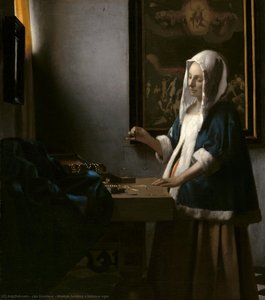

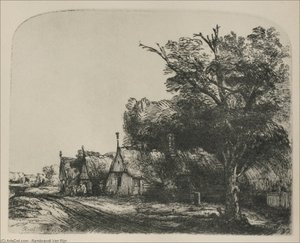
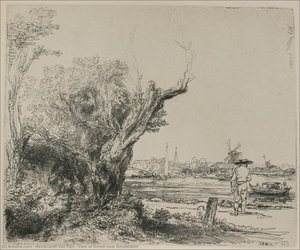
Artist Biography
A Life Etched in Landscape: The Pioneering Vision of Mary Nimmo Moran
Mary Nimmo Moran, born in Strathaven, United Kingdom in 1842 and tragically passing away in 1899, occupies a unique and vital position in the history of American art. Though her life was cut short, she left behind a legacy as a remarkably skilled landscape etcher, celebrated for her evocative depictions of England, Scotland, and the burgeoning beauty of the US East Coast. Her story is one of artistic dedication balanced with the demands of family life – a challenge faced by many women artists of the 19th century – and ultimately, one of significant achievement in a field traditionally dominated by men. Moran wasn’t simply *a* woman artist; she was a trailblazer, becoming the first woman elected to London's prestigious Royal Society of Painter-Etchers, a testament to her exceptional talent and unwavering commitment to her craft.Early Life and Artistic Development
Details surrounding Moran’s early artistic training remain somewhat elusive, but it is known she developed a keen eye for detail and a natural aptitude for drawing from a young age. Her family emigrated from Scotland to the United States in 1863, settling in New Jersey. This relocation proved pivotal, exposing her to the dramatic landscapes of the American East Coast which would become a central theme in her work. It was also during this period that she met and married Thomas Moran, already an established landscape painter renowned for his sweeping vistas of the American West. While often viewed through the lens of her marriage, it’s crucial to understand Mary Nimmo Moran as an independent artist with her own distinct voice and vision. Her early work demonstrates a clear fascination with capturing atmospheric effects – the play of light on water, the subtle nuances of cloud formations, and the delicate textures of foliage. She wasn't merely replicating scenes; she was interpreting them through the meticulous medium of etching.The Art of Etching: Technique and Style
Moran’s chosen medium, etching, required both technical precision and artistic sensibility. The process involved using acid to create lines on a metal plate, which then held the ink to produce prints. This allowed for a remarkable level of detail and tonal variation, perfectly suited to her nuanced depictions of landscape. Her style is characterized by a delicate realism, often imbued with a sense of quiet contemplation. Unlike the grand scale and bold brushstrokes associated with some of her contemporaries, Moran’s etchings offer an intimate perspective – a focus on smaller details and atmospheric subtleties. She masterfully employed techniques like drypoint to create velvety textures and soft gradations of tone, adding depth and richness to her compositions. Her work often evokes a sense of peaceful solitude, inviting the viewer to immerse themselves in the beauty of the natural world.Themes and Influences
Moran’s subject matter was diverse, encompassing scenes from her native Scotland – rugged highlands and picturesque villages – as well as the coastal landscapes of New Jersey and Long Island. She frequently depicted waterways, capturing the shimmering reflections of light on rivers, bays, and the Atlantic Ocean. Her work reflects a deep appreciation for the Romantic ideals of nature, emphasizing its beauty, power, and spiritual significance. While her husband Thomas Moran’s influence is undeniable – both artists shared a love for landscape painting – Mary Nimmo Moran developed a distinct aesthetic sensibility. She was also influenced by the Barbizon school of French painters, known for their realistic depictions of rural life and landscapes. Her etchings often share a similar emphasis on capturing the natural world with honesty and sensitivity.Legacy and Historical Significance
Despite facing societal limitations placed upon women artists in the 19th century, Mary Nimmo Moran achieved considerable recognition during her lifetime. Her election to the Royal Society of Painter-Etchers was a landmark achievement, opening doors for other female artists. She demonstrated that women could excel in traditionally male-dominated fields. While her work was sometimes overshadowed by that of her more famous husband, recent scholarship has begun to re-evaluate her contributions and acknowledge her as a significant figure in American art history. Her etchings offer a valuable glimpse into the landscapes of 19th-century America and Scotland, capturing not only their physical beauty but also the emotional resonance they held for the artist. Today, Mary Nimmo Moran’s work is celebrated for its technical mastery, artistic sensitivity, and pioneering spirit – a testament to her enduring legacy as a true visionary in landscape etching.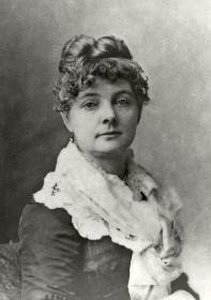
Mary Nimmo Moran
1880 - 1899 , United Kingdom
Quick Facts
- Artistic Movement Or Style: Post-Impressionism
- Artists Or Movements Influenced By This Artist:
- Fauves
- Expressionism
- Artists Who Influenced This Artist:
- Jean-François Raffaëlli
- Anton Mauve
- Date Of Birth: March 30, 1853
- Date Of Death: July 29, 1890
- Full Name: Vincent Willem van Gogh
- Nationality: Dutch
- Notable Artworks:
- Sunflowers
- Bedroom in Arles
- Starry Night
- Wheatfield with Crows
- Place Of Birth: Netherlands