 Preview
 Send
Send Share
Share
 Details

 Download
 Similars
 X-Ray
X-Ray Diaporama
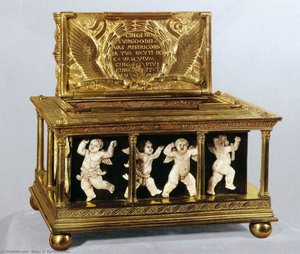
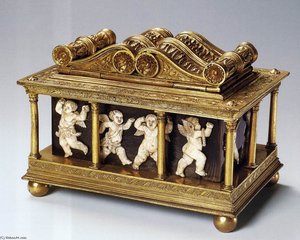
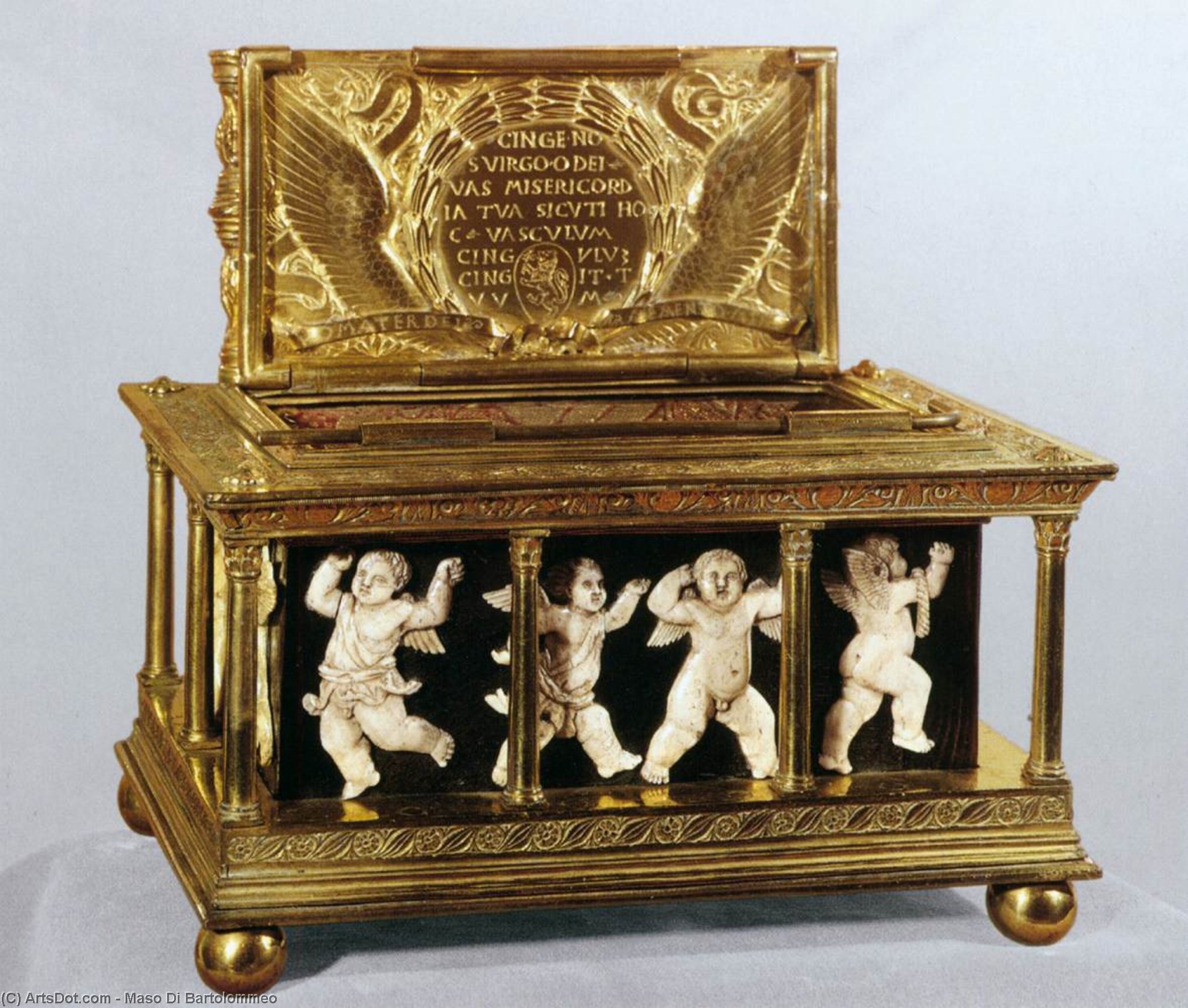
Reliquary for the Holy Girdle of the Virgin
 Renaissance
 1446
1446- Renaissance
 16.0 x 21.0 cm
 Museo dell'Opera del Duomo
 Read More
Hand Made Oil Reproduction
Hand-painted oil on canvas in your size and frame, made to order by our artists. ( Buy Print Buy Image)




P118B $10

P118H $10

P118W $10

P438Z $10

P508JH $12

P508YH $12

P805H $10

P805Z $10

P919BZ $10

P919G $10

P919XJ $10

P959ZH $10

P968JZ $12

W106C $8

W218G $10

W218JH $8

W218Y $10

W307PJ $10

W316G $10

W316PJ $8

W316Y $10

W398PJ $8

W4111J $10

W500HY $15

W500JH $15

W692G $12

W849H $8

W940BG $15

W953PJ $8




Pick from our preset sizes that match the artwork's original proportions.

You may enter your own dimensions to fit a specific frame or space. If your selected size does not match the original image's proportions, we will either crop the artwork or extend the painting with additional hand-painted elements. A digital mockup will be sent for your approval before production begins.
Please note that the on-screen preview does not reflect the actual cropping or extension. Only the mockup will accurately show the final composition.
While custom sizes are available, we recommend selecting a dimension from the predefined list to preserve the original proportions.
After order, ArtsDot.com team will email client for instructions and provide a mockup preview
Worldwide Delivery () in 3/4 weeks instead of standard 5 weeks. (1 September). No compromise on quality.

Free Worldwide Express Shipping

High-Quality Linen Canvas

Full Shipping Insurance

Customs Tax Refund Guarantee

True Color Matching Guarantee

60-Day Return Policy (Defects Only)

100% Money-Back Guarantee

Bulk Discount Offer
 Glass option is only available in size under 110 CM

Reliquary for the Holy Girdle of the Virgin
Reproduction Medium
Reproduction Size
-


Total Price
$ 263
A Celestial Encounter in Miniature
In the delicate dimensions of this 1446 masterpiece, Maso di Bartolommeo invites us into a profound moment of divine intimacy. The Reliquary for the Holy Girdle of the Virgin is not merely an object of devotion but a window into the celestial realm, captured with the exquisite precision characteristic of the Florentine Renaissance. At first glance, the viewer is struck by the rhythmic dance of figures that populate this small-scale treasure. Four ethereal angels, suspended in a state of grace, flank the central reliquary, each tenderly cradling a child. This arrangement creates a breathtaking sense of movement and verticality, drawing the eye upward through a composition that feels both structurally balanced and spiritually ascending.
The painting serves as a profound meditation on the themes of protection, purity, and the sacred bond between the earthly and the divine. The presence of the children held by the angels suggests a deep connection to the concept of innocence and the nurturing aspect of the Virgin Mary, for whom the girdle was a symbol of her eternal devotion. A subtle, unexpected detail—a lone bird fluttering near the upper corner—adds a touch of naturalistic vitality to the scene, grounding the supernatural event in a sense of living reality. For the discerning collector or interior designer, this piece offers a rare opportunity to possess a fragment of Renaissance mysticism, where every brushstroke serves to elevate the soul.
Mastery of Form and Renaissance Light
Technically, the work showcases Maso di Bartolommeo’s remarkable ability to manipulate light and shadow to create volume within a limited space. Despite its modest size of 16 x 21 cm, the painting possesses an expansive emotional depth. The artist employs a sophisticated use of chiaroscuro to define the soft flesh of the infants and the delicate drapery of the angelic garments, lending a sculptural quality to the figures that reflects his deep roots in the tradition of Florentine bronze casting. The interplay of light across the surface creates a luminous effect, making the reliquary appear as if it is radiating its own internal sanctity.
The color palette is carefully curated to evoke a sense of timelessness and reverence. Muted tones are punctuated by strategic highlights that guide the viewer's gaze through the intricate details of the composition. This mastery of technique ensures that the artwork remains captivating from every angle, making it an ideal centerpiece for a curated gallery wall or a sophisticated study. As a high-quality reproduction, this piece allows the grandeur of 15th-century Italian devotion to inhabit modern spaces, offering an atmosphere of contemplative elegance and historical prestige to any refined interior.
Related Artworks
Artist Biography
maso di bartolommeo: A Sculptor's Legacy in Renaissance Florence
maso di bartolommeo (1406-1456) stands as a monumental figure within the artistic landscape of 15th-century Italy, particularly renowned for his mastery of bronze casting and his indispensable role in shaping the architectural grandeur of Florence. Born in Capannoli, Tuscany, he emerged from a milieu steeped in artistic tradition yet propelled forward by the burgeoning humanist spirit that characterized the Renaissance. While biographical details remain somewhat sparse – largely gleaned from archival records – his impact on Florentine art history is undeniable.- Early Life and Training: Little is known about bartolommeo’s formative years, though he was apprenticed to Giovanni Pisano, a celebrated sculptor whose innovative approach to bronze casting profoundly influenced bartolommeo's technique. This mentorship instilled in him a dedication to anatomical accuracy and expressive dynamism—qualities that would become hallmarks of his oeuvre.
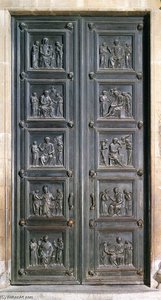
- Collaborations on Architectural Projects: Bartolomeo’s fame rests primarily upon his collaborations with Filippo Brunelleschi, the architect responsible for designing the Duomo (Cathedral) of Florence. He was instrumental in crafting the monumental bronze doors for the cathedral's Baptistery—a project that epitomized Renaissance ambition and artistic virtuosity. These doors are considered masterpieces of sculptural technique, showcasing intricate reliefs depicting biblical scenes with unparalleled detail and realism.
- Notable Sculptures: Beyond the Baptistery doors, bartolomeo produced several other significant sculptures, including a monumental bronze statue of Saint John the Baptist for Piazza San Giovanni and a series of funerary monuments adorning churches throughout Florence. His sculptures demonstrate an exceptional understanding of human anatomy and drapery—skills honed through meticulous observation and anatomical studies.
- Religious Patronage and Reliquary Art: Bartolomeo’s artistic output was largely driven by religious patronage, reflecting the pervasive piety of Florentine society during his lifetime. He excelled in crafting elaborate reliquaries – ornate containers designed to house sacred relics—demonstrating a profound appreciation for craftsmanship and symbolism. His reliquaries are characterized by their meticulous detailing and masterful use of materials, conveying reverence for the sanctity of religious objects.
- Legacy and Influence: maso di bartolommeo’s legacy extends far beyond his individual creations. He established a workshop that nurtured talent and disseminated innovative sculptural techniques—contributing significantly to the artistic dynamism of Florence during Brunelleschi's era. His influence can be discerned in subsequent generations of sculptors, who adopted his stylistic principles and embraced his commitment to anatomical realism.
The Baptistery Doors: A Triumph of Bronze Casting Technique
The Baptistery doors stand as the pinnacle of bartolomeo’s sculptural achievement—a testament to his unparalleled skill in manipulating bronze and conveying narrative complexity through sculpted reliefs. The project demanded an extraordinary level of precision and artistry, necessitating collaboration with Brunelleschi and a team of skilled craftsmen. Each panel depicts scenes from the Gospels—particularly the Nativity and Resurrection—rendered with breathtaking detail and imbued with emotional resonance. Bartolomeo’s mastery of bronze casting technique is evident in the subtle gradations of color achieved through oxidation—a deliberate stylistic choice that enhances the sculptural impact of the reliefs.Exploring Further Resources
For a deeper understanding of maso di bartolommeo's life and work, consult the Web Gallery of Art (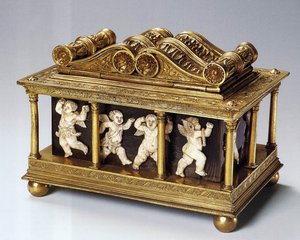
maso di bartolommeo
1406 - 1456 , Italy
Quick Facts
- Artistic Movement Or Style: Renaissance
- Artists Or Movements Influenced By This Artist: ['Early Renaissance']
- Artists Who Influenced This Artist: ['Lorenzo Ghiberti']
- Date Of Birth: 1406
- Full Name: maso di bartolommeo
- Nationality: Italian
- Notable Artworks:
- Reliquary for the Holy Girdle of the Virgin
- Bronze Doors Of The New Sacristy
- Place Of Birth: Capannoli, Italy
Related Articles
Celestial Messengers: Angels in Painting – A Historical & Artistic Exploration
Explore the captivating history of angels in painting! Discover symbolism, iconic Renaissance & Byzantine masterpieces, and renowned artists. Expert insights for art lovers & collectors at ArtsDot.
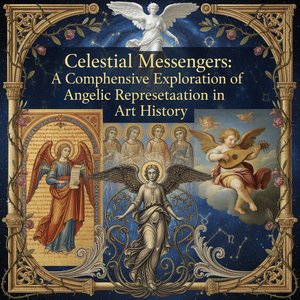
Celestial Messengers: A Comprehensive Exploration of Angelic Representation in Art History
Explore the captivating history of angels in art! Discover symbolism, iconic Renaissance masterpieces & renowned artists. Expert insights for art lovers & collectors at ArtsDot.
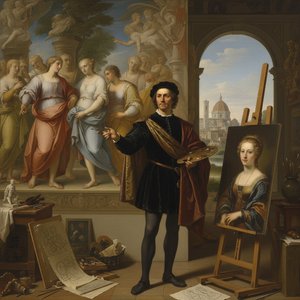
Andrea del Sarto: Florentine Grace, Technical Mastery & Artistic Ambition
Explore the life & art of Andrea del Sarto, a Florentine Renaissance master renowned for harmonious compositions & technical brilliance. Discover his frescoes, portraits, and lasting influence on art history.
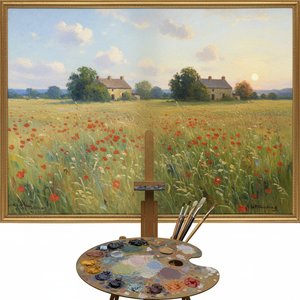
Impressionistic Realism: Bridging Perception & Representation in 19th-Century Painting
Explore the fascinating intersection of Impressionistic Realism! Discover how 19th-century artists balanced subjective perception with objective representation, revolutionizing art history. Learn about key techniques & masters.
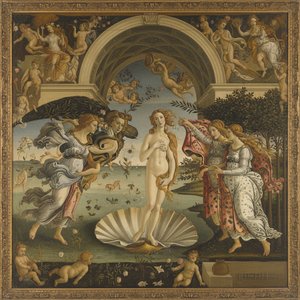
Botticelli's Masterpieces: Explore 25 Iconic Renaissance Paintings | ArtsDot
Journey through Botticelli's world with 25 iconic Renaissance paintings. Explore 'Birth of Venus,' 'Primavera,' and more—stories, techniques & timeless beauty. Find museum-quality art reproductions for your home at ArtsDot.com.