

 Preview
 Send
Send Share
Share
 Details

 Download
 Similars
 X-Ray
X-Ray Diaporama
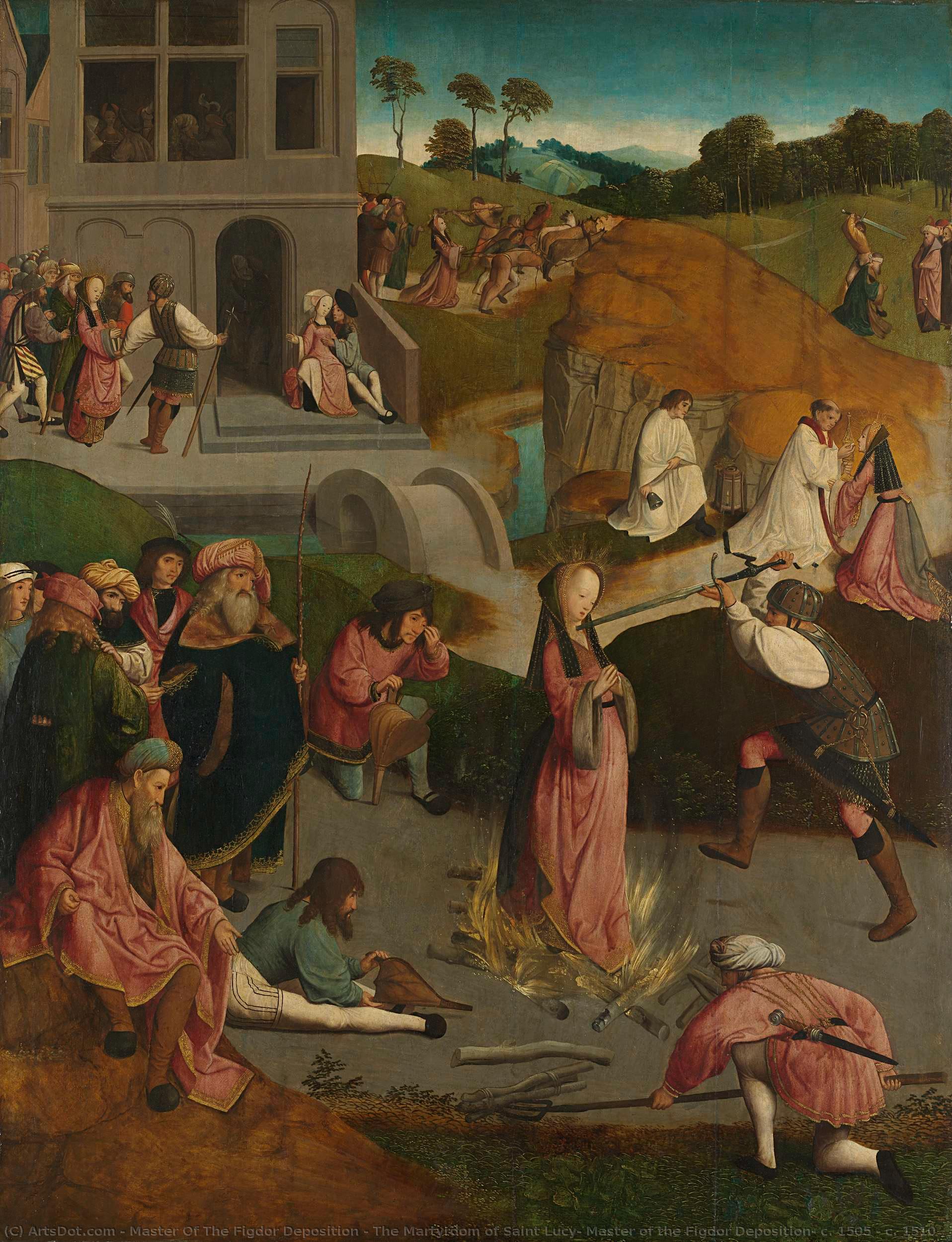
The Martyrdom of Saint Lucy, Master of the Figdor Deposition, c. 1505 - c. 1510
 1510
1510 132.0 x 102.0 cm
 Read More
Purchase a high-resolution, enhanced digital image, far superior to the online preview.
Each file is meticulously prepared by our in-house specialists using advanced tools and expert manual retouching. We ensure every image has exceptional clarity, precise color accuracy, and fine detail.
The final file is delivered via email within 72 hours, optimized for immediate use in professional, editorial, and print environments. This is the same quality trusted by top-tier design studios, publishers, and galleries.
Digital Image
Download a high-resolution file for personal display, printing, and creative projects. ( Buy Print Buy Hand Made Painting)
Included in Every Digital Image Order
Expert Digital Delivery, Guaranteed
When you choose ArtsDot.com, you're not just getting an image - you're receiving a professionally enhanced digital artwork, crafted with precision and backed by a satisfaction guarantee. Here's everything that comes with your order, automatically:

Fast Email Delivery
Your high-resolution digital image file will be emailed to you within 72 hours of ordering - ready for immediate use.

AI-Enhanced Digital File
Your artwork is professionally optimized using advanced AI tools and manual editing, ensuring maximum detail, clarity, and color accuracy.

Free Lifetime Re-Delivery
Accidentally deleted or lost your file? No worries - we'll resend it to you anytime, free of charge.

No Import Fees - Ever
Enjoy your artwork instantly with zero customs, duties, or delivery fees - digital downloads are always tax-free.

Color Accuracy Guarantee
We ensure your digital image reflects the original colors as closely as possible using professional tools and color management.

100-Day Satisfaction Guarantee
If you're not satisfied with your digital image, we'll revise it or refund 100% within 100 days - no questions asked.

100% Money-Back Guarantee
Not satisfied? Get a full refund within 100 days of receiving your digital file - no questions asked.

Bulk Order Discounts
Buy 3 images, save 10% - Buy 5, save 15% - Buy 10+, save 20%. Great for creative projects, galleries, and agencies.
Related Artworks








Artist Biography
a glimpse into the life and artistry of a 15th-century netherlandish painter
in the realm of early netherlandish painting, few names have garnered as much intrigue as master of the figdor deposition, an enigmatic figure active in the netherlands from approximately 1480 to 1500. this artist's existence is shrouded in mystery, with his name being a direct result of his association with a specific altarpiece, now lost to the annals of time.early life and artistic beginnings
despite the scarcity of information regarding master of the figdor deposition's early life, it is believed that he was active in haarlem or amsterdam. his artistic style, often described as a blend of naturalism and realism, suggests a connection to the early netherlandish movement, which was characterized by its detailed and emotive depictions.notable works and style
- the martyrdom of saint lucy, a poignant example of his work, showcases his mastery of oil on panel. this piece, dated between 1505-1510, is now housed in the rijksmuseum amsterdam.
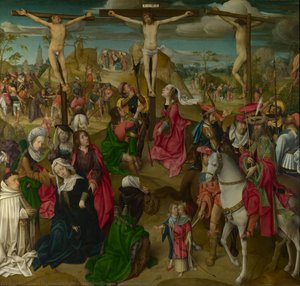
- another notable piece, the crucifixion, demonstrates his ability to balance vivid colors with the somberness of the subject matter.
- use of rich, warm colorization.
- sympathetic expressions in his subjects.
- blend of naturalism and realism.
influence and legacy
though the master of the figdor deposition's influence may not have been as widespread as some of his contemporaries, his unique style has contributed to the rich tapestry of early netherlandish painting. for more on this artist and others like him, explore ArtsDot's extensive collection: master of the figdor deposition's works on ArtsDot wikipedia: master of the figdor deposition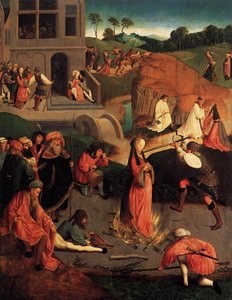
master of the figdor deposition
1480 - 1500 , Netherlands
Quick Facts
- Artistic Movement Or Style: High Renaissance
- Artists Or Movements Influenced By This Artist:
- Venetian School
- Mannerism
- Artists Who Influenced This Artist:
- Giovanni Bellini
- Giorgione
- Date Of Birth: c. 1480
- Date Of Death: 1556/57
- Full Name: Lorenzo Lotto
- Nationality: Italian Renaissance
- Notable Artworks:
- Virgin and Child with St. Jerome
- Allegory of Virtue and Vice
- Portrait of an Old Man with a Boy
- Place Of Birth: Venice, Italy