 Preview
 Send
Send Share
Share
 Details

 Download
 Similars
 X-Ray
X-Ray Diaporama
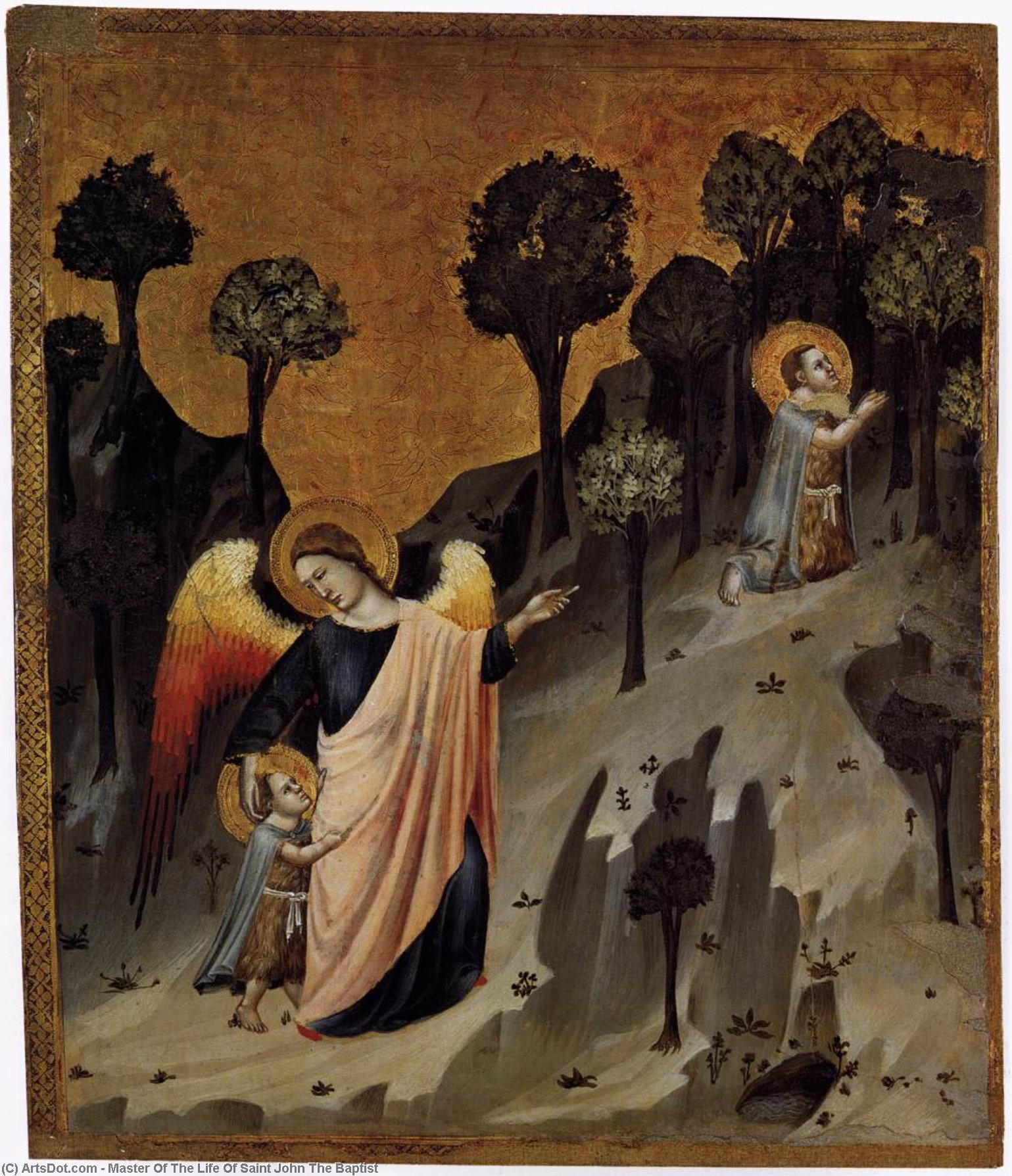
Scenes from the Life of Saint John the Baptist
 Oil On Canvas
- WallArt
- Baroque
 1330
1330 49.0 x 41.0 cm
 National Gallery of Art
 Read More
Giclée / Art Print
Museum-quality giclée or canvas print with fast production and flexible finish options. ( Buy Hand Made Painting Buy Image)




P118B $10

P118H $10

P118W $10

P438Z $10

P508JH $12

P508YH $12

P805H $10

P805Z $10

P919BZ $10

P919G $10

P919XJ $10

P959ZH $10

P968JZ $12

W106C $8

W218G $10

W218JH $8

W218Y $10

W307PJ $10

W316G $10

W316PJ $8

W316Y $10

W398PJ $8

W4111J $10

W500HY $15

W500JH $15

W692G $12

W849H $8

W940BG $15

W953PJ $8




Pick from our preset sizes that match the artwork's original proportions.

You may enter your own dimensions to fit a specific frame or space. If your selected size does not match the original image's proportions, we will either crop the artwork or extend the image with a mirrored or solid-fill edge. A digital mockup will be sent for your approval before production begins.
Please note that the on-screen preview does not reflect the actual cropping or extension. Only the mockup will accurately show the final composition.
While custom sizes are available, we recommend selecting a dimension from the predefined list to preserve the original proportions.
Worldwide Delivery () in 2 weeks instead of standard 4/5 weeks. (7 September)

Free Worldwide Express Shipping

High-Quality Linen Canvas

Full Shipping Insurance

Customs Tax Refund Guarantee

True Color Matching Guarantee

100-Day Return Policy (Defects Only)

100% Money-Back Guarantee

Bulk Discount Offer
 Glass option is only available in size under 110 CM

Scenes from the Life of Saint John the Baptist
Giclée / Art Print
Reproduction Size
-


Total Price
$ 63
A Vision of Divine Encounter
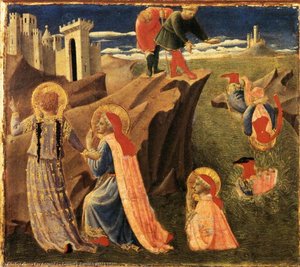
This captivating work, titled Scenes from the Life of Saint John the Baptist, immediately draws the viewer into a moment suspended between earthly reality and divine grace. At its heart lies the figure of Saint John, rendered with an arresting immediacy that speaks to the dramatic fervor of the period. He is depicted not merely as a saint, but as a conduit for profound spiritual experience, holding a child whose presence anchors the narrative in themes of prophecy and new beginnings. The composition is richly populated; beyond the central figures, two attendant angels flank the scene, their ethereal forms suggesting heavenly witness to the sacred event unfolding before us. This gathering of divine and human elements creates an atmosphere thick with anticipation and solemn reverence.
Mastery of Light and Shadow in Early Italian Art
Dating to 1330, this painting offers a fascinating glimpse into the evolving narrative styles of early Italian art, predating some of the later dramatic flourishes associated with Caravaggio’s namesake. The technique employed suggests a deep understanding of pictorial space, utilizing the surrounding wooded landscape—the trees framing the scene in various corners—to create depth and context. The interplay between the figures and the natural setting is masterful; the forest does not merely serve as a backdrop but becomes an active participant in the spiritual drama. One can almost feel the dappled sunlight filtering through those depicted leaves, lending a tangible quality to the otherwise transcendent subject matter.
Symbolism Woven into the Wooded Landscape
The symbolism within this scene is layered and deeply resonant. Saint John himself embodies purification and the voice crying out in the wilderness—a potent metaphor for spiritual awakening. The presence of angels elevates the narrative from a mere historical depiction to an allegory of divine intervention. Furthermore, the surrounding woods often symbolize the threshold between the known world and the sacred mystery. For collectors and designers alike, this piece offers more than just decoration; it provides a focal point steeped in centuries of religious storytelling. Reproducing such a work allows one to bring that profound sense of narrative weight and spiritual contemplation into a modern interior space.
Emotional Resonance for the Contemporary Collector
To gaze upon these Scenes from the Life of Saint John is to be invited into a moment of quiet, powerful revelation. The emotional impact stems from the tension between the earthly grounding provided by the landscape and the sublime mystery emanating from the central figures. For those who appreciate art that speaks across the centuries, this reproduction offers an unparalleled opportunity. It captures the intense devotion and narrative skill of its time while possessing a timeless quality that complements both opulent and serene domestic environments. It is a piece designed not just to be seen, but to be felt.
Related Artworks
Artist Biography
Michelangelo Merisi da Caravaggio: A Shadowed Genius
The “Master of the Life of Saint John the Baptist,” as he’s often referred to, is a name synonymous with dramatic intensity and revolutionary realism in 16th-century Italian art. While his formal birthdate remains shrouded in uncertainty – generally accepted as around 1571 in Milan, Italy – his life was anything but quiet. Caravaggio, born Michelangelo Merisi, emerged from a humble background, likely apprenticed to a local painter in the bustling commercial center of Lombardy. This early exposure to the demands of portraiture and religious commissions would profoundly shape his future artistic trajectory. His origins, far removed from the established artistic circles of Rome, are crucial to understanding the unique perspective he brought to the burgeoning Baroque period. Unlike many artists groomed within prestigious workshops, Caravaggio’s training was largely self-directed, a testament to his innate talent and relentless drive.The Revolutionary Technique: Chiaroscuro and Naturalism
Caravaggio's impact on art wasn’t simply due to the compelling narratives he depicted; it stemmed fundamentally from his groundbreaking technique. He shattered the prevailing conventions of the High Renaissance, abandoning idealized forms and serene compositions in favor of a brutally honest portrayal of human experience. His signature style, known as *tenebrism*, involved manipulating light and shadow with astonishing skill – plunging figures into deep darkness while highlighting select areas with intense illumination. This dramatic contrast wasn’t merely an aesthetic choice; it served to heighten the emotional impact of his scenes, creating a palpable sense of drama and immediacy. He achieved this through meticulous observation of natural light, often painting *alla prima* (wet-on-wet) directly onto the canvas, minimizing the need for extensive underpainting.- Realism Redefined: Caravaggio rejected the polished perfection of earlier artists, embracing imperfections and portraying his subjects with unflinching realism – wrinkles, blemishes, and even signs of weariness were rendered with startling accuracy.
- The Power of Light: The strategic use of light wasn’t simply for visual effect; it was employed to draw the viewer's eye to key elements within the composition, guiding their gaze and intensifying the emotional weight of the scene.
- Direct Observation: Caravaggio famously worked from life, often using models from the streets of Rome – prostitutes, beggars, and laborers – injecting a sense of social realism into his religious subjects.
The Lives of John the Baptist and Other Biblical Figures
Caravaggio’s most celebrated works center around depictions of Saint John the Baptist, a figure he repeatedly portrayed in various stages of his life – as a young boy fleeing into the desert, as a solitary hermit, and ultimately as a martyr. These paintings are not idealized representations; they are intensely psychological portraits capturing the character's inner turmoil and spiritual struggle. The “Beheading of Saint John the Baptist,” arguably his most famous work, exemplifies this approach: the brutal act is rendered with shocking immediacy, devoid of romanticism or glorification. Similarly, his series of "Stories of St. Luke" offers a raw and unflinching look at the saint’s life, showcasing both piety and human vulnerability. Beyond John the Baptist, Caravaggio produced powerful depictions of other biblical figures – Christ, Mary Magdalene, and scenes from the Passion – each imbued with a profound sense of drama and emotional intensity.Influence and Legacy: A Turbulent End
Caravaggio’s influence on subsequent generations of artists is immeasurable. He inspired a vast network of followers, known as “Caravaggisti,” who spread his style throughout Europe – to Spain, Portugal, France, and beyond. Artists like Rembrandt van Rijn, Georges de La Tour, and Artemisia Gentileschi all drew heavily from Caravaggio’s techniques and approach. However, Caravaggio's life was marked by violence and instability. He fled Rome after a murder charge in 1606, spending years on the run before returning to the city in 1610, where he died under mysterious circumstances – likely from a wound sustained during a street brawl. Despite his turbulent personal life, Caravaggio’s artistic legacy endures as one of the most significant and transformative figures in Western art history. His innovative use of light and shadow, coupled with his unflinching realism and psychological depth, continues to captivate audiences centuries later, solidifying his position as a true master of the Baroque era.Historical Significance: A Bridge Between Eras
Caravaggio’s work represents a pivotal moment in art history – a bridge between the idealized beauty of the Renaissance and the dramatic intensity of the Baroque. He rejected the established artistic conventions, prioritizing emotional impact and psychological realism over classical harmony and proportion. His willingness to depict ordinary people within sacred narratives challenged traditional notions of religious art, making it more accessible and relatable to a wider audience. Furthermore, his exploration of themes such as sin, redemption, and human suffering resonated deeply with the social and spiritual anxieties of 17th-century Europe. The “Master of the Life of Saint John the Baptist” remains not just an artist but a cultural touchstone, embodying the complexities and contradictions of his time – a shadowy genius whose work continues to provoke, inspire, and challenge viewers today.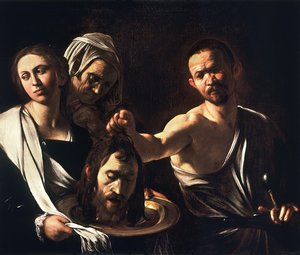
Quick Facts
- Artistic Movement Or Style: Caravaggism, Italian Baroque
- Artists Or Movements Influenced By This Artist:
- Baroque art
- Caravaggisti
- Artists Who Influenced This Artist:
- Leonardo da Vinci
- Michelangelo
- Full Name: Michelangelo Merisi, known as Caravaggio
- Nationality: Italian
- Notable Artworks:
- The Calling of St Matthew
- Beheading of John the Baptist
- Supper at Emmaus
- Place Of Birth: Milan, Italy
Related Articles

John Constable's Masterpieces: Explore 25 Iconic Landscapes for Your Home
Journey through John Constable's 25 most celebrated landscapes. Explore Romanticism, Dedham Vale & his masterful use of light in iconic paintings like 'Hay Wain'. Find museum-quality art reproductions and elevate your home decor on ArtsDot.com.
John Singer Sargent's 25 Masterpieces: Portraits & Beyond | ArtsDot
Explore 25 iconic John Singer Sargent paintings – from dazzling portraits to Impressionist landscapes. Discover the stories behind Madame X, El Jaleo & more! Find museum-quality art reproductions and elevate your home decor with ArtsDot.com.

Romantic Landscapes: 10 Masterpieces for Your Home | ArtsDot
Journey through 10 Romantic landscape masterpieces by Friedrich, Turner & Cole. Explore emotional art, sublime nature scenes & iconic 19th-century paintings. Find museum-quality reproductions for your home at ArtsDot.com – discover the full collection online!

The Dramatic Flourish: Exploring the Baroque Movement's Enduring Legacy in Art History
Explore the dramatic world of Baroque art! Discover iconic artists like Caravaggio & Rubens, defining techniques, and its lasting impact on art history. Expert insights for collectors & enthusiasts at ArtsDot.

Evocations of Place: A Historical Journey Through Landscape Art
Explore the rich history of landscape art with ArtsDot. Discover renowned artists, movements like Impressionism & Romanticism, and expert guidance for collecting timeless pieces. Find your perfect serene escape today!