 Preview
 Send
Send Share
Share
 Details

 Download
 Similars
 X-Ray
X-Ray Diaporama
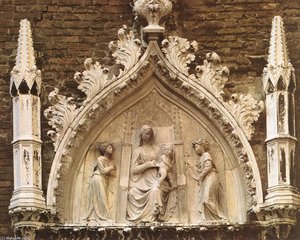
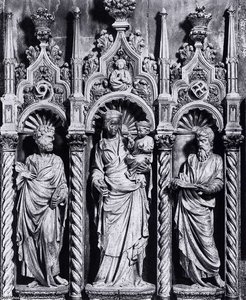
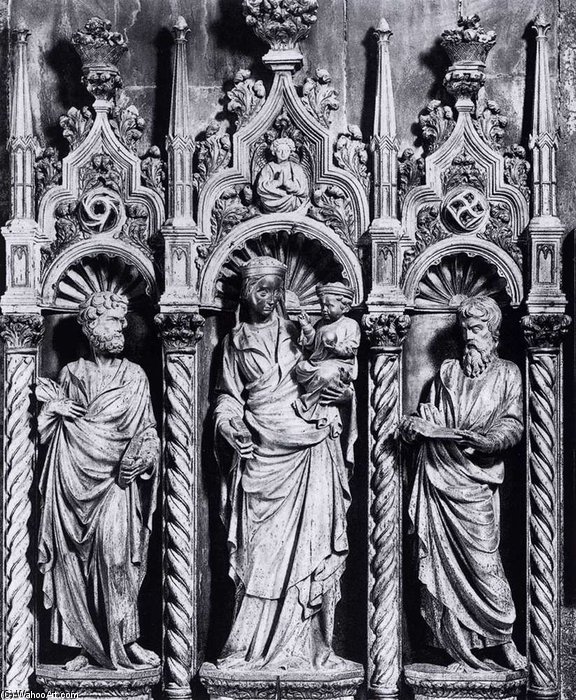
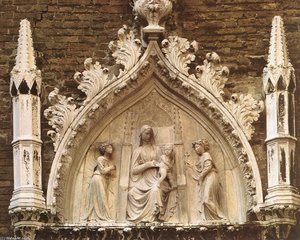
Madonna, Child And Saints

 Read More
Hand Made Oil Reproduction
Hand-painted oil on canvas in your size and frame, made to order by our artists. ( Buy Print Buy Image)




































Pick from our preset sizes that match the artwork's original proportions.

You may enter your own dimensions to fit a specific frame or space. If your selected size does not match the original image's proportions, we will either crop the artwork or extend the painting with additional hand-painted elements. A digital mockup will be sent for your approval before production begins.
Please note that the on-screen preview does not reflect the actual cropping or extension. Only the mockup will accurately show the final composition.
While custom sizes are available, we recommend selecting a dimension from the predefined list to preserve the original proportions.
After order, ArtsDot.com team will email client for instructions and provide a mockup preview
Worldwide Delivery () in 3/4 weeks instead of standard 5 weeks. (25 August). No compromise on quality.

Free Worldwide Express Shipping

High-Quality Linen Canvas

Full Shipping Insurance

Customs Tax Refund Guarantee

True Color Matching Guarantee

60-Day Return Policy (Defects Only)

100% Money-Back Guarantee

Bulk Discount Offer
 Glass option is only available in size under 110 CM

Madonna, Child And Saints
Reproduction Medium
Reproduction Size
-


Total Price
$ 313
Related Artworks
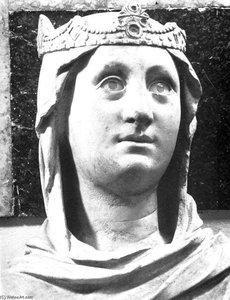
Artist Biography
The Enigmatic Visionary: Unveiling the Master of the Mascoli Altar
Giovanni Battista Mascoli, known to art history as the Master of the Mascoli Altar, remains a figure shrouded in mystery – a testament to the often-unrecorded lives of skilled artisans flourishing during the Italian Renaissance. While biographical details are scarce, his enduring legacy resides within the breathtaking altarpieces he crafted, particularly those commissioned for churches and chapels throughout Italy. Born in Italy (the precise location and year remain unknown), Mascoli’s artistic journey unfolded against a backdrop of fervent religious devotion and burgeoning humanist ideals. He was not a painter celebrated by Vasari or lauded in courtly circles; rather, he was a workshop master, deeply rooted in the traditions of devotional art, yet possessing an individual style that set his creations apart. His work speaks volumes where written records fall silent, revealing a profound understanding of both theological symbolism and the technical mastery required to translate spiritual concepts into tangible form.A Workshop Tradition & The Flowering of Style
The Master of the Mascoli Altar operated within a well-established workshop system common in Renaissance Italy. This meant he likely oversaw a team of assistants, each contributing to various aspects of an altarpiece’s creation – from panel preparation and gesso application to gilding and intricate detailing. Determining the precise hand of Mascoli versus that of his apprentices is often challenging, adding to the intrigue surrounding his oeuvre. However, consistent stylistic features emerge across attributed works: a delicate rendering of fabrics, particularly in drapery; an emphasis on serene facial expressions conveying piety and grace; and a sophisticated use of color to create atmospheric depth. Early influences likely stemmed from local artistic traditions, absorbing elements from Umbrian painters like Perugino and the Sienese school’s refined aesthetic. As his career progressed, Mascoli demonstrated a growing awareness of High Renaissance developments in Florence and Rome, subtly incorporating classical motifs and compositional principles into his devotional scenes. His altarpieces are not grand statements of artistic innovation but rather exquisitely crafted expressions of faith, designed to inspire contemplation and reverence.Themes & Symbolism: Narratives of Faith
The subject matter of the Master of the Mascoli Altar’s work is overwhelmingly religious. He specialized in depictions of the Virgin Mary with the Christ Child, scenes from the life of Jesus – Annunciations, Nativities, Crucifixions – and portraits of saints. However, these were not merely literal representations; they were carefully constructed narratives imbued with symbolic meaning. The choice of specific flowers, animals, or architectural elements often carried theological weight, intended to deepen the viewer’s understanding of the depicted scene. For example, lilies frequently symbolize purity associated with the Virgin Mary, while doves represent the Holy Spirit. Mascoli's compositions are characterized by a harmonious balance and clarity, guiding the eye towards central figures and emphasizing their spiritual significance. He possessed a remarkable ability to convey emotional depth through subtle gestures and expressions, creating scenes that feel both intimate and profoundly moving. The use of gold leaf was not merely decorative; it served as a visual representation of divine light, illuminating the sacred subjects and elevating them beyond the earthly realm.Major Achievements & Lasting Legacy
While no single work definitively defines the Master of the Mascoli Altar’s career, several altarpieces stand out as prime examples of his skill and artistic vision. The altar dedicated to Saint Sebastian, housed in a small church near Perugia, showcases his mastery of perspective and delicate rendering of human anatomy. Another notable example is the polyptych depicting scenes from the life of the Virgin Mary, currently held in a private collection.- His altarpieces are characterized by their exquisite craftsmanship and harmonious compositions.
- The use of gold leaf to create an ethereal atmosphere is a defining feature of his style.
- He skillfully integrated theological symbolism into his depictions of religious scenes.
Related Articles

Bronze Sculptures That Defined Art History | ArtsDot
Journey through art history with our Top 10 bronze sculptures! Explore masterpieces by Rodin, Michelangelo & more. Discover stories behind iconic statues and find museum-quality reproductions for your home decor at ArtsDot.com.

The Enduring Form: Exploring Themes & Techniques in Sculpture Across Historical Periods
Explore the rich history of sculpture from ancient masterpieces to contemporary innovations. Discover key techniques, influential artists & investment potential for discerning art collectors.

Bronze Age to Modern Masters: 10 Sculptures That Redefined Art | ArtsDot
Journey through art history with 10 legendary bronze sculptures – from Michelangelo's David to Rodin’s Thinker. Explore the stories, techniques & timeless beauty of these masterpieces. Find museum-quality reproductions & elevate your home decor on ArtsDot.com.

The Enduring Form: Sculpture Across History, Technique & Emotional Resonance
Explore the rich history of sculpture with ArtsDot. Discover key techniques, influential artists & investment potential for discerning collectors. Expert insights into valuing and collecting timeless masterpieces.
Sculpting with Soul: An Expert Guide to the Tactile Elegance of Plaster Relief Art
Discover the captivating world of plaster relief art. Our expert guide explores the history, techniques, and curation of textured bas-relief, helping collectors bring depth, light, and soulful dimension to their modern interiors through sophisticated sculptural masterpieces.