 Preview
 Send
Send Share
Share
 Details

 Download
 Similars
 X-Ray
X-Ray Diaporama
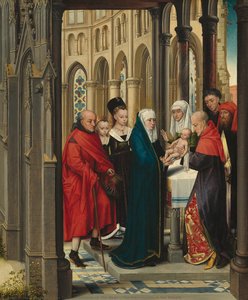
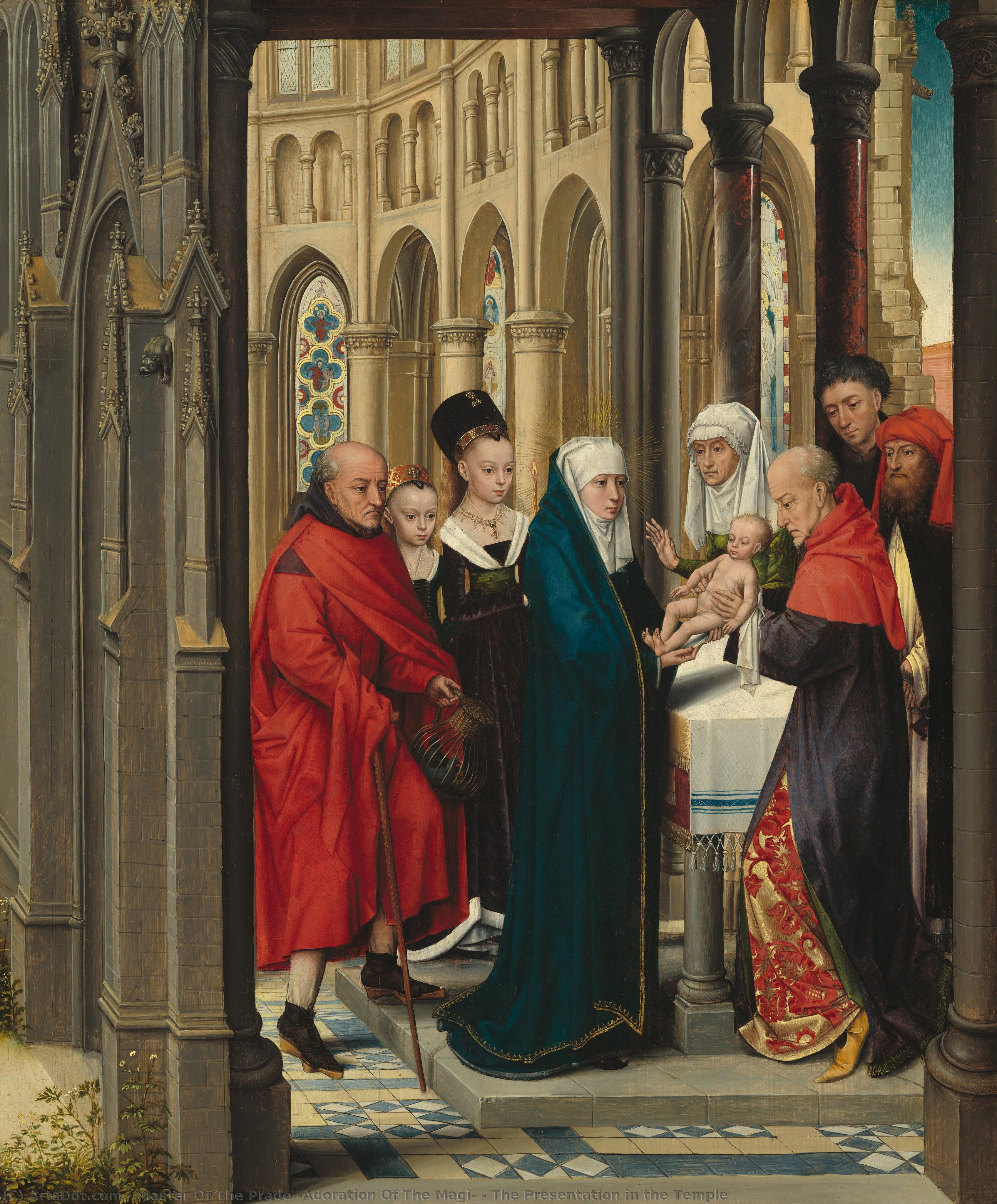
The Presentation in the Temple
 1480
1480 58.0 x 48.0 cm
 Read More
Giclée / Art Print
Museum-quality giclée or canvas print with fast production and flexible finish options. ( Buy Hand Made Painting Buy Image)




































Pick from our preset sizes that match the artwork's original proportions.

You may enter your own dimensions to fit a specific frame or space. If your selected size does not match the original image's proportions, we will either crop the artwork or extend the image with a mirrored or solid-fill edge. A digital mockup will be sent for your approval before production begins.
Please note that the on-screen preview does not reflect the actual cropping or extension. Only the mockup will accurately show the final composition.
While custom sizes are available, we recommend selecting a dimension from the predefined list to preserve the original proportions.
Worldwide Delivery () in 2 weeks instead of standard 4/5 weeks. (5 September)

Free Worldwide Express Shipping

High-Quality Linen Canvas

Full Shipping Insurance

Customs Tax Refund Guarantee

True Color Matching Guarantee

60-Day Return Policy (Defects Only)

100% Money-Back Guarantee

Bulk Discount Offer
 Glass option is only available in size under 110 CM

The Presentation in the Temple
Giclée / Art Print
Reproduction Size
-


Total Price
$ 63
Related Artworks






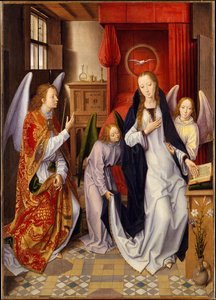


Artist Biography
The Veiled Hand of the Netherlandish Master
In the twilight of the fifteenth century, amidst the bustling trade routes and burgeoning artistic fervor of the Southern Netherlands, an artist emerged whose name has been lost to the corridors of time, yet whose vision remains strikingly luminous. Known only as the Master of the Prado — Adoration of the Magi, this anonymous painter operated between approximately 1475 and 1500, leaving behind a legacy etched in vibrant pigments and profound devotion. While his personal identity remains shrouded in mystery, his presence is felt through the meticulous craftsmanship that defines the Early Netherlandish tradition. His work serves as a window into an era where the spiritual and the material were intricately woven together, capturing the sacred infancy of Christ with a clarity that transcends the centuries.A Symphony of Color and Sacred Detail
The artistry of this master is characterized by a breathtaking use of color and an almost obsessive attention to detail, qualities that were highly prized by the collectors of his age. His panels are not merely religious icons but immersive narratives that invite the viewer into the very heart of biblical events. In masterpieces such as the Adoration of the Magi and the Presentation in the Temple, one observes a mastery of light and texture that breathes life into every fold of fabric and every glint of gold.His technique reflects the profound influence of the Netherlandish school, where the pursuit of realism was matched only by the desire to evoke divine awe. The artist’s ability to render the tender moments of Christ's early life—the soft glow of skin, the intricate patterns of regal attire, and the atmospheric depth of the landscapes—demonstrates a sophisticated command over his medium. This dedication to detail allowed him to create scenes that were both deeply personal in their intimacy and grand in their theological significance.
Legacy and Enduring Influence
Though the master’s individual biography remains unwritten, his contribution to the evolution of Northern Renaissance art is undeniable. His works, which bridge the gap between the late Gothic style and the burgeoning influences of the Italian Renaissance, continue to captivate scholars and art enthusiasts alike. Today, his most significant contributions are preserved in prestigious institutions such as the Prado Museum in Madrid, where they stand as testaments to a period of unparalleled creative explosion. His ability to blend vibrant colorization with detailed scenes from the infancy of Christ ensures that his name, though anonymous, will forever be synonymous with the brilliance of the Netherlandish tradition.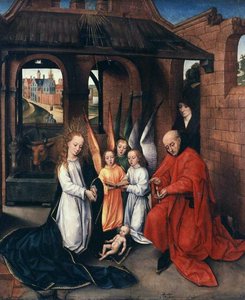
Quick Facts
- Artistic Movement Or Style: World Goes Pop
- Artists Or Movements Influenced By This Artist: ['Influenced by pop art movement']
- Artists Who Influenced This Artist: ['Influenced by diverse artists in The World Goes Pop exhibition']
- Date Of Death: Living
- Notable Artworks: ['Various works featured in The World Goes Pop exhibition']
- Place Of Birth: WahooArt