 Preview
 Send
Send Share
Share
 Details

 Download
 Similars
 X-Ray
X-Ray Diaporama
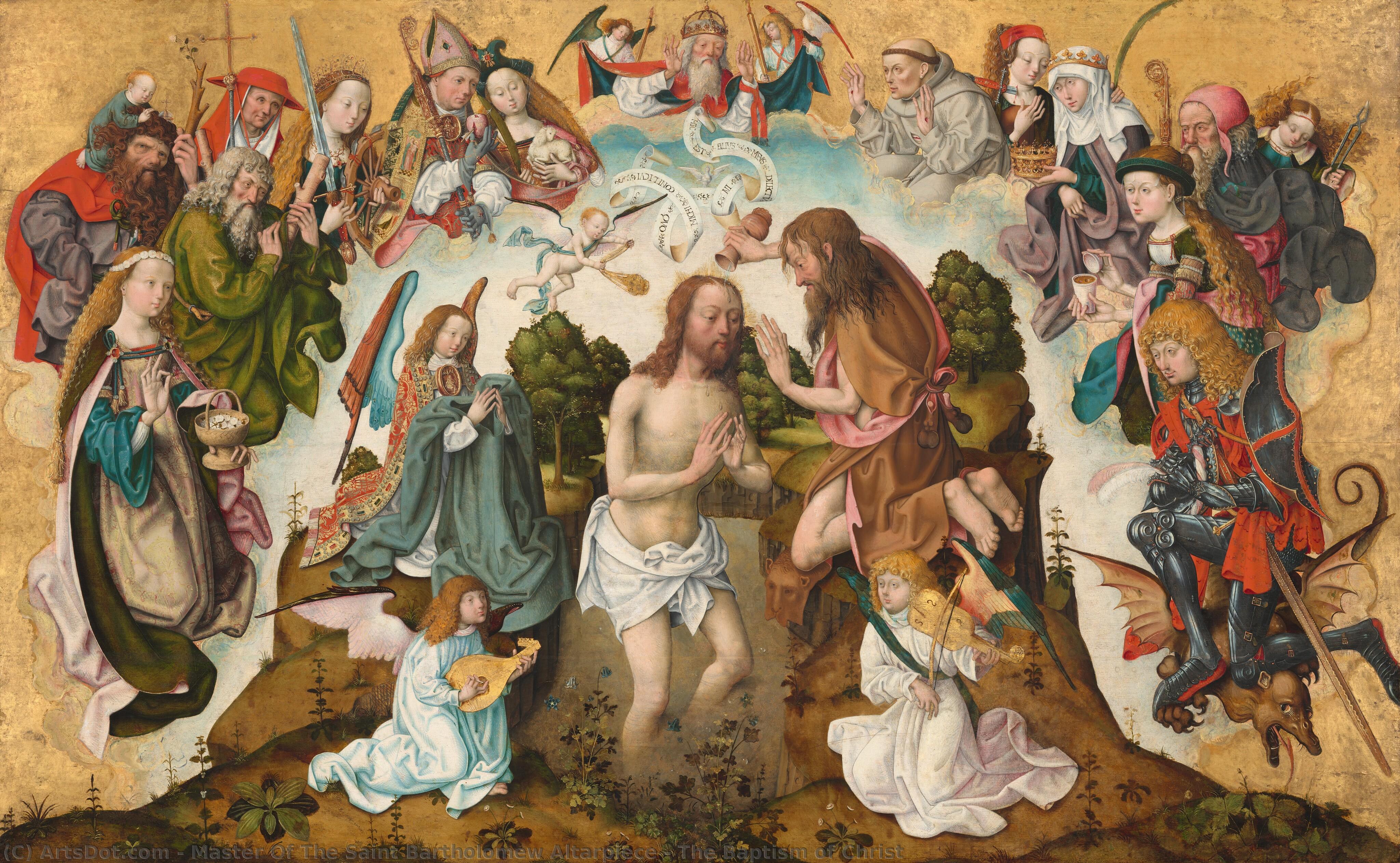
The Baptism of Christ
 1500
1500 104.0 x 170.0 cm
 Read More
Hand Made Oil Reproduction
Hand-painted oil on canvas in your size and frame, made to order by our artists. ( Buy Print Buy Image)




































Pick from our preset sizes that match the artwork's original proportions.

You may enter your own dimensions to fit a specific frame or space. If your selected size does not match the original image's proportions, we will either crop the artwork or extend the painting with additional hand-painted elements. A digital mockup will be sent for your approval before production begins.
Please note that the on-screen preview does not reflect the actual cropping or extension. Only the mockup will accurately show the final composition.
While custom sizes are available, we recommend selecting a dimension from the predefined list to preserve the original proportions.
After order, ArtsDot.com team will email client for instructions and provide a mockup preview
Worldwide Delivery () in 3/4 weeks instead of standard 5 weeks. (16 August). No compromise on quality.

Free Worldwide Express Shipping

High-Quality Linen Canvas

Full Shipping Insurance

Customs Tax Refund Guarantee

True Color Matching Guarantee

60-Day Return Policy (Defects Only)

100% Money-Back Guarantee

Bulk Discount Offer
 Glass option is only available in size under 110 CM

The Baptism of Christ
Reproduction Medium
Reproduction Size
-


Total Price
$ 263
Artwork Description
Related Artworks

Artist Biography
The Enigmatic Master of the Saint Bartholomew Altarpiece
The identity of the ‘Master of the Saint Bartholomew Altarpiece’ remains one of art history's most enduring mysteries—a puzzle that continues to fascinate scholars and inspire speculation. Active primarily in Germany between 1475/1480 and 1510, this artist emerged from a period of profound artistic transformation, inheriting the legacy of Gothic tradition while simultaneously embracing the burgeoning innovations of the Early Renaissance. Despite his anonymity, he stands as arguably the most recognizable figure within German art of his era, embodying the spirit of a movement striving for grandeur and spiritual contemplation. Little is known about his personal life beyond circumstantial evidence gleaned from surviving documentation. His name—a moniker derived solely from the monumental altarpiece commissioned in Cologne between 1505 and 1510—offers no clues to his origins or formative influences. Yet, his distinctive artistic style—characterized by luminous colors, meticulous detail, and a masterful command of Gothic techniques—has allowed researchers to trace his career with remarkable precision. The altarpiece itself, depicting Saint Bartholomew flanked by Saint Agnes and Saint Cecilia, served as a beacon for stylistic analysis, establishing a benchmark against which subsequent works could be assessed. Its presence in the church of Saint Columba in Cologne underscored the artist’s connection to the influential Carthusian monastery—a detail suggesting potential patronage from religious institutions. The quest to pinpoint his birthplace has proven particularly challenging. While he undeniably operated within Cologne's artistic milieu, evidence suggests that his training initially occurred in either Utrecht or the Gelderland region of the Netherlands. This hypothesis gained considerable traction following the discovery of a book of hours, open to an identifiable Netherlandish text, housed alongside Saint Columba’s altar panel—a testament to the artist’s cultural roots and hinting at connections with Arnhem, where the donor resided. Furthermore, stylistic comparisons between his early paintings and those produced by Utrecht artists bolstered this theory. The Master's artistic development is marked by a remarkable progression from the expressive fervor of his formative years to the refined elegance of his mature style. His miniatures for Sophia van Bylant’s book of hours—particularly the depiction of the Flagellation—provide invaluable insight into his stylistic origins, dating back to 1475 and representing one of the earliest confirmed instances of his artistic output. The meticulous rendering of drapery folds and facial expressions exemplifies the influence of Netherlandish Gothic painting, demonstrating a commitment to conveying emotion through visual representation. Among his notable achievements is the adoration of the kings—a monumental panel executed around 1480—which showcases an ambitious scale and masterful compositional planning. Similarly, the Madonna and Child with Saint Anne embodies the humanist ideals prevalent during the period, reflecting a shift towards idealized depictions of religious figures. These works stand as cornerstones of German Renaissance art, cementing his reputation as a pivotal figure in shaping artistic sensibilities and establishing stylistic precedents that would resonate throughout subsequent generations. Ultimately, the ‘Master of the Saint Bartholomew Altarpiece’ remains an artist shrouded in obscurity—a testament to the challenges inherent in reconstructing biographical information from fragmentary evidence. Nevertheless, his enduring legacy persists through his magnificent paintings—works that continue to captivate audiences with their beauty and sophistication, prompting ongoing debate about his origins, influences, and contribution to the artistic landscape of Early Renaissance Germany.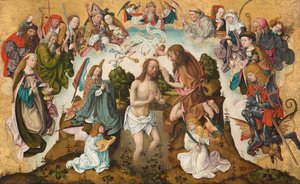
master of the saint bartholomew altarpiece
1450 - 1510
Quick Facts
- Artistic Movement Or Style: Early Netherlandish Gothic Style
- Artists Or Movements Influenced By This Artist: ['Northern Renaissance']
- Artists Who Influenced This Artist: ['Jan van Eyck']
- Date Of Death: 1510
- Full Name: Master of the Saint Bartholomew Altarpiece
- Nationality: Dutch
- Notable Artworks:
- Saint Bartholomew Altarpiece
- The Baptism of Christ
- S Peter and Dorothy (1)