 Preview
 Send
Send Share
Share
 Details

 Download
 Similars
 X-Ray
X-Ray Diaporama
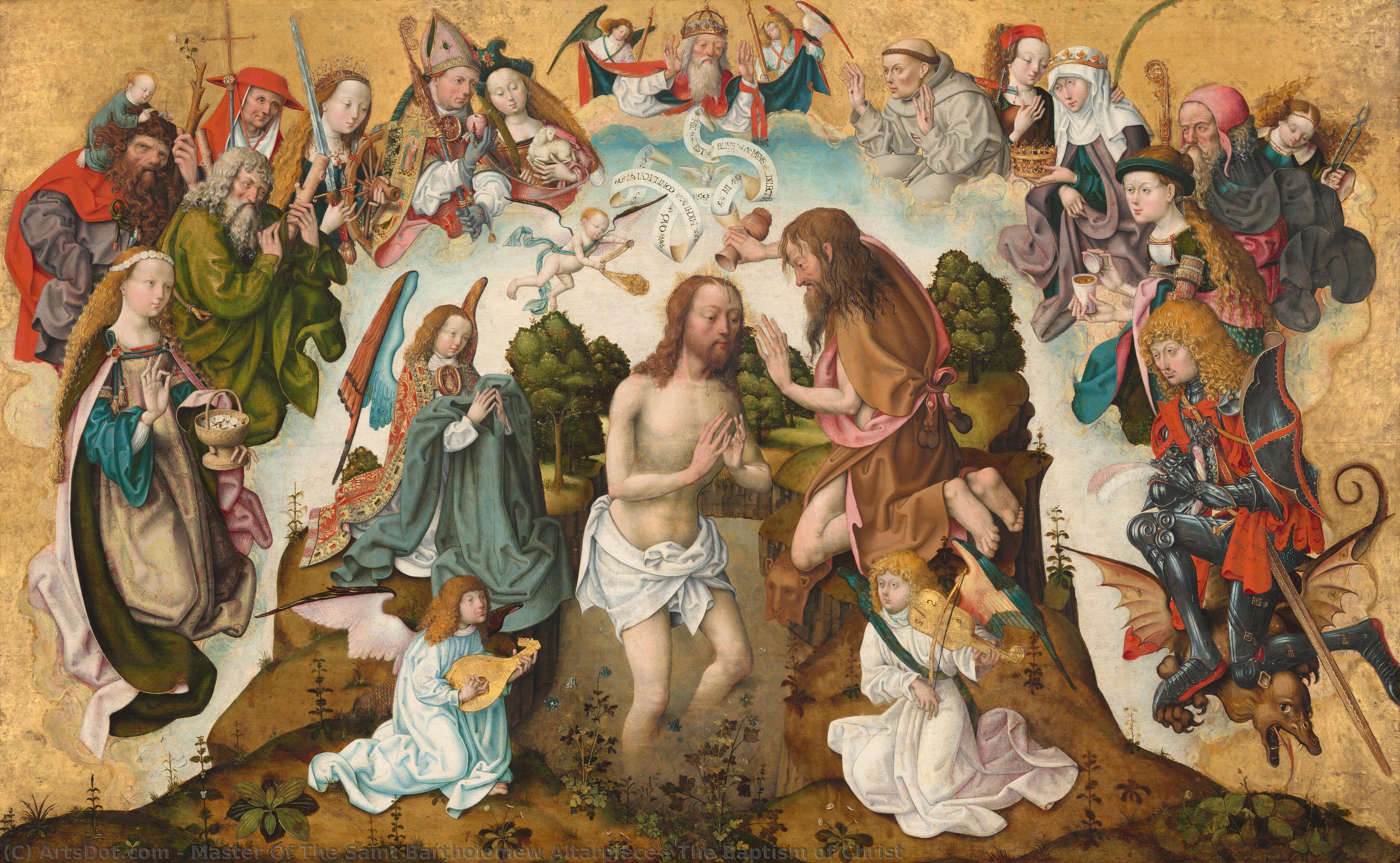
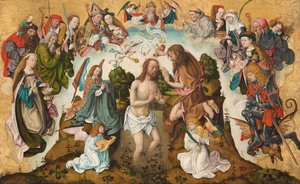
The Baptism of Christ
 1500
1500 104.0 x 170.0 cm
 Read More
Giclée / Art Print
Museum-quality giclée or canvas print with fast production and flexible finish options. ( Buy Hand Made Painting Buy Image)




































Pick from our preset sizes that match the artwork's original proportions.

You may enter your own dimensions to fit a specific frame or space. If your selected size does not match the original image's proportions, we will either crop the artwork or extend the image with a mirrored or solid-fill edge. A digital mockup will be sent for your approval before production begins.
Please note that the on-screen preview does not reflect the actual cropping or extension. Only the mockup will accurately show the final composition.
While custom sizes are available, we recommend selecting a dimension from the predefined list to preserve the original proportions.
Worldwide Delivery () in 2 weeks instead of standard 4/5 weeks. (28 August)

Free Worldwide Express Shipping

High-Quality Linen Canvas

Full Shipping Insurance

Customs Tax Refund Guarantee

True Color Matching Guarantee

60-Day Return Policy (Defects Only)

100% Money-Back Guarantee

Bulk Discount Offer
 Glass option is only available in size under 110 CM

The Baptism of Christ
Giclée / Art Print
Reproduction Size
-


Total Price
$ 63
Related Artworks








Artist Biography
The Enigmatic Master of the Saint Bartholomew Altarpiece
The identity of the Master of the Saint Bartholomew Altarpiece remains one of art history's most enduring mysteries—a puzzle that continues to fascinate scholars and inspire speculation. Active primarily in Germany between 1475/14 0 and 1510, this artist emerged from a period of profound artistic transformation, inheriting the legacy of Gothic tradition while simultaneously embracing the burgeoning innovations of the Early Renaissance. Despite his anonymity, he stands as arguably the most recognizable figure within German art of his era, embodying the spirit of a movement striving for grandeur and spiritual contemplation. His name, a moniker derived solely from the monumental altarpiece commissioned in Cologne between 1505 and 1510, offers no clues to his origins, yet his brushwork speaks with a clarity that transcends his lost identity.
Little is known about his personal life beyond circumstantial evidence gleaned from surviving documentation. While he undeniably operated within the vibrant artistic milieu of Cologne, researchers have traced a fascinating lineage of influence that suggests a broader European connection. There is compelling evidence to suggest that his formative training may have occurred in either Utrecht or the Gelderland region of the Netherlands. This hypothesis gained significant traction following the discovery of a book of hours, open to an identifiable Netherlandish text, housed alongside Saint Columba, suggesting that the artist brought the meticulous, luminous techniques of the North to the heart of Germany.
A Synthesis of Gothic Grace and Renaissance Detail
The work of this master is characterized by a breathtaking command of color and a meticulous attention to detail that bridges two worlds. He was often described as one of the last great Gothic painters active in Cologne, yet his compositions frequently pulse with the new energy of the Early Renaissance. His paintings are renowned for their expressive figures and richly painted ornamentation, creating a sense of tactile reality that draws the viewer into a sacred space. In masterpieces such as The Baptism of Christ, one can observe the artist's ability to weave complex narratives through light and texture.
In his compositions, the following elements often converge to create his signature style:
- Luminous Color Palettes: The use of vibrant crimsons, deep teals, and brilliant golds that seem to glow from within the panel.
- Intricate Ornamentation: A profound dedication to rendering the fine details of textiles, gemstones, and liturgical objects.
- Expressive Human Emotion: Figures that possess a soulful, often poignant presence, moving beyond mere iconography into the realm of human experience.
- Narrative Complexity: The ability to surround central holy figures with a crowded, yet harmoniously balanced, assembly of angels, clergy, and onlookers.
Legacy and Historical Significance
The historical significance of the Master of the Saint Bartholomew Altarpiece lies in his role as a stylistic bridge. By blending the decorative elegance of the late Middle Ages with the burgeoning naturalism of the Renaissance, he helped define the visual language of Cologne during a period of immense cultural growth. His influence can be felt in the way subsequent generations of German artists approached the depiction of sacred light and physical texture. Though his name has been lost to the shadows of time, his presence remains etched in the altarpieces and panels that continue to command reverence in museums around the world, such as the J. Paul Getty Museum.
Ultimately, the Master represents the triumph of artistry over anonymity. Through approximately twenty-five attributed paintings, he has left a permanent imprint on the history of European art, proving that even without a biography, a true master can achieve immortality through the sheer power of their vision.
master of the saint bartholomew altarpiece
1450 - 1510
Quick Facts
- Artistic Movement Or Style: Early Netherlandish Gothic Style
- Artists Or Movements Influenced By This Artist: ['Northern Renaissance']
- Artists Who Influenced This Artist: ['Jan van Eyck']
- Date Of Death: 1510
- Full Name: Master of the Saint Bartholomew Altarpiece
- Nationality: Dutch
- Notable Artworks:
- Saint Bartholomew Altarpiece
- The Baptism of Christ
- S Peter and Dorothy (1)