

![Saint Catherine [right Wing Exterior] — Master Of The Starck Triptych](/media/artworks/images-full/e8/a4/e8a475a203eb13fb4737fdcb44a0f7d1.jpg)
 Preview
 Send
Send Share
Share
 Details

 Download
 Similars
 X-Ray
X-Ray Diaporama
Saint Catherine [right wing exterior]
 1490
1490 66.0 x 24.0 cm
 Read More
Purchase a high-resolution, enhanced digital image, far superior to the online preview.
Each file is meticulously prepared by our in-house specialists using advanced tools and expert manual retouching. We ensure every image has exceptional clarity, precise color accuracy, and fine detail.
The final file is delivered via email within 72 hours, optimized for immediate use in professional, editorial, and print environments. This is the same quality trusted by top-tier design studios, publishers, and galleries.
Digital Image
Download a high-resolution file for personal display, printing, and creative projects. ( Buy Print Buy Hand Made Painting)
Included in Every Digital Image Order
Expert Digital Delivery, Guaranteed
When you choose ArtsDot.com, you're not just getting an image - you're receiving a professionally enhanced digital artwork, crafted with precision and backed by a satisfaction guarantee. Here's everything that comes with your order, automatically:

Fast Email Delivery
Your high-resolution digital image file will be emailed to you within 72 hours of ordering - ready for immediate use.

AI-Enhanced Digital File
Your artwork is professionally optimized using advanced AI tools and manual editing, ensuring maximum detail, clarity, and color accuracy.

Free Lifetime Re-Delivery
Accidentally deleted or lost your file? No worries - we'll resend it to you anytime, free of charge.

No Import Fees - Ever
Enjoy your artwork instantly with zero customs, duties, or delivery fees - digital downloads are always tax-free.

Color Accuracy Guarantee
We ensure your digital image reflects the original colors as closely as possible using professional tools and color management.

60-Day Satisfaction Guarantee
If you're not satisfied with your digital image, we'll revise it or refund 100% within 60 days - no questions asked.

100% Money-Back Guarantee
Not satisfied? Get a full refund within 60 days of receiving your digital file - no questions asked.

Bulk Order Discounts
Buy 3 images, save 10% - Buy 5, save 15% - Buy 10+, save 20%. Great for creative projects, galleries, and agencies.
Related Artworks






Artist Biography
The Enigmatic Master of the Starck Triptych
The identity of the artist responsible for the celebrated Starck Triptych remains one of Nuremberg’s most enduring artistic mysteries. Active around 1480-1495, this unnamed craftsman operated within a vibrant artistic milieu characterized by collaboration and stylistic convergence—a hallmark of the burgeoning Renaissance in Germany. His contribution to this monumental panel painting commissioned by Georg Starck, a prominent Nuremberg patrician, cemented his place as a pivotal figure in late Gothic and early Renaissance art production.A Collaboration Under Wraps
The Starck Triptych’s fame stems not solely from its opulent depiction of Saint Barbara—a serene Madonna flanked by saints—but crucially from its association with the titans of Nuremberg painting: Hans Pleydenwurff and Michael Wolgemut. While definitive attribution remains elusive, scholarly consensus suggests that the Master of the Starck Triptych was deeply influenced by their distinctive styles. Pleydenwurff’s meticulous attention to detail and masterful use of color palettes—particularly evident in his depictions of drapery—clearly permeated the artist's approach, mirroring Wolgemut’s innovative compositional techniques and expressive rendering of human figures. This collaborative spirit reflects a broader trend within Nuremberg at the time, where artists routinely engaged in shared projects, fostering artistic dynamism and elevating the quality of art produced.Technique and Style: Echoes of Tradition
Stylistically, the Master's work aligns closely with the prevailing aesthetic sensibilities of the period. Employing tempera paint on panel—a technique favored for religious iconography—he skillfully executed intricate drapery folds and luminous glazing effects characteristic of Gothic painting traditions. However, he simultaneously embraced elements indicative of Renaissance innovation, notably a heightened realism in portraying facial expressions and anatomical accuracy. The subtle interplay between established conventions and emerging stylistic trends underscores the artist’s adaptability and his position at the crossroads of artistic evolution.The Starck Triptych: A Testament to Patronage
The commission itself speaks volumes about Nuremberg's cultural landscape during this era. Georg Starck, a wealthy banker and influential member of the patrician class, sought to adorn his chapel with a masterpiece that would convey piety and prestige. The resulting triptych exemplifies the grandeur and sophistication demanded by aristocratic patrons—a testament to Nuremberg’s flourishing economy and its commitment to artistic excellence. Its enduring beauty continues to captivate viewers today, serving as a tangible reminder of Nuremberg's artistic heritage.Legacy and Historical Significance
Despite the lack of biographical information, the Master of the Starck Triptych’s contribution to Nuremberg art history is undeniable. His involvement in this landmark project alongside Pleydenwurff and Wolgemut solidified his reputation as a skilled painter operating within a crucible of artistic innovation. Furthermore, the triptych stands as an exemplar of late Gothic-Renaissance synthesis—a visual embodiment of the transformative cultural currents reshaping Europe during the fifteenth century. Its continued study ensures that the legacy of this enigmatic artist persists, enriching our understanding of Nuremberg’s artistic achievements and its role in shaping the broader trajectory of European art.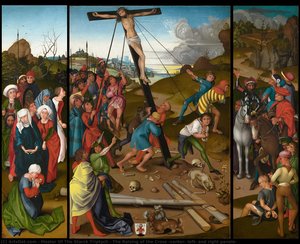
master of the starck triptych
Germany
Quick Facts
- Artistic Movement Or Style: Nuremberg Renaissance
- Artists Or Movements Influenced By This Artist: ['German Renaissance']
- Artists Who Influenced This Artist:
- Hans Pleydenwurff
- Michael Wolgemut
- Full Name: Master of the Starck Triptych
- Nationality: German
- Notable Artworks:
- Mademoiselle armchair
- The Raising of the Cross
- Saint Barbara
- Place Of Birth: Germany

