 Preview
 Send
Send Share
Share
 Details

 Download
 Similars
 X-Ray
X-Ray Diaporama
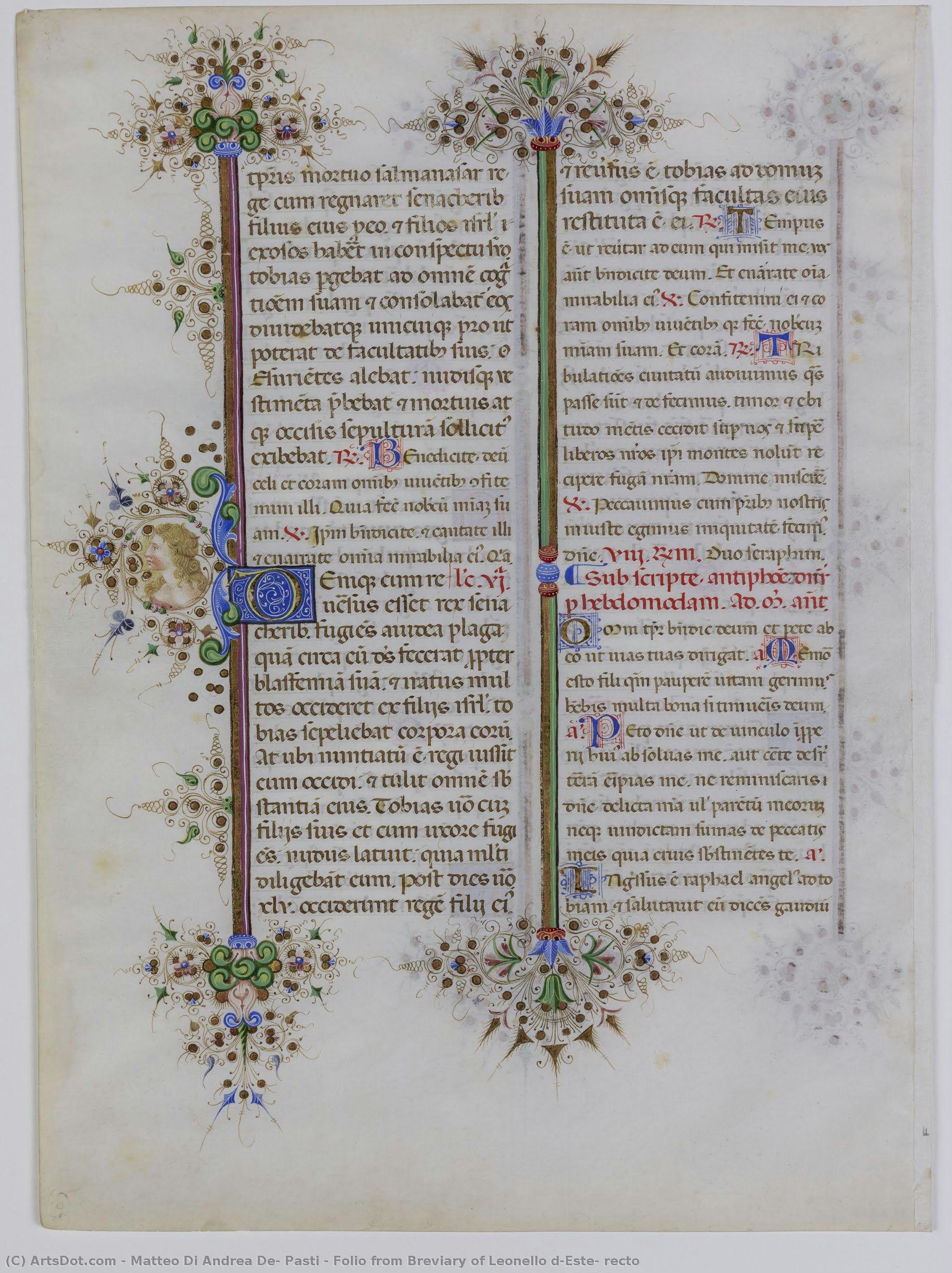
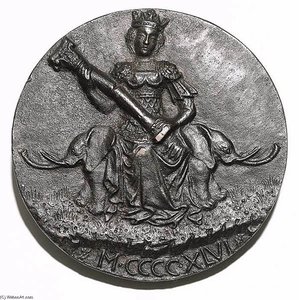
Folio from Breviary of Leonello d’Este, recto
 27.0 x 20.0 cm
 Musei Civici di Arte Antica e Museo Riminaldi
 Read More
Giclée / Art Print
Museum-quality giclée or canvas print with fast production and flexible finish options. ( Buy Hand Made Painting Buy Image)




































Pick from our preset sizes that match the artwork's original proportions.

You may enter your own dimensions to fit a specific frame or space. If your selected size does not match the original image's proportions, we will either crop the artwork or extend the image with a mirrored or solid-fill edge. A digital mockup will be sent for your approval before production begins.
Please note that the on-screen preview does not reflect the actual cropping or extension. Only the mockup will accurately show the final composition.
While custom sizes are available, we recommend selecting a dimension from the predefined list to preserve the original proportions.
Worldwide Delivery () in 2 weeks instead of standard 4/5 weeks. (23 August)

Free Worldwide Express Shipping

High-Quality Linen Canvas

Full Shipping Insurance

Customs Tax Refund Guarantee

True Color Matching Guarantee

60-Day Return Policy (Defects Only)

100% Money-Back Guarantee

Bulk Discount Offer
 Glass option is only available in size under 110 CM

Folio from Breviary of Leonello d’Este, recto
Giclée / Art Print
Reproduction Size
-


Total Price
$ 63
Related Artworks




Artist Biography
The Sculptor of Renaissance Splendor
Matteo di Andrea de’ Pasti stands as a pivotal figure in the artistic landscape of Verona and the broader Italian Renaissance, a master whose hands shaped the very essence of humanist ideals. Born in Verona around 1420, he emerged from a tradition steeped in Veronese sculptural excellence, inheriting techniques honed by masters such as Giovanni Battista Falcone and Andrea Mantegna. These foundational skills would prove instrumental in shaping his distinctive style, characterized by an exquisite ability to marry monumental scale with intricate, delicate detail. His life was a journey through the intellectual ferment of the Quattrocento, fueled by the humanist scholarship and artistic innovation that flowed from Florence under the influence of figures like Lorenzo de’ Medici.
The artistry of Pasti is deeply rooted in the embrace of classical proportions and idealized forms, mirroring the stylistic trends championed by the great architects Alberti and Brunelleschi. This connection to the classical past was not merely aesthetic but philosophical, reflecting a profound fascination with Greco-Roman aesthetics that permeated the era. His work often sought to capture the spirit of his age—the High Renaissance—conveying profound symbolic meaning through the medium of bronze and stone. Whether crafting a massive religious icon or a miniature commemorative medal, Pasti possessed an unparalleled skill in capturing both the physical likeness and the spiritual depth of his subjects.
A Visionary Collaboration and Royal Patronage
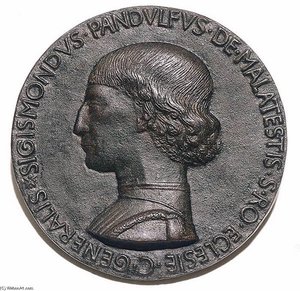
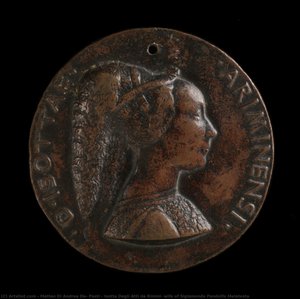
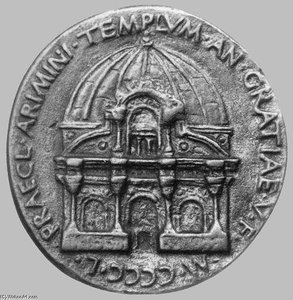
Perhaps the most enduring testament to Pasti’s genius is his legendary collaboration with the visionary architect Leone Battista Alberti. Together, they embarked on the ambitious design and construction of the Tempio Malatestiano in Rimini, a project that cemented their reputation as a formidable architect-sculptor duo. This cathedral church was more than a religious edifice; it was a meticulously crafted symbol of royal prestige and humanist ambition, commissioned by Sigismondo Pandolfo Malatesta. Within this breathtaking structure, Pasti’s sculptural decorations breathed life into the stone, including monumental statues of saints and biblical figures that demonstrated his mastery of expressive power and scale.
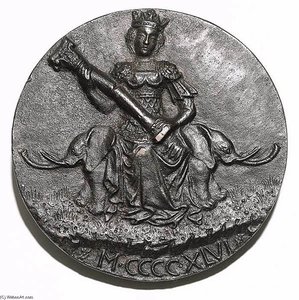
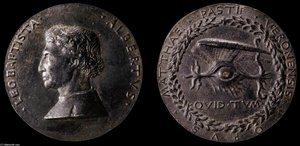
The breadth of Pasti’s influence is further evidenced by the illustrious patrons who sought his hand. His prolific output spanned commissions for influential figures such as Lionello d'Este, reflecting a flourishing artistic environment where civic pride and religious piety were celebrated through art. His talent for portraiture led him to produce numerous busts and medals for noble families across Italy, capturing the likenesses of prominent individuals with remarkable realism. This mastery extended even to the realm of metalwork, where his intricately crafted bronze medals became celebrated artifacts of Renaissance symbolism, often featuring complex allegories such as Fortitude seated upon elephants.
Legacy and Historical Significance
The historical trajectory of Matteo di Andrea de’ Pasti is as dramatic as the art he produced. In 1461, his reputation reached far beyond the borders of Italy when he was sent by Sigismondo Malatesta to the court of Mekhmed II in Istanbul. However, this grand diplomatic and artistic mission was cut short when he was arrested during his journey, a moment that serves as a poignant coda to a life of immense creative achievement. Though his career was marked by such turbulent interruptions, his impact on the sculptural tradition remains indelible.
Today, the legacy of Pasti is preserved in some of the world's most prestigious institutions, allowing modern viewers to connect with the grandeur of the Renaissance. His works serve as vital links to a period of unparalleled human achievement, embodying the following:
- Technical Mastery: The seamless integration of Gothic traditions with innovative Renaissance structural solutions.
- Humanist Expression: The use of idealized human forms to convey complex religious and civic narratives.
- Artistic Versatility: An ability to transition effortlessly between monumental cathedral sculpture and the delicate precision of commemorative medal making.
- Cultural Impact: A lasting presence in collections such as the Cleveland Museum of Art and the British Museum, where his pieces continue to inspire awe.
Quick Facts
- Artistic Movement Or Style: Renaissance
- Artists Or Movements Influenced By This Artist: ['Leone Battista Alberti']
- Date Of Birth: Verona, Italy ()
- Date Of Death: Living
- Full Name: Matteo di Andrea de' Pasti
- Nationality: Italian
- Notable Artworks:
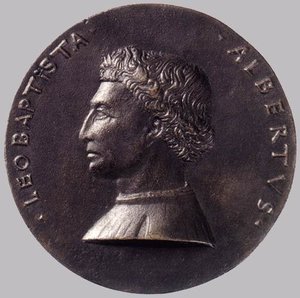
- Bust of Leon Battista Alberti
- Fortitude, seated on two elephants (reverse)
- Tempio Malatestiana
- Place Of Birth: Verona