

 Preview
 Send
Send Share
Share
 Details

 Download
 Similars
 X-Ray
X-Ray Diaporama
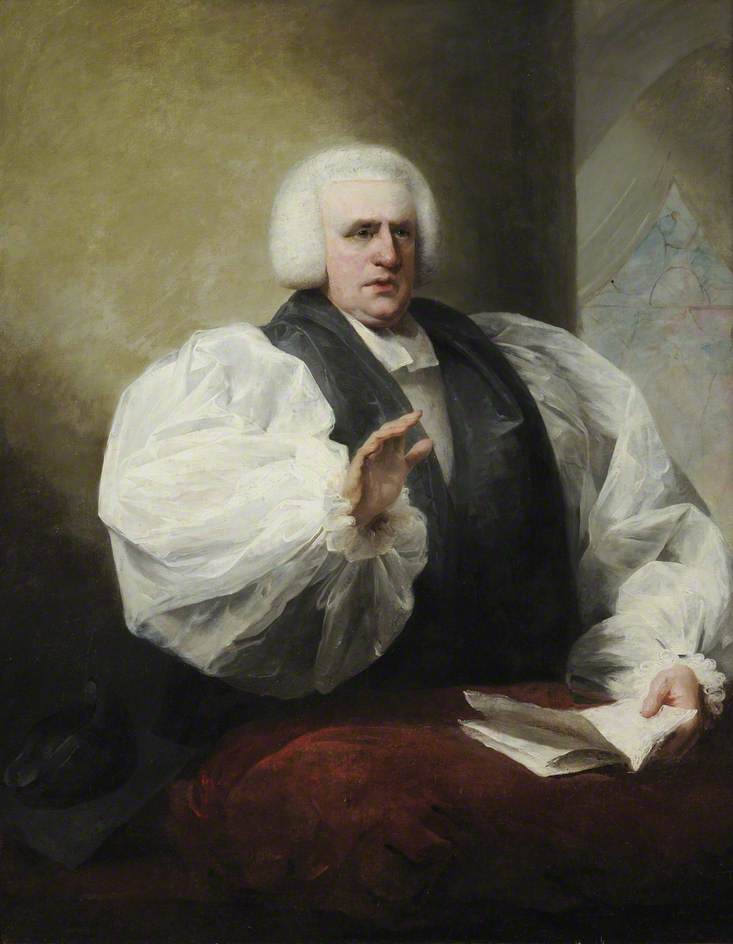
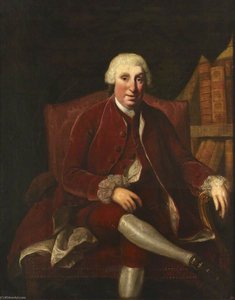
John Hinchliffe (1731–1794), Master (1768–1788), Vice Chancellor of the University of Cambridge (1768)
 1788
1788 125.0 x 99.0 cm
 Read More
Purchase a high-resolution, enhanced digital image, far superior to the online preview.
Each file is meticulously prepared by our in-house specialists using advanced tools and expert manual retouching. We ensure every image has exceptional clarity, precise color accuracy, and fine detail.
The final file is delivered via email within 72 hours, optimized for immediate use in professional, editorial, and print environments. This is the same quality trusted by top-tier design studios, publishers, and galleries.
Digital Image
Download a high-resolution file for personal display, printing, and creative projects. ( Buy Print Buy Hand Made Painting)
Included in Every Digital Image Order
Expert Digital Delivery, Guaranteed
When you choose ArtsDot.com, you're not just getting an image - you're receiving a professionally enhanced digital artwork, crafted with precision and backed by a satisfaction guarantee. Here's everything that comes with your order, automatically:

Fast Email Delivery
Your high-resolution digital image file will be emailed to you within 72 hours of ordering - ready for immediate use.

AI-Enhanced Digital File
Your artwork is professionally optimized using advanced AI tools and manual editing, ensuring maximum detail, clarity, and color accuracy.

Free Lifetime Re-Delivery
Accidentally deleted or lost your file? No worries - we'll resend it to you anytime, free of charge.

No Import Fees - Ever
Enjoy your artwork instantly with zero customs, duties, or delivery fees - digital downloads are always tax-free.

Color Accuracy Guarantee
We ensure your digital image reflects the original colors as closely as possible using professional tools and color management.

60-Day Satisfaction Guarantee
If you're not satisfied with your digital image, we'll revise it or refund 100% within 60 days - no questions asked.

100% Money-Back Guarantee
Not satisfied? Get a full refund within 60 days of receiving your digital file - no questions asked.

Bulk Order Discounts
Buy 3 images, save 10% - Buy 5, save 15% - Buy 10+, save 20%. Great for creative projects, galleries, and agencies.
Related Artworks







Artist Biography
The Dual Legacy of Matthew William Peters: Artistry and Altar
In the vibrant tapestry of Georgian England, few figures possess a biography as strikingly dualistic as Matthew William Peters. A man who navigated the profound tension between the sensual grandeur of the Italianate painting style and the solemnity of the Anglican ministry, Peters remains a singular presence in British art history. Born in 1742 in Freshwater, Isle of Wight, his early life was shaped by an intellectual environment rooted in scientific precision; his father, a prominent civil engineer and member of the Royal Dublin Society, instilled in him a capacity for rigorous observation. This analytical foundation would later serve as the bedrock for both his meticulous brushwork and his theological contemplations.
Peters’s artistic journey was one of constant movement and profound discovery. His formative training began in Dublin under Robert West, but it was the patronage of the Dublin Society that truly propelled him onto the international stage. Sent to London to study under the esteemed Thomas Hudson, Peters soon embarked on a transformative pilgrimage to Italy between 1761 and 1765. This period acted as a spiritual and aesthetic rebirth. Immersed in the masterpieces of the Renaissance and Baroque, he did not merely observe but actively engaged with the ghosts of Raphael, Michelangelo, and Caravaggio. By meticulously studying their use of chiaroscuro and complex compositional structures, he developed an "Italian manner" so authentic that contemporary critics noted no British peer could match his command of such dramatic light and shadow.
A Mastery of Portraiture and Genre
Upon his return to England in 1765, Peters emerged as a formidable force within the London art scene. His ascent was marked by consistent recognition from the most prestigious institutions of his era, including regular exhibitions at the Society of Artists and, most notably, his election to the Royal Academy in 1769. As he transitioned into the professional identity often known simply as "W. Peters," his work began to reflect a sophisticated blend of classical elegance and emotional depth. His portraiture, such as the refined Edward Wortley Montagu, showcased an ability to capture both the social stature and the psychological nuance of his subjects through a lens of classical grace.
Beyond the formal constraints of portraiture, Peters explored the evocative realms of genre painting and narrative illustration. His talent for storytelling allowed him to breathe life into scenes that ranged from the intimate to the epic. This versatility was further demonstrated in his later contributions to the Shakespeare Gallery, where his ability to translate literary drama into visual splendor helped define a significant movement in British visual culture. Whether through the delicate rendering of fabric or the dramatic interplay of light across a face, his work remained anchored in the profound aesthetic lessons learned during his Italian sojourn.
The Final Transition: From Canvas to Clergy
As the tides of his life shifted, Peters underwent one of the most remarkable professional transformations of the eighteenth century. The man who had once sought fame within the halls of the Royal Academy eventually turned his gaze toward the eternal. Entering the Anglican ministry, he transitioned from a painter of earthly beauty to an Anglican clergyman and chaplain to George IV. This shift did not represent a rejection of his artistic past but rather a redirection of his creative spirit toward the service of faith. The same precision that guided his hand in capturing light was now applied to the stewardship of the soul.
The historical significance of Matthew William Peters lies in this very synthesis of the temporal and the divine. He stands as a bridge between the exuberant, often eroticized aesthetics of the late Baroque and the disciplined, moralistic atmosphere of the Georgian religious landscape. His life serves as a testament to the idea that art and faith are not opposing forces, but rather two different languages used to describe the same profound human experience. Through his enduring works, we continue to witness the legacy of an artist who found beauty in the shadows of Italy and truth in the light of the pulpit.
matthew william peters
1742 - 1814
Quick Facts
- Artistic Movement Or Style: Italianate Painting Style
- Artists Or Movements Influenced By This Artist: ['Jean-Baptiste Greuze']
- Artists Who Influenced This Artist:
- Robert West
- Thomas Hudson
- Date Of Birth: 1742
- Date Of Death: 1814
- Full Name: Matthew William Peters
- Nationality: English
- Notable Artworks:
- Shakespeare Gallery Art
- Edward Wortley Montagu
- Charles Bromfield
- Place Of Birth: Freshwater, Isle of Wight

